
Posted At: Apr 02, 2026 - 7,795 Views

The smart wearables market has experienced unprecedented growth over the past five years, with smart glasses emerging as one of the most promising segments for distributors and brand partners. For businesses looking to enter this space or expand their product portfolio, understanding the economics of smart glasses wholesale pricing is essential for building a sustainable resale operation.
Sourcing smart glasses directly from Chinese manufacturers offers significant cost advantages, but the complexity of pricing structures, minimum order quantities, and value chain considerations can quickly overwhelm even experienced procurement teams. This analysis breaks down the margin dynamics you need to master to build a profitable smart glasses resale business.
Understanding the Smart Glasses Wholesale Landscape
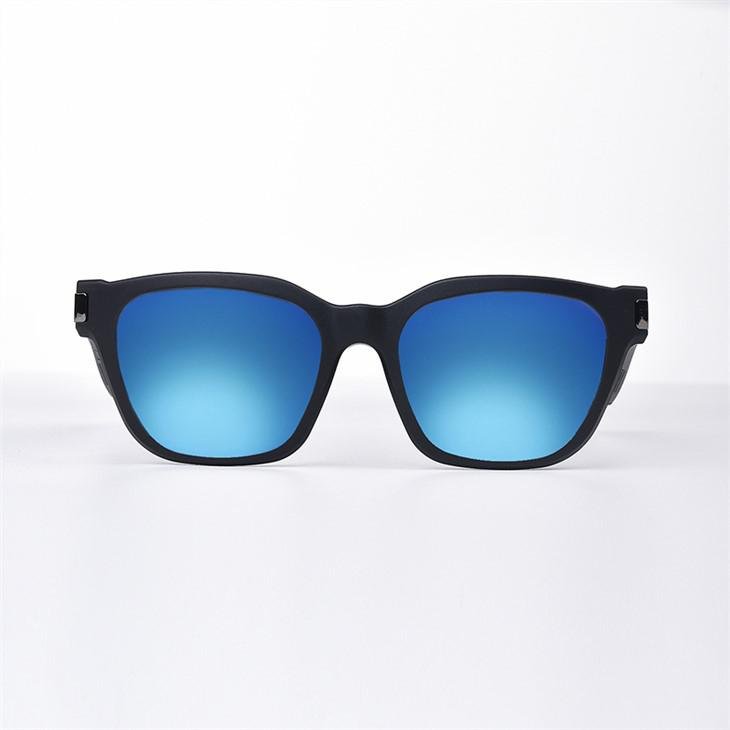
The market for smart eyewear spans multiple product categories, each with distinct pricing structures and margin potential. Audio sunglasses represent the most accessible entry point for new distributors, combining familiar sunglass aesthetics with integrated Bluetooth audio functionality. Fashion-forward designs command premium positioning, while sports-oriented models target specific outdoor and fitness verticals.
When evaluating Smart Fashion Music Glasses and similar products, wholesale pricing typically follows a tiered structure based on order volume. Manufacturers offer steeper discounts at higher quantity thresholds, which directly impacts your per-unit cost structure and ultimate margin potential.
Understanding these tiered pricing models is crucial for accurate margin projection. Most Chinese manufacturers establish three to five price tiers, with meaningful reductions occurring at 500, 1,000, and 5,000 unit thresholds. Your ordering strategy should align with your inventory capacity and sales velocity projections.
Breaking Down Wholesale Cost Components
Smart glasses wholesale pricing encompasses several distinct cost elements that collectively determine your landed cost per unit. Component costs form the largest portion, including optical elements, electronic modules, batteries, frames, and packaging materials. Labor costs in assembly and quality testing represent another significant category, particularly for products requiring hand-finishing or specialized testing procedures.
Electronic components have experienced notable price volatility over the past 24 months, driven by semiconductor supply chain disruptions and fluctuating demand patterns. Reputable manufacturers build component cost flexibility into their pricing formulas, typically adjusting quoted prices quarterly or semi-annually to reflect material cost movements.
When negotiating wholesale terms, pay close attention to whether component specifications are fixed or subject to substitution. Leading manufacturers maintain approved vendor lists for critical components, ensuring consistent quality while allowing for cost optimization when supplier pricing shifts.
Margin Analysis: What Distributors Actually Earn
Actual margin outcomes in the smart glasses resale business vary substantially based on channel strategy, product positioning, and operational efficiency. Understanding realistic margin benchmarks helps you set appropriate pricing strategies and identify opportunities for improvement.
| Product Category | Wholesale Cost Range | MSRP Range | Gross Margin Potential | Typical Resale Price |
|---|---|---|---|---|
| Audio Sunglasses (Entry) | $25-$45 | $89-$149 | 60-70% | $79-$129 |
| Audio Sunglasses (Premium) | $50-$85 | $179-$299 | 55-65% | $149-$249 |
| Sports Cycling Glasses | $35-$60 | $129-$199 | 58-68% | $109-$179 |
| Waterproof Music Glasses | $45-$75 | $159-$249 | 55-65% | $139-$219 |
| Polarized Driving Glasses | $40-$70 | $149-$229 | 55-62% | $129-$199 |
The figures above represent gross margin potential before accounting for shipping, duties, marketing investments, and operational overhead. Net margins typically run 15-25% lower than gross margins for well-managed distribution operations.
Premium product positioning generally supports healthier net margins despite lower gross margin percentages. Higher price points provide buffer against unexpected costs and enable more aggressive marketing investment, driving faster inventory turnover.
Factors That Significantly Impact Your Margins
Several variables beyond unit cost influence your ultimate profitability in the smart glasses resale business. Order predictability allows manufacturers to optimize production scheduling, and consistent ordering patterns often unlock better pricing than sporadic large orders. Building a reliable forecast with your supplier creates mutual benefits that translate into improved terms.
Customization requirements affect pricing substantially. Stock products with standard specifications and branding offer the most favorable economics, while custom color options, logo engraving, or modified specifications typically add 8-15% to per-unit costs. Evaluate whether differentiation investments generate sufficient sales premium to justify the margin compression.
Payment terms represent another critical negotiation point. Manufacturers offering 30% deposit with 70% balance on shipment provide cash flow advantages that improve return on working capital, even if the unit price is marginally higher than competitors requiring full payment upfront.
Quality consistency dramatically affects net margins through warranty claims, return processing costs, and customer service burden. Products from Wireless Bluetooth Sunglasses For Cycling with proven reliability records reduce these indirect costs substantially, often justifying premium pricing for manufacturing quality.
Building an Optimal Pricing Strategy
Effective pricing in the smart glasses market requires balancing market positioning against margin requirements. Premium brands typically maintain MSRP discipline through authorized dealer networks, protecting margin integrity across the distribution channel. Unbranded or white-label products face more aggressive price competition, requiring operational efficiency to maintain profitability.
Channel-specific pricing strategies often make sense for smart glasses distributors. E-commerce channels typically demand 20-30% lower pricing than retail or wholesale accounts, reflecting different fulfillment requirements and volume expectations. Maintaining consistent pricing across channels prevents channel conflict while optimizing revenue from each customer segment.
Promotional pricing requires careful management to avoid eroding perceived value. Strategic discounts during key shopping periods can drive volume, but frequent discounting trains customers to wait for sales rather than purchasing at full price. Consider limited-time offers on specific SKUs rather than broad percentage reductions.
The OEM/ODM Manufacturing Advantage
Working directly with Chinese manufacturers through OEM or ODM arrangements offers substantial advantages for serious distributors. Original Equipment Manufacturing relationships allow you to specify exact components, materials, and quality standards while leveraging manufacturer production capabilities and supply chain relationships.
ODM partnerships provide additional value by accessing pre-developed product designs that can be customized with your branding. This approach dramatically reduces time-to-market and development costs while benefiting from manufacturer expertise in design optimization and component selection.
Quality assurance protocols deserve careful attention when establishing manufacturing relationships. Leading facilities implement multi-stage inspection processes covering incoming materials, in-process quality checks, and finished goods testing. Requesting detailed quality documentation helps you assess manufacturing discipline before committing to substantial orders.
Production capacity and lead time reliability are equally important considerations. Evaluate manufacturer track records for on-time delivery and their ability to scale production during peak demand periods. Supply chain disruptions that delay shipments directly impact your cash flow and customer relationships.
Operational Considerations for Resale Success
Successful smart glasses distribution requires attention to operational fundamentals beyond product sourcing. Inventory management directly impacts both profitability and customer satisfaction. Understocking loses sales and damages relationships with key accounts, while overstocking ties up working capital and increases carrying costs.
Return and warranty policies shape customer relationships and affect your net margin calculations. Negotiate clear warranty terms with your manufacturer and factor replacement or repair costs into your pricing models. Products like Bluetooth Glasses Stereo Music with robust quality histories minimize unexpected warranty expenses.
Marketing support from your manufacturer can significantly impact sell-through rates. Many Chinese factories provide co-marketing funds, product imagery, or promotional materials that reduce your marketing investment requirements. Inquire about available support when negotiating supply agreements.
Positioning Your Business for Long-Term Profitability
The smart glasses market continues evolving rapidly, with new features, form factors, and use cases emerging regularly. Building a resilient distribution business requires balancing current product opportunities against longer-term market positioning. Maintaining relationships with manufacturers at the technology frontier ensures access to new product generations as market preferences shift.
Vertical integration opportunities exist for distributors willing to invest in brand development and direct customer relationships. Owning customer relationships provides valuable data for product selection and enables premium pricing through brand differentiation. However, this approach requires substantial marketing investment and operational capability.
Geographic diversification offers another pathway for margin improvement and risk management. Different regions experience product lifecycle variations that create arbitrage opportunities. Monitoring market development across multiple geographies helps you optimize product mix and timing.
Making Your First Wholesale Order
Starting or expanding your smart glasses resale operation requires careful planning and supplier selection. Requesting samples before committing to production orders allows you to verify quality standards and assess packaging and branding suitability. Most manufacturers offer sample pricing at cost plus shipping, representing a worthwhile investment before larger commitments.
Clear communication of specifications, quality expectations, and delivery timelines reduces misunderstanding risk. Establishing these parameters in written agreements protects both parties and creates accountability mechanisms for issue resolution.
Building inventory gradually while validating market demand reduces risk exposure. Starting with a focused product selection allows you to refine your approach based on actual sales data before expanding SKUs and increasing working capital commitment.
The smart glasses wholesale market offers substantial opportunity for distributors who approach it with realistic expectations and solid operational foundations. Understanding the margin dynamics, selecting quality-focused manufacturing partners, and maintaining pricing discipline positions your business for sustainable growth in this dynamic product category.
Ready to explore smart glasses wholesale opportunities with an established manufacturer? Our team supports distributors and brands worldwide with competitive pricing, reliable quality, and flexible order fulfillment. Contact our B2B sales team to discuss your requirements and discover how we can support your smart glasses resale business growth.
