
Posted At: Apr 29, 2026 - 81 Views

The retail landscape has undergone a dramatic transformation over the past several years, with Walmart's marketplace emerging as one of the most competitive platforms for smart wearable products. For suppliers and distributors looking to capitalize on the growing demand for smart glasses, understanding how to navigate sourcing, manufacturing partnerships, and product positioning has become essential for sustained success.
Smart glasses represent a unique category within the broader wearables market. These devices combine fashion, functionality, and technology in ways that appeal to mainstream consumers shopping on Walmart's platform. The challenge for suppliers lies in finding manufacturing partners capable of delivering quality products at price points that maintain healthy margins while meeting the retail giant's stringent requirements.
Understanding Walmart's Smart Glasses Market
Walmart attracts millions of health-conscious and tech-savvy shoppers who actively seek products that blend style with utility. Smart glasses fall into several product categories on the platform, including audio sunglasses, fitness-oriented eyewear, and hands-free communication devices. Each category presents distinct opportunities for suppliers willing to invest time in understanding consumer preferences and market dynamics.
The marketplace rewards sellers who can demonstrate consistent product quality, competitive pricing, and reliable fulfillment. For smart glasses specifically, Walmart buyers look for devices that offer intuitive controls, comfortable fit, decent battery life, and reliable Bluetooth connectivity. Products that excel in these areas tend to generate positive reviews, which directly impacts search visibility and buy box competition.
Understanding seasonal demand patterns also proves crucial. Spring and summer months typically see increased interest in sunglasses-style smart glasses, while the fall and winter seasons shift attention toward more utilitarian models suitable for outdoor activities and fitness tracking. Savvy suppliers align their inventory and marketing efforts with these cyclical patterns to maximize exposure during peak purchasing periods.
The Case for China-Based Manufacturing Partnerships
China remains the global hub for consumer electronics manufacturing, and smart glasses production is no exception. The country's extensive supply chain infrastructure, skilled workforce, and established manufacturing processes enable companies to produce high-quality smart eyewear at scales and price points that Western manufacturers simply cannot match.
Working with experienced Chinese manufacturers offers several strategic advantages for Walmart suppliers. First, the cost structure allows for competitive wholesale pricing that supports healthy margins even after accounting for shipping, duties, and marketplace fees. Second, manufacturers in regions like Shenzhen have accumulated years of experience producing smart glasses for global brands, resulting in refined production processes and better quality control.
Third, Chinese manufacturing partners typically offer flexibility in order quantities, making it feasible for smaller suppliers to test products and iterate based on market feedback before committing to large production runs. This agility proves particularly valuable in the smart glasses category, where consumer preferences and feature expectations evolve rapidly.
Product Categories Worth Exploring
Walmart's marketplace supports diverse smart glasses products, each targeting specific consumer segments. Understanding these segments helps suppliers make informed decisions about which product lines to prioritize.
Audio Sunglasses
Music glasses represent one of the fastest-growing subcategories in smart eyewear. These devices integrate open-ear audio technology, allowing users to listen to music or take calls while remaining aware of their surroundings. The appeal spans fitness enthusiasts who want to exercise without earbuds, commuters seeking hands-free communication, and casual users who appreciate the convenience of wearable audio.
For suppliers, audio sunglasses offer attractive margin potential and strong customer loyalty. Buyers who enjoy these products often purchase as gifts or buy multiple pairs for different activities. The category also supports premium positioning, with features like noise-canceling microphones, extended battery life, and premium materials justifying higher price points.
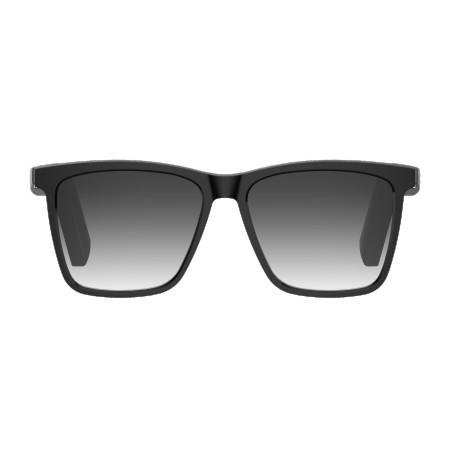
Sports and Fitness Eyewear
Athletes and outdoor enthusiasts constitute a dedicated consumer base for smart sports glasses. These products often feature enhanced durability, secure fit designs, and specialized features like heart rate monitoring or performance tracking. The target audience includes cyclists, runners, hikers, and water sports participants who demand equipment that can withstand demanding conditions.
Durability becomes a key differentiator in this segment. Suppliers should look for manufacturers capable of producing glasses with IPX-rated water resistance, robust frame materials, and scratch-resistant lenses. These features often justify premium pricing and reduce return rates, both of which contribute to long-term profitability on Walmart's marketplace.
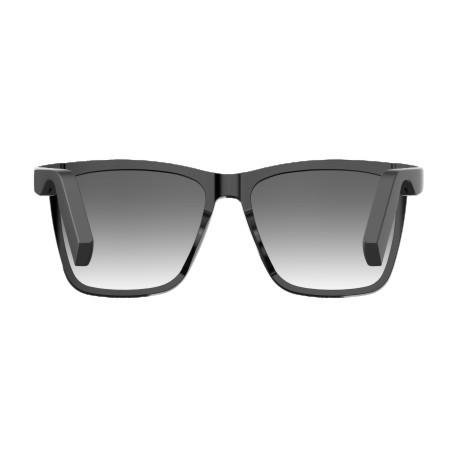
Driving and Everyday Use Smart Glasses
The everyday use category encompasses smart glasses designed for regular consumers rather than specialized athletes. These products often emphasize style, comfort, and versatile functionality. Polarized lenses, blue light filtering, and UV protection represent common value-add features that appeal to mainstream buyers concerned about eye health and visual comfort.
Driving-specific smart glasses have emerged as a notable niche within this category. These products typically incorporate heads-up display elements, navigation prompts, or enhanced visibility features. While more technical than standard sunglasses, they address genuine consumer needs and can command higher average selling prices.
Suppliers entering this space should consider offering multiple style options within a single product line. Frame shapes, colors, and lens options allow retailers to appeal to diverse aesthetic preferences without maintaining separate inventory for entirely different products.
Quality Considerations for Walmart Compliance
Walmart holds marketplace sellers to rigorous standards regarding product quality, safety compliance, and customer satisfaction. Smart glasses sold on the platform must meet applicable regulatory requirements, including proper certification for wireless functionality, battery safety, and material composition.
Working with established manufacturers significantly reduces compliance risk. Experienced factories maintain documentation packages that include necessary certifications, test reports, and compliance declarations. They understand the documentation requirements for different markets and can provide updated certifications as regulations evolve.
Key Quality Factors to Evaluate
- Audio Quality: Speakers and microphone performance directly impact customer satisfaction and review scores.
- Bluetooth Stability: Reliable pairing with smartphones and consistent connectivity across device types builds trust.
- Battery Performance: Real-world battery life should meet or exceed advertised specifications to avoid negative feedback.
- Frame Durability: Hinges, hinges, and overall construction must withstand regular use without premature failure.
- Comfort and Fit: Multiple frame size options or adjustable components improve fit across diverse face shapes.
- Lens Quality: Optical clarity, scratch resistance, and proper UV protection ratings matter for sunglasses categories.
Building Successful OEM/ODM Partnerships
The distinction between OEM (Original Equipment Manufacturing) and ODM (Original Design Manufacturing) partnerships shapes the supplier's approach to product development and differentiation. Each model offers distinct advantages depending on the supplier's capabilities, resources, and competitive strategy.
OEM arrangements involve manufacturers producing products based on specifications provided by the buyer. This approach works well for established brands with specific technical requirements or companies that have developed proprietary designs they want to protect. OEM partnerships require greater upfront investment in product development but offer maximum control over final specifications.
ODM partnerships leverage the manufacturer's existing product designs and technological platforms. This approach accelerates time-to-market and reduces development costs, making it attractive for suppliers testing new categories or operating with limited engineering resources. Many Chinese manufacturers have developed extensive catalogs of smart glasses designs that can be customized with brand-specific colors, logos, and packaging.
Evaluating Potential Manufacturing Partners
Selecting the right manufacturing partner requires careful evaluation across multiple dimensions. Beyond pricing, suppliers should assess production capacity, quality control processes, communication capabilities, and track record with similar products.
Factory visits remain valuable, though many partnerships begin with sample evaluation and gradual scaling. Requesting production samples before committing to larger orders allows suppliers to verify quality claims and assess product suitability for Walmart's marketplace requirements.
Communication efficiency becomes particularly important when managing international manufacturing relationships. Partners who respond promptly to inquiries, provide regular production updates, and proactively address potential issues contribute to smoother operations and fewer surprises during production runs.
Competitive Landscape and Pricing Strategy
Walmart's marketplace operates on principles that favor competitive pricing and strong value propositions. Understanding how to position products within this ecosystem requires analysis of existing competition and realistic assessment of where your offerings can differentiate.
Market Positioning Options
| Positioning | Characteristics | Best For |
|---|---|---|
| Value Leader | Competitive pricing, adequate features, reliable quality | Volume-focused sellers, commodity buyers |
| Feature-Rich Mid-Range | Balanced pricing, differentiated features, strong reviews | Growing sellers building brand recognition |
| Premium Performance | Higher pricing, superior features, quality certifications | Established brands, specialty retailers |
| Niche Specialist | Targeted features for specific use cases | Focused catalogs, dedicated customer bases |
Most successful Walmart smart glasses suppliers find success in the feature-rich mid-range category, where they can differentiate through superior product quality and customer service while maintaining healthy margins. Pure price competition tends to favor larger operators with optimized logistics, making differentiation through quality and service increasingly important for smaller suppliers.
Logistics and Fulfillment Considerations
Efficient fulfillment directly impacts Walmart marketplace performance. The platform's algorithms favor sellers who maintain strong on-time delivery rates and low defect rates. For smart glasses suppliers, this means building reliable supply chains from Chinese manufacturers to your fulfillment operations.
Shipping times from Chinese manufacturers typically range from a few weeks for air freight to several months for sea freight. Suppliers must balance inventory carrying costs against the risk of stockouts. Many successful operators maintain safety stock levels that cover several weeks of projected demand while using faster shipping methods to replenish inventory when necessary.
Understanding Walmart's inventory management recommendations helps suppliers optimize their operations. Maintaining consistent in-stock status, avoiding overselling, and promptly addressing fulfillment issues all contribute to better search ranking and buy box eligibility.
Marketing Your Smart Glasses on Walmart
Product listing optimization represents one of the most impactful investments for Walmart smart glasses sellers. Titles should include relevant keywords while remaining readable and informative. Descriptions need to address common customer questions, highlight key features, and communicate value propositions clearly.
High-quality product imagery significantly influences conversion rates. Multiple angles, lifestyle shots, and close-ups of important details help customers make informed purchasing decisions. For smart glasses specifically, showing the product being worn, highlighting speaker placement, and demonstrating lens quality all contribute to better customer understanding and fewer returns.
Review management deserves ongoing attention. Positive reviews build social proof and improve search visibility, while negative reviews provide valuable feedback about product issues that may need addressing through manufacturing improvements or listing updates. Encouraging satisfied customers to share their experiences accelerates review accumulation.
Looking Ahead: Smart Glasses Market Trends
The smart glasses category continues evolving rapidly. Advances in battery technology, audio processing, and sensor integration create opportunities for suppliers who stay current with technological developments. Augmented reality features, while still emerging, represent an area of potential future growth for the category.
Consumer awareness of smart glasses benefits continues growing, supported by broader marketing efforts from major technology companies entering the space. This increasing awareness translates to larger addressable markets for all sellers in the category, provided they can deliver products meeting rising consumer expectations.
Sustainability considerations are beginning to influence purchasing decisions in the consumer electronics space. Manufacturers who address environmental concerns through recyclable packaging, reduced plastic use, and responsible production practices may find advantages in an increasingly eco-conscious marketplace.
Taking the Next Step
Building a successful smart glasses business on Walmart's marketplace requires strategic thinking, reliable partnerships, and operational excellence. For suppliers ready to explore manufacturing partnerships that can support their marketplace ambitions, establishing communication with experienced smart glasses manufacturers represents a logical next step.
The right manufacturing partner brings more than production capacity. They contribute expertise in product development, quality optimization, and supply chain efficiency that compounds over time. Suppliers who invest in building strong manufacturer relationships often find themselves better positioned to respond to market opportunities and challenges.
Whether you're just beginning to explore the smart glasses category or looking to expand an existing product line, connecting with manufacturers who understand the demands of retail marketplaces like Walmart can accelerate your path to success. The combination of right products, reliable quality, and strategic positioning creates the foundation for sustainable growth in this dynamic category.
Explore our catalog of smart glasses solutions designed to meet the demands of leading retail marketplaces. Our team understands the requirements facing Walmart suppliers and can help you develop products that perform in competitive environments.
