
Posted At: Jul 07, 2026 - 2,494 Views

The smart glasses market is experiencing unprecedented growth, with industry analysts projecting compound annual growth rates exceeding 25% through the next decade. For entrepreneurs and established businesses alike, this represents a golden opportunity to establish presence in a category that sits at the intersection of fashion, technology, and everyday utility. Building a successful smart glasses retail business requires more than just identifying a supplier—it demands strategic thinking, market understanding, and partnerships that can scale alongside your ambitions.
Understanding the Smart Glasses Market Opportunity
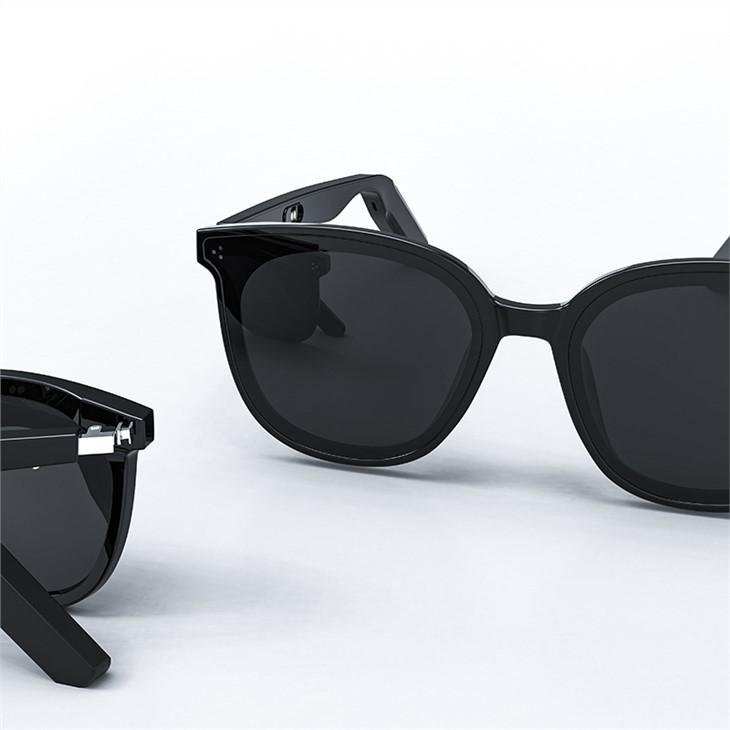
Before diving into logistics and sourcing, successful smart glasses retailers understand the landscape they are entering. The category has evolved far beyond early experimental devices. Today's smart glasses serve distinct purposes: audio sunglasses for music lovers and commuters, heads-up display units for professionals, sports-focused wearables for cyclists and runners, and fashion-forward options that prioritize style without sacrificing functionality.
Market research reveals that consumers are increasingly willing to invest in wearables that integrate seamlessly into their daily routines. The key differentiator between successful retailers and those who struggle lies in product selection aligned with target customer needs. Audio travel bluetooth sunglasses cater to travelers seeking entertainment without headphones, while Fishing call sunglasses address niche outdoor enthusiasts requiring hands-free communication.
Defining Your Business Model
Your smart glasses retail business plan must clearly establish which model aligns with your resources and market positioning. Each approach carries distinct advantages, capital requirements, and operational complexities.
Wholesale Distribution: Purchasing inventory at volume discounts and reselling to retailers offers lower risk but slimmer margins. This model works well for established distribution networks with existing retail relationships.
Direct-to-Consumer E-commerce: Selling through your own online store maximizes profit margins but requires significant marketing investment and customer acquisition expertise. This approach demands patience as you build brand recognition and organic traffic.
Private Label / White Label: Partnering with manufacturers to create branded products allows complete control over positioning and pricing. This is where OEM partnerships become critical—finding a factory capable of delivering consistent quality while accommodating your specific requirements separates thriving private label businesses from those who struggle with quality control issues.
B2B / Enterprise Sales: Supplying smart glasses to businesses for corporate gifts, promotional campaigns, or operational use creates bulk orders and stable revenue streams. Enterprise clients prioritize reliability and customization options, making manufacturing partner capabilities essential.
The Critical Role of OEM/ODM Manufacturing Partnerships
For most smart glasses retailers, the choice of manufacturing partner determines business viability. China remains the global hub for electronics manufacturing, and finding the right OEM/ODM partner can accelerate your time-to-market while reducing capital requirements.
When evaluating potential manufacturing partners, consider these non-negotiable factors:
- Production Capacity: Can the manufacturer scale alongside your growth? A partner maxed out at 1,000 units monthly cannot support a business that suddenly requires 10,000 units for a corporate order.
- Quality Certification: Look for facilities with CE, FCC, and RoHS certifications. These aren't bureaucratic boxes to check—they indicate manufacturing processes that produce reliable, safe products.
- Customization Capabilities: Your product line needs to stand apart from competitors. Does the manufacturer offer genuine customization across frame styles, lens options, audio components, and branding elements?
- Sample Development Process: Before committing to production runs, you need working prototypes. Understanding the sample timeline and associated costs reveals much about a manufacturer's operational maturity.
- Communication and Transparency: Time zone differences and language barriers cause countless supply chain failures. Partners who provide clear communication channels and regular updates prevent costly misunderstandings.
Financial Planning for Smart Glasses Retail
Realistic financial projections separate credible business plans from wishful thinking. Your initial investment requirements break down into several categories:
| Cost Category | Entry Level (USD) | Growth Stage (USD) | Professional (USD) |
|---|---|---|---|
| Initial Inventory (100-500 units) | $10,000 - $25,000 | $50,000 - $100,000 | $200,000+ |
| Custom Branding/ Tooling | $3,000 - $8,000 | $10,000 - $25,000 | $50,000+ |
| E-commerce Platform Setup | $500 - $3,000 | $5,000 - $15,000 | $25,000+ |
| Marketing (First 6 Months) | $3,000 - $10,000 | $20,000 - $50,000 | $100,000+ |
| Working Capital Buffer | $5,000 - $10,000 | $25,000 - $50,000 | $100,000+ |
These figures illustrate why starting lean and scaling based on validated demand often proves more successful than massive upfront investments. Many successful smart glasses retailers began with modest inventory orders, used dropshipping for initial testing, and reinvested profits into larger production runs as they validated product-market fit.
Product Selection Strategy
The breadth of smart glasses categories available through manufacturing partners offers both opportunity and challenge. Trying to serve every market segment dilutes your brand and complicates operations. Instead, successful retailers focus on specific niches where they can establish expertise and loyal customer bases.
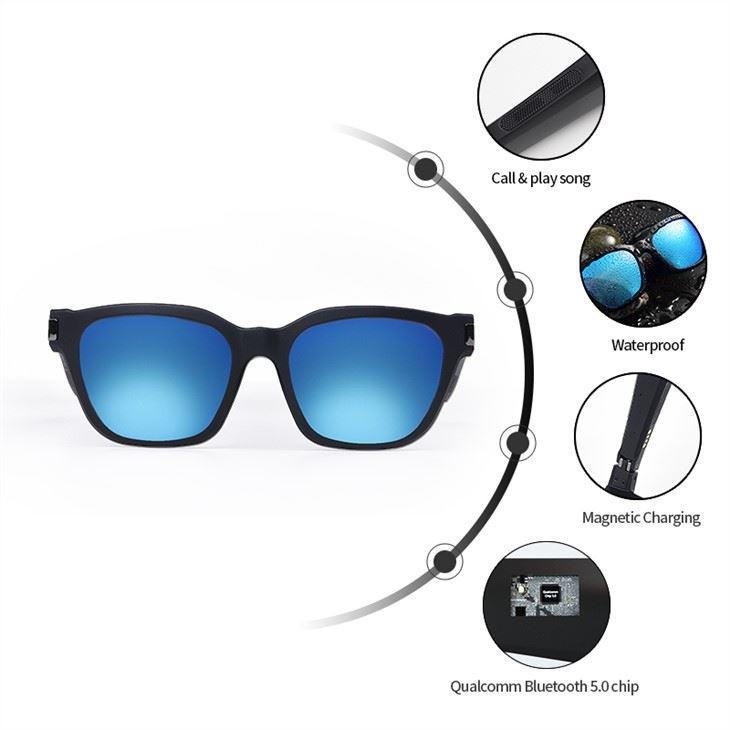
Sports and Outdoor Enthusiasts: Cyclists, runners, and anglers represent a passionate demographic willing to pay premium prices for products that enhance their activities. Cycling sunglasses with integrated audio and calling capabilities tap directly into this market's needs. These customers research extensively, value performance specifications, and provide valuable word-of-mouth marketing within their communities.
Urban Commuters and Professionals: The daily commute represents significant time where smart glasses offer genuine utility. Audio sunglasses that let commuters listen to podcasts or take calls without isolating them from environmental awareness solve real problems. This market segment prioritizes style alongside functionality—they want technology that looks good, not like obvious tech gear.
Fashion-Conscious Early Adopters: Some customers want smart glasses primarily as style statements with functional benefits. These buyers are influenced by aesthetics, brand storytelling, and exclusivity. For this segment, customization options and limited edition releases create perceived value that supports premium pricing.
Building Your Brand in the Smart Glasses Space
With numerous competitors entering the market, brand differentiation determines long-term survival. Your brand story, visual identity, and customer experience must work together to create memorable impressions that translate into loyal customers.
Start with authentic positioning. Rather than claiming to be "the most innovative company in wearables," identify specific problems you solve for specific people. "Premium audio sunglasses for urban cyclists who refuse to choose between safety and soundtrack" communicates value instantly. This specificity attracts the right customers while naturally repelling those who wouldn't be satisfied anyway.
Visual consistency across all touchpoints reinforces brand recognition. From packaging design to social media graphics to your website interface, every visual element should reflect your positioning. Premium products deserve premium presentation—customers infer quality from packaging and unboxing experiences.
Legal and Compliance Considerations
Entering the electronics retail space brings regulatory obligations that cannot be ignored. Products must meet safety and electromagnetic standards in every market where you sell. In the European Union, CE marking is mandatory; in the United States, FCC compliance applies to wireless devices. Selling in multiple regions requires understanding varying requirements and budgeting for region-specific certifications.
Intellectual property protection deserves attention from day one. Register trademarks in relevant markets before launching. Work with manufacturing partners who respect intellectual property—reputable factories understand that client designs belong to clients and maintain appropriate confidentiality.
Marketing Strategy for B2B and B2C
Reaching business buyers differs fundamentally from consumer marketing. B2B sales cycles are longer, involve multiple stakeholders, and prioritize reliability over novelty. When targeting corporate clients, emphasize your manufacturing partner's certifications, production capacity documentation, and warranty support. Decision-makers in companies need to feel confident that their investment will deliver consistent results.
Consumer marketing offers more creative latitude. Social media platforms, particularly Instagram and TikTok, drive significant smart glasses sales through lifestyle content rather than technical specifications. User-generated content from real customers proves more persuasive than polished advertisements. Consider influencer partnerships with micro-influencers in your target niches—authentic recommendations from trusted voices outperform corporate messaging.
Scaling Your Smart Glasses Business
Growth creates its own challenges. Increased order volumes stress supply chains, customer service operations, and financial resources simultaneously. Preparing for scale before it becomes necessary prevents the operational crises that derail promising businesses.
Secure manufacturing commitments that include capacity flexibility. As your volumes increase, unit costs should decrease—but only if your production partner can handle larger runs without quality degradation. Maintain relationships with backup manufacturers as insurance against capacity constraints or geopolitical disruptions.
Invest in systems that scale efficiently. E-commerce platforms like Shopify handle order management, inventory tracking, and customer communication as volumes grow. Customer service tools like Zendesk maintain response quality as inquiry volume increases. Building on robust platforms from the start avoids costly migrations later.
Taking the Next Step
Building a successful smart glasses retail business requires balancing vision with pragmatism, ambition with operational discipline. The market opportunity is genuine, but execution determines outcomes. Your manufacturing partnership foundation shapes everything downstream—product quality, margin potential, and ability to scale all trace back to this critical relationship.
Whether you're ready to explore custom smart glasses production or need guidance selecting from existing product lines, understanding your options fully enables better decisions. Take time to evaluate manufacturers thoroughly, request samples from multiple partners, and verify that your chosen factory's capabilities align with your business trajectory.
The smart glasses industry rewards those who approach it professionally—businesses built on solid fundamentals, realistic planning, and genuine understanding of customer needs. Your next step starts with finding the right manufacturing partner to transform your vision into market reality.
