
Posted At: Apr 03, 2026 - 3,722 Views

The fitness industry witnesses a predictable surge every January as millions commit to New Year resolutions centered on health and wellness. Yet the landscape of how consumers pursue these goals has shifted dramatically. Smart glasses have emerged as a game-changing wearable category, combining hands-free functionality with real-time data tracking, audio guidance, and seamless smartphone integration. For B2B buyers, distributors, and brands, this represents a compelling market opportunity that aligns perfectly with the annual fitness resolution wave.
Why Smart Glasses Fit Perfectly Into Fitness Resolutions
Traditional fitness wearables like smartwatches and fitness bands have dominated the market for years. Smart glasses offer distinct advantages that address common pain points consumers experience during their fitness journeys. The hands-free nature of glasses means runners, cyclists, and gym-goers can access navigation, music, coaching cues, and performance metrics without breaking their stride or fumbling with wrist-mounted devices.
Consumer behavior research consistently shows that fitness resolution makers gravitate toward products offering convenience and instant gratification. Smart glasses deliver both by eliminating the need to constantly glance at a watch or phone. When someone is halfway through a challenging HIIT session and needs breathing cues or interval timers, smart glasses can display this information directly in their field of vision.
The social acceptance factor has also improved significantly. Modern smart glasses designs resemble standard athletic sunglasses or casual eyewear, making them appropriate for outdoor activities, gym environments, and even everyday wear. This versatility appeals to consumers who want one device serving multiple purposes rather than specialized equipment for specific activities.
Key Features B2B Buyers Should Prioritize
When evaluating smart glasses for fitness applications, certain features consistently drive consumer satisfaction and repeat usage. Understanding these priorities helps B2B buyers communicate effectively with manufacturers about product specifications.
Audio Quality and Directional Sound
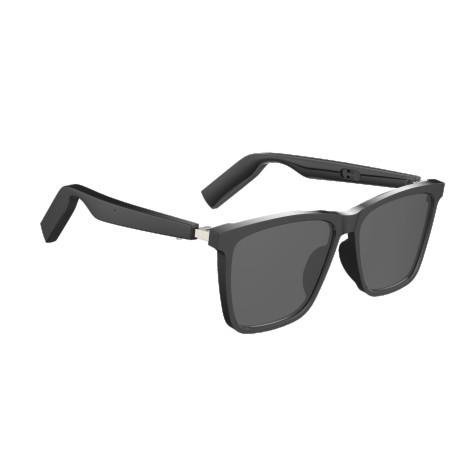
Music motivation makes or breaks workout sessions for many fitness enthusiasts. Smart glasses with high-quality bone conduction or directional audio speakers allow users to listen to playlists, podcasts, or coaching apps without isolating them from environmental sounds—a critical safety feature for outdoor exercisers. Brands should seek manufacturers capable of delivering clear, rich audio output that can cut through the ambient noise of gyms or busy streets.
Battery Life and Charging Convenience
Fitness routines don't pause for charging. Consumers expect smart glasses to last through extended workout sessions—typically 4-8 hours of active use—and preferably survive multiple days without requiring a charge. B2B buyers should specify battery capacity requirements clearly and request sample testing to verify manufacturer claims against real-world performance.
Comfort and Secure Fit
Glasses that slip, bounce, or create pressure points get abandoned quickly. For fitness applications, frame materials like lightweight TR-90 nylon, flexible titanium components, and adjustable nose pads become essential. The weight distribution must accommodate movement without shifting. Working with experienced manufacturers ensures proper ergonomic engineering rather than adapting generic frame designs.
Lens Options and UV Protection
Fitness happens outdoors as much as indoors. Smart sunglasses targeting this market should offer polarized lenses with adequate UV protection, interchangeable lens options for different light conditions, and prescription lens compatibility for users who need vision correction. This modularity increases market reach significantly.
Market Trends Driving Demand
The smart glasses market has experienced substantial growth, with the fitness segment showing particularly strong momentum. Several converging factors explain this trajectory and suggest continued expansion through 2025 and beyond.
Rise of Audio-First Fitness
Peloton, Apple Fitness+, Strava, and similar platforms have trained millions of consumers to rely on audio coaching and motivation during workouts. Smart glasses represent the natural evolution of this audio-first fitness experience, freeing users from headphones that can feel isolating or uncomfortable during high-impact movements. The global fitness audio market's growth directly correlates with smart glasses adoption rates.
Smartphone Integration Maturation
Modern smart glasses pair seamlessly with smartphones, accessing apps, notifications, and data without requiring standalone functionality for every feature. This integration reduces per-unit costs while expanding capabilities—consumers get smart glasses that work with their existing fitness apps and ecosystem investments. B2B buyers should prioritize manufacturers offering robust Bluetooth connectivity and comprehensive app compatibility.
Health Monitoring Expectations
Consumers increasingly expect wearable devices to track health metrics beyond basic step counts. Heart rate monitoring, blood oxygen sensing, calorie estimation, and workout recognition are becoming baseline expectations. Smart glasses manufacturers capable of integrating these sensors while maintaining comfort and battery life will capture the most market share.
Sourcing Smart Glasses Through OEM/ODM Manufacturing
Partnering with the right manufacturer determines whether B2B buyers can successfully capitalize on these market opportunities. China remains the global hub for smart glasses production, offering advantages in component sourcing, manufacturing expertise, and cost efficiency. However, navigating this landscape requires understanding the distinctions between OEM and ODM approaches.
OEM Manufacturing
Original Equipment Manufacturer partnerships involve developing products from the ground up based on buyer specifications. This approach suits brands with proprietary designs, exclusive feature requirements, or established product roadmaps requiring strict confidentiality. OEM relationships typically involve higher minimum order quantities and longer development timelines but result in uniquely differentiated products.
ODM Manufacturing
Original Design Manufacturer partnerships leverage existing product platforms and design frameworks. Buyers select from catalog options and customize through branding, minor specifications, and packaging changes. ODM arrangements reduce time-to-market significantly and lower initial investment requirements, making them ideal for testing market demand or expanding product lines quickly.
For B2B buyers entering the smart glasses market or scaling existing offerings, ODM partnerships often provide the optimal balance of customization and efficiency. The ability to quickly establish product presence without extensive R&D investment enables faster response to seasonal demand patterns—including the New Year fitness resolution peak.
Quality Assurance Considerations
Product quality directly impacts brand reputation, return rates, and customer lifetime value. B2B buyers must establish rigorous quality protocols when sourcing smart glasses, particularly for fitness applications where device failure during workouts creates user frustration and potential safety concerns.
Component Verification
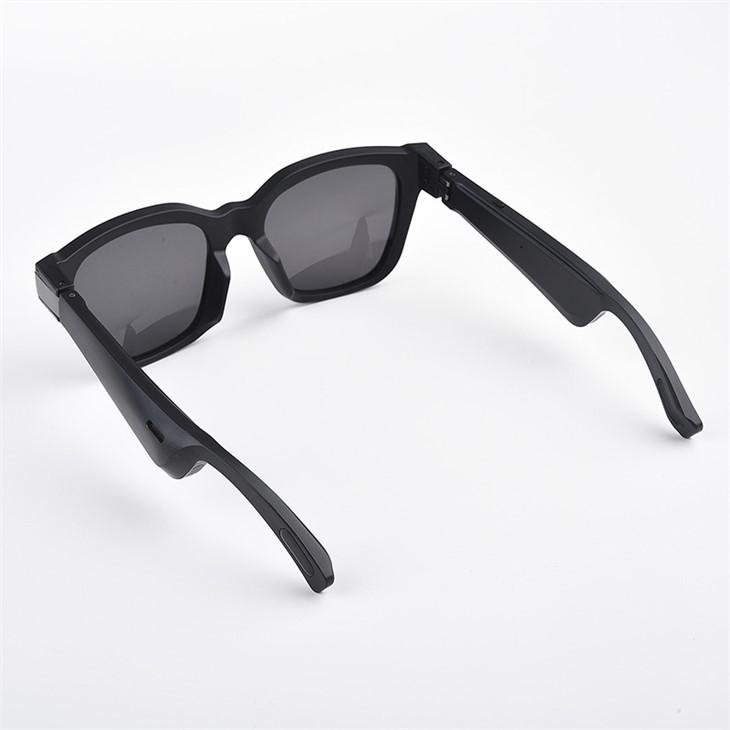
Smart glasses contain multiple electronic components—speakers, microphones, sensors, batteries, Bluetooth modules—each sourced from different suppliers. Experienced manufacturers maintain relationships with verified component vendors and conduct incoming inspection to prevent defective parts from entering assembly. Buyers should request documentation of these processes and component specifications.
Durability Testing
Fitness environments stress devices through sweat exposure, temperature variations, physical impact, and repeated movement. Products should undergo sweat resistance testing, drop testing, hinge cycle testing, and temperature cycling validation. Requesting test reports or conducting independent lab testing protects buyers from receiving products that fail prematurely in real-world use.
Audio Performance Validation
Since audio quality significantly impacts fitness user experience, acoustic testing becomes essential. Frequency response, maximum volume levels, and sound leakage measurements ensure the delivered product matches intended specifications. Some buyers commission third-party audio engineering validation to verify manufacturer claims.
Inventory Planning for Seasonal Demand
The fitness resolution phenomenon creates predictable demand spikes that require strategic inventory planning. B2B buyers who prepare for these patterns capture peak-season sales while avoiding excess inventory during slower periods.
Timeline Considerations
Consumer purchasing typically peaks in December (gift buying and early commitment) and January (resolution-driven buying). Production and shipping lead times from China average 4-8 weeks for standard orders, with longer timelines for custom specifications. Buyers targeting these peak periods should place orders by October or November at the latest.
| Timeline | Activity | Purpose |
|---|---|---|
| August-September | Sample ordering and approval | Validate product quality and specifications |
| October-November | Production order placement | Allow manufacturing and shipping time |
| December | Inventory arrival and distribution | Capture holiday and early-resolution buying |
| January-February | Secondary marketing push | Capitalize on active resolution period |
This timeline allows for quality issues discovered during sampling to be addressed before committing to full production runs. Rushing this process typically results in compromised quality or missed market windows.
Differentiation Strategies for B2B Buyers
The smart glasses market attracts increasing competition, making product and brand differentiation essential for sustainable success. B2B buyers should consider multiple differentiation angles when developing their product strategies.
Targeted Use Case Focus
Rather than pursuing the general fitness market broadly, successful brands often focus on specific activities—marathon training, cycling, gym workouts, or outdoor adventures. Products optimized for particular use cases through accessories (additional lens options, secure-fit modifications) and marketing positioning command stronger loyalty within their niches.
App Ecosystem Integration
Partnerships with popular fitness apps create value beyond hardware. Smart glasses that integrate natively with training platforms, running apps, or meditation guides offer users a complete ecosystem rather than isolated functionality. Some manufacturers support custom app development or API integration as part of their service offerings.
Subscription and Service Models
Hardware combined with subscription services—coaching subscriptions, training plans, analytics dashboards—creates recurring revenue and higher customer lifetime value. B2B buyers working with flexible manufacturers can explore hardware-plus-service bundled offerings that differentiate from pure hardware competitors.
Building Long-Term Manufacturing Partnerships
Initial product success depends heavily on finding capable manufacturing partners. However, sustainable business growth requires building relationships that evolve beyond transactional exchanges. Long-term manufacturing partners understand your brand evolution, anticipate your needs, and invest in capabilities aligned with your roadmap.
Communication and Transparency
Effective partnerships thrive on clear communication channels, regular status updates, and honest problem-solving when issues arise. Manufacturers willing to provide direct access to production teams, offer video updates, and proactively communicate challenges demonstrate the transparency essential for successful long-term collaboration.
Continuous Improvement Culture
Product lines require ongoing refinement based on user feedback, market changes, and competitive evolution. Manufacturing partners who suggest improvements, flag potential issues before they become problems, and invest in process improvements contribute value beyond basic production services.
Capacity and Scalability
Initial order volumes rarely reflect long-term potential. B2B buyers should evaluate manufacturers' capacity to scale production as demand grows. Partners capable of increasing output without sacrificing quality or requiring complete revalidation of processes enable smoother growth trajectories.
Conclusion
The intersection of New Year fitness resolutions and smart glasses technology creates compelling opportunities for B2B buyers positioned to serve this market. Success requires understanding consumer priorities, sourcing quality products through capable manufacturing partners, and executing inventory and marketing strategies aligned with seasonal demand patterns.
The fitness wearables category continues evolving, with smart glasses positioned to capture increasing share as technology improves, prices decrease, and consumer awareness grows. Brands establishing presence now build foundations for sustainable growth as this category matures.
Partnering with an experienced smart glasses manufacturer streamlines your path to market while ensuring product quality that protects brand reputation. Whether you need standard products quickly or custom development for unique market positioning, exploring your manufacturing options now positions your business to capture the fitness resolution opportunity.
Ready to explore smart glasses manufacturing for your fitness-focused product line?
Discover our smart glasses collection featuring audio sunglasses designed for active lifestyles. Our team supports B2B buyers through OEM and ODM partnerships, from initial concept through production and delivery. Browse outdoor sports models built for runners, cyclists, and fitness enthusiasts who demand performance from their wearables.
