
Posted At: May 18, 2026 - 1,660 Views

The African continent stands at a pivotal moment in its technological evolution. With over 1.4 billion people, rapidly expanding urban centers, and a median age of just 19 years, Africa presents a compelling market for next-generation wearable technology. Smart glasses, once considered a niche product reserved for developed markets, are now gaining meaningful traction across the continent's key economies.
For B2B buyers, distributors, and brands seeking competitive manufacturing partnerships, understanding Africa's unique market dynamics has become essential. The intersection of mobile-first consumer behavior, growing disposable incomes in urban areas, and increasing digitalization initiatives creates fertile ground for smart glasses adoption across multiple segments.
Market Drivers and Growth Catalysts
Several converging factors are accelerating smart glasses market development across Africa. Mobile connectivity serves as the foundation for this growth. With smartphone penetration rates exceeding 70% in South Africa, Nigeria, Kenya, and Ghana, the continent has skip-stepped traditional computing paradigms and embraced mobile-first lifestyles. This mobile infrastructure provides the essential backbone for smart glasses functionality, from audio streaming to hands-free communication.
Economic growth in key markets contributes significantly to rising consumer electronics spending. Nigeria's technology hub in Lagos, Kenya's Silicon Savannah initiatives, and South Africa's established retail infrastructure all demonstrate the continent's readiness for premium wearable technology. The growing African middle class, estimated at over 350 million people, represents a substantial addressable market for smart glasses products.
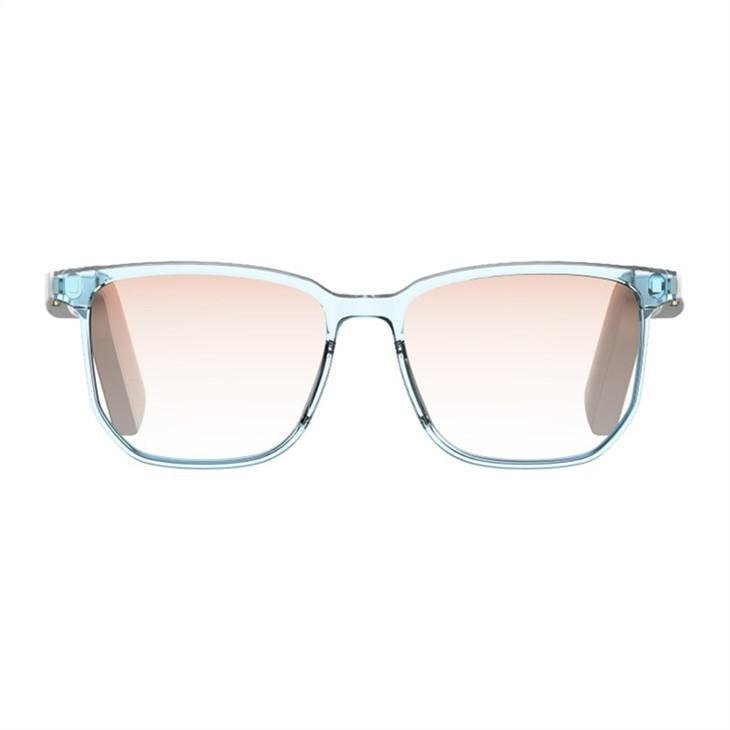
Climate conditions across much of Africa create natural demand for certain smart glasses categories. Intense sunlight, dusty environments, and outdoor-centric lifestyles drive demand for smart eye protection sunglasses that combine UV protection with integrated audio capabilities. This climatic advantage positions Africa as a particularly strong market for smart sunglasses and outdoor-focused designs.
Regional Market Dynamics
Africa's smart glasses market varies significantly across regions. Southern Africa, led by South Africa, represents the most developed retail environment with established electronics distribution channels and higher average consumer purchasing power. South African consumers demonstrate strong interest in premium wearable technology, making it an ideal launch market for new smart glasses products entering the continent.
East Africa presents unique opportunities through Kenya's technology-forward ecosystem. Nairobi has emerged as a startup hub with significant venture capital investment, creating a consumer base accustomed to early technology adoption. The region's growing tourism industry also generates demand for specialized smart glasses products designed for safari experiences, wildlife observation, and outdoor adventure activities.
West Africa, anchored by Nigeria's massive population of over 200 million people, offers scale potential that few markets can match. Nigerian consumers show strong appetite for audio-related technology products, with music streaming services and podcast consumption growing rapidly. This audio-centric consumer behavior creates natural demand for bluetooth audio sunglasses that combine fashion, eye protection, and immersive sound experiences.
Consumer Segments and Use Cases
African smart glasses adoption clusters around several key consumer segments. Young urban professionals represent the primary early adopter demographic. These consumers, typically aged 18-35, live in major metropolitan areas, own smartphones, and actively seek technology products that enhance their lifestyle. They use smart glasses for commuting, exercising, social activities, and professional communication.
The fitness and outdoor enthusiast segment demonstrates strong demand for smart sports glasses. Running, cycling, and outdoor training activities are increasingly popular across African cities, driving interest in waterproof sports polarized glasses with integrated audio capabilities. This segment values durability, weather resistance, and secure fit during physical activities.
Commercial and professional applications present additional market opportunities. Delivery riders, field workers, logistics personnel, and safety-conscious industries can benefit from hands-free communication devices disguised as fashionable eyewear. The informal sector, which employs a significant portion of Africa's workforce, offers unexpected opportunities for smart glasses products that enhance productivity and safety.
Distribution Landscape and Market Entry Strategies
Understanding Africa's distribution ecosystem is critical for successful market entry. Traditional retail remains important, particularly for consumer electronics. South Africa has established mall-based retail networks, while Nigeria and Kenya rely heavily on organized informal retail and specialty electronics shops. These physical retail channels remain essential for consumer education and product demonstration.
E-commerce has experienced explosive growth across the continent, accelerated significantly by improved mobile payment systems and logistics infrastructure expansion. Jumia, Kilimall, and other regional e-commerce platforms provide direct-to-consumer channels that can reduce distribution complexity. However, last-mile delivery challenges in rural areas and cash-on-delivery preferences create operational considerations.
Partnership models with local distributors and brand ambassadors have proven effective for technology product launches in African markets. Local partners provide valuable market knowledge, established customer relationships, and cultural insights that international brands often lack. For smart glasses products, these partnerships can include local customization, language adaptation for instructions and apps, and after-sales support infrastructure.
Price Sensitivity and Product Positioning
Price remains a critical factor in African consumer electronics markets. While the premium segment exists, most smart glasses buyers seek products that deliver strong value proposition at accessible price points. Successful market entrants typically position products in the mid-range category, offering essential smart features without premium pricing that limits market size.
Feature prioritization differs from Western markets. Battery life takes on heightened importance given inconsistent power infrastructure in some regions. Durability becomes essential for products that must withstand active lifestyles and less-than-gentle handling. Compatibility with budget and mid-range smartphones ensures broader market accessibility.
Financing and installment payment options have become increasingly important for premium technology purchases. Mobile lending platforms and buy-now-pay-later services provide consumers with purchasing power that traditional credit systems do not extend. Smart glasses products that integrate with these financing options may gain competitive advantage in market penetration.
Competitive Landscape and Local Adaptation
Global technology brands have begun exploring African market opportunities, creating both competition and market development benefits. Established brands bring marketing resources and brand recognition, while local adaptation often remains insufficient. This gap creates opportunities for brands willing to invest in understanding African consumer preferences and developing products accordingly.
Local adaptation extends beyond product features to marketing, packaging, and customer experience considerations. Products marketed in Africa benefit from messaging that resonates with local aspirations, social contexts, and use cases. Packaging that considers gifting culture, which holds significant importance across many African societies, can enhance product appeal during holiday seasons and special occasions.
After-sales service and warranty support represent critical competitive differentiators. Consumers who have experienced difficulties obtaining support for imported electronics actively seek brands that provide accessible service options. Building service partnerships with local repair shops and authorized support centers can significantly enhance brand perception and customer loyalty.
Why Partner with Chinese Smart Glasses Manufacturers
Chinese manufacturing capabilities position the country as the global hub for smart glasses production, offering compelling advantages for brands targeting African markets. Advanced audio and optics integration capabilities enable production of sophisticated products at competitive price points that match African market requirements. Chinese manufacturers have developed extensive experience with the specific technologies that smart glasses require, including bone conduction audio, directional speakers, Bluetooth connectivity, and polarized lens integration.
OEM and ODM manufacturing partnerships provide flexibility for brands at various stages of market development. Established manufacturers like those in our network offer comprehensive services from concept development to mass production, enabling brands to bring products to market efficiently without building internal manufacturing capabilities. This manufacturing partnership model allows brands to focus on market development and distribution while leveraging proven production expertise.
Supply chain integration and component sourcing represent additional advantages of Chinese manufacturing partnerships. Component suppliers for displays, batteries, speakers, and optical elements cluster near major manufacturing centers, enabling cost optimization and quality control that isolated manufacturing operations cannot match. This ecosystem efficiency translates into competitive pricing that supports African market penetration strategies.
Strategic Recommendations for Market Entry
Brands considering African market entry should approach with realistic timelines and resource allocation. Market development requires patience and sustained investment. Initial focus on key markets with favorable retail infrastructure, such as South Africa and Kenya, provides learning opportunities before broader continental expansion. Success in these anchor markets builds case studies and operational experience that facilitate subsequent market entries.
Product selection should align with demonstrated market demand rather than aspirational positioning. Starting with proven product categories, such as smart sunglasses and audio glasses, reduces market education burden and enables faster revenue generation. These products address clear consumer needs while providing margins that support distribution development and marketing investment.
Building local partnerships before launch enables smoother market entry. Identifying and developing relationships with distributors, retailers, and service providers establishes the operational foundation that products require for successful market presence. These partnerships often develop organically through industry events, trade shows, and direct outreach to established market participants.
Looking Forward: Africa's Smart Glasses Future
The trajectory of Africa's smart glasses market points toward sustained growth driven by favorable demographic trends, expanding digital infrastructure, and increasing consumer technology adoption. As 5G networks roll out across major African cities, the connected device ecosystem that enables sophisticated smart glasses functionality will expand significantly, potentially accelerating mainstream adoption.
Local innovation and adaptation will shape market development in ways that global brands cannot achieve alone. African entrepreneurs and developers are already exploring applications specific to local contexts, from agricultural information systems to urban navigation tools. These localized use cases will drive demand patterns that differ from developed markets, creating opportunities for manufacturers and brands that understand and respond to African-specific requirements.
Manufacturing partnerships today establish market positions for tomorrow. Brands that invest in understanding African markets, developing appropriate products, and building distribution relationships now will hold advantages as the market matures. The smart glasses opportunity in Africa is not hypothetical future potential but present-day market reality that rewards proactive engagement.
If you are exploring smart glasses market opportunities in Africa, connecting with experienced manufacturing partners who understand both production capabilities and market requirements can accelerate your go-to-market strategy. The combination of Chinese manufacturing excellence with African market insights creates a powerful foundation for success in this emerging frontier.
Ready to explore manufacturing partnership opportunities for the African market? Our team connects B2B buyers with qualified smart glasses manufacturers offering OEM and ODM services. Discuss your product requirements and market expansion plans with our specialists today.
