
Posted At: Jul 10, 2026 - 1,977 Views

The industrial maintenance landscape is experiencing a significant transformation driven by wearable technology. Smart glasses for technicians have moved from experimental concepts to essential tools in modern maintenance operations, offering unprecedented capabilities for hands-free diagnostics, remote collaboration, and real-time information access. For B2B buyers, distributors, and brands exploring Bluetooth smart glasses solutions, understanding the intersection of wearable technology and industrial maintenance has become critical for staying competitive in today's rapidly evolving manufacturing sector.
Maintenance technicians traditionally relied on clipboards, paper manuals, and physical inspection to diagnose and repair equipment. These conventional methods often resulted in extended downtime, communication bottlenecks, and inconsistent repair quality. The introduction of smart glasses in maintenance workflows has fundamentally altered this paradigm, enabling technicians to access digital information while keeping their hands free for actual repair work. This shift represents more than incremental improvement—it signals a fundamental reimagining of how industrial maintenance operates in the connected age.
Understanding Smart Glasses Technology for Industrial Applications
Modern smart glasses designed for maintenance applications incorporate several advanced technologies that make them particularly valuable in industrial environments. These devices typically feature high-resolution displays positioned in the peripheral or direct field of vision, enabling technicians to view schematics, procedural guides, and diagnostic data without looking away from their work. The integration of Bluetooth connectivity allows seamless communication with backend systems, inventory databases, and remote experts located anywhere in the world.
Camera systems embedded in these devices serve dual purposes: capturing visual documentation of maintenance activities and enabling real-time video streaming for remote assistance scenarios. When a technician encounters an unfamiliar issue, they can stream their point-of-view directly to a senior engineer or manufacturer support specialist who can provide guidance overlaid on the technician's visual field. This capability dramatically reduces the time required to resolve complex issues and eliminates the need for costly on-site specialist visits. The Bluetooth call glasses technology exemplifies this integration, combining communication capabilities with hands-free operation essential for maintenance workflows.
Beyond communication features, industrial smart glasses increasingly incorporate augmented reality overlays that can highlight components, display measurement values, and guide technicians through step-by-step repair procedures. These AR capabilities transform static technical documentation into dynamic, contextual guidance that appears exactly where and when needed. For equipment manufacturers and maintenance service providers, this translates directly into reduced training times for new technicians and more consistent repair outcomes across distributed operations.
Key Benefits of Implementing Smart Glasses in Maintenance Operations
The business case for deploying smart glasses in maintenance operations rests on measurable improvements across several critical performance metrics. First and foremost, these devices significantly reduce equipment downtime by enabling faster diagnosis and repair. When a critical production line experiences failure, every minute of downtime carries substantial financial implications. Smart glasses allow on-site technicians to immediately connect with remote experts, access relevant documentation, and proceed with repairs guided by real-time AR overlays—all without the delays traditionally associated with waiting for specialized support.
Knowledge preservation represents another compelling benefit that resonates strongly with B2B decision-makers. Industrial organizations invest heavily in training maintenance personnel, yet experienced technicians eventually retire, taking accumulated expertise with them. Smart glasses with recording capabilities capture institutional knowledge during actual maintenance activities, creating a growing library of reference material for training and documentation purposes. New technicians can learn from recorded procedures, understanding not just what to do but how experienced professionals approach complex repairs in specific contexts.
Quality consistency improves substantially when maintenance procedures are delivered through smart glasses interfaces. Rather than relying on technicians to interpret written procedures from memory, AR-guided workflows present information directly in the work environment, highlighting correct components, displaying torque specifications, and confirming completion of each step before proceeding. This approach minimizes the errors that commonly occur when technicians work from memory or interpret documentation differently than intended. Organizations implementing these systems report significant reductions in repair callbacks and warranty claims related to improper installation or incomplete procedures.
Cost Analysis and ROI Considerations for B2B Buyers
For procurement professionals and operations managers evaluating smart glasses investments, understanding the total cost of ownership and potential return on investment requires careful analysis of both direct and indirect cost factors. Direct costs include device acquisition, software licensing, infrastructure integration, and ongoing support. However, the more significant financial impact typically emerges from operational improvements: reduced downtime, decreased travel costs for specialist support, lower training expenses, and improved first-time fix rates.
When calculating ROI, organizations should consider the specific maintenance scenarios where smart glasses deliver the greatest value. Complex equipment repairs, geographically distributed operations, and environments requiring specialized expertise all represent high-value use cases where the investment delivers returns within months rather than years. The multifunctional smart glasses available through OEM partnerships offer scalable solutions that can be deployed across diverse maintenance scenarios while maintaining cost efficiency through volume manufacturing advantages.
Evaluating Smart Glasses Specifications for Maintenance Environments
Not all smart glasses are created equal when it comes to demanding maintenance applications. B2B buyers must carefully evaluate several technical specifications to ensure selected devices will perform reliably in industrial conditions. Display quality deserves particular attention, as technicians need to read technical information accurately regardless of ambient lighting conditions. High brightness displays become essential in outdoor maintenance scenarios or facilities with significant natural light, while contrast ratios affect readability when viewing information overlaid on actual equipment components.
Battery life represents a critical consideration for maintenance workflows that may extend throughout entire shifts or require continuous operation during extended repair procedures. Look for devices offering hot-swappable battery options or sufficient capacity to last through typical work periods without recharging. Additionally, consider the charging infrastructure required and how device management systems will maintain fleet availability across multiple technicians and shift schedules. The ruggedization of smart glasses should match the environmental conditions they will encounter, including dust resistance, water protection ratings, and ability to withstand the occasional impacts and vibrations inherent in maintenance environments.
Comfort and ergonomics significantly influence adoption rates among maintenance technicians who may wear these devices for extended periods. Weight distribution, frame adjustability, and compatibility with safety glasses or other personal protective equipment all affect whether technicians will consistently use the devices as intended. Poor ergonomic design leads to device abandonment, undermining the return on investment regardless of technical capabilities. Successful deployments typically involve pilot programs where technicians provide feedback on comfort and usability before broader rollout across maintenance operations.
Integration Requirements for Enterprise Maintenance Systems
Smart glasses deliver maximum value when integrated with existing maintenance management systems, enterprise resource planning platforms, and knowledge management databases. B2B buyers should evaluate how potential smart glasses solutions connect with their current technology stack, including computerized maintenance management systems (CMMS), inventory management solutions, and collaboration platforms. The integration architecture determines whether technicians will need to switch between multiple devices or applications, which directly impacts workflow efficiency and adoption success.
Modern smart glasses platforms typically offer application programming interfaces that enable custom integration development, allowing organizations to tailor the information presented to specific equipment types, maintenance procedures, or user roles. A field technician performing routine preventive maintenance requires different information than a specialist responding to an emergency breakdown. Configurable interfaces that adapt to context improve both efficiency and accuracy, presenting relevant information without overwhelming users with unnecessary detail.
Data security considerations become particularly important when smart glasses capture and transmit sensitive operational information. Organizations must ensure that video streams, captured images, and system communications meet organizational security policies and industry regulations. Enterprise-grade smart glasses solutions include appropriate encryption, access controls, and audit logging capabilities that satisfy corporate IT requirements while maintaining the flexibility needed for effective maintenance operations.
Implementation Strategies for Successful Deployment
Transitioning to smart glasses-supported maintenance operations requires thoughtful change management that addresses both technical and human factors. Organizations that treat this as purely a technology deployment often struggle with adoption, while those that focus exclusively on change management without adequate technical preparation encounter frustration and resistance. The most successful implementations balance comprehensive planning with phased rollout approaches that allow for learning and adjustment.
Beginning with pilot programs focused on specific maintenance scenarios or departments allows organizations to validate technology performance, refine integration requirements, and develop internal expertise before broader deployment. Select pilot participants who are generally receptive to new technology but also represent the range of technical skills and comfort levels present across the broader maintenance workforce. Their feedback provides invaluable insights for optimizing device configuration, interface design, and training approaches. During pilot phases, maintain close communication with device manufacturers or solution providers to address technical issues quickly and leverage their experience with similar deployments.
Training programs should emphasize practical application rather than comprehensive feature exploration. Maintenance technicians need to understand how smart glasses improve their specific workflows, not master every possible function. Develop role-based training that focuses on the scenarios technicians will actually encounter, providing opportunities for hands-on practice with realistic maintenance tasks. Supplement initial training with ongoing support resources, including quick reference guides, video tutorials, and access to super-users who can provide peer-to-peer assistance when questions arise during actual maintenance activities.
Future Trends Shaping Smart Glasses in Maintenance
The smart glasses market continues evolving rapidly, with several emerging trends poised to further transform industrial maintenance capabilities. Artificial intelligence integration promises more sophisticated AR overlays that can automatically identify components, detect anomalies through computer vision analysis, and suggest probable causes based on observed symptoms. These AI-powered capabilities will accelerate diagnosis times and reduce the expertise level required for effective troubleshooting, potentially addressing skilled labor shortages affecting maintenance operations globally.
Improvements in display technology, including wider field-of-view optics and higher resolution rendering, will enable more immersive AR experiences that further reduce the cognitive load on technicians. As these displays become capable of presenting detailed schematics and complex visualizations directly in the technician's view, the distinction between working with physical equipment and digital information will blur increasingly. Forward-thinking organizations should monitor these developments and consider how advancing capabilities might create competitive advantages in their specific maintenance environments.
Connectivity advances, particularly the expansion of 5G networks, will enable higher bandwidth video streaming, real-time cloud processing, and more responsive AR experiences. Edge computing capabilities built into future smart glasses will allow complex processing to occur locally, reducing latency for time-critical applications and enabling operation in environments with limited network connectivity. These infrastructure improvements will expand the scenarios where smart glasses provide compelling value, making the technology viable for additional maintenance applications.
Selecting the Right OEM Partner for Smart Glasses Manufacturing
For B2B buyers, distributors, and brands seeking to deploy smart glasses across maintenance operations, selecting the right manufacturing partner significantly influences success. China-based manufacturers offer particular advantages in this space, combining advanced electronics manufacturing capabilities with competitive pricing and the flexibility needed for custom development. The country's mature supply chain for consumer electronics components translates into reliable access to displays, sensors, processors, and batteries essential for smart glasses production.
When evaluating potential OEM partners, assess their experience with industrial applications specifically rather than focusing solely on consumer electronics backgrounds. Maintenance environments impose different requirements than consumer use cases, including durability standards, battery performance, and integration with enterprise systems. Manufacturers with established track records serving industrial customers understand these unique requirements and can advise on appropriate specifications and configurations for maintenance-focused deployments.
Look for partners offering comprehensive support beyond initial device delivery, including firmware customization, software development kit access, and ongoing technical assistance. The relationship between B2B buyers and their manufacturing partners should extend throughout the product lifecycle, with clear escalation paths for addressing issues and processes for incorporating feedback into product improvements. Quality assurance processes, certification support, and logistics capabilities all contribute to successful long-term partnerships that support evolving maintenance needs.
Building a Business Case for Smart Glasses Investment
Securing executive approval and budget allocation for smart glasses implementation requires presenting a compelling business case that addresses organizational priorities. Quantify potential benefits wherever possible, using industry benchmarks and comparable deployments to estimate impact on key metrics like mean time to repair, first-time fix rates, and technician productivity. Even rough estimates provide useful context for decision-makers evaluating competing investment priorities across the organization.
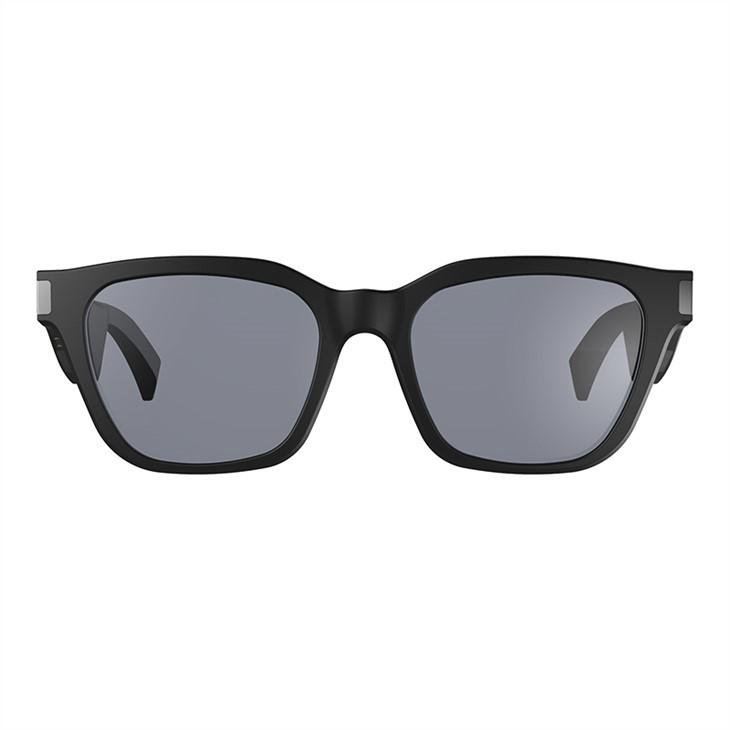
Address perceived risks proactively by acknowledging challenges and presenting mitigation strategies. Concerns about technology adoption, integration complexity, and device management can all be addressed through appropriate planning and partner selection. Highlight how pilot programs allow for low-risk validation before full commitment, and how phased implementation approaches reduce disruption while building organizational capability progressively. The smart audio black sunglasses product line demonstrates the range of configurations available to support different deployment scenarios and budget levels.
Consider the competitive implications of smart glasses adoption within your industry. As competitors deploy these technologies, early adopters who build expertise and refine processes will hold advantages that become increasingly difficult to overcome. Frame smart glasses investment not merely as operational improvement but as strategic positioning that establishes capabilities and institutional knowledge difficult for competitors to replicate quickly. Organizations that delay risk finding themselves at a capability disadvantage just as the technology reaches widespread adoption in their industry segment.
Conclusion: Embracing Smart Glasses for Maintenance Excellence
Smart glasses represent a transformational technology for industrial maintenance operations, delivering measurable improvements in diagnostic speed, repair quality, knowledge retention, and operational efficiency. For B2B buyers, distributors, and brands evaluating these solutions, the current market offers mature products capable of supporting demanding maintenance applications alongside partners experienced in industrial deployment requirements.
The path forward requires thoughtful evaluation of organizational needs, careful technology selection, and effective change management that addresses human factors alongside technical implementation. Organizations that approach smart glasses deployment strategically, beginning with well-defined pilot programs and building toward broader deployment, position themselves for successful outcomes that justify continued investment in this promising technology category.
Ready to explore smart glasses solutions for your maintenance operations? Our team of smart glasses manufacturing experts specializes in helping B2B buyers, distributors, and brands develop customized products that meet specific industrial requirements. From initial concept through volume production, we provide comprehensive support including design optimization, certification assistance, and ongoing technical partnership. Contact our sales team today to discuss how we can support your smart glasses deployment strategy and help transform your maintenance operations with cutting-edge wearable technology solutions tailored to your unique requirements.
