
Posted At: Jul 08, 2026 - 111 Views

The integration of GPS technology into smart glasses represents a significant leap forward in wearable functionality. As hands-free computing becomes increasingly essential across industries, B2B buyers evaluating smart glasses for their product lines must understand how navigation technology works in these devices. The question of whether smart glasses have GPS capabilities directly impacts the value proposition you can offer to your end customers.
How GPS Technology Functions in Smart Glasses
Global Positioning System technology in smart glasses operates through dedicated GPS receiver chips embedded within the device's frame. These chips communicate with satellites orbiting Earth to determine precise geographic coordinates, which the glasses then translate into actionable navigation data. The process happens continuously, allowing real-time tracking and route guidance without requiring users to check their phones or other devices.
Modern smart glasses typically incorporate assisted GPS (A-GPS) technology, which accelerates location acquisition by using cellular network data to supplement satellite signals. This hybrid approach delivers faster position fixes and improved accuracy in challenging environments such as dense urban areas or locations with partial sky visibility. For B2B buyers, understanding the GPS architecture helps inform decisions about which manufacturing partners and specifications best match your target market requirements.
The navigation experience itself manifests through several output methods. Audio guidance provides turn-by-turn directions through bone conduction or directional speakers embedded in the frames. Some models integrate subtle visual indicators through microdisplays or LED elements that flash or change patterns to signal upcoming maneuvers. The combination of audio and visual cues creates a genuinely hands-free navigation experience that distinguishes GPS-enabled smart glasses from traditional smartphone navigation.
Categories of GPS Implementation in Smart Eyewear
Smart glasses manufacturers approach GPS integration through three primary methodologies, each with distinct advantages and trade-offs that affect cost, battery life, and functionality.
Dedicated Standalone GPS Modules
The most robust implementation involves dedicated GPS receiver chips that operate independently from smartphones. These modules connect directly to satellite networks and maintain location awareness even when the paired device remains in a pocket or bag. Standalone GPS draws more power but delivers reliable positioning across all scenarios, making it ideal for outdoor applications, sports, and professional use cases where connectivity cannot be guaranteed.
For distributors targeting athletic consumers or outdoor enthusiasts, standalone GPS represents a premium feature that justifies higher price points and margin opportunities. The technology supports advanced capabilities like route tracking, distance calculation, and geofencing that appeal to performance-oriented buyers.
Smartphone-Dependent GPS Sharing
Many cost-optimized smart glasses rely on GPS data harvested from paired smartphones via Bluetooth connections. The glasses themselves lack GPS hardware, instead receiving coordinates from the phone's native GPS receiver. This approach significantly reduces manufacturing costs and extends battery life, but creates dependency on smartphone proximity for accurate positioning.
For brands focused on entry-level or fashion-forward segments, smartphone-dependent GPS offers a practical compromise that enables navigation features without premium pricing. Your manufacturing partner can implement efficient data pipelines that minimize latency between phone GPS acquisition and glasses notification delivery.
Hybrid Location Systems
Sophisticated smart glasses combine multiple positioning technologies including GPS, GLONASS, Galileo satellite networks, Wi-Fi positioning, and inertial measurement units. This multi-source approach maximizes accuracy while allowing intelligent power management that activates only the necessary sensors based on usage patterns.
Enterprise-focused smart glasses frequently employ hybrid systems to support mission-critical applications in logistics, field service, and healthcare environments. The redundancy ensures consistent operation even when individual systems experience interference or unavailable signals.
Real-World Applications Driving GPS Smart Glasses Demand
The practical utility of GPS-enabled smart glasses spans consumer and professional markets, creating diverse opportunities for B2B buyers structuring their product portfolios.
In the fitness and outdoor recreation sector, cyclists, runners, and hikers benefit from navigation guidance without interrupting their activity. Route directions play through speakers while users maintain full awareness of their surroundings. Performance metrics overlay with location data to provide comprehensive training analytics. Smart Music Glasses for Sports demonstrate how audio guidance integrates with fitness tracking to create compelling training experiences that motivate continued use.
Delivery and logistics companies increasingly deploy GPS smart glasses to guide drivers through optimized routes while keeping hands free for package handling. Navigation instructions appear in the driver's field of view or play through audio channels, reducing reliance on phone mounts and improving safety compliance. The efficiency gains translate directly to operational cost savings that justify premium device investment.
Tourism and hospitality applications leverage location-aware smart glasses to deliver contextual information about landmarks, restaurants, and attractions. Visitors receive guided experiences without consulting guidebooks or smartphone screens, creating memorable interactions that enhance satisfaction and encourage sharing. Destinations and tour operators represent growing B2B customers seeking white-label smart glasses solutions.
Industrial and field service applications utilize GPS smart glasses to navigate complex facilities, locate specific equipment, and access overlaid digital information about assets. Technicians completing maintenance procedures receive step-by-step guidance tied to their precise location, reducing errors and improving first-time fix rates. The return on investment in such scenarios easily justifies hardware costs through productivity improvements.
Technical Considerations for GPS Implementation
Successful GPS integration in smart glasses requires careful attention to several technical factors that affect user experience and manufacturing decisions.
Antenna design significantly influences GPS performance. The compact form factor of eyewear presents challenges for optimal antenna placement, as metal components in frames can interfere with satellite signal reception. Experienced manufacturers employ specialized antenna configurations and materials that maximize signal strength while maintaining aesthetic appeal. During OEM partner selection, evaluate prospective factories' expertise in RF engineering and antenna optimization specifically for eyewear applications.
Battery consumption represents a critical constraint for GPS-enabled smart glasses. Continuous satellite tracking and navigation processing draw substantial power, potentially limiting operational runtime to several hours. Your product specification should balance GPS functionality against battery life requirements, considering whether users need full-day operation or can tolerate shorter intervals between charges. Some implementations offer configurable GPS update rates that extend battery life by reducing position refresh frequency during stable travel.
Integration with mapping and navigation platforms determines the actual user experience beyond raw positioning data. Smart glasses need software connections to digital map providers, routing engines, and voice synthesis systems that transform coordinates into useful guidance. Your manufacturing partner should demonstrate navigation platform integration capabilities and flexibility to support regional mapping services in your target markets.
Market Trends Shaping GPS Smart Glasses Adoption
The smart glasses market continues evolving rapidly, with GPS functionality becoming an increasingly expected feature rather than a premium differentiator. Consumer expectations shaped by smartphone navigation experiences drive demand for equivalent convenience in eyewear. Enterprise buyers recognize location awareness as foundational for digital transformation initiatives that connect field workers to centralized information systems.
| GPS Implementation Type | Power Consumption | Cost Impact | Best Use Case |
|---|---|---|---|
| Standalone GPS | High | Premium | Outdoor sports, enterprise field operations |
| Smartphone-Dependent | Low | Economy | Casual navigation, urban commuting |
| Hybrid Multi-System | Medium | Mid-Range | Professional applications, mixed environments |
Regulatory developments also influence GPS smart glasses adoption. Privacy requirements in various jurisdictions affect how location data can be collected, stored, and shared. Your compliance strategy should address data handling practices that meet regional requirements while preserving functionality that users expect. Working with manufacturers experienced in global market requirements helps navigate these complexities efficiently.
Sourcing GPS-Enabled Smart Glasses from Chinese Manufacturers
China-based smart glasses factories offer competitive advantages in GPS implementation, including established supply chains for positioning components, experienced engineering teams, and scalable production capabilities. However, successful OEM partnerships require thorough evaluation of technical competencies and quality assurance practices.
When assessing potential manufacturing partners, request demonstrations of GPS functionality across multiple device samples. Test accuracy under varied conditions including indoor environments, urban canyons, and areas with partial sky exposure. Inconsistency between samples suggests quality control issues that will affect your product reliability and brand reputation.
Examine the manufacturer's approach to navigation software integration. Proprietary platforms may limit your flexibility to implement preferred mapping services or branded user experiences. Verify that the manufacturing partner supports integration with standard platforms appropriate for your target markets while providing customization options that differentiate your products.
Component sourcing strategies affect both cost and availability. Manufacturers with established relationships with GPS chipset suppliers secure better pricing and allocation priority during component shortages. Discuss supply chain resilience and identify backup component options that maintain production continuity if primary suppliers experience disruptions.
Product Portfolio Strategy for GPS Smart Glasses
B2B buyers should structure their GPS smart glasses offerings across multiple tiers to address distinct market segments effectively. Entry-level products featuring smartphone-dependent GPS capture price-sensitive consumers while establishing brand presence. Mid-range hybrid solutions appeal to mainstream buyers seeking reliable performance without premium pricing. Premium standalone GPS products serve enthusiasts and professionals who demand uncompromising capability.
This tiered approach enables distributors to capture broad market coverage while maintaining healthy margins across product categories. Each tier requires different manufacturing specifications, component selections, and quality benchmarks that your OEM partner must deliver consistently.
Consider complementary feature combinations that enhance GPS utility. Camera integration enables augmented reality overlays that project navigation cues onto the physical environment. Heart rate monitoring adds fitness context to location tracking. Voice assistants enable natural interaction with navigation systems without requiring manual controls. Your manufacturing partner should demonstrate capability to integrate multiple sensors and features while maintaining reliable GPS operation.
Quality Assurance for GPS Functionality
GPS performance varies significantly between smart glasses models, making rigorous testing essential for B2B buyers. Establish comprehensive test protocols that evaluate positioning accuracy, time-to-fix after startup, signal stability during movement, and battery impact during continuous navigation use.
Environmental testing should simulate real-world conditions including temperature extremes, humidity exposure, and physical stress from normal wear. GPS components can degrade when exposed to harsh conditions, and quality assurance programs must identify vulnerabilities before products reach customers.
Software validation ensures that navigation applications function correctly across different mapping platforms, update properly without disrupting GPS operation, and maintain data privacy compliance. Your manufacturing partner should provide testing infrastructure and documentation that supports your quality assurance requirements.
Partnering with Smart Glasses Manufacturers
The decision to incorporate GPS functionality in your smart glasses product line carries significant implications for user value, manufacturing complexity, and market positioning. Working with experienced OEM partners who understand navigation technology implementation, have proven quality assurance practices, and maintain component supply chain stability positions your brand for success in this growing market segment.
Begin conversations with potential manufacturing partners early in your product planning process. Discuss GPS requirements, feature priorities, and target pricing to receive informed guidance about feasible specifications and realistic timelines. Collaborative planning between your brand team and manufacturer engineers produces better outcomes than sequential handoffs.
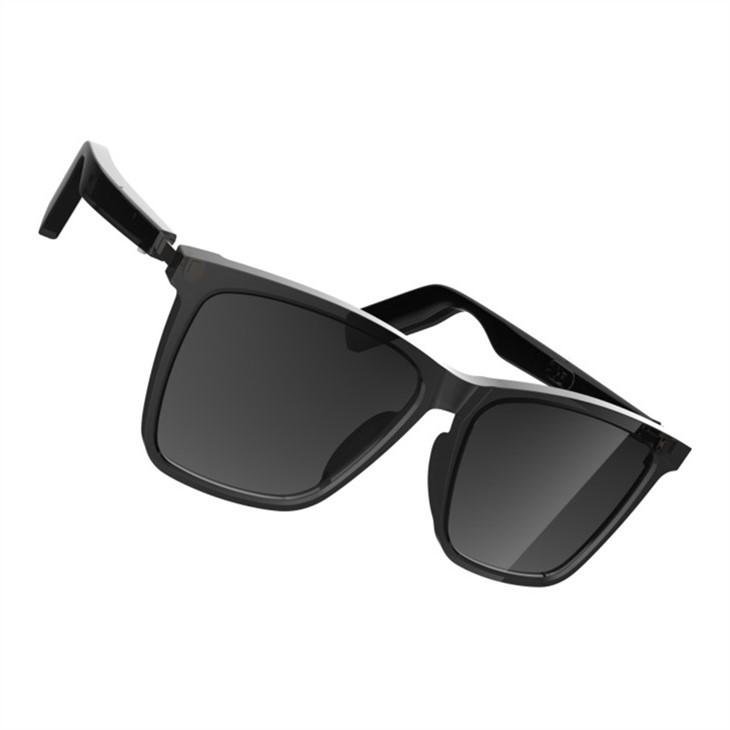
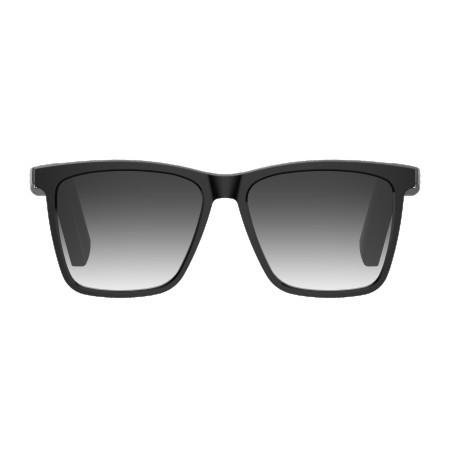
Wireless Bluetooth Sunglasses with integrated navigation capabilities represent the convergence of convenience and technology that consumers increasingly demand. Your product line should deliver on this promise through careful specification, rigorous testing, and partnership with manufacturers capable of executing on your vision.
Request references from current customers using GPS-enabled products to validate manufacturer claims about performance, reliability, and support quality. Direct feedback from other B2B buyers reveals practical insights that specification sheets and factory tours cannot provide. Strong relationships between buyers and manufacturers create ongoing improvements that benefit all parties over extended product lifecycles.
As location-aware computing becomes standard expectation across smart wearables, ensuring your product line includes capable GPS smart glasses positions your brand to capture market opportunities in this expanding category.
