
Posted At: Aug 20, 2026 - 39 Views

For millions of deaf and hard-of-hearing individuals worldwide, everyday communication poses constant challenges. Traditional assistive devices like hearing aids and text-based apps have helped bridge some gaps, but a new category of wearable technology is emerging as a game-changer: smart glasses designed specifically for deaf communication and real-time translation.
These innovative devices go beyond simple amplification. They incorporate advanced speech recognition, real-time captioning, and translation capabilities directly into stylish eyewear. For businesses looking to enter this growing market, understanding the technology landscape and manufacturing options has never been more critical.
Understanding the Technology Behind Deaf Communication Smart Glasses
Modern smart glasses for deaf users rely on several interconnected technologies working together seamlessly. At the core of these devices is automatic speech recognition (ASR), which converts spoken language into text that appears on the glasses' display. This real-time transcription allows users to read conversations as they happen, without needing to look away or check a separate device.
The display technology varies between manufacturers. Some devices use bone conduction to deliver sound directly to the inner ear, while others focus purely on visual output. Micro-OLED displays positioned in the peripheral vision can show text, notifications, and even sign language videos without obstructing the user's natural view. The goal is to provide information access without creating social awkwardness or drawing unnecessary attention to the user's hearing status.
Noise-canceling microphones play a crucial role in ensuring accurate transcription, especially in challenging environments like crowded restaurants, busy offices, or outdoor settings. Advanced algorithms filter out background noise and focus on the primary speaker's voice, dramatically improving recognition accuracy rates.
Real-Time Translation: Breaking Language Barriers
Beyond basic speech-to-text functionality, premium smart glasses now incorporate machine translation capabilities. These devices can translate spoken language into the user's preferred text format, supporting dozens of languages simultaneously. For deaf travelers, international business professionals, or multicultural families, this feature transforms previously frustrating interactions into seamless conversations.
Consider the impact in a medical appointment scenario. A deaf patient meeting with a doctor who speaks a different language previously required interpreters and significant scheduling coordination. With translation-enabled smart glasses, the conversation happens in real-time, with accurate medical terminology translated and displayed. This independence extends to legal consultations, educational settings, and countless other situations where clear communication has historically been elusive.
The translation accuracy of current systems has reached impressive levels, though perfection remains elusive. Industry benchmarks suggest accuracy rates above 90% for common language pairs in controlled environments. Challenging conditions—accent variations, technical jargon, multiple speakers—can reduce performance, but continuous AI improvements are narrowing the gap rapidly.
Key Features B2B Buyers Should Evaluate
When sourcing smart glasses for deaf communication applications, whether for retail distribution or institutional deployment, several technical specifications deserve careful attention.
- Battery Life: All-day functionality requires batteries that can sustain 8-12 hours of continuous use, including active transcription and translation. Consider devices with hot-swappable batteries or rapid charging capabilities.
- Display Clarity: The text must remain readable in various lighting conditions, from bright sunlight to dim interiors. Micro-OLED technology typically offers the best balance of visibility and power consumption.
- Comfort and Weight: Extended wear demands lightweight construction—ideally under 50 grams—combined with ergonomic designs that distribute weight evenly.
- Connectivity Options: Bluetooth connectivity for pairing with smartphones and WiFi capabilities for cloud-based translation services expand functionality significantly.
- Durability Ratings: Daily use devices need robust construction. Look for at least IP54 water and dust resistance ratings for consumer products.
- Privacy Considerations: Local processing options ensure sensitive conversations remain confidential, addressing a common concern among enterprise buyers.
The Manufacturing Landscape in China
China has established itself as the premier destination for smart glasses manufacturing, with specialized facilities capable of producing everything from prototype runs to mass production. The country's electronics manufacturing ecosystem offers unique advantages for companies developing deaf communication devices.
Shenzhen and surrounding Pearl River Delta cities host the world's most concentrated assembly capabilities for consumer electronics. Component suppliers for displays, batteries, cameras, and sensors are located within hours of major assembly plants, dramatically reducing supply chain complexity. This proximity enables rapid iteration during product development and responsive production scaling once products reach market.
Labor costs remain competitive, though rising steadily. More significantly, the region offers an experienced workforce familiar with the precision requirements of optics and electronics integration. Workers trained in assembling medical devices and high-precision electronics bring expertise directly applicable to smart glasses manufacturing.
Why OEM/ODM Partnerships Matter
For brands and distributors entering the deaf communication market, partnering with established OEM/ODM manufacturers provides multiple strategic advantages. Development timelines shrink dramatically when working with partners who have proven capabilities in wearable electronics. Manufacturing costs benefit from economies of scale that individual brands cannot achieve independently.
Perhaps most valuable is the accumulated expertise these manufacturers bring to projects. A factory that has produced thousands of smart glasses units understands the common failure modes, knows which components offer reliable performance, and can advise on design decisions that affect manufacturability and durability. This institutional knowledge translates directly into better products reaching market faster.
Market Applications and Use Cases
The applications for deaf communication smart glasses extend across numerous sectors, creating diverse market opportunities for B2B buyers.
Healthcare and Medical Settings
Hospitals and clinics increasingly recognize the importance of effective communication with deaf patients. Smart glasses enable medical professionals to communicate directly with patients without waiting for interpreters, improving both efficiency and patient satisfaction. Several major healthcare systems have piloted device programs with promising early results.
Educational Environments
Students who are deaf or hard of hearing benefit significantly from real-time captioning in classroom settings. Traditional CART (Communication Access Real-time Translation) services are expensive and require trained operators. Smart glasses place this capability directly with students, enabling participation in lectures, discussions, and group activities without accommodation arrangements.
Workplace Integration
Forward-thinking employers are equipping deaf employees with communication-assistive technology as part of accessibility initiatives. The devices support participation in meetings, client calls, and collaborative environments where hearing-based communication has traditionally created barriers. This investment in accessibility expands the talent pool available to employers while demonstrating commitment to inclusive workplace practices.
Public Services and Government
Courts, government offices, and public service organizations face increasing pressure to provide accessible communication options. Smart glasses offer a scalable solution that can be deployed across multiple locations without requiring specialized human interpreters for every interaction.
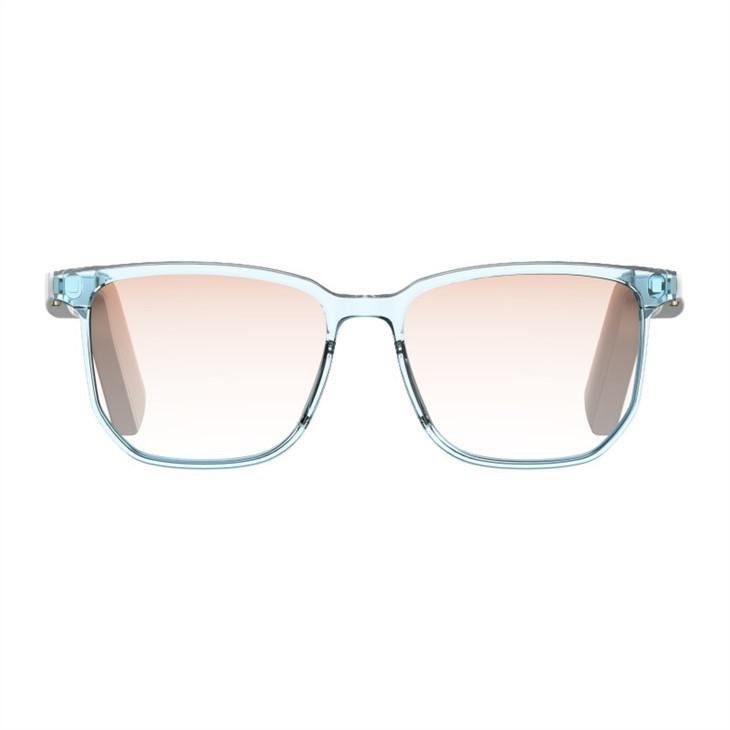
Comparing Smart Glasses Platforms for Accessibility
Not all smart glasses platforms are created equal when it comes to deaf communication capabilities. The following comparison highlights key differentiators that B2B buyers should evaluate during vendor selection.
| Feature | Entry-Level Devices | Mid-Range Solutions | Premium Platforms |
|---|---|---|---|
| Speech-to-Text | Basic transcription, 75-80% accuracy | Enhanced AI, 85-92% accuracy | Advanced ML models, 95%+ accuracy |
| Language Support | 5-10 languages | 20-40 languages | 100+ languages with dialects |
| Battery Life | 4-6 hours active use | 8-10 hours active use | 12+ hours with backup charging |
| Display Technology | Monochrome OLED | Full-color micro-OLED | Holographic waveguide display |
| Offline Capability | Limited local processing | Core languages cached | Full offline mode available |
| Enterprise Integration | Basic Bluetooth pairing | API access, MDM support | Full platform ecosystem |
| Price Range (MSRP) | $200-400 | $400-800 | $800-2000+ |
This tiered market structure creates opportunities across different market segments. Budget-conscious educational institutions might prioritize quantity over advanced features, while healthcare enterprises may require the highest accuracy rates and enterprise management capabilities.

Customization Opportunities for Brand Partners
Manufacturers offering OEM/ODM services understand that brands require differentiation in competitive markets. Customization options extend across multiple dimensions, enabling partners to create distinctive products that stand apart from generic alternatives.
Industrial design customization allows brands to develop unique form factors that align with their brand identity. This includes custom frame colors, materials, and finishes. Some partners opt for premium materials like titanium or biodegradable composites, while others prioritize cost efficiency with high-quality polycarbonate constructions.
Software customization addresses specific market requirements. Deaf communication applications may need integration with existing accessibility platforms, specialized vocabulary dictionaries for technical fields, or custom notification systems that prioritize important alerts. The firmware and companion smartphone applications can be tailored extensively to meet these requirements.
Packaging and accessories present additional brand expression opportunities. Branded carrying cases, cleaning solutions, and documentation materials reinforce brand presence throughout the customer experience. These details matter significantly in markets where products serve as personal identity expressions as well as functional tools.
Certification and Compliance Considerations
Electronic devices targeting accessibility markets face specific regulatory requirements that B2B buyers must navigate carefully. In the United States, the FDA has begun examining certain smart glasses categories, though most consumer devices fall outside strict medical device classifications. However, compliance with accessibility standards like Section 508 for government procurement remains essential.
The European Union requires CE marking for electronic products, with specific attention to electromagnetic compatibility and safety standards. Products marketed for accessibility purposes may face additional scrutiny under proposed European Accessibility Act requirements, scheduled for full implementation across member states.
China's CCC certification is mandatory for electronics sold within the country, while other markets maintain their own approval processes. Working with experienced manufacturers who have established compliance pathways streamlines market entry significantly. Established factories typically maintain relationships with testing laboratories and certification bodies, reducing delays and unexpected costs during the approval process.
Future Developments on the Horizon
The deaf communication smart glasses market continues evolving rapidly. Several technological advances currently in development promise significant capability improvements within the next few years.
Artificial intelligence continues advancing at remarkable pace. Next-generation speech recognition models trained on vast datasets specific to deaf speech patterns and sign language are showing dramatically improved accuracy. These specialized models outperform general-purpose systems when processing inputs from users who rely on communication methods other than typical speech.
Bone conduction technology improvements enable richer audio feedback without interfering with external sound awareness. This allows users to receive translated content through hearing in appropriate contexts while still accessing visual captioning when needed. The technology blurs traditional boundaries between hearing assistance and visual communication devices.
Energy efficiency gains in display and processing components will extend battery life while enabling smaller form factors. Solid-state batteries offering higher energy densities are entering commercial production, with consumer electronics applications expected within the next two to three years. These advances directly address two of the most common consumer complaints about current-generation devices.
Getting Started with Manufacturing Partnerships
For B2B buyers ready to explore smart glasses manufacturing opportunities in this space, establishing relationships with qualified OEM/ODM partners requires strategic approach. Begin by clearly defining your target market segment and product requirements. Specifications that make sense for a consumer product may differ significantly from institutional procurement specifications.
Requesting samples from potential manufacturing partners provides essential hands-on experience with current capabilities. Evaluate not just the final product quality but also the manufacturing process responsiveness, communication clarity, and willingness to accommodate customization requests. These factors predict partnership success more reliably than specifications alone.
Minimum order quantities, tooling amortization schedules, and payment terms vary significantly between manufacturers. Understanding these commercial terms early in discussions prevents surprises during production negotiations. Transparent partners will provide detailed cost breakdowns explaining component costs, assembly fees, testing requirements, and logistics considerations.
Our manufacturing facility specializes in smart glasses production with dedicated assembly lines for accessibility-focused devices. We work with brands and distributors worldwide to bring innovative deaf communication products to market. Reach out to discuss your project requirements and discover how our expertise can support your market objectives.
