
Posted At: Sep 03, 2026 - 45 Views

The boutique retail landscape is undergoing a remarkable transformation. As consumers increasingly seek personalized shopping experiences that transcend traditional retail boundaries, boutique owners are discovering that technology can be as stylish as the merchandise they carry. Smart glasses have emerged as a compelling addition to high-end retail environments, offering seamless integration of digital information without disrupting the curated aesthetic that boutique shoppers expect.
For brand managers, distributors, and wholesale buyers exploring smart glasses manufacturing opportunities, understanding how these devices serve the boutique market reveals significant untapped potential. The intersection of fashion-forward design and practical technology creates a unique positioning that generic consumer electronics simply cannot achieve.
The Boutique Market Opportunity for Smart Glasses
Boutique retailers operate in a fundamentally different space than mass-market stores. Their success hinges on creating distinctive experiences, offering curated selections, and building personal connections with customers. Smart glasses align perfectly with these objectives when implemented thoughtfully.
The global premium eyewear market continues its upward trajectory, with luxury brands increasingly exploring smart technology integrations. Boutique owners who adopt these solutions early position themselves as innovation leaders within their communities. More importantly, they gain practical tools that enhance customer service without replacing the human element that makes boutique shopping special.
Practical Applications for Boutique Environments
Smart glasses serve multiple functions within a boutique setting. Sales associates can access inventory systems hands-free, checking sizes, colors, and availability without turning away from customers. Product information overlays can provide detailed material sourcing, care instructions, or styling suggestions at a glance, enabling staff to deliver knowledgeable service consistently.
Customer fitting experiences improve dramatically when associates can pull up style recommendations based on previous purchases or stated preferences. The technology becomes an invisible assistant, supporting rather than overshadowing the personal service that boutique shoppers value. Some forward-thinking retailers are experimenting with customer-facing smart glasses for virtual try-on experiences, though this application requires careful implementation to avoid the sterile feeling of overly digital environments.
Enhancing the Luxury Shopping Experience
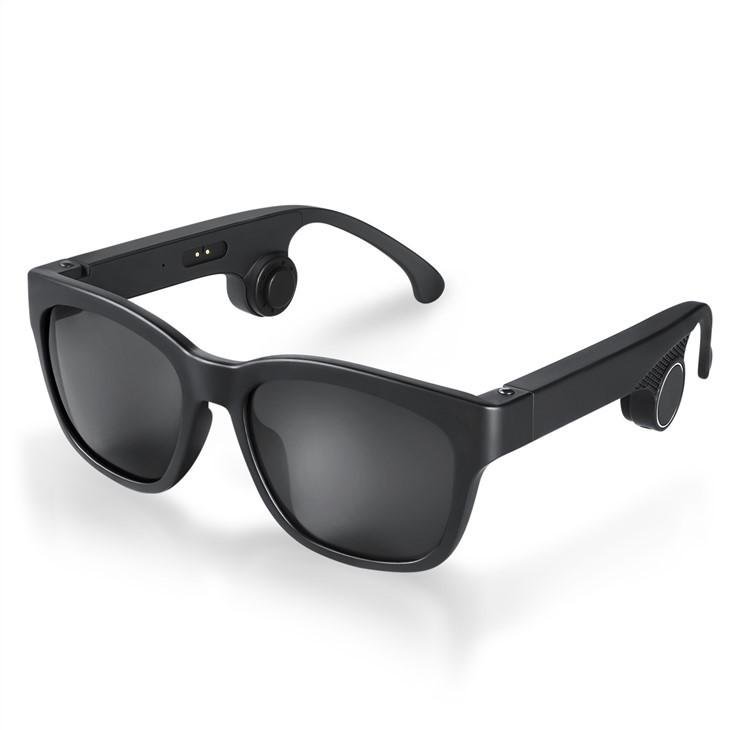
The key to successfully integrating smart glasses in boutique settings lies in aesthetic discretion. Unlike bulky consumer AR headsets, boutique-appropriate smart eyewear should resemble premium conventional glasses. This is where HD stereo music glasses demonstrate how audio functionality can be elegantly incorporated without compromising style. Boutique owners can offer customers ambient music experiences during shopping appointments, creating an immersive atmosphere that elevates the entire visit.
Sound quality and visual discretion matter enormously in luxury retail contexts. Customers should feel enveloped in a pleasant environment rather than aware of underlying technology. The best implementations make technology invisible while its benefits remain tangible.
Consider how smart eyewear might serve a boutique jeweler, for instance. Associates could access certification information, provenance details, and comparable pieces without breaking eye contact during consultations. The technology facilitates deeper engagement rather than creating barriers between staff and customers.
Design Considerations for Boutique-Targeted Smart Glasses
Boutique owners evaluating smart glasses investments prioritize several distinct characteristics that differ from mainstream consumer preferences. Frame aesthetics must complement rather than dominate retail spaces. Subtle, sophisticated designs that blend with various fashion styles prove more valuable than overtly tech-forward appearances.
Weight and comfort become critical when associates wear glasses throughout extended shifts. Lightweight construction with balanced weight distribution prevents the fatigue that undermines consistent technology adoption among staff. Battery life must support full operating hours without midday charging interruptions that disrupt customer service flows.
Durability remains essential despite the controlled boutique environment. Glasses should withstand regular handling, occasional drops, and cleaning processes without degradation. Frame materials that resist scratching and maintain appearance over time deliver better long-term value for retail applications.
OEM/ODM Manufacturing Advantages for Brands
Brands entering the boutique smart glasses market benefit substantially from partnering with manufacturers offering comprehensive OEM and ODM services. The ability to customize every aspect of smart glasses—from frame materials and hinge designs to audio specifications and software integration—enables true differentiation in a market where uniqueness drives perceived value.
Working with experienced manufacturers provides access to established supply chains for quality components while maintaining flexibility for bespoke design elements. Whether developing an entirely new collection or adapting existing models for specific retail applications, manufacturing partners with proven track records deliver more predictable outcomes.
Customization Possibilities
The customization spectrum ranges from subtle branding modifications to complete product reinvention. Frame colors, materials, and finishes can be tailored to match brand identities without compromising functionality. Packaging design, user interface elements, and companion app aesthetics extend brand consistency throughout the customer experience.
Technical specifications offer additional differentiation opportunities. Audio driver quality, microphone sensitivity, battery capacity, and connectivity protocols can all be optimized for specific use cases. A boutique-focused product might emphasize discrete operation and extended battery life, while a technology-forward boutique might prioritize advanced features and connectivity options.
Quality Assurance and Compliance
Reputable manufacturers provide comprehensive testing documentation, certifications, and quality assurance processes that protect brand reputation. For boutiques serving discerning customers, any product quality issues reflect directly on the retailer's standards. Working with manufacturers who understand luxury market expectations ensures products meet the scrutiny of sophisticated consumers.
Regional compliance requirements vary significantly across markets. Professional manufacturing partners navigate these complexities, ensuring products meet applicable safety standards, electromagnetic regulations, and material restrictions for all intended distribution regions.
Market Trends Shaping Boutique Smart Glasses Demand
Several converging trends indicate growing opportunity in this segment. Consumer comfort with wearable technology has increased substantially, reducing the novelty barrier that once limited adoption. Simultaneously, expectations for seamless omnichannel experiences have pushed retailers to explore technology that bridges physical and digital shopping environments.
The experience economy continues its expansion, with consumers increasingly valuing memorable interactions over transactions. Smart glasses enable boutique staff to deliver information-rich, personalized experiences that mass-market retailers cannot replicate. This differentiation supports premium positioning and justifies the technology investment.
Competitive Landscape
Early adopters in the boutique smart glasses space have primarily been technology-forward luxury brands and high-end department stores. This relatively uncrowded competitive landscape offers first-mover advantages for brands ready to commit resources. As the segment matures, early investments in manufacturing partnerships and product development will yield increasing returns.
Distribution strategies must align with boutique retail characteristics. Unlike consumer electronics sold through broad retail channels, boutique smart glasses often succeed through direct relationships with store owners, wholesale partnerships with retail groups, and targeted trade presence at industry events. Understanding these dynamics shapes effective go-to-market approaches.
Investment Considerations for Distributors
Distributors evaluating boutique smart glasses opportunities should assess several factors before committing inventory and marketing resources. Product margins must support the higher service levels boutique retailers expect. Technical support requirements exceed typical consumer electronics due to the personalized nature of boutique customer relationships.
Training and education resources help boutique staff maximize smart glasses value. Distributors who provide comprehensive onboarding materials, ongoing support, and regular product updates build stronger retailer relationships that generate repeat business. The investment in customer success yields long-term partnerships more valuable than transactional sales.
Return policies and warranty coverage require careful consideration. Boutique owners cannot afford frequent product failures that interrupt their operations. Manufacturing partners offering robust warranty protection and responsive RMA processes enable distributors to offer terms that satisfy risk-averse boutique buyers.
Selecting the Right Manufacturing Partner
The manufacturer selection process determines product quality, timeline predictability, and long-term cost structures. Factors beyond unit pricing matter significantly for boutique-focused products where brand reputation rides on every detail.
Communication quality during the proposal and development phases indicates likely ongoing relationship dynamics. Manufacturers who listen carefully, ask insightful questions, and propose creative solutions typically deliver better outcomes than those offering lowest-cost standardized approaches.
Production capacity and flexibility deserve evaluation alongside quality metrics. Boutique-oriented products rarely achieve smartphone-scale volumes, yet they require the same attention to quality and consistency. Manufacturing partners with experience serving premium market segments understand how to maintain quality standards across varied production runs.
Prototyping and Development Support
Effective prototyping processes reduce risk and refine products before committing to full production. Manufacturers offering rapid prototyping services enable iterative development that produces superior final products. For boutique applications where aesthetic excellence matters enormously, multiple design iterations often prove essential.
Software development support has become increasingly important as smart glasses incorporate more sophisticated applications. Manufacturing partners who coordinate with software developers, app creators, and system integrators streamline the development process significantly compared to managing multiple vendors independently.
Looking Ahead: The Future of Boutique Smart Eyewear
The trajectory of smart glasses technology points toward increasingly seamless integration with everyday environments. As components shrink, batteries improve, and software becomes more sophisticated, the distinction between "smart glasses" and "regular glasses" will continue blurring. Boutique retailers who establish themselves as authorities in this space now will benefit from relationships and expertise that compound over time.
Emerging technologies including improved voice recognition, real-time translation, and augmented reality overlays will create new application possibilities for boutique environments. International tourism represents a particularly promising market where smart translation features could transform how visiting customers interact with luxury boutiques.
Artificial intelligence integration promises increasingly personalized experiences. Smart glasses that learn associate preferences, anticipate customer needs, and surface relevant information proactively will deliver compounding value over time. Manufacturers investing in AI-ready hardware platforms position their partners for these future capabilities.
Making Smart Glasses Work for Your Boutique
Integrating smart glasses successfully requires more than purchasing the right hardware. Staff training, workflow redesign, and change management determine whether technology investments translate into customer experience improvements. Boutique owners should approach smart glasses implementation as organizational transformation rather than simple equipment procurement.
Pilot programs with limited deployments allow gradual learning before organization-wide rollout. Starting with a single location or select staff members identifies challenges and demonstrates value before scaling. This measured approach reduces risk while building internal expertise that enables broader adoption.
Measurement frameworks should capture both operational efficiency gains and customer satisfaction impacts. Associates might initially resist technology that changes familiar workflows, so gathering feedback early and often helps address concerns before they solidify into opposition. Success stories from pilot participants build momentum for broader adoption.
Practical First Steps
Boutique owners ready to explore smart glasses can begin by identifying specific use cases where the technology delivers clear value. Focusing on one or two applications initially rather than attempting comprehensive transformation increases success probability. Perhaps associate communication and inventory access represent the highest-value initial targets for a particular boutique format.
Evaluating available products against specific requirements helps narrow options efficiently. For boutiques where audio functionality serves customer-facing applications, exploring Bluetooth audio sunglasses with polarized lenses demonstrates how technical specifications translate into practical retail applications. Frame styles, audio quality, and battery life all merit evaluation against intended use cases.
Partner conversations with potential suppliers reveal capabilities and limitations that inform decisions. Reputable manufacturers welcome detailed discussions about requirements and constraints. These conversations often surface possibilities that hadn't been considered initially, expanding the range of viable solutions.
Conclusion: Embracing Technology Without Compromising Style
The boutique retail model has always balanced exclusivity with accessibility, curating experiences that feel personal yet scalable. Smart glasses technology extends this balance into the digital realm, enabling associates to deliver information-rich service while maintaining the human connection that defines boutique shopping.
For brands and distributors, the boutique smart glasses market represents an opportunity to serve an underserved segment with products that match their exacting standards. Success requires understanding both the technical capabilities and aesthetic requirements that boutique operators demand. Manufacturers with experience in premium market segments can guide partners through development processes that produce distinctive, successful products.
The technology exists today. The market demand is emerging. The competitive landscape remains open for brands ready to commit resources. Boutique owners and the partners who supply them have the opportunity to shape how smart glasses integrate with curated retail environments for years to come.
Partner With Expert Manufacturers
Bringing boutique-focused smart glasses from concept to market requires manufacturing expertise that understands both technical requirements and aesthetic standards. Our team specializes in OEM/ODM smart glasses production for brands targeting premium retail segments.
Whether you represent an established boutique chain seeking technology integration or a brand developing a new smart eyewear collection, we provide the manufacturing capabilities, quality assurance, and customization flexibility your products demand. Let's discuss how we can support your boutique smart glasses initiative with production solutions that meet the standards your customers expect.
Explore our Bluetooth call glasses collection to see how current models might serve as foundations for your boutique-specific applications. Our team welcomes detailed conversations about customization requirements, volume expectations, and timeline considerations.
