
Posted At: Apr 30, 2026 - 1,955 Views

The intersection of cutting-edge technology and artistic expression has reached a fascinating crossroads. Art galleries and museums worldwide are embracing smart glasses as transformative tools that reshape how visitors experience, interpret, and engage with cultural heritage. From providing real-time augmented reality overlays to delivering personalized audio narratives, these devices are setting new standards for exhibition design and visitor engagement.
For B2B buyers, distributors, and brands seeking smart glasses OEM and ODM manufacturing partnerships in China, understanding this emerging market segment presents significant opportunities. The cultural technology sector is experiencing unprecedented growth, with smart glasses positioned as a cornerstone solution for modern gallery experiences.
Understanding Smart Glasses Technology in Cultural Spaces
Modern smart glasses designed for gallery environments integrate several sophisticated technologies within lightweight, comfortable frames. These devices typically combine high-resolution displays, spatial audio systems, advanced sensors, and wireless connectivity to create seamless user experiences without the intrusiveness of traditional handheld devices.
The Smart Voice Glasses represent an excellent example of how manufacturers are tailoring technology for cultural applications. These glasses feature voice-activated controls that allow visitors to request information about specific artworks without disrupting the contemplative atmosphere that galleries strive to maintain.
Contemporary gallery-focused smart glasses incorporate micro-OLED or waveguide displays capable of rendering crisp text, images, and even animated content directly within the user's field of vision. This approach eliminates the need to look down at a phone screen or tablet, maintaining the intuitive connection between viewer and artwork that museum professionals value deeply.
Augmented Reality Overlays: Bringing Art to Life
One of the most compelling applications of smart glasses in galleries involves augmented reality overlays that augment physical artworks with digital content. When a visitor wearing AR-enabled smart glasses looks at a painting, the system can display historical context, artist commentary, conservation details, or even animated reconstructions of the original creative process.
Consider the experience of viewing a centuries-old masterpiece through smart glasses. Beyond the visible brushstrokes, visitors might see how the artwork appeared when first completed, watch a time-lapse of its restoration journey, or access scholarly annotations that illuminate hidden symbolic elements. This layered approach to interpretation transforms passive observation into active discovery.
The Smart Technology Too Glasses demonstrate the hardware capabilities that make these experiences possible. With advanced sensor arrays and processing power, these devices can identify artworks through visual recognition and instantly retrieve relevant multimedia content from cloud-based exhibition management systems.
Interactive Exhibition Elements
Beyond static information delivery, smart glasses enable dynamic interactive elements that respond to visitor behavior and preferences. Galleries can design walking tours that adapt in real-time based on which artworks attract prolonged attention, adjusting narrative flow to create personalized journeys through the collection.
Children and family visitors benefit particularly from gamified exhibition experiences. Smart glasses can present scavenger hunt challenges, artistic puzzles, or creative response activities that transform a museum visit into an engaging learning adventure. This approach successfully extends visitor dwell time while making cultural education genuinely entertaining.
Audio Guide Evolution Through Smart Audio Glasses
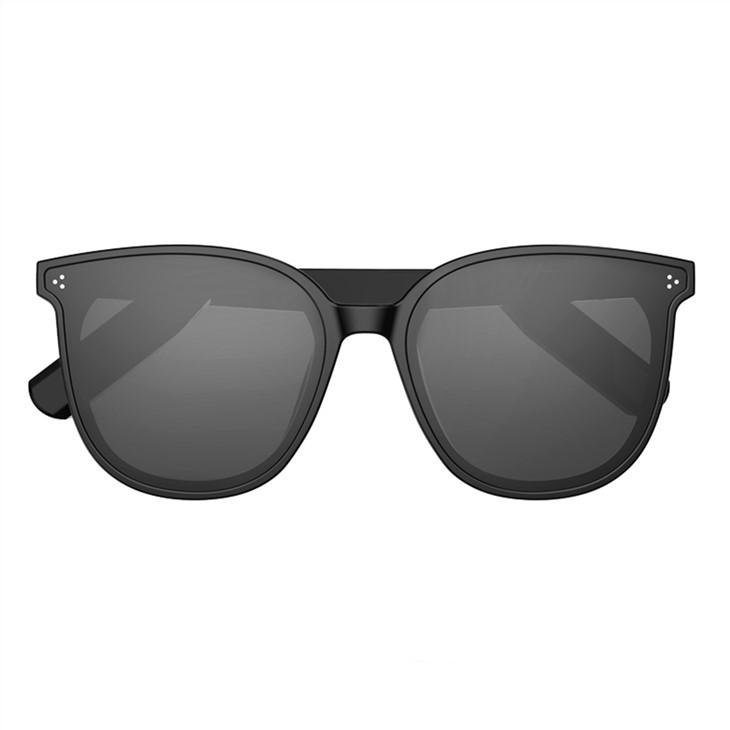
Traditional audio guides have long served galleries as interpretive tools, but they require visitors to hold devices pressed to their ears throughout the visit. Smart audio glasses revolutionizes this experience by delivering spatial audio directly from the eyewear itself, freeing hands and maintaining environmental awareness.
The TSW Bluetooth Audio Glasses exemplify how manufacturers are optimizing sound delivery for cultural environments. These devices feature directional speakers that provide clear audio to the wearer without broadcasting commentary to surrounding visitors, preserving the quiet atmosphere that many galleries require.
Advanced implementations use bone conduction technology in some models, vibrating sound directly through the skull to the inner ear while leaving the ear canal unobstructed. This approach proves particularly valuable in galleries where visitors wish to simultaneously experience both the artwork's visual impact and the audio narrative without sensory overload.
Accessibility Features Transforming Inclusive Cultural Participation
Smart glasses hold exceptional promise for making art galleries more accessible to visitors with diverse needs. Individuals with visual impairments can benefit from smart glasses that use computer vision to describe artworks in real-time, narrating composition, color palette, and visible elements through audio descriptions streamed directly to their ears.
Visitors who are deaf or hard of hearing receive instant captioning through smart glasses displays, eliminating the need to locate designated captioning stations or manage additional equipment. This real-time accessibility extends to multiple languages simultaneously, allowing international visitors to access content in their preferred language without requiring separate audio guide variants.
For visitors with cognitive accessibility needs, smart glasses can simplify exhibition navigation, provide visual schedules, and offer sensory-friendly modifications that reduce overwhelming stimuli. These capabilities transform galleries from potentially challenging environments into welcoming spaces where everyone can engage meaningfully with art.
Operational Benefits for Galleries and Museum Operators
Beyond visitor experience enhancements, smart glasses provide substantial operational advantages for gallery management. These devices serve as centralized platforms for visitor tracking, allowing institutions to understand traffic patterns, popular artworks, and dwell times without compromising visitor privacy.
Traditional audio guide inventory management presents significant challenges for galleries, requiring maintenance, charging, sanitization, and physical distribution infrastructure. Smart glasses reduce these logistical burdens while enabling dynamic content updates that keep exhibitions fresh without physical hardware changes.
Content Management and Exhibition Flexibility
Contemporary smart glasses systems connect to cloud-based content management platforms that allow curators and exhibition designers to update information instantly across all deployed devices. This capability proves invaluable for traveling exhibitions, temporary installations, and institutions that regularly rotate their collections.
Gallery staff can monitor device status, battery levels, and connectivity through centralized dashboards, identifying issues before they impact visitor experiences. Over-the-air updates ensure that all smart glasses in operation run the latest firmware and contain current exhibition content without requiring physical collection and redistribution.
Market Trends and Industry Growth Projections
The cultural technology sector is experiencing accelerated adoption of smart glasses solutions following several high-profile gallery implementations that demonstrated measurable success. Major museums in Europe, North America, and Asia have piloted smart glasses programs, with many expanding initial trials into permanent installations.
Industry analysts project substantial growth in gallery-focused smart glasses deployments over the coming years, driven by post-pandemic visitor expectations for touchless experiences and increasing competition from digital entertainment alternatives. Galleries recognize that immersive technology experiences can differentiate their offerings and attract younger demographics accustomed to interactive digital content.
| Feature Category | Traditional Audio Guide | Smart Glasses Solution |
|---|---|---|
| Hands-Free Operation | Requires holding device | Fully hands-free experience |
| Visual Content Delivery | Phone/tablet screen only | AR overlays, direct display |
| Language Options | Limited device variants | Unlimited, instant switching |
| Accessibility Integration | Separate equipment required | Built-in captioning, audio description |
| Content Update Speed | Physical device collection | Over-the-air instant updates |
| Visitor Tracking | Basic usage statistics | Detailed behavioral analytics |
| Hygiene Considerations | Shared equipment concerns | Personal devices or sanitization protocols |
Design Considerations for Gallery-Optimized Smart Glasses
Manufacturers producing smart glasses for gallery applications must balance technological capabilities with aesthetic and practical considerations specific to cultural environments. Device weight significantly impacts visitor comfort during extended wear, making lightweight materials and ergonomic design essential priorities.
Gallery-appropriate smart glasses should resemble conventional eyewear as closely as possible, avoiding the bulky, conspicuous designs common to earlier technology generations. Visitors wearing prominent futuristic devices may feel self-conscious, potentially detracting from the immersive experience that galleries aim to create.
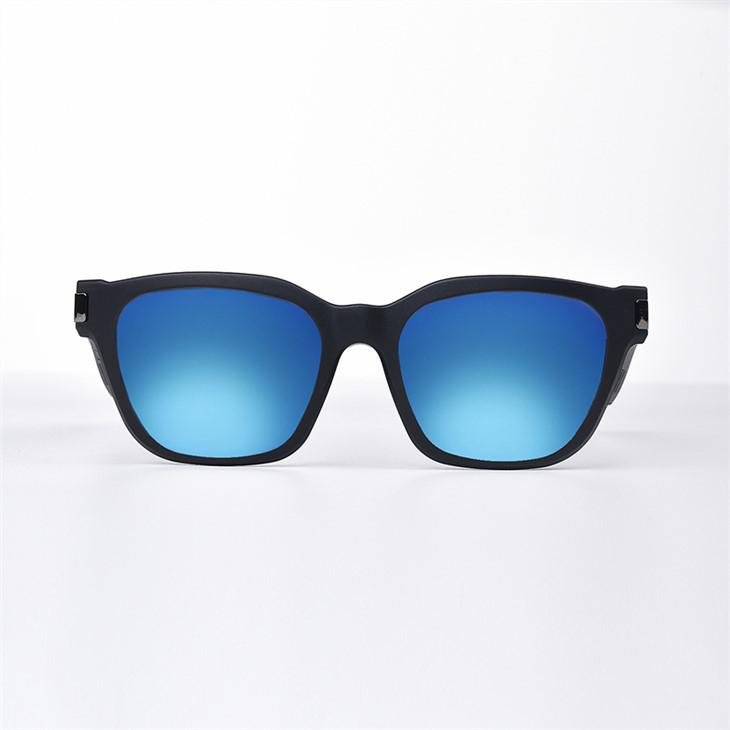
The Fashion Music Glasses demonstrate how manufacturers successfully blend style with technology. These devices prioritize aesthetic appeal while maintaining functional capabilities, proving that smart glasses can serve as fashionable accessories rather than obvious technological interventions.
Battery life requires careful optimization to support typical gallery visit durations, generally spanning two to four hours of continuous use. Additionally, devices must incorporate easy cleaning protocols suitable for shared deployment models, with removable and replaceable components that facilitate thorough sanitation between users.
Sourcing Smart Glasses: OEM and ODM Manufacturing Pathways
B2B buyers and distributors exploring smart glasses opportunities in the gallery technology sector benefit from understanding manufacturing pathways available through Chinese production facilities. OEM (Original Equipment Manufacturing) arrangements allow brands to specify exact requirements for custom devices designed to their precise specifications.
ODM (Original Design Manufacturing) partnerships offer alternative approaches where established product platforms can be customized with brand-specific modifications, reducing development timelines and initial investment requirements. Many Chinese manufacturers maintain portfolios of gallery-optimized smart glasses designs that can be adapted for specific market requirements.
When evaluating manufacturing partners, B2B buyers should assess facilities' capabilities in areas particularly relevant to cultural technology applications, including audio quality optimization, display technology integration, battery efficiency, and compliance with international safety and electromagnetic standards.
Implementation Strategies for Cultural Institutions
Galleries considering smart glasses implementation should approach deployment systematically, beginning with pilot programs that allow staff and visitors to provide feedback before broader rollout. Successful implementations typically involve cross-departmental collaboration between curatorial, educational, visitor services, and information technology teams.
Content development represents a significant investment that determines visitor experience quality. Institutions should allocate sufficient resources for creating engaging, accurate, and appropriately detailed interpretive content that leverages the unique capabilities that smart glasses technology provides. Content should be developed with accessibility principles in mind from the outset.
Staff training ensures that gallery employees can confidently demonstrate device usage, troubleshoot common issues, and communicate the value proposition to visitors who may be unfamiliar with smart glasses technology. Well-informed staff transform potentially intimidating technology into welcoming introductions that encourage adoption.
The Future of Exhibition Technology
As smart glasses technology continues advancing, gallery applications will become increasingly sophisticated. Emerging capabilities in artificial intelligence will enable more natural language interactions, real-time translation, and personalized content recommendations based on detected visitor interests and behaviors.
Improvements in display technology will deliver more immersive AR experiences with wider fields of view and higher resolution, making digital overlays indistinguishable from physical reality under optimal conditions. These advancements will blur boundaries between traditional gallery experiences and fully realized virtual environments.
Social features may emerge that allow visitors to share discoveries, collaborate on interpretation, or connect with other viewers who share aesthetic preferences. Such capabilities could transform gallery visits from individual experiences into community-building opportunities that extend engagement beyond physical venue boundaries.
Partnering for Success in Cultural Technology
The convergence of smart glasses technology and cultural institutions creates compelling opportunities for B2B buyers, distributors, and brands positioned to serve this growing market. Success requires understanding both the technological requirements and the unique cultural context within which these devices will operate.
Manufacturers with experience producing gallery-optimized smart glasses bring valuable insights regarding the balance between functionality and aesthetics, durability and elegance, innovation and appropriateness that cultural sector clients demand. Building relationships with experienced manufacturing partners streamlines product development and ensures that end products meet the exacting standards of museum and gallery professionals.
Are you ready to explore smart glasses manufacturing partnerships for your gallery technology distribution business? Our team specializes in OEM and ODM production for cultural technology applications, offering comprehensive support from design consultation through mass production. Contact us today to discuss your specific requirements and discover how we can help you capitalize on the expanding art gallery technology market.
