
Posted At: Apr 27, 2026 - 1,969 Views

The convergence of wearable technology and airspace regulations has created a complex landscape for businesses sourcing camera-equipped smart glasses. As drone technology proliferates and governments worldwide tighten oversight, understanding the intersection between smart glasses with recording capabilities and aviation regulations has become a critical factor in procurement decisions.
For B2B buyers, distributors, and brands seeking smart glasses OEM/ODM manufacturing in China, navigating these regulatory frameworks isn't just about legal compliance—it's about securing a competitive advantage in an increasingly scrutinized market.
Why Camera Glasses Fall Under Drone Regulation Scrutiny
Camera glasses occupy a unique position in regulatory frameworks because they combine two distinct technologies: wearable optics and aerial imaging systems. While traditional smart glasses might face consumer electronics regulations, devices equipped with camera functionality that can capture footage of airspace or operate in drone-adjacent environments trigger additional compliance requirements.
Regulatory bodies including the Federal Aviation Administration (FAA) in the United States, the European Union Aviation Safety Agency (EASA), and China's Civil Aviation Administration (CAAC) have all begun developing frameworks that address the growing sophistication of consumer camera devices.
Consider the call music smart glasses available through our manufacturing partners—these devices feature integrated cameras capable of recording high-definition video, which places them squarely within regulatory discussions about aerial surveillance and privacy.
Global Regulatory Landscape for Camera-Equipped Smart Glasses
United States: FAA and Consumer Electronics
The FAA has taken an increasingly strict stance on devices that capture aerial footage. Under current interpretations, smart glasses with camera functionality may be subject to the same operational restrictions as unmanned aerial vehicles (UAVs) when used in airspace. Key considerations include:
- Registration requirements: Some jurisdictions require registration of camera devices capable of aerial recording
- Operational restrictions: Height limits, no-fly zones, and line-of-sight requirements may apply
- Privacy compliance: State-level privacy laws add layers of complexity for distribution
For B2B buyers importing camera-enabled smart glasses into the United States, documentation demonstrating compliance with FCC technical standards combined with clear labeling regarding camera capabilities has become essential for market access.
European Union: GDPR and Aviation Safety
The European market presents perhaps the most demanding compliance environment. Beyond standard CE marking requirements, camera-equipped smart glasses must navigate the General Data Protection Regulation (GDPR) framework, which imposes strict rules on biometric data collection and surveillance capabilities.
EASA guidelines specifically address the risk classification of devices with recording capabilities. Products intended for the EU market must demonstrate:
- Clear data protection impact assessments
- Built-in privacy safeguards such as recording indicators
- Compliance with radio equipment directives for wireless functionality
China: CAAC and Domestic Manufacturing Standards
As the manufacturing hub for smart glasses globally, China's regulatory environment directly impacts what products enter international markets. The CAAC has implemented regulations governing unmanned aerial systems that increasingly encompass camera-enabled wearable devices.
For manufacturers producing music glasses for leisure walks and similar consumer products, understanding export compliance requirements has become as important as meeting domestic quality standards.
Technical Specifications That Impact Regulatory Compliance
When sourcing camera-equipped smart glasses for distribution in regulated markets, B2B buyers should evaluate several technical specifications that directly affect compliance eligibility.
Camera Resolution and Recording Capabilities
Higher-resolution cameras increasingly face stricter regulatory treatment. Products capable of capturing 4K or higher footage may require additional certification steps in certain jurisdictions. Our manufacturing partners offer a range of camera specifications to match your target market's requirements.
For example, the smart glasses HD stereo line provides professional-grade recording capabilities while maintaining compliance with standard consumer electronics regulations across major markets.
Wireless Connectivity and Frequency Compliance
Bluetooth, Wi-Fi, and proprietary wireless protocols used in smart glasses must operate within approved frequency bands. Frequency modulation capabilities, often included for audio streaming and data transfer, require certification under local radio communications regulations.
This is particularly relevant for products like the fashion smart music call glasses, which integrate multiple wireless technologies in a single device.
GPS and Geolocation Features
Some advanced smart glasses incorporate GPS modules for location-based functionality. In regulated markets, geolocation capabilities can trigger additional compliance requirements, particularly when combined with camera recording that might be used for aerial mapping or surveying applications.
Import and Export Compliance for Smart Glasses Manufacturers
For B2B buyers establishing supply chains for camera-enabled smart glasses, understanding import/export regulations is fundamental to sustainable business operations.
Export Controls and Technology Transfer
Certain camera technologies, particularly those with applications in surveillance or aerial mapping, may fall under export control classifications. When working with Chinese manufacturers, ensure your supply chain partners maintain proper export documentation and understand restricted technologies.
Customs Classification and Tariff Considerations
Camera-equipped smart glasses typically fall under Harmonized System (HS) codes for optical appliances combined with electronic components. Accurate classification ensures proper tariff treatment and avoids customs delays. Our manufacturing partners provide comprehensive product documentation to facilitate customs clearance across major markets.
Documentation Requirements
Successful import of camera-enabled smart glasses requires meticulous documentation including:
- Technical specifications sheets detailing camera capabilities
- Declaration of conformity for target market regulations
- Radio frequency certification documentation
- Privacy impact assessments where required
- Intellectual property documentation proving legitimate sourcing
Strategic Sourcing: Partnering with Compliant Manufacturers
The most effective approach to navigating camera glasses regulations is establishing relationships with manufacturers who understand global compliance requirements. At our smart glasses factory, we maintain rigorous quality assurance processes that address regulatory concerns proactively rather than reactively.
Working with experienced OEM/ODM partners offers several advantages for B2B buyers:
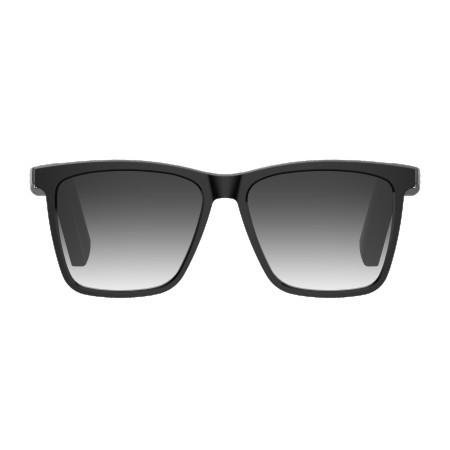
First, established manufacturers have already navigated certification processes for major markets. Products like the wireless Bluetooth sunglasses in our catalog have undergone compliance testing across multiple jurisdictions, reducing your time-to-market.
Second, experienced manufacturing partners can customize products to meet specific regulatory requirements. Whether you need to disable certain camera features for restricted markets or enhance recording indicators for privacy compliance, production flexibility matters.
Third, documentation quality directly impacts customs clearance and market access. Professional manufacturers provide comprehensive technical documentation that regulatory authorities recognize and accept.
Market-Specific Compliance Strategies
Approaching the North American Market
For distribution in the United States and Canada, prioritize products with FCC certification for wireless functionality and clear documentation of camera specifications. The FAA's evolving guidance on recreational versus commercial use of recording devices creates ongoing uncertainty that conservative product selection can mitigate.
European Market Entry
The EU market demands the most comprehensive approach to compliance. Beyond technical certification, prepare data protection documentation that demonstrates GDPR compliance. Products marketed in Europe should include explicit privacy controls and clear user consent mechanisms.
Asia-Pacific Opportunities
Emerging markets in Southeast Asia and the Pacific region often lack mature regulatory frameworks, creating opportunities for early entrants. However, regulatory development in these markets is accelerating, making forward-looking product selection essential.
Risk Mitigation Through Product Selection
Not all camera-enabled smart glasses face equal regulatory scrutiny. Understanding which product categories carry lower compliance burdens can inform procurement decisions.
| Product Category | Regulatory Sensitivity | Key Compliance Focus |
|---|---|---|
| Audio-focused glasses with basic cameras | Low | Wireless certification, basic privacy labeling |
| High-resolution recording glasses | Medium to High | Enhanced documentation, potential registration |
| GPS-integrated camera glasses | High | Multi-jurisdiction certification, data protection |
| Professional/surveillance-grade devices | Very High | Specialized licensing, restricted distribution |
For most B2B buyers, balancing functionality with compliance requirements points toward mid-range camera specifications that meet consumer market demands without triggering enhanced regulatory scrutiny.
Future Regulatory Trajectory
Regulatory frameworks for camera-enabled devices continue to evolve rapidly. Several trends will shape compliance requirements in the coming years:
Artificial intelligence integration: As smart glasses incorporate AI-powered recognition features, additional regulations addressing biometric data and automated surveillance will likely emerge.
Interconnected device ecosystems: Smart glasses that communicate with drones, vehicles, or other devices may face networked system regulations beyond individual device compliance.
Privacy-by-design mandates: Regulatory bodies increasingly expect privacy protections built into products rather than added as afterthoughts.
B2B buyers who establish supply chain relationships with forward-thinking manufacturers position themselves advantageously as regulations tighten.
Making Compliant Procurement Decisions
Navigating camera glasses regulations requires balancing multiple factors: target market requirements, product specifications, documentation quality, and manufacturing partner capabilities. For B2B buyers entering or expanding in the smart glasses market, these considerations deserve equal weight alongside pricing and production capacity.
Our manufacturing facility maintains comprehensive compliance documentation for the full range of camera-enabled smart glasses, supporting B2B buyers across North America, Europe, and emerging markets. We understand that compliant products protect your business while opening market access.
Whether you're distributing audio gaming glasses for recreational markets or specialized camera eyewear for professional applications, selecting the right manufacturing partner determines your regulatory success.
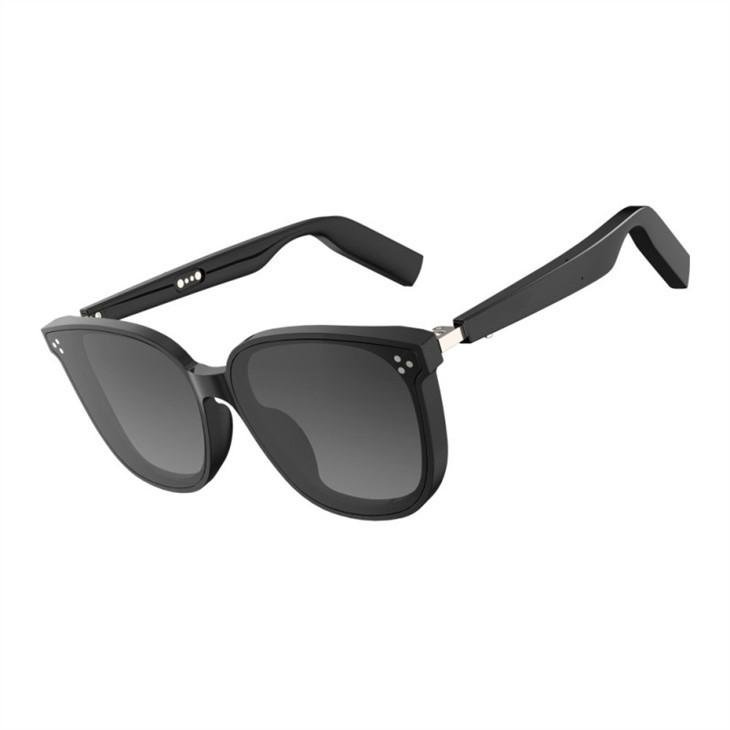
Ready to explore compliant smart glasses solutions for your business? Our team of manufacturing experts provides detailed regulatory guidance and product customization to meet your specific market requirements. Browse our complete catalog of camera-enabled smart glasses or contact our OEM/ODM team to discuss custom manufacturing solutions tailored to your regulatory environment.
