
Posted At: Jun 25, 2026 - 1,600 Views

The wearable technology market has reached a pivotal moment where differentiation separates successful product launches from forgettable ones. B2B buyers, distributors, and brands recognize that generic smart glasses no longer meet the sophisticated expectations of today's consumers. Customization has become the cornerstone of competitive strategy in this rapidly evolving industry.
Working with an experienced smart glasses manufacturer in China opens doors to comprehensive personalization options that span every aspect of product development. From frame aesthetics to software integration, brands can craft offerings that truly reflect their identity while meeting specific consumer demands across diverse market segments.
Understanding the Scope of Smart Glasses Customization
True product personalization extends far beyond adding a logo to existing designs. Modern smart glasses manufacturing encompasses multiple layers of customization that collectively determine how a product performs in its target market. Successful brands approach customization as a strategic decision that impacts positioning, pricing, and perceived value.
Industrial Design and Structural Customization
The physical form of smart glasses dictates not only aesthetic appeal but also comfort, durability, and functionality. Chinese manufacturers with established engineering capabilities can develop entirely new tooling based on brand specifications, creating frames that have never existed in the market before.
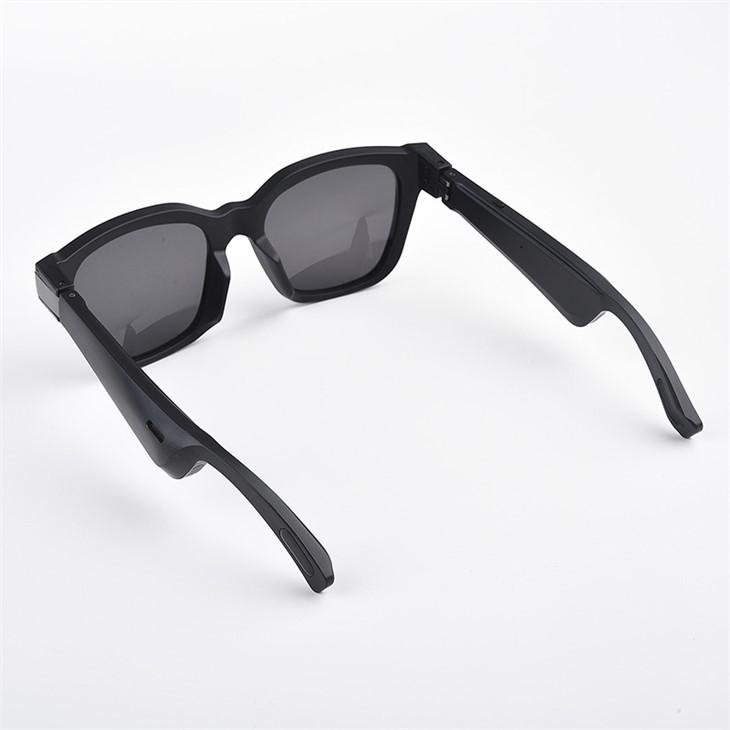
This process typically begins with conceptual sketches and progresses through 3D modeling, prototype development, and iterative refinement. Brands maintain full creative control throughout these stages, ensuring the final product aligns precisely with their vision. Material selection plays a critical role, with options including TR-90 nylon, stainless steel, titanium, and various polymer composites, each offering distinct advantages in weight, flexibility, and luxury perception.
For brands seeking faster market entry, manufacturers often provide modified existing platforms where structural changes remain limited to specific elements like temple width, hinge mechanisms, or nose pad configurations. This approach reduces development timelines while still achieving meaningful differentiation.
Technology and Feature Customization
Smart glasses vary dramatically in their technological capabilities, and brands must determine which features serve their target consumers best. Audio-enabled glasses represent one of the most accessible entry points, incorporating bone conduction or directional speakers for music playback and calls without isolating the user from their environment.
Advanced configurations integrate cameras for first-person video capture, heads-up displays for augmented reality experiences, and sophisticated sensor arrays measuring everything from movement to environmental conditions. The customization process involves selecting and integrating these components while ensuring they operate seamlessly within the designated form factor.
Software customization represents another critical dimension. Brands can commission proprietary applications, unique user interfaces, and branded experiences that distinguish their products from competitors. Some manufacturers offer turnkey solutions with pre-certified software platforms that significantly accelerate time-to-market.
White Label and Private Label Manufacturing Options
White label manufacturing provides the most streamlined path to market for brands seeking to resell smart glasses under their own identity. The manufacturer produces products using established designs, and the brand applies its branding, packaging, and marketing materials. This approach minimizes upfront investment and eliminates lengthy development cycles.
Private label arrangements offer greater flexibility by allowing modifications to existing platforms. Brands can request changes to colors, materials, finish quality, and included accessories while maintaining the core technological architecture. This balance between customization and efficiency proves attractive to many market entrants testing consumer response before committing to full custom development.
For established brands with specific technical requirements, original design manufacturer (ODM) partnerships enable complete customization where the manufacturer serves as a creative development partner rather than simply a production facility. These relationships typically involve shared intellectual property arrangements and longer-term strategic commitments.
Branding Integration Across Product Touchpoints
Effective personalization ensures brand identity permeates every customer interaction with the product. This extends from the physical item itself through packaging, documentation, and digital experiences. Manufacturers experienced in serving international brands understand these requirements intimately and maintain capabilities to execute them consistently.
Visual Branding Elements
Logo placement options include laser engraving on temples, embossed metal accents, printed graphics, and detachable brand badges. Each method offers distinct aesthetic qualities and cost implications. Finishing treatments like matte, glossy, or textured surfaces provide additional differentiation opportunities.
Color customization has evolved beyond simple paint application. Modern techniques include in-mold labeling, plating processes for metallic finishes, and advanced coating technologies that achieve unique visual effects while maintaining durability. Brands can develop signature colorways that become identifying characteristics of their product lines.
Packaging and Unboxing Experience
Unboxing represents a crucial brand moment, particularly for premium smart glasses. Custom packaging solutions range from simple branded boxes to elaborate presentation cases with specialized foam inserts, cleaning cloths, and welcome materials. Manufacturers typically maintain relationships with packaging suppliers who specialize in electronics products, enabling seamless coordination.
Documentation customization involves branded user manuals, warranty cards, and regulatory compliance information. Some brands incorporate surprise elements like personalized thank-you cards or QR codes linking to exclusive digital content, enhancing customer engagement from the first interaction.
Quality Assurance and Compliance Considerations
Customized products must meet the same quality and regulatory standards as mass-market alternatives. Reputable manufacturers implement comprehensive quality management systems covering incoming component inspection, in-process monitoring, and finished product testing. These systems ensure every unit meeting brand specifications leaves the facility ready for consumer use.
Different markets impose varying requirements regarding electromagnetic compatibility, electrical safety, and environmental regulations. Manufacturers serving global clients maintain certifications including ISO 9001, CE marking capability, FCC compliance testing, and RoHS documentation. Brands entering new geographic markets should verify their manufacturer possesses relevant certifications before production commitments.
Strategic Benefits of Custom Smart Glasses Development
Investing in product customization yields returns beyond immediate sales. Customized smart glasses create barriers to direct price competition because generic alternatives cannot match the specific value proposition. This differentiation protects margin structures and reduces vulnerability to commoditization pressures affecting undifferentiated product categories.
Brand perception improves when products clearly reflect organizational values and quality standards. A premium smart glasses line featuring custom finishes and proprietary features communicates sophistication and attention to detail, attributes that transfer to broader brand perception. This halo effect influences consumer behavior across all product categories.
Supply chain control strengthens through custom manufacturing relationships. Brands gain visibility into production processes, component sourcing, and capacity availability. This transparency enables better inventory planning and reduces risks associated with relying on off-the-shelf products that competitors might also source.
Comparative Customization Options by Product Type
Different smart glasses categories offer varying customization scopes based on their technological complexity and market positioning. Understanding these parameters helps brands set realistic expectations and allocate appropriate development resources.
| Product Category | Structural Customization | Technology Options | Branding Flexibility | Development Timeline |
|---|---|---|---|---|
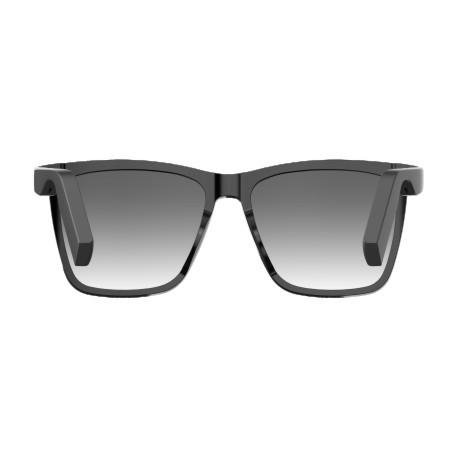
| Audio Sunglasses | High - Full platform development available | Speaker type, microphone configuration, touch controls | Complete logo and finish customization | 4-6 months for custom tooling |
| Polarized Smart Sunglasses | Medium - Modified existing platforms | Lens technology, UV protection level, tint options | Frame branding, packaging design | 2-4 months for modifications |
| Fitness/Sport Glasses | High - Sport-specific engineering | Sensor integration, GPS compatibility, metrics tracking | Performance-oriented branding elements | 5-7 months for custom development |
| Blue Light Gaming Glasses | Medium - Ergonomic modifications | Lens filtering technology, frame geometry | Gaming aesthetic integration | 2-3 months for specification changes |
Partner Selection Criteria for Custom Manufacturing
Identifying the right manufacturing partner determines success across every subsequent aspect of the customization journey. Beyond basic production capabilities, brands should evaluate partners across several strategic dimensions.
Technical expertise encompasses not only manufacturing proficiency but also engineering support for design refinement. Partners capable of providing design for manufacturing feedback help brands avoid costly errors that might only surface during production. This collaborative engineering approach accelerates development while reducing risk.
Communication infrastructure matters enormously when managing custom projects across time zones. Manufacturers providing dedicated account management, transparent progress reporting, and responsive issue resolution create conditions for successful outcomes. Language capabilities and cultural understanding further facilitate productive collaboration.
Production capacity alignment ensures the manufacturer can fulfill current orders while maintaining flexibility for growth. Vertically integrated facilities offering injection molding, assembly, and packaging capabilities reduce dependency on external suppliers and improve delivery reliability. Brands should verify capacity claims through facility tours or video documentation.
Market Positioning Through Custom Smart Glasses
Consumer electronics markets reward brands that demonstrate clear understanding of specific user needs. Custom smart glasses enable precise targeting of well-defined customer segments rather than attempting to serve everyone with compromise products.
Fitness-focused brands might emphasize sensor integration, sweat resistance, and secure fit during physical activity. Luxury brands prioritize premium materials, refined aesthetics, and exclusive limited editions. Tech-forward brands highlight cutting-edge features and seamless ecosystem integration. Each positioning requires different customization priorities and manufacturing approaches.
Geographic market characteristics also influence customization decisions. Climate variations affect lens and frame material requirements. Cultural preferences impact aesthetic choices and feature prioritization. Regulatory differences across regions may require hardware variations despite unified branding. Experienced manufacturers guide brands through these considerations toward optimized solutions.
Getting Started with Your Smart Glasses Customization Project
Initiating a custom smart glasses program requires systematic planning despite the excitement surrounding new product development. Brands should begin by clearly defining target consumer profiles, intended price positioning, and desired feature sets. These strategic parameters guide every subsequent decision throughout the development process.
Requesting prototypes from potential manufacturing partners provides tangible reference points for evaluating fit, finish, and technological performance. Many manufacturers offer sample programs enabling brands to assess existing platforms before committing to customization. This practical evaluation often reveals considerations not apparent during theoretical planning stages.
Building relationships with manufacturing representatives allows brands to communicate requirements while learning industry best practices. Experienced partners contribute insights from serving similar brands, potentially suggesting approaches that proved successful for comparable products. This collaborative discovery process often identifies opportunities brands might otherwise overlook.
The path from concept to consumer-ready product involves multiple phases, each presenting unique challenges and decision points. Brands partnering with capable manufacturers navigate these phases more smoothly, benefiting from established processes refined through countless previous projects. This experience advantage translates directly into faster time-to-market and reduced development risk.
Ready to Develop Your Custom Smart Glasses Line?
Personalization represents the future of smart glasses retail, and brands positioning themselves now will capture market share as consumer expectations continue rising. Whether seeking white label products for rapid market entry or pursuing fully custom development for maximum differentiation, the manufacturing landscape offers solutions matched to every strategic objective.
Our team specializes in helping B2B clients transform smart glasses concepts into market-ready products. From initial design consultation through mass production and global fulfillment, we provide comprehensive support ensuring your customization vision becomes reality. Connect with our engineering team to discuss your specific requirements and discover how partnership can accelerate your smart glasses program.
Explore our blue light gaming glasses collection to see examples of customizable platforms, or browse music call sunglasses options demonstrating diverse feature integration possibilities. Our product specialists welcome inquiries about custom development arrangements tailored to your brand's unique specifications.
