Posted At: Sep 02, 2026 - 73 Views

The smart glasses market has experienced remarkable growth, with major consumer electronics brands like Oppo entering the arena with innovative products. For B2B buyers, distributors, and brands seeking smart glasses manufacturing partnerships, understanding the competitive landscape and exploring OEM opportunities is essential for making informed sourcing decisions. This article examines the Oppo smart glasses ecosystem and presents compelling alternatives for companies looking for flexible, cost-effective smart eyewear manufacturing solutions.
The Rise of Oppo Smart Glasses in the Wearable Market
Oppo, a prominent Chinese smartphone manufacturer, has expanded its product portfolio to include smart glasses that integrate advanced audio technology, connectivity features, and stylish designs. Their smart glasses typically feature Bluetooth connectivity, built-in speakers, touch controls, and seamless integration with smartphone ecosystems. These products have garnered attention in the consumer market, demonstrating strong demand for smart eyewear that combines functionality with fashion.
However, for businesses seeking to enter or expand in the smart glasses market, partnering directly with established consumer brands like Oppo may present certain limitations. Customization requirements, minimum order quantities, brand positioning considerations, and the need for dedicated manufacturing partnerships often drive companies to explore alternative OEM and ODM manufacturing options that offer greater flexibility and specialization.
Why B2B Buyers Are Seeking Oppo Smart Glasses Alternatives
Several factors influence B2B buyers when selecting a smart glasses manufacturer. Understanding these considerations helps companies identify the right partnership model for their specific needs.
Customization and Brand Identity
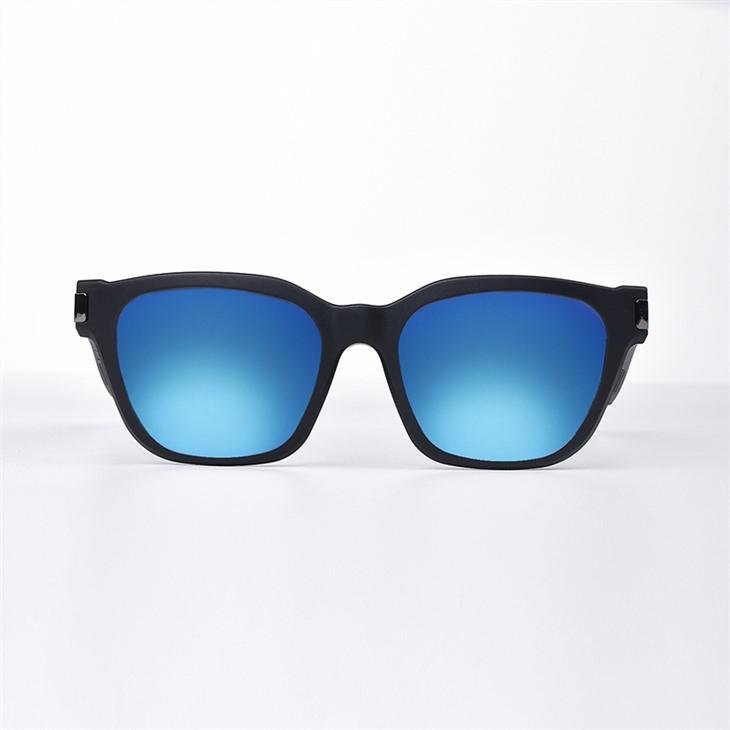
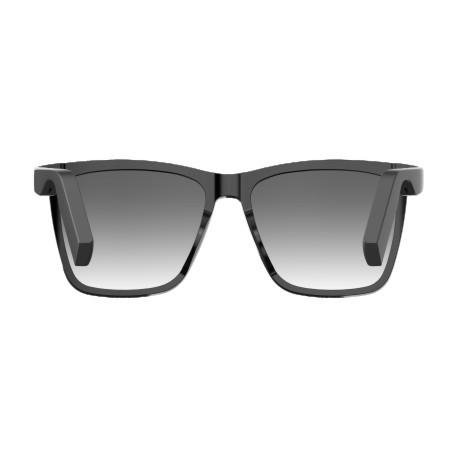
Companies looking to build distinctive product lines require extensive customization options. From frame materials and colors to audio specifications and branding elements, successful market positioning often depends on differentiation. Smart Fashion Bluetooth Sunglasses represent an example of how manufacturers can deliver products that align with specific brand aesthetics while maintaining competitive pricing for bulk orders.
Minimum Order Quantities and Flexibility
Major consumer brands typically require substantial minimum order quantities that may not suit smaller retailers, regional distributors, or emerging brands testing market demand. OEM manufacturers often provide more accessible entry points with lower MOQs, enabling businesses to start with smaller batches and scale production based on market performance.
Cost Efficiency and Margin Optimization
B2B buyers must carefully evaluate total costs, including manufacturing, shipping, import duties, and potential customization expenses. Working directly with specialized smart glasses factories in China often provides significant cost advantages compared to sourcing through consumer electronics intermediaries.
Key Features Driving Smart Glasses Demand
Modern smart glasses have evolved beyond simple audio playback to encompass multiple functionality categories that appeal to diverse consumer segments. Understanding these feature categories helps B2B buyers communicate their requirements effectively to manufacturers.
Audio Integration
Open-ear audio technology remains one of the most popular smart glasses features, allowing users to listen to music, take calls, and access virtual assistants without blocking environmental awareness. Wireless Speaker Sunglasses demonstrate how advanced audio components integrate seamlessly into stylish eyewear frames, delivering premium sound quality while maintaining comfort for extended wear.
Blue Light Protection
With increased screen time across all age groups, blue light filtering has become a critical feature for smart glasses. Products like Office Anti-blue Glasses address growing consumer awareness about digital eye strain, combining technological functionality with protective features that appeal to professionals and gamers alike.
Polarized Lenses and UV Protection
Outdoor-focused smart sunglasses incorporate polarized lenses, UV400 protection, and durable frame materials designed for active lifestyles. Bluetooth Audio Sunglasses Polarized Lenses exemplify how manufacturers combine advanced audio technology with premium optical features, creating products suitable for driving, sports, and outdoor recreation markets.
Gaming and Entertainment
The gaming peripheral market has embraced smart glasses technology, with specialized products featuring enhanced audio, low-latency connectivity, and comfortable designs for extended gaming sessions. Audio Gaming Glasses serve as an example of how manufacturers target specific use cases with tailored product specifications.
Smart Glasses Feature Comparison
When evaluating smart glasses manufacturers, B2B buyers should consider the following feature sets available from specialized OEM factories:
| Feature Category | Entry-Level Options | Premium Options | Customization Available |
|---|---|---|---|
| Audio Quality | Standard speakers, mono output | Directional audio, stereo, noise reduction | Full customization |
| Connectivity | Bluetooth 5.0 | Bluetooth 5.3, multipoint pairing | Protocol selection |
| Lens Options | Clear or basic tint | Polarized, photochromic, prescription | Complete lens customization |
| Battery Life | 4-6 hours | 8-12+ hours | Capacity optimization |
| Frame Materials | Standard plastics | TR90, titanium, aluminum | Material selection |
| Water Resistance | IPX4 splash resistant | IPX5/IPX6 rated | Sealing specifications |
The Advantages of Partnering with Specialized Smart Glasses Manufacturers
While established consumer electronics brands like Oppo have successfully popularized smart glasses, the market presents substantial opportunities for companies that partner with specialized manufacturers. These partnerships offer distinct advantages that can accelerate time-to-market, improve profit margins, and enable product differentiation.
Focused Expertise
Dedicated smart glasses factories concentrate exclusively on eyewear technology, continuously improving manufacturing processes, testing new materials, and refining audio integration techniques. This focused expertise often results in higher quality products compared to consumer electronics companies that produce smart glasses as a secondary product category.
Rapid Prototyping and Development
Specialized manufacturers typically offer faster prototyping cycles, enabling B2B buyers to validate designs and iterate quickly before committing to full production runs. This agility is particularly valuable for brands responding to emerging trends or testing multiple product variations simultaneously.
Comprehensive Manufacturing Services
From concept development to final packaging, established smart glasses manufacturers provide end-to-end services that streamline the supply chain. Multifunctional Smart Glasses demonstrate the capabilities of manufacturers who combine multiple technologies—audio, connectivity, and smart features—into cohesive product designs.
Market Trends Shaping Smart Glasses OEM Demand
Several market dynamics are creating favorable conditions for B2B buyers exploring smart glasses manufacturing partnerships. Understanding these trends helps companies position their product lines strategically and select manufacturers whose capabilities align with emerging opportunities.
Health and Wellness Integration
Consumer interest in health monitoring features continues to grow, with smart glasses increasingly incorporating blue light filtering, UV protection, and eye strain reduction technologies. Products like Smart Eye Protection Sunglasses address this demand by combining protective features with modern audio functionality.
Fitness and Outdoor Activities
The sports and fitness market represents a significant growth segment for smart glasses. Durable, water-resistant designs with secure fit systems and extended battery life appeal to runners, cyclists, hikers, and fitness enthusiasts who want audio guidance and music without sacrificing environmental awareness.
Professional and Enterprise Applications
Beyond consumer markets, smart glasses are finding applications in logistics, field service, healthcare, and manufacturing sectors. These enterprise applications often require specific certifications, durability standards, and integration capabilities that specialized manufacturers can accommodate more readily than mass-market consumer brands.
Sustainability and Material Innovation
Environmental consciousness influences purchasing decisions across demographic groups. Manufacturers exploring sustainable frame materials, recyclable packaging, and energy-efficient production processes appeal to brands seeking to enhance their environmental credentials and meet consumer expectations.
Evaluating OEM Manufacturing Partners
Selecting the right manufacturing partner requires careful evaluation of multiple factors beyond product specifications. B2B buyers should assess operational capabilities, quality assurance processes, communication efficiency, and scalability potential when establishing partnerships.
Production Capacity and Lead Times
Understanding a manufacturer's production capacity ensures they can meet current order requirements while accommodating future growth. Lead time transparency helps B2B buyers plan inventory, manage seasonal demand fluctuations, and coordinate marketing launches effectively.
Quality Control Standards
Consistent product quality requires rigorous quality control at every manufacturing stage. Inquire about inspection procedures, testing protocols, and certification compliance to ensure products meet market requirements and brand standards consistently.
Communication and Project Management
Effective communication bridges geographical distances and cultural differences. Partners who provide dedicated account management, regular progress updates, and responsive support facilitate smoother product development experiences and stronger long-term relationships.
Sport and Activity-Specific Smart Glasses Opportunities
Targeting specific activity segments enables brands to differentiate their offerings and command premium positioning. Mountain Climbing Polarized Sunglasses illustrate how manufacturers develop products optimized for particular outdoor activities, featuring enhanced durability, superior optical quality, and rugged construction.
Similarly, water sports enthusiasts benefit from smart glasses with enhanced water resistance and secure fit systems designed for active movement. The ability to customize products for specific use cases—cycling, running, fishing, golf—creates numerous market entry opportunities for brands willing to target niche segments.
Audio Technology Advancements in Smart Eyewear
Audio quality remains a critical differentiator in the smart glasses market. Manufacturers continue advancing speaker technology, sound isolation, and acoustic tuning to deliver increasingly sophisticated listening experiences. Directional audio systems minimize sound leakage while providing clear playback, addressing privacy concerns that previously limited smart glasses adoption in public settings.
Microphone quality improvements have similarly expanded smart glasses utility for hands-free calling and voice assistant interaction. Beamforming microphone arrays and advanced noise cancellation algorithms enable clear communication even in challenging acoustic environments.
Getting Started with Smart Glasses OEM Partnerships
For B2B buyers ready to explore smart glasses manufacturing opportunities, beginning with clear product requirements and realistic timelines improves partnership success. Start by defining target price points, minimum order quantities, essential features, and desired customization levels. Research potential manufacturers' capabilities, request samples, and engage in detailed discussions about production processes and quality assurance measures.
Building strong relationships with manufacturing partners creates long-term competitive advantages. As products succeed in the market, established partnerships enable rapid scaling, continuous improvement, and access to new technologies as they become available.
The smart glasses market continues evolving rapidly, presenting ongoing opportunities for brands willing to invest in quality products and reliable manufacturing partnerships. Whether exploring alternatives to established consumer brands or developing entirely new product categories, companies that align with capable manufacturing partners position themselves for sustainable growth in this dynamic market segment.
Next Steps for B2B Buyers
Explore our comprehensive product catalog to discover smart glasses solutions that match your market requirements. Our manufacturing team welcomes inquiries about customization options, bulk pricing, and partnership development. Request product samples to evaluate quality firsthand, and schedule consultations to discuss your specific project requirements in detail.
With flexible MOQs, comprehensive manufacturing services, and dedicated support for B2B partners, we help brands bring innovative smart glasses to market efficiently. Contact our sales team today to begin developing your smart eyewear product line.