
Posted At: Aug 05, 2026 - 1,193 Views

The open water presents unique challenges that traditional eyewear simply cannot address. Salt spray, harsh sunlight reflecting off waves, the need for hands-free communication, and navigation assistance while keeping your eyes on the horizon all demand smarter solutions. Smart sunglasses designed specifically for marine applications are answering these calls, and for B2B buyers in the boating accessories space, this represents a remarkable opportunity to differentiate your product portfolio.
Manufacturers specializing in smart glasses OEM and ODM production have recognized the marine segment as a high-growth vertical. The combination of Bluetooth connectivity, polarized lens technology, integrated audio systems, and increasingly sophisticated sensor arrays creates products that serve both recreational boaters and commercial maritime professionals. Understanding what distinguishes marine-grade smart sunglasses from their land-based counterparts is essential for anyone looking to source or manufacture products in this space.
Understanding the Marine Environment's Demands on Smart Eyewear
Boating environments subject equipment to conditions that would quickly destroy ordinary electronics. Constant exposure to saltwater, high humidity, intense UV radiation, and the physical demands of a moving vessel all factor into how marine smart sunglasses must be designed and manufactured. The best smart glasses factories producing marine-specific products address these challenges through careful material selection, enhanced waterproofing protocols, and specialized lens coatings.
Temperature fluctuations on the water present another consideration that OEM manufacturers must account for. A product that functions perfectly in a climate-controlled retail environment may fail when used in tropical heat or cold northern waters. Quality-focused production facilities conduct environmental testing across a broad temperature range to ensure reliability regardless of where the end user operates their vessel.
The physical stresses of marine use also deserve attention. Smart sunglasses for boating must withstand the occasional impact, whether from equipment shifting during rough water or the inevitable moment when they slip from your face. Robust hinge mechanisms, flexible temple arms, and secure fit designs distinguish professional-grade marine eyewear from mass-market alternatives that may look similar but lack the durability required for serious maritime use.
Polarized Lens Technology: The Foundation of Marine Smart Eyewear
No discussion of smart sunglasses for boating would be complete without addressing polarized lens technology. When sunlight strikes water, it becomes horizontally polarized, creating intense glare that not only impairs vision but causes eye strain and fatigue. Polarized lenses filter this reflected light, allowing boaters to see beneath the water surface and reducing the dangerous blind spots created by glare.
For smart sunglasses manufacturers, integrating polarized lens technology requires careful consideration of how the polarizing film interacts with any embedded displays or sensors. Some smart glasses factory operations have developed proprietary methods for embedding polarized layers without compromising the functionality of built-in electronics. The result is products that deliver the visual benefits of polarization while maintaining the connectivity and audio features that define smart eyewear.
Beyond polarization, marine-specific lens treatments include hydrophobic coatings that cause water to bead and roll off the surface rather than forming continuous films that obscure vision. Salt-resistant coatings protect against the corrosive effects of seawater, while anti-scratch layers ensure the lenses maintain clarity even with heavy use. When evaluating OEM partners, B2B buyers should inquire specifically about the lens technologies incorporated into their marine product lines.
Water-Resistant Audio Systems for Maritime Communication
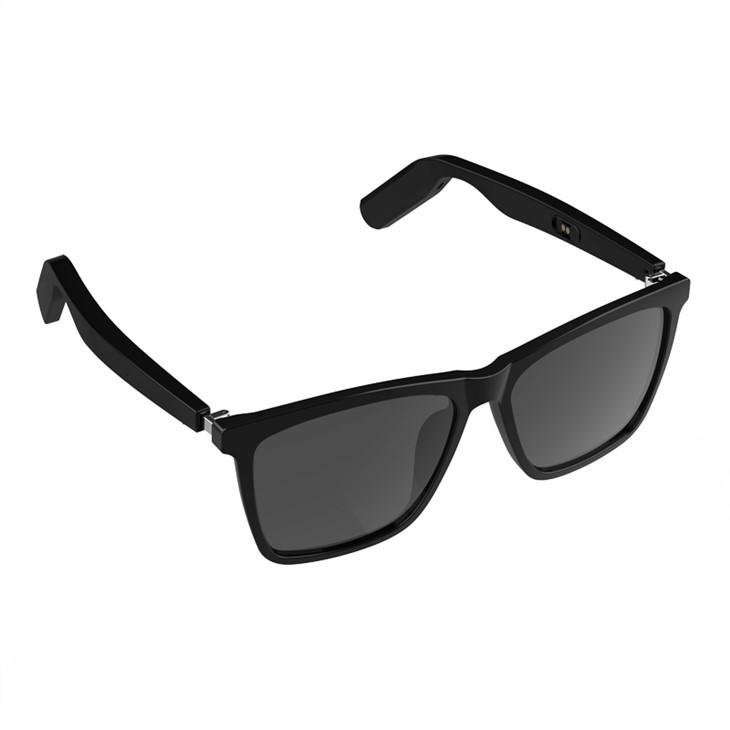
Communication on the water presents distinct challenges that audio-enabled smart sunglasses are uniquely positioned to address. Whether coordinating with crew members, receiving navigation instructions, or staying connected to shore-based contacts while offshore, clear audio transmission and reception are critical for safety and efficiency. The Smart Bluetooth Polarizing Driving Mirror exemplifies how manufacturers are approaching this challenge, combining premium polarized lenses with Bluetooth connectivity for seamless audio integration.
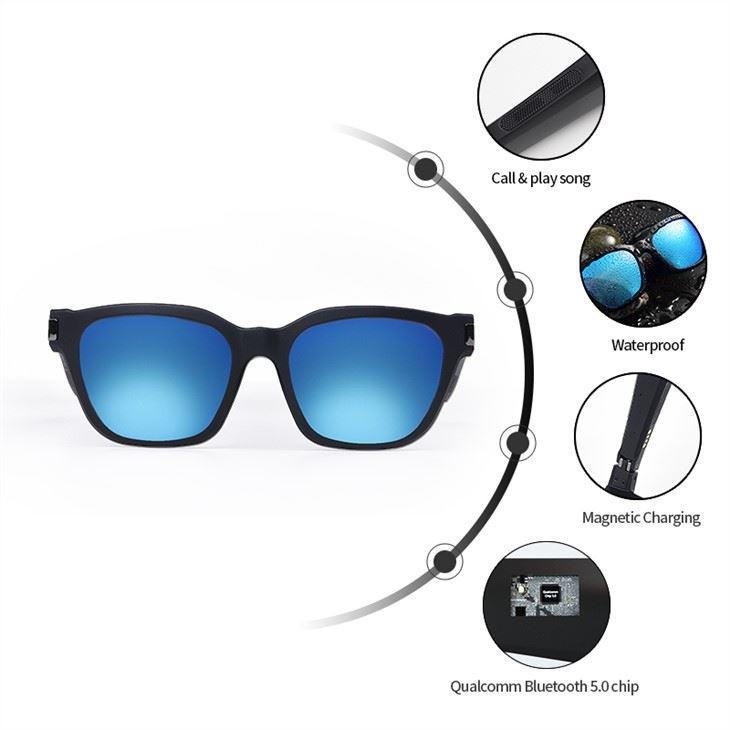
Water resistance for audio components goes far beyond what standard consumer electronics ratings typically require. Marine smart sunglasses must function reliably in conditions where splash exposure is constant and occasional full immersion is possible. IPX7 and IPX8 ratings indicate varying degrees of water resistance, with the highest-rated products capable of surviving temporary submersion at specified depths. For B2B procurement, understanding these ratings and matching them to your target market's needs ensures you source products appropriate for the use cases your customers will encounter.
Open-ear audio systems, where sound reaches the wearer without blocking the ear canal, prove particularly valuable in marine environments. Maintaining awareness of surrounding sounds, including other vessels, marine warning signals, and crew communications, remains essential for safe operation. Smart sunglasses with bone-conduction or directional speaker systems deliver audio directly to the wearer while preserving the environmental awareness that keeps boaters safe.
GPS Integration and Navigation Assistance
The integration of GPS functionality into smart sunglasses represents a significant advancement for maritime navigation. Rather than glancing down at a chartplotter or mobile device, boaters can receive turn-by-turn directions and position information through their eyewear, keeping their eyes fixed on the water ahead where they belong. Some advanced implementations include heads-up display elements that overlay navigation information onto the real-world view, though this technology remains at the premium end of the market.
For smart glasses OEM manufacturers, incorporating GPS functionality requires careful attention to antenna placement and signal reception. The metal components in traditional eyewear frames can interfere with GPS signals, necessitating creative engineering solutions. Many manufacturers have developed composite frame designs that position GPS antennas in optimal locations while maintaining the aesthetic appeal that boaters expect from their sunglasses.
Battery life presents another consideration for GPS-enabled marine smart sunglasses. Continuous GPS tracking demands significant power, and boaters may spend long hours on the water between charging opportunities. Efficient power management systems, including motion-activated sleep modes and intelligent GPS polling rates, help extend battery life while maintaining the functionality users depend on for safe navigation.
Durability Standards and Testing for Marine Applications
Professional marine equipment must meet rigorous durability standards that exceed typical consumer electronics specifications. Salt spray testing, where products are exposed to concentrated saltwater mist for extended periods, verifies corrosion resistance. UV exposure testing confirms that materials and electronics can withstand prolonged sunlight without degradation. Drop testing and impact resistance verification ensure that products survive the physical demands of real-world marine use.
For B2B buyers evaluating potential manufacturing partners, requesting documentation of testing protocols and certifications provides valuable insight into product quality. ISO 9001 quality management certification indicates systematic manufacturing processes, while specific marine industry certifications demonstrate commitment to the unique demands of this market segment. Products tested to military specifications often exceed what commercial marine applications require, providing additional margin of safety.
Material selection significantly impacts long-term durability in marine environments. Frame materials range from traditional plastics through advanced polymers to metal alloys, each with distinct advantages. Injection-molded polymers offer cost-effective production with good corrosion resistance. Premium products may incorporate aerospace-grade aluminum or titanium components that provide exceptional durability with minimal weight penalty. Understanding the tradeoffs between material options helps B2B purchasers select products aligned with their market positioning and price points.
Market Opportunities for B2B Buyers in Marine Smart Eyewear
The marine electronics and accessories market continues expanding as more people discover boating and water sports. This growth drives demand for innovative products that enhance the on-water experience while addressing the practical challenges of maritime environments. Smart sunglasses occupy a unique position at the intersection of fashion, technology, and utility, making them attractive to a broad consumer base ranging from weekend recreational boaters to professional mariners.
OEM partnerships with established smart glasses factories offer several advantages for brands entering or expanding in this market. Access to proven designs reduces development risk and time-to-market. Economies of scale from established production lines translate to competitive unit costs. Quality control systems developed over years of manufacturing experience help ensure consistent product quality across production runs. These factors combine to make OEM partnerships particularly attractive for companies without in-house manufacturing capabilities.
ODM arrangements provide additional flexibility for brands seeking to differentiate their offerings. Custom colorways, logo placement, and packaging options allow brands to create distinctive products without investing in entirely new engineering. Some smart glasses manufacturers offer modular designs where brands can select different combinations of features, lenses, and frame styles to create product variants suited to different market segments or price points.
Customization Options for Brand Positioning
Successful marine accessory brands understand that product differentiation drives both margin and customer loyalty. Smart sunglasses present numerous opportunities for customization that extend beyond simple branding. Lens colors and darkness levels can be tailored to specific water conditions and user preferences. Frame sizes and shapes can accommodate different face shapes and fit preferences. Feature sets can be scaled to create product families that appeal to entry-level through professional market segments.
Packaging and accessories represent additional customization opportunities that influence both perceived value and actual user experience. Premium products might include protective cases, cleaning supplies, and floating straps that address real boater needs. Sustainable packaging options appeal to environmentally conscious consumers who increasingly consider the ecological impact of their purchasing decisions. Thoughtful accessories packages transform smart sunglasses from commodity purchases into considered investments.
Software customization has emerged as another differentiation avenue as smart sunglasses increasingly incorporate app-based controls and cloud connectivity. Brands can develop proprietary applications that provide unique features or integrate with their existing product ecosystems. This approach requires more substantial investment but creates competitive advantages that are difficult for competitors to replicate quickly.
Supply Chain Considerations for Marine Smart Eyewear
Sourcing smart sunglasses for marine applications requires attention to the complete supply chain, not just the finished product. Component availability affects production timelines and consistency. Polarized lens films, Bluetooth modules, battery cells, and frame materials all require reliable sourcing. Established smart glasses manufacturers maintain relationships with component suppliers that ensure steady access to quality materials regardless of broader market conditions.
Quality assurance protocols should extend throughout the production process rather than focusing solely on finished product inspection. In-process quality checks catch defects before they become expensive to address. Statistical process control techniques identify trends that might indicate emerging problems. For B2B buyers, understanding a manufacturer's quality management approach provides confidence that products will meet expectations consistently.
Logistics and inventory management become particularly important for seasonal marine products. Boating seasons vary by region, creating concentrated demand periods that require flexible manufacturing capacity. The best smart glasses factory partners can scale production to meet peak demand while avoiding the inventory overhang that results from overproduction. Just-in-time manufacturing approaches minimize working capital requirements while ensuring products arrive when customers need them.
Future Trends in Marine Smart Eyewear
The evolution of marine smart sunglasses continues accelerating as technology advances and market demand grows. Augmented reality displays that overlay navigation information, marine wildlife identification, and real-time weather data directly onto the wearer's view represent the next frontier. While current AR implementations remain limited by power consumption and display technology constraints, ongoing development promises increasingly capable systems.
Artificial intelligence integration is beginning to influence marine smart eyewear in subtle ways. Voice assistants that understand nautical terminology, automatic identification of marine hazards, and predictive maintenance alerts for vessel systems all represent AI applications in development or early deployment. As these technologies mature, they will create opportunities for manufacturers and brands that position themselves at the forefront of innovation.
Sustainability considerations are influencing product development across the marine industry. Biodegradable frame materials, recyclable components, and reduced packaging waste appeal to environmentally conscious consumers. Solar charging capabilities that extend battery life reduce the need for traditional charging infrastructure, particularly valuable for extended voyages. Manufacturers investing in sustainable production methods position themselves favorably as consumer preferences continue shifting toward environmentally responsible products.
Partnering with the Right Smart Glasses Manufacturer
Success in the marine smart sunglasses market depends significantly on choosing the right manufacturing partner. Experience with marine-specific requirements, demonstrated quality control systems, and responsive communication throughout the partnership distinguish excellent manufacturers from those that merely offer competitive pricing. Factory visits, when feasible, provide insights that documentation alone cannot convey.
Intellectual property protection merits careful attention in partnerships with overseas manufacturers. Clear agreements regarding design ownership, manufacturing exclusivity, and non-disclosure obligations protect the investments brands make in product development. Reputable smart glasses factories understand these concerns and maintain policies that address them proactively rather than requiring extensive negotiation.
The marine smart sunglasses market offers substantial opportunities for brands prepared to invest in quality products and thoughtful positioning. As boaters increasingly expect their equipment to deliver smart capabilities comparable to their everyday devices, demand for sophisticated marine eyewear will continue growing. Companies that establish strong manufacturing partnerships now position themselves to capture market share as this segment matures.
Whether you represent a established marine brand looking to expand your product range or an emerging company seeking to establish presence in the boating accessories market, smart sunglasses present a compelling opportunity. The combination of practical marine functionality, desirable smart features, and fashion-forward design creates products that serve real customer needs while supporting healthy margins throughout the distribution channel.
Taking the Next Step
The marine smart sunglasses segment represents one of the most promising growth areas in the broader smart eyewear market. For B2B buyers ready to explore partnership opportunities with experienced smart glasses manufacturers, now is the ideal time to initiate conversations about your specific requirements and objectives. Quality-focused factories with proven marine product experience can guide you through the product development process, from initial concept through production and delivery.
Request detailed product specifications, testing documentation, and references from other marine industry clients when evaluating potential partners. The investment of time in thorough due diligence pays dividends through successful product launches and sustained customer satisfaction. With the right manufacturing partnership, your brand can offer smart sunglasses that truly meet the demanding requirements of marine environments while delivering the connectivity and convenience that modern boaters expect.
Explore the available product options and reach out to discuss how a customized marine smart sunglasses program can support your business objectives. The water awaits, and the smart glasses to navigate it are ready to be developed.
