
Posted At: Nov 03, 2026 - 155 Views

In an era where seamless connectivity defines professional success, the question isn't whether technology can keep pace with our communication needs—it already has. Smart glasses making calls have emerged as a game-changing solution for industries ranging from logistics to healthcare, from retail to field services. For businesses seeking to capitalize on this growing market, understanding the technology behind hands-free calling glasses is essential before entering into OEM partnerships or placing manufacturing orders.
The evolution from traditional Bluetooth headsets to sophisticated calling smart glasses reflects a broader consumer demand for integrated, unobtrusive communication devices. These aren't merely novelty items; they represent a fundamental shift in how professionals interact with their digital ecosystems while maintaining situational awareness and professional presence.
How Smart Glasses Enable Hands-Free Calling
Modern Bluetooth calling glasses leverage wireless connectivity to pair with smartphones and other devices, creating an immersive communication experience without the need to handle a phone or wear intrusive earpieces. The technology combines advanced audio transmission, microphone arrays, and intuitive controls to deliver crystal-clear voice calls while keeping your hands free for tasks that matter.
At the core of these devices, Bluetooth 5.0 and newer protocols ensure stable, low-latency audio streaming with minimal battery drain. The integration of bone conduction or directional speaker technology allows users to hear callers clearly while maintaining awareness of their surroundings—a critical safety feature for driving, industrial work, or retail environments.
Microphone Technology in Calling Smart Glasses
The quality of voice transmission separates premium calling smart glasses from budget alternatives. High-end models incorporate multiple microphone arrays with advanced noise-cancellation algorithms, filtering out background noise while capturing clear voice input. This technology proves particularly valuable in busy work environments where clarity isn't optional—it's operational necessity.
Beamforming microphone technology specifically targets the user's voice while suppressing ambient sounds, ensuring that colleagues and clients hear you clearly regardless of whether you're in a quiet office or a bustling warehouse floor. This sophisticated audio processing transforms smart glasses from a convenient gadget into a reliable business communication tool.
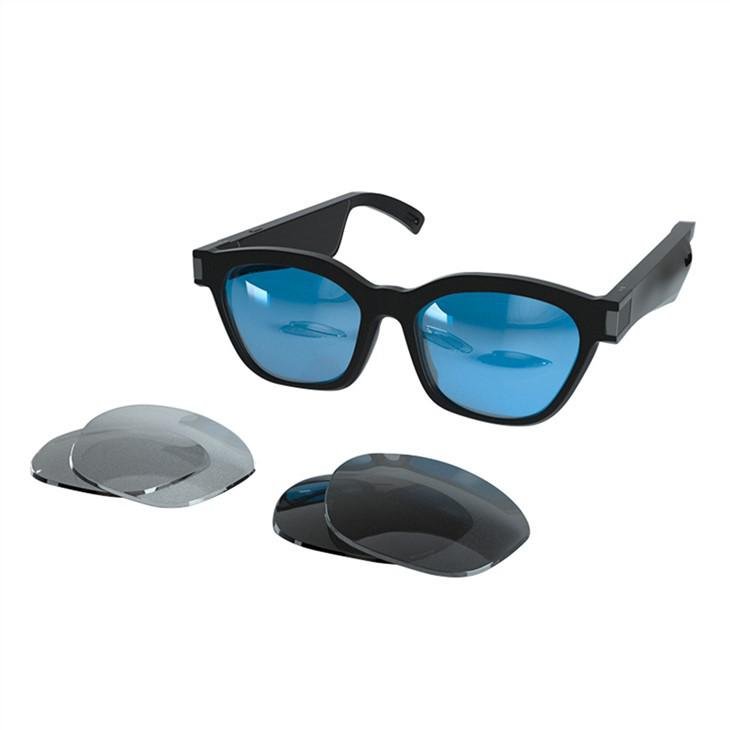
Key Features B2B Buyers Should Evaluate
When sourcing smart glasses with calling capabilities for your brand or distribution network, several technical specifications demand careful attention. These features directly impact user satisfaction, return rates, and ultimately your reputation in the market.
- Audio Quality Standards: Look for devices supporting HD voice codecs and featuring noise cancellation rated above 25dB reduction for optimal call clarity in varied environments.
- Battery Performance: Talk time of 4-6 hours minimum with standby duration exceeding 80 hours indicates production-grade components rather than cost-reduced alternatives.
- Bluetooth Compatibility: Multi-point connectivity allowing simultaneous pairing with two devices adds significant value for professionals managing personal and work phones.
- Control Mechanisms: Touch, voice, and physical button options provide flexibility across use cases and user preferences.
- Frame Durability: Industrial-grade materials ensure these devices survive daily professional use rather than consumer-level construction.
Industry Applications Driving Demand
The market for calling smart glasses extends far beyond early adopters and tech enthusiasts. Real business needs across multiple sectors fuel sustained demand, creating opportunities for brands and distributors who position themselves correctly in this space.
Logistics and warehouse operations benefit tremendously from hands-free communication. Workers receiving verbal instructions while scanning packages or operating equipment maintain productivity without fumbling with handheld devices. The safety implications alone—keeping hands on tasks and eyes on surroundings—justify the investment for many enterprise buyers.
Healthcare professionals increasingly adopt calling smart glasses for instant consultations without interrupting procedures. A surgeon consulting with a specialist, a nurse coordinating with pharmacy staff, or an emergency responder relaying patient information—these scenarios demonstrate the practical value of unobtrusive voice communication in critical situations.
Field service technicians representing HVAC, telecommunications, and utility companies find calling smart glasses invaluable for real-time support from distant experts. Rather than describing problems haltingly or wrestling with phone cameras, technicians can see what they see while their hands remain free for actual repair work.
Retail and Hospitality Implementations
The retail sector presents substantial opportunities for smart glasses with calling functionality. Sales associates checking inventory, coordinating with stockrooms, or consulting with styling experts deliver elevated customer experiences without stepping away or appearing distracted by phone use. Hospitality staff similarly benefit from discreet communication that maintains guest attention and service quality.
Consider the scenario of a high-end boutique where a sales associate assists a customer trying on items. With talk music sunglasses or dedicated calling glasses, the associate could instantly message the styling department for complementary suggestions, check inventory across locations, or request different sizes from the back—all while the customer feels genuinely attended to rather than abandoned.
Understanding the Technology Stack
Successful product development and sourcing require familiarity with the underlying technology that enables smart glasses calling functionality. This knowledge empowers B2B buyers to ask informed questions and evaluate manufacturer capabilities rather than accepting marketing claims at face value.
| Component | Standard Specification | Premium Specification | Business Impact |
|---|---|---|---|
| Bluetooth Version | Bluetooth 4.2 | Bluetooth 5.2+ | Range, battery efficiency, audio latency |
| Microphone Array | Single mic with basic DSP | 4+ mic array with ANC | Call clarity in noisy environments |
| Speaker Type | Open-ear directional | Bone conduction or hybrid | Audio privacy and ambient awareness |
| Battery Capacity | 80-120mAh | 150-250mAh | Full workday usage capability |
| Charging Method | Proprietary magnetic | USB-C or wireless Qi | User convenience and universality |
| Water Resistance | IPX3 splash resistant | IPX5+ sweat/rain proof | Outdoor and fitness viability |
This comparison illustrates why price alone shouldn't drive purchasing decisions. The gap between standard and premium specifications often determines whether a product succeeds in demanding professional applications or fails spectacularly, generating returns and damaging brand reputation.
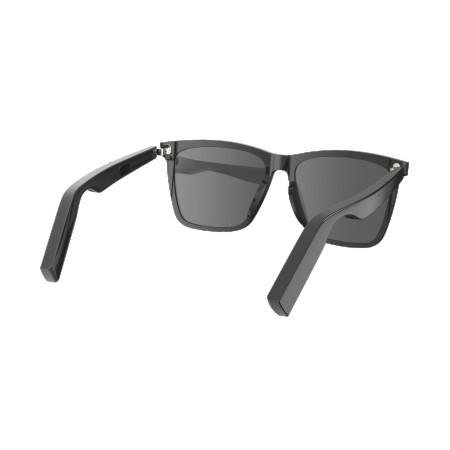
Market Outlook and Business Opportunity
The global smart glasses market continues expanding as enterprise adoption accelerates beyond initial pilot programs. Communication functionality—particularly voice calling—represents the most immediate use case driving purchase decisions, ahead of augmented reality features that remain compelling but less immediately practical for most buyers.
For distributors and brands, positioning smart glasses calling products requires understanding your target customer's workflow pain points. The value proposition isn't simply "wearable technology" but rather "solution to hands-busy communication challenges" or "enhancement to worker safety and productivity." This framing resonates more strongly with procurement departments justifying technology investments.
OEM partnerships with experienced manufacturers allow brands to customize calling smart glasses for specific market segments. A brand targeting healthcare markets might prioritize clinical white aesthetics and enhanced antimicrobial materials, while one focused on logistics emphasizes rugged construction and extended battery life. The flexibility of OEM arrangements enables this customization without requiring vertical integration.
Sourcing Considerations for International Buyers
Partnering with manufacturers in China offers significant advantages for smart glasses with calling capabilities: established supply chains for audio components, competitive pricing driven by manufacturing scale, and technical expertise accumulated across millions of units produced. However, due diligence remains essential to ensure quality consistency and reliable delivery schedules.
Quality verification processes should include audio testing protocols, Bluetooth compatibility verification across device ecosystems, and durability assessment simulating extended professional use. Requesting pre-production samples and conducting third-party testing provides confidence before committing to volume orders.
Communication clarity and response times during the negotiation phase often predict the actual partnership experience. Manufacturers who respond promptly with detailed technical information demonstrate operational competence that translates to reliable production execution.
Positioning Your Brand for Success
The competitive landscape for calling smart glasses rewards brands that understand their customers deeply. Rather than competing purely on specifications and price, successful market entry requires identifying underserved niches and developing products and marketing messages specifically addressing those needs.
Consider the difference between marketing generic "smart glasses" versus positioning products as Bluetooth glasses for driving music and calls designed for professionals who spend significant time in vehicles. The latter specification immediately communicates relevance to a defined audience, simplifying purchase decisions for potential buyers who recognize their own needs described precisely.
After-sales support and warranty coverage represent additional differentiation opportunities. Enterprise buyers accustomed to traditional electronics purchasing expect reasonable guarantee periods and accessible support channels. Building these expectations into your product offering rather than treating them as afterthoughts strengthens brand positioning.
Future Developments in Smart Glasses Communication
The trajectory of calling smart glasses points toward increasingly sophisticated capabilities. Integration with AI assistants for voice-activated task execution, real-time language translation during calls, and seamless handoff between calls and other communication channels represent natural evolution paths already visible in current development pipelines.
Advancements in battery technology and power efficiency will extend usage times while reducing frame thickness and weight—addressing aesthetic concerns that currently limit adoption among style-conscious consumers. Simultaneously, improvements in microphone and speaker technology will narrow the quality gap between smart glasses and dedicated headsets.
For B2B buyers planning long-term product roadmaps, partnering with manufacturers committed to continuous improvement ensures your product line evolves alongside technological capabilities rather than becoming outdated prematurely.
Take the Next Step
The market opportunity for smart glasses with calling functionality is substantial and growing. Whether you're expanding an existing electronics product line, launching a new wearable brand, or seeking reliable OEM partners for enterprise procurement, understanding the technology and supplier landscape positions you for successful market entry.
Our manufacturing facility specializes in producing high-quality calling smart glasses for brands and distributors worldwide. We offer flexible OEM and ODM arrangements, from logo customization to complete product development support. Our engineering team works directly with buyers to ensure specifications align with target market requirements and quality expectations.
Ready to discuss your smart glasses project? Request a consultation with our product specialists to review technical requirements, receive samples for evaluation, and explore partnership possibilities. We're committed to helping B2B partners bring successful calling smart glasses products to market efficiently and profitably.
