
Posted At: Sep 07, 2026 - 17 Views

The smart glasses market continues to expand rapidly, with consumers increasingly seeking branded experiences that blend cutting-edge technology with recognizable intellectual property. For B2B buyers, distributors, and brands looking to enter this space, partnering with a licensed smart glasses OEM manufacturer offers a strategic pathway to market without the burden of developing proprietary technology from scratch.
Licensing agreements and IP partnerships have become cornerstone strategies in the wearables industry. These arrangements allow brands to leverage established intellectual property while manufacturers bring production expertise, regulatory compliance knowledge, and scalable manufacturing capabilities to the table. Understanding how these partnerships work is essential for any organization seeking to capitalize on the growing demand for smart eyewear.
Understanding IP & Brand Licensing in Smart Glasses Manufacturing
Intellectual property licensing in the smart glasses sector encompasses several distinct categories. Copyright licensing covers design elements, software interfaces, and user experience features. Trademark licensing involves brand names, logos, and visual identity systems that consumers recognize and trust. Patent licensing addresses the underlying technology components that make smart glasses functional, from display systems to audio integration.
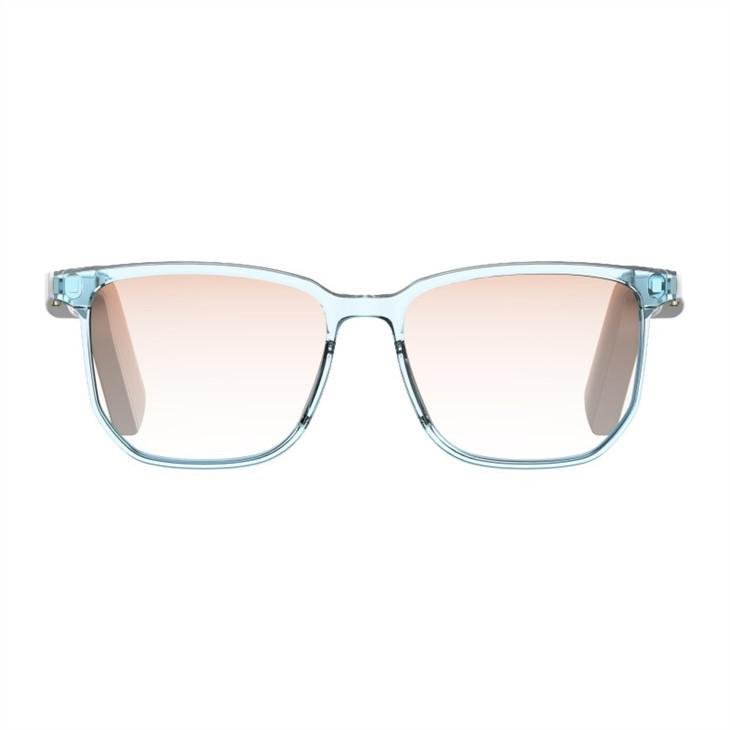
Brand partnerships in this context typically involve entertainment properties, sports franchises, fashion houses, or technology companies that own valuable IP and wish to extend their brand into the wearables category. A Bluetooth Call Sunglasses manufacturer with licensing capabilities can produce products bearing licensed characters, team logos, or brand elements that would otherwise require years of development and significant capital investment to create independently.
Why B2B Buyers Choose Licensed Smart Glasses OEM Partners
B2B buyers select licensed smart glasses OEM manufacturers for several compelling reasons that directly impact their bottom line and time-to-market. First, licensing eliminates the substantial research and development costs associated with creating smart eyewear technology from the ground up. Manufacturers with established licensing relationships have already navigated the complex landscape of technology patents, brand guidelines, and quality standards.
Second, speed to market becomes dramatically accelerated. Building internal capabilities for smart glasses production typically requires 18-24 months of development time. Working with an established OEM partner that already holds relevant licenses can reduce this timeline to a fraction, allowing brands to capture market opportunities before competitors who pursue independent development paths.
Third, risk mitigation plays a crucial role. Licensed products from established OEMs come with proven track records, established supply chains, and regulatory certifications. This reduces the probability of costly product failures, recalls, or legal complications that can devastate brands entering new product categories.
Types of Licensing Models Available Through OEM Partnerships
Smart glasses OEM manufacturers typically offer several licensing arrangement structures to accommodate different business models and objectives. Understanding these models helps B2B buyers select the approach that best aligns with their strategic goals.
Turnkey Licensed Production
Turnkey production represents the most comprehensive licensing option, where the OEM manufacturer handles everything from design through delivery. The manufacturer maintains existing licensing agreements with IP holders, manages production, and delivers finished products ready for distribution. B2B buyers essentially rebrand products that already incorporate licensed elements, whether those are character designs, brand imagery, or technology patents.
Co-Development Licensing
Co-development arrangements allow brands to participate more actively in product creation while leveraging OEM licensing relationships. In this model, the manufacturer provides technology platform licensing while the brand contributes design direction, material selections, and market positioning expertise. This hybrid approach produces products that feel authentically aligned with the brand while benefiting from the manufacturer's technical capabilities.
Sub-Licensing Arrangements
Some OEM manufacturers offer sub-licensing pathways where established brand partnerships can be extended across multiple product categories or geographic regions. This arrangement works particularly well for brands with existing licensing portfolios who wish to expand into smart glasses without renegotiating licensing terms from scratch.
The Manufacturing Process for Licensed Smart Glasses
Licensed smart glasses production follows a structured methodology that balances creative requirements with manufacturing efficiency. The process begins with licensing verification and agreement finalization, where the OEM confirms existing relationships with IP holders and establishes the specific terms under which products can be manufactured for the client.
Design adaptation follows, translating brand guidelines and licensing requirements into manufacturable specifications. This stage involves detailed collaboration between the brand's creative team and the manufacturer's engineering specialists. Colors, materials, finishes, and packaging must all meet both brand standards and licensing approval requirements.
Prototype development produces samples that undergo rigorous approval processes involving multiple stakeholders. Brand managers review aesthetic elements, licensing representatives verify compliance with usage guidelines, and quality assurance teams validate manufacturing feasibility. Iteration at this stage prevents costly errors during mass production.
Mass production commences following approval, with the OEM managing component sourcing, assembly, quality control, and logistics. Throughout production, regular audits ensure ongoing compliance with licensing specifications and quality standards. Final inspection before shipment confirms that every unit meets the exacting standards required for licensed products.
Quality Assurance & Compliance Considerations
Licensed smart glasses must satisfy quality and compliance requirements that extend beyond standard manufacturing specifications. IP holders maintain exacting standards for products bearing their marks, understanding that inferior products damage brand equity and consumer trust.
Material compliance represents a critical consideration, particularly for products distributed across multiple jurisdictions. Regulations governing materials that contact skin, electronic component safety, and environmental restrictions vary significantly between markets. OEM manufacturers with licensing experience maintain comprehensive compliance documentation and testing protocols that satisfy requirements across major market regions.
Durability testing ensures that licensed products perform consistently throughout their expected lifespan. Smart glasses face unique challenges compared to traditional eyewear, incorporating hinges, electronic components, and battery systems that must withstand daily use patterns. Accelerated life testing protocols validate product reliability before production approval.
Software compliance matters increasingly as smart glasses incorporate more sophisticated functionality. Licensing arrangements that involve software elements require verification that updates, security patches, and feature modifications maintain compliance with licensing terms. OEM manufacturers with established software development capabilities can manage these ongoing requirements effectively.
Market Applications & Distribution Opportunities
Licensed smart glasses serve diverse market segments, each presenting distinct opportunities for B2B buyers and distributors. Entertainment properties drive significant demand, particularly during major film releases, franchise expansions, or anniversary celebrations. Products featuring beloved characters or iconic imagery generate strong consumer interest and command premium pricing.
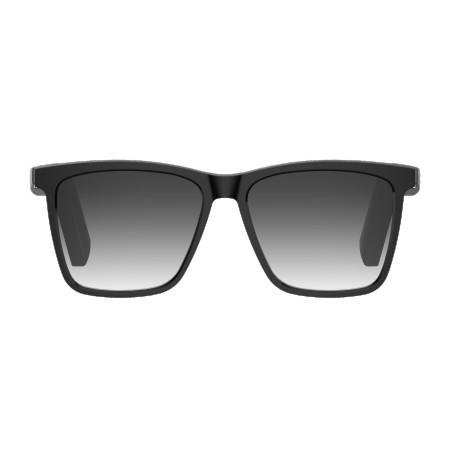
Sports and fitness licensing appeals to active consumers who want to display team affiliations during workouts or outdoor activities. Smart glasses combining polarized lenses, audio capabilities, and sports team branding create natural gift-giving opportunities around major sporting events and seasons. The Smart Call Sports Glasses category demonstrates how functionality and fandom combine effectively.
Fashion licensing attracts consumers seeking status and style through premium branded products. Luxury brand extensions into smart eyewear capitalize on existing brand equity while introducing consumers to functional technology. These products typically emphasize design aesthetics, premium materials, and limited edition releases that generate collector interest.
Selecting the Right Licensed Smart Glasses OEM Partner
Choosing an OEM manufacturer for licensed smart glasses production requires careful evaluation of several factors beyond basic manufacturing capabilities. Licensing relationships themselves demand scrutiny, as the breadth and depth of an OEM's existing partnerships directly impacts product development possibilities.
Production capacity and flexibility matter significantly for licensed products that often involve seasonal demand patterns, promotional releases, or event-driven sales cycles. Manufacturing partners must scale production rapidly while maintaining consistent quality across batches. Requesting facility tours and capacity documentation helps buyers assess whether potential partners can meet their specific requirements.
Communication and project management capabilities distinguish excellent OEM partners from merely competent ones. Licensed production involves multiple approval checkpoints, ongoing documentation requirements, and coordination across geographically dispersed stakeholders. Partners with established project management frameworks and multilingual capabilities reduce friction throughout the production lifecycle.
Intellectual property protection practices deserve particular attention given the sensitive nature of licensed products. Manufacturing partners must demonstrate robust security protocols, confidentiality agreements, and access controls that prevent unauthorized production or IP leakage. Ask detailed questions about data security, physical security, and employee screening practices.
Cost Structures & Pricing Models for Licensed Production
Licensed smart glasses production involves cost structures that differ from standard OEM manufacturing. Licensing fees typically constitute a separate cost component, either bundled into unit pricing or invoiced separately depending on the arrangement structure. Understanding how licensing fees impact overall product economics is essential for accurate pricing and margin planning.
Setup and tooling costs vary based on product complexity and customization requirements. Products utilizing established platforms with minimal customization typically involve lower setup costs compared to fully custom designs requiring new tooling, molds, or manufacturing processes. Requesting detailed cost breakdowns helps buyers compare proposals accurately.
Volume pricing structures reward larger orders but require careful balance between inventory investment and per-unit economics. Seasonal demand patterns common in licensed products may favor more frequent smaller orders rather than single large production runs. OEM partners offering flexible scheduling and warehousing capabilities provide valuable options for managing these dynamics.
Global Distribution & Logistics Considerations
Licensed smart glasses distribution involves logistics considerations that extend beyond typical manufacturing arrangements. Customs regulations governing electronics and branded products vary significantly between countries, requiring documentation that confirms licensing legitimacy and regulatory compliance.
Regional distribution strategies often benefit from consolidated manufacturing locations that can ship directly to major market hubs. OEM manufacturers with established logistics networks can coordinate distribution across multiple regions while maintaining consistent quality standards and documentation practices.
Warranty and returns management present particular challenges for licensed products, as resolution approaches must satisfy both brand standards and licensing requirements. Manufacturing partners with global service capabilities can manage these processes effectively, protecting brand reputation while controlling service costs.
Future Trends in Licensed Smart Glasses
The licensed smart glasses category continues evolving as technology advances and consumer expectations shift. Augmented reality integration represents a significant frontier, with licensed products increasingly incorporating AR capabilities that enhance brand experiences beyond traditional functionality.
Sustainability requirements are reshaping manufacturing practices across the industry. Licensed products face particular pressure to demonstrate environmental responsibility, as brand owners seek to protect brand equity by associating with responsible manufacturing. OEM partners investing in sustainable materials, recyclable components, and carbon-neutral production processes position themselves favorably for future licensing opportunities.
Customization trends favor manufacturing partners offering flexible production capabilities. Consumers increasingly expect personalized products that reflect individual preferences while incorporating licensed elements. Mass customization capabilities that maintain licensing compliance while delivering unique configurations represent a competitive advantage for forward-thinking OEM manufacturers.
Partner with an Experienced Licensed Smart Glasses OEM
Successfully navigating licensed smart glasses production requires partners who understand the unique requirements of intellectual property manufacturing. Whether you represent a distributor seeking exclusive regional rights, a brand exploring licensed product extensions, or a retailer developing proprietary offerings, selecting the right OEM partner fundamentally shapes your success.
Manufacturing partners with established licensing relationships, proven quality systems, and scalable production capabilities provide the foundation for successful licensed smart glasses programs. Evaluate potential partners against criteria including licensing portfolio breadth, production capacity, communication capabilities, and track record with similar products.
Ready to explore licensed smart glasses OEM opportunities? Our team of specialists helps B2B buyers develop customized manufacturing solutions that align with their brand objectives and market requirements. Contact us today to discuss your licensing strategy and discover how our manufacturing expertise can accelerate your entry into the smart eyewear market.
