
Posted At: Apr 29, 2026 - 2,307 Views

Indonesia has emerged as a pivotal market for smart glasses technology in Southeast Asia, with the archipelago nation's 270 million population representing unprecedented opportunities for brands, distributors, and B2B buyers seeking to capitalize on the wearables revolution. The convergence of increasing smartphone penetration, expanding 4G and 5G infrastructure, and a digitally native Generation Z and Millennial demographic creates fertile ground for smart eyewear products that seamlessly blend fashion, functionality, and connectivity.
Indonesia's Digital Economy Boom and Smart Eyewear Potential
The Indonesian digital economy has experienced remarkable acceleration, with e-commerce transactions, digital payments, and online entertainment reaching new heights following the pandemic-driven shift toward digital adoption. This transformation has fundamentally changed how Indonesian consumers interact with technology, creating demand for devices that enhance daily productivity, entertainment consumption, and social connectivity without the friction of traditional interfaces.
Smart glasses position themselves uniquely within this landscape by offering hands-free access to digital content, audio entertainment, and communication capabilities that complement the smartphone experience rather than replacing it. For Indonesian commuters navigating Jakarta's notorious traffic congestion or enjoying Bali's world-famous beaches, smart audio sunglasses provide an elegant solution for enjoying music, podcasts, and phone calls while maintaining awareness of their surroundings—a critical consideration in markets where safety and practicality drive purchasing decisions.
The Indonesian government's National Artificial Intelligence Strategy 2020-2045 further signals commitment to technology-driven economic development, creating policy alignment that benefits companies operating in the connected devices space. This regulatory environment, combined with decreasing technology costs and increasing consumer familiarity with wearable devices, establishes favorable conditions for smart glasses market expansion through 2025 and beyond.
Understanding the Indonesian Smart Glasses Consumer
Indonesian consumers demonstrate distinct preferences that smart glasses manufacturers and brands must address to achieve market success. Research indicates that price sensitivity remains a critical factor, with consumers seeking value propositions that justify investment in new technology categories. However, this sensitivity coexists with strong demand for premium features, quality construction, and aesthetic appeal that integrates smoothly with personal style preferences.
The fashion-conscious nature of Indonesian consumers, particularly in urban centers like Jakarta, Surabaya, and Bandung, means that smart glasses must deliver on design as rigorously as they deliver on technology. Frames that resemble traditional designer eyewear, available in multiple colors and styles, outperform purely functional designs that sacrifice aesthetics for technical specifications. This preference creates opportunities for fashion Bluetooth call glasses that combine contemporary styling with practical features like voice calling, music playback, and seamless smartphone integration.
Outdoor lifestyle represents another significant market segment, given Indonesia's tropical climate and growing enthusiasm for outdoor activities ranging from motorcycling to beach sports. Sun protection remains non-negotiable for many consumers, making polarized lens technology and UV400 protection essential features rather than premium add-ons. The Bluetooth glasses designed for driving category addresses this market precisely, offering polarized lenses, hands-free communication, and audio capabilities that enhance the commuting experience while prioritizing road safety.
Market Growth Drivers and Investment Opportunities
Several converging factors position Indonesia for substantial smart glasses market growth in the coming years. Mobile internet penetration has surpassed 80% of the population, with smartphone users spending an average of four to five hours daily on their devices—primarily for social media, entertainment, and communication. Smart glasses offer a natural extension of this mobile-first behavior, enabling consumers to engage with digital content more conveniently and safely.
The Indonesian middle class continues expanding, with purchasing power growing despite broader economic challenges. This demographic increasingly seeks products that enhance quality of life, status expression, and technological engagement. Smart glasses serve all three desires, functioning as both practical tools and status symbols that signal technological sophistication and fashion awareness.
Regional economic integration through the ASEAN Economic Community facilitates cross-border trade and brand expansion, enabling international smart glasses manufacturers to access Indonesian markets through established distribution networks. The growing sophistication of Indonesian retail environments, from premium shopping malls in major cities to expanding e-commerce platforms, provides multiple channels for market entry and consumer reach.
| Market Factor | Current Status | Growth Projection |
|---|---|---|
| Smartphone Penetration | 80%+ of population | Continued annual growth |
| Digital Payment Adoption | Rapidly expanding | 50M+ active users |
| Middle Class Growth | Consistent expansion | 45M+ households |
| E-commerce Market Size | USD 60+ billion | 15-20% annual growth |
Strategic Advantages for B2B Buyers and OEM Partnerships
For B2B buyers, distributors, and brands evaluating market entry, Indonesia offers compelling strategic advantages when paired with efficient manufacturing partnerships. The country's geography as an archipelago creates natural distribution challenges that favor brands with established logistics networks and products that generate repeat purchases through accessory sales, replacement parts, and software subscriptions.
Working with experienced Chinese OEM/ODM manufacturers provides several competitive advantages for entering the Indonesian market. Cost efficiency remains significant, with Chinese manufacturers offering competitive pricing due to established supply chains, manufacturing expertise, and economies of scale that smaller regional producers cannot match. This cost advantage translates into healthier margins for distributors and competitive retail pricing that accelerates consumer adoption.
Chinese manufacturers have also developed substantial expertise in smart glasses technology, from audio driver integration and bone conduction systems to Bluetooth connectivity, battery optimization, and lens technology. Directional audio smart glasses exemplify this technological sophistication, delivering private listening experiences through carefully engineered speaker systems that minimize sound leakage while maintaining audio quality suitable for various environments—from quiet offices to busy outdoor settings.
Product Portfolio Strategies for Indonesian Market Success
Successful market entry requires thoughtful product selection that aligns with identified consumer preferences and price points. Indonesian B2B buyers should consider a diversified portfolio approach that addresses multiple use cases and customer segments simultaneously.
The urban professional segment responds well to sleek, understated designs that complement business attire while providing productivity-enhancing features. Bluetooth office glasses with subtle styling and professional color options serve this market effectively, offering features like call management, voice assistant integration, and notification audio delivery without compromising workplace appropriateness.
Adventure and lifestyle segments seek more expressive designs that reflect personal identity and outdoor orientation. Smart audio black sunglasses with bold frames and premium audio components address this demand, providing the fashion impact and technical performance that active consumers require.
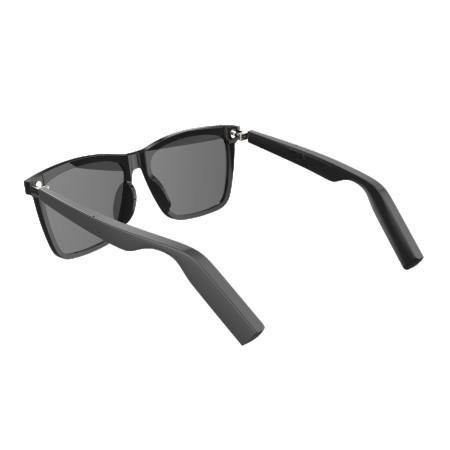
The sports and fitness demographic presents additional opportunities, with demand growing for products that withstand active use while delivering reliable performance. Sports outdoor sunglasses designed for rigorous physical activity, featuring secure fit systems, sweat resistance, and extended battery life, serve this expanding market segment effectively.
Distribution and Market Entry Considerations
Indonesian market entry requires navigation of specific regulatory, logistical, and cultural considerations that affect business success. Product certification through Indonesian national standards (SNI) may be required for certain electronics categories, and importation procedures involve documentation, tariffs, and customs processes that benefit from local partner expertise.
E-commerce platforms including Tokopedia, Shopee, and Lazada dominate online retail, offering both marketplace and direct-to-consumer channels for brands with appropriate logistics capabilities. Establishing warehouse presence in Java, particularly near major population centers, enables the two-day or same-day delivery expectations that Indonesian consumers have developed through aggressive platform investments in logistics infrastructure.
Traditional retail remains significant, with electronics specialty stores, optical shops, and fashion retailers representing potential distribution partners. Building relationships with established distributors who understand local market dynamics accelerates time-to-market and reduces the complexity of navigating unfamiliar business practices.
Competitive Positioning and Brand Development
The Indonesian smart glasses market remains relatively nascent, creating first-mover advantages for brands that establish strong positioning before market saturation. Differentiation strategies should address both functional benefits—superior audio quality, longer battery life, better fit and comfort—and emotional benefits including style expression, technological sophistication, and lifestyle alignment.
Marketing approaches should emphasize demonstration and trial, as smart glasses require consumers to experience the product to understand its value proposition fully. Pop-up experiences, retail partnerships, and influencer collaborations that showcase authentic use cases perform better than traditional advertising that relies on feature specifications alone.
Building service and support infrastructure concurrently with product launch demonstrates commitment to the market and addresses concerns about product reliability and after-sales support that may exist in an emerging product category. Warranty programs, accessible customer service, and spare parts availability differentiate serious market participants from opportunistic traders.
Manufacturing Excellence and Quality Assurance
Chinese OEM/ODM partnerships succeed when manufacturers demonstrate commitment to quality systems, production capacity, and responsive communication throughout the product development lifecycle. For Indonesian market entry, product quality directly impacts brand reputation in an environment where word-of-mouth and social media amplification can rapidly amplify both positive and negative customer experiences.
Manufacturing partners should provide comprehensive quality assurance documentation, production samples, and pilot batch capabilities that enable thorough evaluation before committing to volume orders. The ability to customize products for specific market requirements—whether local language support, certification compliance, or stylistic preferences—demonstrates manufacturing flexibility that supports brand differentiation strategies.
Supply chain resilience has become increasingly important following global disruptions, making manufacturers with diversified component sourcing and production capacity particularly valuable for long-term partnership. Indonesian market commitments require reliable product availability that meets seasonal demand fluctuations without excessive inventory investment or stockout risks.
Future Outlook and Strategic Recommendations
The Indonesian smart glasses market presents compelling opportunities for B2B buyers and brands prepared to invest in market development with appropriate product offerings and distribution strategies. Market growth will accelerate as consumer awareness increases, prices continue declining, and the ecosystem of compatible applications and services expands.
Strategic recommendations for market participants include establishing partnerships with manufacturers offering diverse product portfolios that address multiple price points and use cases, developing distribution relationships that provide both online reach and offline presence, and creating brand positioning that emphasizes authentic understanding of Indonesian consumer preferences and lifestyle contexts.
Investment in marketing, demonstration, and trial experiences will prove essential for category education and consumer adoption acceleration. Brands that treat the Indonesian market as a long-term strategic priority rather than a short-term opportunity will build sustainable competitive advantages that compound over time.
Ready to explore smart glasses manufacturing partnerships designed for Southeast Asian market success? Our team specializes in OEM/ODM solutions for B2B buyers serving the Indonesian market and broader SEA region. Contact our manufacturing specialists to discuss your product requirements, customization needs, and volume pricing for your next smart glasses collection.
