
Posted At: Jun 11, 2026 - 2,422 Views

The healthcare industry faces a persistent challenge that costs billions of dollars annually and endangers patient lives: medication non-adherence. Studies show that approximately 50% of patients with chronic conditions fail to take their medications as prescribed, leading to preventable complications, hospital readmissions, and billions in unnecessary healthcare costs. Now, innovative smart glasses technology offers a compelling solution to this age-old problem.
Medication reminder smart glasses represent a convergence of wearable technology, augmented reality, and healthcare applications that addresses the root causes of non-compliance. These intelligent devices go beyond simple alarm notifications, providing contextual reminders, visual guidance, and seamless integration with healthcare systems. For B2B buyers, distributors, and brands seeking to enter the healthcare wearables market, understanding this technology positions your business at the forefront of a rapidly expanding industry segment.
Understanding Medication Non-Adherence and Its Impact
Before exploring technological solutions, it's essential to understand why patients struggle with medication compliance. Research identifies several key barriers that medication smart glasses can directly address.
Memory-related factors account for a significant portion of non-adherence cases. Patients managing multiple prescriptions across different times of day often forget doses or become confused about which medication to take. Cognitive decline in aging populations compounds this issue, making traditional pill organizers and phone alarms insufficient for many patients.
Complex medication regimens create overwhelming situations for patients. Those managing diabetes, hypertension, and other chronic conditions may need to take medications at specific intervals, with food requirements, and in precise dosages. The cognitive load of managing these schedules leads to errors and intentional skipping.
Lifestyle disruptions also contribute significantly to non-adherence. Travel, work schedules, and routine changes disrupt established medication habits. Patients who function well with home routines often struggle when circumstances change, leading to missed doses and treatment gaps.
How Smart Glasses Transform Medication Compliance
Medication reminder smart glasses address these challenges through multiple integrated mechanisms that work together to support consistent medication habits.
Visual and Audio Reminders
When it's time to take medication, smart glasses deliver non-intrusive visual cues directly in the user's field of vision. These reminders appear naturally within their environment rather than requiring attention to a separate device. The glasses can display the medication name, dosage, and specific instructions such as "take with food" or "avoid alcohol."
Audio alerts complement visual notifications, ensuring patients receive reminders regardless of their viewing direction. The combination proves particularly effective for patients with visual impairments or those in situations where glancing at a specific direction feels natural. This multi-modal approach accommodates diverse user preferences and needs.
AR-Guided Medication Identification
For patients managing multiple medications, identifying the correct pill can be challenging. Smart glasses with augmented reality capabilities overlay visual markers on medication bottles and pill organizers, confirming the right medication at the right time. This feature proves invaluable for elderly patients managing complex polypharmacy situations.
The AR guidance extends to dosage instructions as well. Patients see clear visual displays showing exactly how many pills to take, when to stop, and what to do if a dose is missed. This guidance reduces administration errors and builds patient confidence in managing their health.
Progress Tracking and Reporting
Smart glasses capture adherence data automatically, creating comprehensive records of medication timing and completion. This information proves valuable for both patients and healthcare providers. Patients gain insight into their habits and patterns, while healthcare teams receive objective data for treatment decisions.
Integration with healthcare systems enables automatic reporting to physicians, care coordinators, and family members. When adherence drops below acceptable thresholds, designated contacts receive alerts, enabling proactive intervention before complications develop. This connected approach transforms passive medication management into active health coordination.
Key Features for B2B Buyers to Consider
When evaluating smart glasses for medication compliance manufacturing opportunities, several technical specifications and features deserve attention. These factors directly impact market viability, user adoption, and long-term success.
Battery Life and Charging
Medication reminder glasses must function reliably throughout the day without frequent charging interruptions. Look for devices offering at least 12-16 hours of continuous operation, covering typical waking hours plus extended evening use. Magnetic charging solutions and battery-efficient processors contribute to user satisfaction and compliance rates.
Comfort and Wearability
Patients will only use glasses that feel comfortable for extended daily wear. Lightweight frames, adjustable nose pieces, and balanced weight distribution prevent the fatigue and discomfort that leads to device abandonment. Consider ergonomic frame designs that accommodate various face shapes and sizes.
Water Resistance
Daily wear exposes smart glasses to moisture from sweat, humidity, and occasional rain. IPX4 or higher water resistance ensures reliable operation through everyday activities without concern for damage during exercise, outdoor use, or bathroom routines.
Medication Database Integration
Effective medication reminder glasses require comprehensive drug databases covering common prescriptions, potential interactions, and administration guidelines. Look for manufacturing partners who offer integration with established pharmaceutical databases and can update information as new medications enter the market.
Market Opportunities for Healthcare Wearables
The global smart glasses market continues expanding across multiple segments, with healthcare applications representing one of the fastest-growing categories. B2B buyers entering this space position themselves to capture significant market share in an industry projected to reach substantial valuations within the coming years.
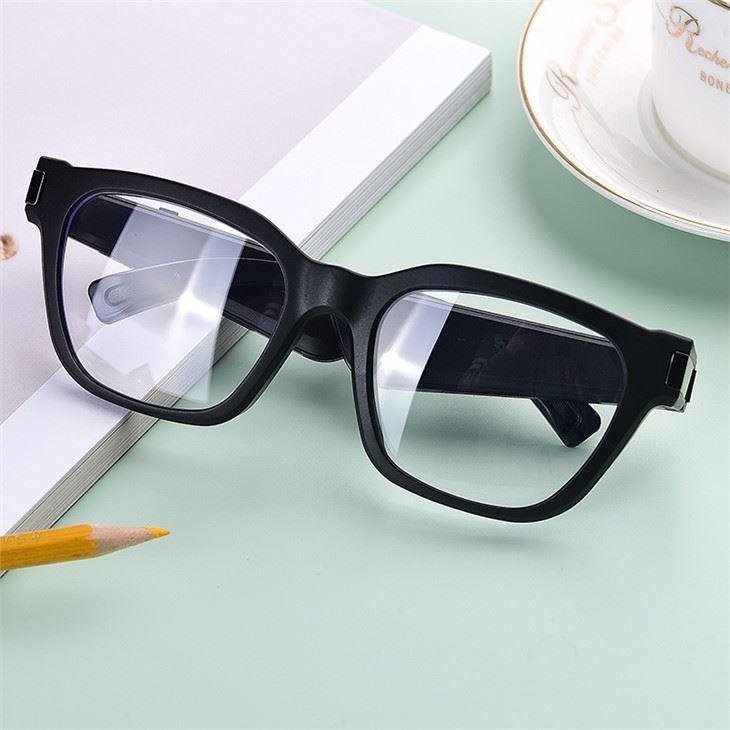
Healthcare systems worldwide increasingly recognize the value of technology-enabled patient monitoring and support. Payers and providers seek solutions that reduce costly hospital readmissions, improve chronic disease management, and enhance patient engagement. Medication compliance smart glasses directly address these priorities, making them attractive products for healthcare contracts and insurance coverage.
The aging population demographic creates expanding demand for medication management solutions. Developed markets with large elderly populations face particular challenges with polypharmacy management, making them prime targets for smart glasses adoption. Emerging markets with growing healthcare infrastructure also present significant opportunities for brands offering innovative patient support technologies.
OEM/ODM Manufacturing Advantages
Partnering with an experienced OEM/ODM manufacturer provides several strategic advantages for B2B buyers entering the medication smart glasses market. Understanding these benefits helps buyers make informed decisions about manufacturing partnerships.
Customization and Branding
OEM manufacturing enables complete customization of smart glasses to reflect your brand identity. From frame styling to software interface, every element can be tailored to create distinctive products that stand apart from generic alternatives. This customization extends to healthcare-specific features, compliance reporting dashboards, and integration capabilities that meet specific market requirements.
ODM services offer ready-to-customize platforms that accelerate time-to-market while maintaining product differentiation. These proven platforms reduce development risk and investment requirements while allowing customization of branding, features, and pricing tiers. This approach proves particularly attractive for buyers testing market reception before committing to full custom development.
Quality Assurance and Regulatory Compliance
Reputable manufacturers maintain quality management systems certified to international standards, ensuring consistent product quality across production runs. For healthcare applications, regulatory compliance becomes essential. Look for manufacturers with experience producing devices meeting FDA, CE, and other relevant healthcare device requirements.
The manufacturing partner should provide documentation support, testing services, and regulatory guidance throughout the product development and approval process. This support reduces the burden on buyers navigating complex healthcare device regulations and accelerates market entry.
Cost Efficiency and Scalability
Manufacturing smart glasses in China through established OEM partners offers significant cost advantages compared to domestic production. These savings enable competitive pricing strategies, improved margins, or investment in marketing and market development. Volume-based pricing structures provide additional cost reductions as order quantities increase.
Scalable manufacturing capacity ensures your supply chain can grow with market demand. Look for partners demonstrating capacity for both small-batch pilot production and large-scale volume manufacturing. This scalability protects against supply constraints during growth phases and enables flexible response to market opportunities.
Comparing Smart Glasses for Healthcare Applications
| Feature | Basic Reminder Glasses | Advanced Compliance Glasses | Healthcare-Grade Smart Glasses |
|---|---|---|---|
| Visual Reminders | Basic icons | Custom messages with images | AR overlays, video guidance |
| Audio Alerts | Simple tones | Voice reminders with instructions | Natural language, multi-language |
| Data Tracking | Simple log files | Cloud sync with basic analytics | HIPAA-compliant, advanced reporting |
| Healthcare Integration | None | Limited API access | Full EHR/EMR connectivity |
| Regulatory Certification | Standard electronics | Medical device listing | FDA/CE clearance |
This comparison illustrates the range of product options available through OEM manufacturing. B2B buyers should align product specifications with target market requirements and pricing strategies. Healthcare institutions typically require advanced features and regulatory certifications, while consumer wellness markets may accept more basic functionality at lower price points.
Implementation Considerations for Healthcare Organizations
Healthcare organizations considering medication smart glasses deployment should evaluate several practical factors that influence successful implementation and patient adoption.
Patient selection criteria matter significantly. While technology can support many patients, those with severe cognitive impairments, certain psychiatric conditions, or physical limitations preventing glasses wear require alternative solutions. Healthcare teams should establish appropriate patient matching protocols to ensure successful outcomes and positive ROI from smart glasses investments.
Training and support infrastructure ensures patients and caregivers can effectively use medication reminder glasses. Consider devices like intuitive smart glasses designs that minimize learning curves while providing comprehensive onboarding resources. Ongoing technical support availability addresses issues that arise during extended use periods.
Integration with existing healthcare workflows determines whether medication compliance data flows effectively to clinical teams. Smart glasses should connect seamlessly with electronic health record systems, care coordination platforms, and patient engagement tools already in use. This integration maximizes the clinical value of adherence data and reduces duplicate documentation requirements.
Future Developments in Medication Compliance Technology
The medication smart glasses landscape continues evolving with emerging technologies that will enhance compliance capabilities in the coming years. Forward-thinking B2B buyers should monitor these developments for competitive positioning and product roadmap planning.
Biometric integration represents a significant advancement opportunity. Future smart glasses may incorporate sensors measuring vital signs, medication intake detection through biosensors, and physiological indicators of medication effects. This data enables more sophisticated adherence monitoring and personalized medication timing based on individual responses.
Artificial intelligence applications promise more intelligent, adaptive reminder systems. AI algorithms will learn individual patient patterns, predict non-adherence risk periods, and optimize reminder timing and content based on historical success. These intelligent systems reduce reminder fatigue while maintaining effectiveness through personalized approaches.
Social features and support networks may emerge as important compliance enablers. Smart glasses could facilitate connection with peer support groups, family check-ins, and virtual healthcare coaching. These social integrations address the isolation and motivation challenges that contribute to non-adherence, particularly among elderly and chronically ill populations.
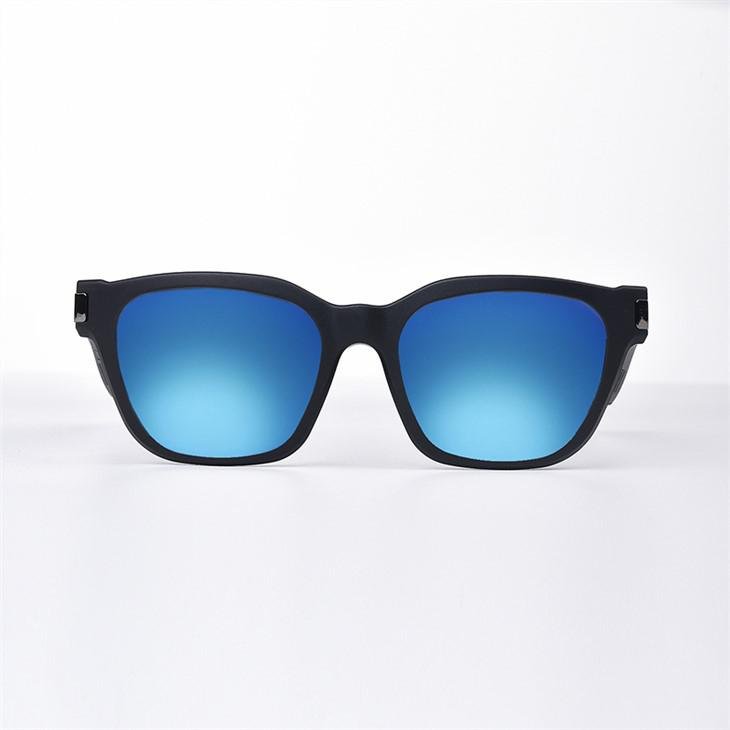
Partner with Innovation Leaders
The opportunity in medication compliance smart glasses extends beyond product sales. B2B buyers who establish manufacturing partnerships early position themselves as market leaders as adoption accelerates. Working with experienced OEM/ODM manufacturers like Smart Glasses Factory provides access to proven technology platforms, healthcare industry expertise, and scalable production capabilities.
Whether you're a distributor seeking to expand product portfolios, a healthcare technology company developing integrated solutions, or a brand entering the wearables market, medication smart glasses represent a compelling opportunity to address genuine healthcare needs while building sustainable business growth.
Ready to explore smart glasses manufacturing for your medication compliance product line? Our team supports B2B partners with customization capabilities, regulatory guidance, and scalable production solutions. Connect with our manufacturing experts to discuss your requirements and discover how we can help bring your healthcare wearables vision to market.
