
Posted At: Apr 21, 2026 - 2,016 Views

The way we consume audio is undergoing a fundamental transformation. Traditional headphones and earbuds create isolated sound bubbles, cutting users off from their surroundings. Directional audio technology flips this paradigm entirely, delivering crisp, focused sound directly to the intended listener while preserving awareness of the environment. For smart glasses manufacturers and brands, understanding this technology has become essential for staying competitive in an increasingly crowded market.
What is Directional Audio Technology?
Directional audio, often referred to as guided wave audio or beamforming sound, uses specialized transducers and acoustic engineering to project sound in narrow, controlled paths. Unlike conventional speakers that disperse sound omnidirectionally, directional audio systems concentrate acoustic energy into a specific beam—much like a flashlight focuses light into a beam rather than illuminating an entire room.
In the context of smart glasses, this technology typically employs micro speakers positioned in the temple arms, combined with carefully designed acoustic chambers and wave guides. The result is sound that remains private to the wearer while allowing ambient noise to reach the ears naturally. This creates what engineers call an "audio spotlight" effect, where only the person wearing the glasses can clearly hear the audio content.
The Engineering Behind Focused Sound Delivery
The physics underlying directional audio in wearable devices involves several sophisticated techniques working in concert. At its core, the system relies on ultrasonic transducers that operate at frequencies above the range of human hearing. These high-frequency waves interact with air molecules in a nonlinear manner, causing the sound to self-demodulate into audible frequencies that travel in a focused column.
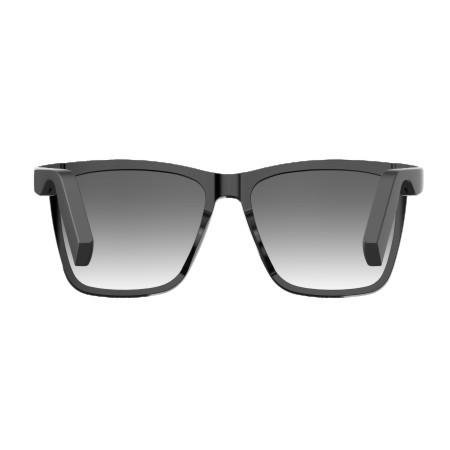
The acoustic design must account for multiple factors: driver placement relative to the ear canal, chamber resonance frequencies, material selection for temple components, and the precise geometry of sound emission ports. Each variable affects the final listening experience, determining factors like maximum volume, sound quality, and the effective listening distance.
Key Technical Specifications
When evaluating directional audio systems for smart glasses production, several specifications merit close attention:
- Beam Width: The angular spread of the sound projection, typically measured in degrees. Narrower beams offer greater privacy but require more precise positioning.
- Frequency Response: The range of audio frequencies the system can reproduce accurately, affecting bass response and treble clarity.
- Maximum SPL: Sound pressure level determines how loud the audio can get before distortion occurs.
- Off-Axis Attenuation: How quickly sound volume decreases for someone standing beside the wearer.
- Latency: The delay between audio input and output, critical for real-time applications like calls and navigation.
Market Applications Driving Demand
The adoption of directional audio in smart glasses spans diverse market segments, each with distinct requirements and use cases. Understanding these applications helps brands identify the most promising opportunities for their target customers.
Hands-Free Communication
Professional environments increasingly demand seamless communication without the awkwardness of wearing visible earbuds or headphones. Sales teams, field technicians, and healthcare workers benefit from receiving navigation instructions, customer information, or real-time translations through their eyewear. The directional audio ensures that sensitive information remains private during client meetings or in public spaces.
Navigation and Wayfinding
Outdoor enthusiasts, cyclists, and urban commuters rely on turn-by-turn audio directions delivered through smart glasses. Directional audio allows users to receive navigation prompts while remaining fully aware of traffic sounds, conversations, and other environmental cues. This safety advantage over traditional headphones has made the technology particularly popular in the cycling and motorsports communities.
Entertainment and Media Consumption
The entertainment possibilities expand dramatically when high-quality directional audio integrates into eyewear. Users can enjoy music, podcasts, or video audio without isolating themselves from their surroundings. This opens opportunities for shared experiences where multiple people can engage with the same visual content while maintaining natural conversation.
Manufacturing Considerations for OEM Partners
Brands seeking to incorporate directional audio technology must carefully evaluate their manufacturing partners. The acoustic engineering requirements demand specialized expertise that not all factories possess. Key considerations include the facility's experience with audio calibration, access to anechoic testing chambers, and the ability to maintain consistent quality across production runs.
Component Sourcing
The transducers and acoustic components used in directional audio systems require precision manufacturing. Micro speakers with tight tolerances, custom acoustic chambers, and specialized wave guides all contribute to the final product quality. Working with a manufacturer that has established relationships with reputable component suppliers ensures more predictable outcomes and better supply chain stability.
Acoustic Testing and Calibration
Each smart glasses unit typically requires individual acoustic calibration to achieve consistent directional audio performance. This process measures frequency response, beam pattern, and off-axis attenuation, adjusting parameters to meet design specifications. The manufacturing facility must have the equipment and trained personnel to perform these tests efficiently at scale.
Integration with Additional Features
Modern smart glasses rarely feature directional audio in isolation. The technology must integrate seamlessly with cameras, displays, microphones, touch controls, and connectivity modules. This integration creates complex engineering challenges around electromagnetic interference, thermal management, and power consumption. A capable OEM partner brings experience navigating these trade-offs across countless product generations.
Comparing Audio Technologies in Smart Glasses
Different audio transmission approaches offer distinct advantages and limitations. The following comparison helps clarify the positioning of directional audio relative to alternatives:
| Technology | Privacy | Sound Quality | Environmental Awareness | Comfort | Power Consumption |
|---|---|---|---|---|---|
| Bone Conduction | Low | Moderate | Excellent | Good | Moderate |
| Traditional Air Conduction | Low | High | Poor | Variable | Low |
| Directional Audio (Ultrasonic) | High | High | Excellent | Excellent | Moderate |
| Directional Audio (Planar) | High | Very High | Excellent | Good | Higher |
The data reveals why directional audio has emerged as a compelling compromise: it delivers privacy and sound quality approaching traditional speakers while preserving the environmental awareness that makes smart glasses practical for real-world use.
Future Trends in Directional Audio Development
The technology continues evolving rapidly, with several promising directions emerging from research laboratories and development teams worldwide. Understanding these trends helps brands plan product roadmaps that remain relevant as capabilities expand.
Advanced beamforming algorithms now enable dynamic adjustment of sound projection patterns in real time. Rather than a fixed narrow beam, future systems may adapt coverage based on head position, ambient noise levels, and user preferences. This adaptability would allow users to switch between private listening and shared audio experiences without changing devices.
Material science advances are enabling thinner, lighter acoustic components that fit more naturally into slim eyewear frames. New transducer designs consume less power while delivering improved frequency response, addressing the historical trade-off between audio quality and battery life.
Integration with artificial intelligence promises context-aware audio delivery. Smart glasses might automatically adjust volume, beam width, or audio mixing based on whether the user is driving, walking through a busy street, or relaxing at home. These capabilities would require close collaboration between audio engineers and machine learning specialists during product development.
Selecting the Right Manufacturing Partner
Success in bringing directional audio smart glasses to market depends heavily on choosing the appropriate OEM or ODM partner. The manufacturing relationship requires more than simply finding a factory capable of assembly work. Brands need partners who understand acoustic engineering, possess relevant testing equipment, and can provide design guidance based on proven market experience.
Smart Glasses Factory has developed comprehensive capabilities for directional audio products, including specialized testing facilities and a track record serving major global brands. Our engineering team has worked through the design challenges inherent to focused sound delivery, learning which approaches work reliably at scale and which create production headaches.
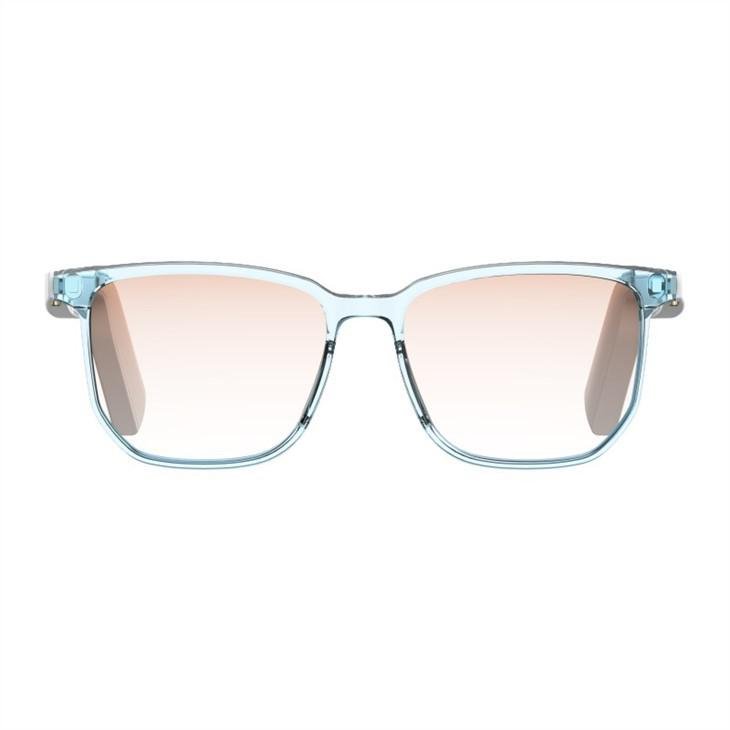
We invite brands and distributors to explore our Talk Music Sunglasses collection, which showcases our current directional audio capabilities. For custom development projects requiring specialized acoustic configurations, our team welcomes detailed discussions about your specific requirements and timeline.
