
Posted At: Jun 05, 2026 - 2,350 Views

Importing smart glasses from China requires more than just finding the right OEM manufacturer. The logistics chain, particularly ocean freight documentation, can make or break your supply chain efficiency. Among all shipping documents, the Bill of Lading stands as the most critical piece of paper—or increasingly, digital record—that governs your entire shipment from Chinese port to your destination.
For B2B buyers, distributors, and brands sourcing Bluetooth call glasses or other smart eyewear products, understanding this document isn't optional. It's essential for customs clearance, ownership transfer, and ensuring your investment reaches you safely.
What Exactly Is a Bill of Lading?
A Bill of Lading (B/L) serves three fundamental purposes in international trade: it acts as a receipt for goods, a contract of carriage, and a document of title. For smart glasses shipments originating from Chinese manufacturers, this single document determines who has legal ownership of your cargo while it sits in containers crossing oceans.
When you partner with a smart glasses factory in China, the manufacturer or their designated freight forwarder issues this document. The Bill of Lading contains specific details about your shipment: the number of units (whether you're importing audio gaming glasses or cycling sunglasses), packaging specifications, port of loading, destination port, and shipping marks that identify your cargo.
Ocean Bill of Lading vs. Other Shipping Documents
Unlike air waybills or railway bills, the ocean Bill of Lading carries unique characteristics that make it indispensable for sea freight. Unlike other transport documents, a B/L is a negotiable instrument. This means it can be transferred between parties, allowing you to sell goods in transit or use the document to secure financing from your bank.
For smart glasses importers, this negotiability provides significant flexibility. If your retail relationships change mid-shipment or you need working capital, the original B/L gives you options that simply don't exist with other shipping documents.
Types of Bill of Lading You Need to Know
Understanding the different B/L variants prevents costly mistakes during your smart glasses import process.
Straight Bill of Lading
This non-negotiable document names a specific consignee. Only that party can claim the goods upon arrival. If you're purchasing smart glasses for your own distribution network without plans to transfer ownership during transit, this straightforward option works well. However, it offers no flexibility if your business circumstances change.
Order Bill of Lading
The more common option for B2B transactions, this B/L names a party "to order" or "to the order of" another party. These documents are negotiable through endorsement. Before taking possession, you must present the original B/L (or all originals in a set) to the shipping line or their agent at the destination port.
Bearer Bill of Lading
Rarely used in modern trade, this variant grants possession to whoever physically holds the document. While theoretically simple, the security risks make it unsuitable for high-value smart glasses shipments.
Anatomy of a Smart Glasses Bill of Lading
Your smart glasses B/L contains several mandatory elements that customs authorities and shipping lines will examine closely.
Shipper Information: The Chinese manufacturer or exporter details, including company name, address, and contact information. Verify this matches your purchase agreement precisely.
Consignee Details: Your company information as the buyer/importer. For first-time importers of products like smart touch glasses, ensure your legal business name matches exactly what's registered with customs.
Notify Party: Often your customs broker or freight forwarder at the destination. They receive arrival notifications on your behalf.
Description of Goods: A detailed specification of your smart glasses shipment. Rather than generic descriptions, insist on accurate entries including product types, HS codes, and quantities. Vague descriptions cause customs delays.
Weight and Measurements: Critical for container loading calculations and port handling. Smart glasses typically ship in cartons with specific dimensions that affect your freight costs.
Freight Details: Indicates whether charges are prepaid or collect, and where payment occurs.
Navigating Smart Glasses Shipping from China
Smart glasses and audio eyewear products present unique shipping considerations that affect your B/L preparation. These products contain lithium batteries, which fall under specific international shipping regulations that must be accurately reflected in your documentation.
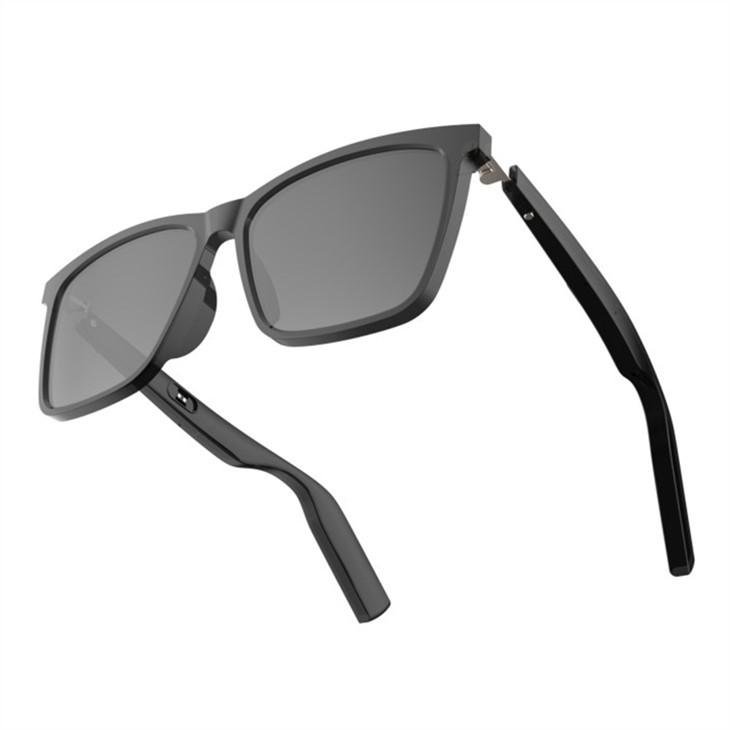
When your OEM manufacturer produces travel music sunglasses or waterproof models like IPX4 waterproof music glasses, the battery specifications must appear clearly on your Bill of Lading. Misdeclaring battery content creates legal liability and potential shipment seizures.
Master Bill of Lading vs. House Bill of Lading
For smaller shipments, you might encounter both master and house Bills of Lading in your documentation chain.
The Master B/L is issued by the shipping line (Maersk, MSC, COSCO, etc.) to the freight forwarder or NVOCC. It covers the entire container and reflects the shipping line's contract with the carrier.
The House B/L is issued by your freight forwarder to you, providing more detailed cargo information. For retail chains importing casual smart music glasses, the house B/L often contains the granular product details your business needs.
When your shipment involves consolidation—combining products from multiple smart glasses manufacturers into one container—expect to receive a house B/L from your forwarder alongside the master B/L from the shipping line.
The Bill of Lading Release Process
One of the most critical aspects B2B buyers overlook is how the actual Bill of Lading reaches you and when you need it.
Original Bills of Lading travel separately from your cargo. This deliberate separation prevents situations where goods arrive before documentation, causing costly demurrage and detention charges at ports. Your Chinese manufacturer typically sends the original B/L set via international courier (DHL, FedEx, or similar) to you or your designated customs broker.
For ocean shipments from China to major destinations like Los Angeles, Long Beach, Rotterdam, or Singapore, anticipate the B/L arriving 2-5 days before your cargo. If your goods arrive before documentation, you'll face storage fees accumulating daily.
Electronic Bills of Lading: The Modern Approach
Traditional paper B/L sets are giving way to electronic alternatives, particularly for established trade lanes between China and North America or Europe. Platforms like Bolero, essDocs, and Singapore's Tradelpus enable paperless transactions that eliminate courier delays and document loss risks.
However, not all ports and banks accept electronic B/Ls universally. Before negotiating terms with your smart glasses supplier, confirm whether electronic documentation works for your entire supply chain—from Chinese factory to your warehouse. Some destinations still legally require paper originals for customs clearance and cargo release.
Common Bill of Lading Errors That Cost Smart Glasses Importers
Mistakes on shipping documents create cascading problems. Here are errors we see repeatedly with smart glasses imports:
- Incorrect HS Codes: Smart glasses fall under specific Harmonized System codes that differ from regular eyewear. Using wrong codes triggers customs inspections and penalties.
- Understated Values: Declaring lower values than actually paid damages your credibility with customs and creates future audit risks.
- Vague Product Descriptions: "Electronics" or "glasses" without specifics delays processing. Be precise about whether you're importing anti-blue polarized glasses or transparent lens models.
- Mismatched Company Names: Your B/L company name must match your customs broker records, bank documents, and import licenses exactly.
- Missing Battery Declarations: Failing to declare lithium-ion batteries within your smart glasses shipments violates maritime regulations and creates serious liability issues.
Negotiation Tips with Your Freight Forwarder
Your choice of freight forwarder significantly impacts your B/L experience. For consistent smart glasses imports, establish relationships with forwarders experienced in electronics and consumer products shipping from China.
Negotiate for combined transport B/Ls that cover your entire journey from factory door to your warehouse, eliminating gaps between shipping line responsibility and inland transport. Request that your forwarder provide pre-alerts when documentation is issued, giving you visibility into shipment status before cargo arrives at destination ports.
For high-volume smart glasses importers, ask about standing cargo bookings that guarantee space during peak shipping seasons. The global logistics crunch following pandemic disruptions demonstrated how quickly container availability vanishes during demand surges.
Protecting Your Investment Through Proper Documentation
When importing valuable products like smart glasses with built-in electronics, proper documentation serves as your primary risk mitigation tool. The Bill of Lading establishes a clear legal record of what was shipped, when, and under what terms. Should disputes arise regarding missing or damaged goods, your B/L provides the foundational evidence for insurance claims and carrier liability discussions.
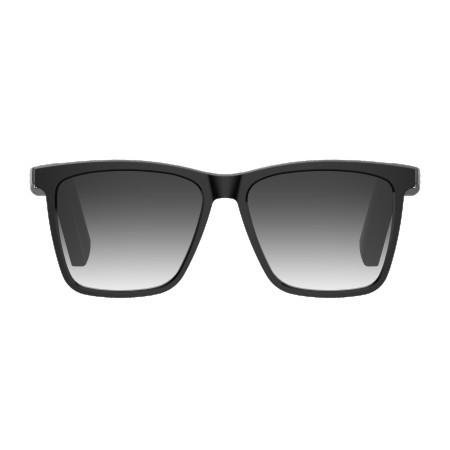
Before accepting delivery at your destination port, inspect your cargo in the presence of the shipping line's representative. Note any visible damage or quantity discrepancies directly on the receiving documentation. These notations become crucial if you later need to file claims for fishing call sunglasses or other products damaged during ocean transit.
Documentation Checklist for Smart Glasses Ocean Shipments
Before your shipment departs Chinese ports, confirm you have these documents in hand or on the way:
| Document | Purpose | Timing |
|---|---|---|
| Original Bill of Lading (3 originals) | Cargo release at destination | Before vessel departure |
| Commercial Invoice | Customs valuation | Before vessel departure |
| Packing List | Cargo verification | Before vessel departure |
| Certificate of Origin | Trade agreement benefits | Before vessel departure |
| Battery Test Reports | Safety compliance | Before vessel departure |
| Bill of Lading Copy (for records) | Internal tracking | Upon issuance |
Understanding Freight Costs Related to Your B/L
The Bill of Lading freight terms directly impact your total landed costs. Two primary options exist:
Freight Prepaid: Your smart glasses supplier or you pay shipping charges at origin. The shipping line releases cargo without demanding payment upon arrival. For buyers with established credit relationships with forwarders, prepaid freight simplifies destination procedures.
Freight Collect: Charges become payable at destination. While this preserves cash flow during transit, destination charges sometimes exceed expectations, particularly with carrier surcharges added during volatile market conditions.
For consistent smart glasses imports, establish whether your OEM partner quotes prices including shipping or if transportation costs appear separately. Incoterms (International Commercial Terms) defined in your purchase agreement should align with your B/L freight terms to avoid confusion.
Building Long-Term Shipping Relationships
Successful B2B smart glasses importation depends on consistent documentation practices across multiple shipments. When your first container of music glasses for outside sports arrives smoothly, you build credibility with customs authorities, reducing inspection rates on subsequent shipments.
Document your shipping procedures, maintain relationships with experienced customs brokers, and ensure your Chinese manufacturing partners understand your documentation requirements. Clear communication prevents the specification errors that create costly customs holds.
Your Bill of Lading isn't merely paperwork—it's the legal instrument that transforms your smart glasses from cargo into commercial inventory. Treat it accordingly, and your ocean shipping experience becomes a reliable operational advantage rather than a recurring source of stress.
Partner with Experts Who Understand Smart Glasses Logistics
Navigating international shipping documentation requires expertise that develops through experience. When you source smart glasses from manufacturers who regularly export consumer electronics, you benefit from their established relationships with freight forwarders and their familiarity with documentation requirements.
Ready to streamline your smart glasses supply chain with a manufacturer who understands international logistics? Our team at Smart Glasses Factory specializes in OEM and ODM production for distributors and brands worldwide. From outdoor cycling sunglasses to HD stereo smart glasses, we handle the documentation complexities so you can focus on growing your business.
Contact us today to discuss your smart glasses import requirements and discover how professional manufacturing partnerships simplify ocean shipping logistics for your business.
