
Posted At: Jul 24, 2026 - 1,384 Views

The wearable technology market has undergone a remarkable transformation over the past decade. While fitness trackers and smartwatches dominated the conversation for years, industry analysts now recognize that the next frontier lies in smart glasses technology. As we move toward 2026, B2B buyers, distributors, and brands are increasingly seeking partnerships with manufacturers who can deliver cutting-edge eyewear solutions that combine style, functionality, and advanced artificial intelligence.
This shift represents a significant opportunity for businesses looking to diversify their product portfolios or establish themselves as early leaders in the burgeoning smart eyewear market. Understanding the trends driving this evolution is essential for making informed sourcing and manufacturing decisions.
The Rise of AI-Powered Smart Glasses
Artificial intelligence has become the cornerstone of modern wearable development. In 2026, AI integration in smart glasses has moved far beyond simple voice assistants. Today's devices leverage machine learning algorithms to provide real-time translation, contextual information overlay, and personalized user experiences that adapt to individual preferences and behaviors.
Manufacturers in China have responded to this demand by developing sophisticated neural processing units specifically designed for wearable applications. These chips enable on-device AI processing, reducing latency and improving privacy by keeping sensitive data local rather than transmitting it to cloud servers. For B2B buyers, this means products that offer premium features without compromising user security or requiring extensive backend infrastructure.
Display Technology Breakthroughs
The evolution of display technology has been a critical factor in making smart glasses viable for mainstream adoption. Waveguide and birdbath optics have matured significantly, offering improved field of view, brightness levels, and power efficiency. MicroLED technology has emerged as a game-changer, providing vibrant colors and high contrast ratios while consuming minimal energy.
Transparency levels have also improved dramatically. Modern smart glasses can seamlessly transition between fully transparent, semi-opaque, and fully immersive display modes, giving users flexibility based on their environment and task at hand. This versatility has expanded use cases beyond pure entertainment into professional applications, industrial settings, and everyday productivity scenarios.
Audio Integration and Communication Features
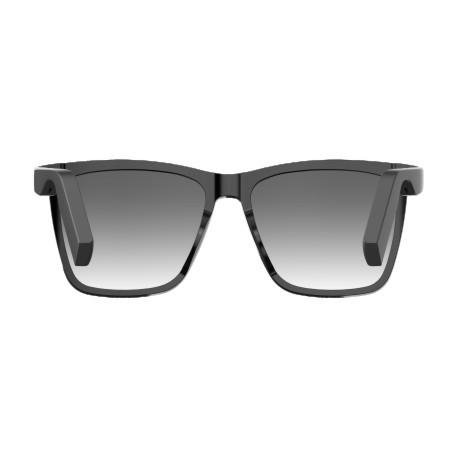
Bone conduction and open-ear audio technologies have matured considerably, offering high-quality sound delivery without isolating users from their surroundings. This approach proves particularly valuable for cycling sunglasses and outdoor applications where situational awareness remains critical for safety.
The latest generation of smart audio glasses features advanced beamforming microphone arrays that deliver crystal-clear voice capture even in noisy environments. Bluetooth 5.0 and newer protocols ensure stable, low-latency connectivity with smartphones and other devices. These improvements have made smart glasses practical replacements for traditional earbuds in many scenarios, appealing to consumers who prefer not to have anything inserted in their ears.
For businesses sourcing products for professional markets, call game glasses and driving call sunglasses represent particularly promising segments. These devices combine hands-free communication capabilities with safety features that meet regulatory requirements in various jurisdictions.
Fashion-Forward Design Evolution
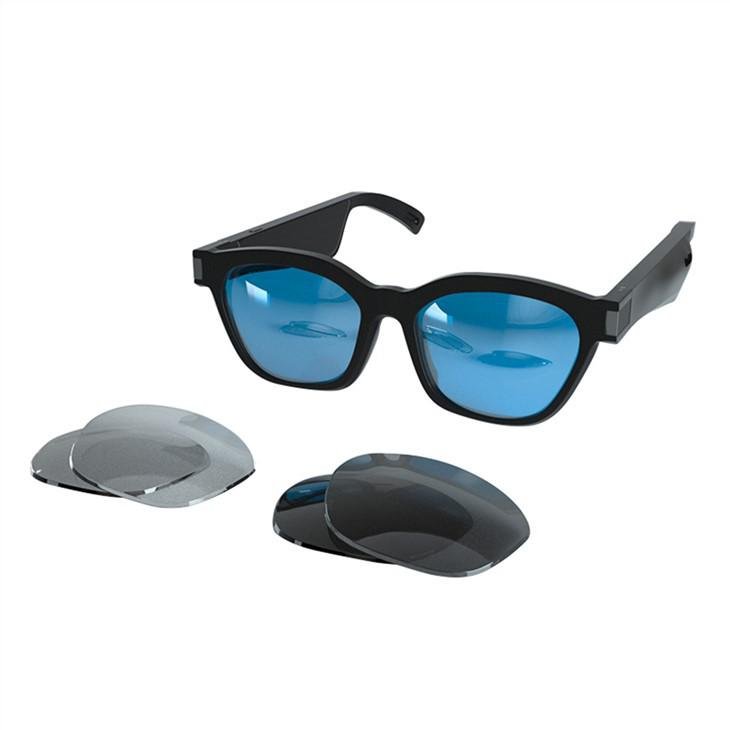
One of the most significant barriers to early smart glasses adoption was the bulky, tech-forward aesthetic that clashed with everyday fashion. The industry has made substantial progress in addressing this concern. Modern smart glasses closely resemble conventional eyewear, with manufacturers offering diverse frame styles, materials, and color options to suit various personal preferences.
Smart fashion music glasses have emerged as a popular category, combining premium audio quality with design aesthetics that appeal to style-conscious consumers. These products demonstrate that wearable technology can be both functional and fashionable, opening doors to mass-market adoption beyond early adopters and tech enthusiasts.
The integration of technology into existing eyewear form factors has also simplified the manufacturing process, enabling higher production volumes and more competitive pricing. For B2B buyers, this translates to products that can compete effectively with traditional fashion eyewear on both style and price.
Battery Life and Power Management
Extended battery life remains a top priority for consumers and a key differentiator among manufacturers. The latest smart glasses achieve impressive longevity through efficient processor designs, optimized software, and intelligent power management systems. Many devices now offer full-day battery life under typical usage patterns, with some models providing additional extended battery modes for specific applications.
Wireless charging capabilities have become standard, enabling convenient charging through compatible cases and charging pads. This feature proves particularly valuable for products targeting active lifestyles, where users need quick, hassle-free charging solutions between uses.
Health and Wellness Integration
Health monitoring capabilities continue expanding beyond traditional wrist-worn devices. Smart glasses now incorporate sensors for tracking activity levels, monitoring UV exposure, and even measuring stress indicators through facial analysis. These features appeal to health-conscious consumers seeking comprehensive wellness tracking throughout their day.
The positioning of sensors in eyewear offers unique advantages for certain health applications. For example, glasses naturally sit close to the temples, providing optimal positioning for heart rate monitoring and other biometric measurements. As sensor technology advances, expect to see even more sophisticated health features integrated into future smart glasses generations.
Market Segmentation and Target Applications
The smart glasses market has fragmented into several distinct segments, each with unique requirements and opportunities. Understanding these segments helps B2B buyers identify the most promising opportunities for their specific markets and customer bases.
| Segment | Key Features | Target Users |
|---|---|---|
| Outdoor Sports | UV protection, water resistance, GPS integration | Cyclists, runners, hikers |
| Professional/Enterprise | Hands-free computing, AR overlays, durability | Field workers, logistics, healthcare |
| Lifestyle/Audio | Music playback, calls, fashion design | Urban professionals, commuters |
| Driving Safety | Hands-free calls, polarized lenses, alerts | Vehicular commuters |
| Gaming/Entertainment | Immersive displays, spatial audio | Gamers, entertainment enthusiasts |
Outdoor cycling sunglasses represent one of the fastest-growing segments, combining technical performance features with smart connectivity. These products typically include GPS tracking, performance metrics display, and communication capabilities that allow cyclists to stay connected while maintaining focus on the road.
The OEM/ODM Manufacturing Advantage
Partnering with experienced OEM and ODM manufacturers in China offers significant advantages for businesses entering the smart glasses market. Established manufacturers bring extensive expertise in hardware development, software integration, and mass production capabilities that would take years to develop independently.
Modern smart glasses manufacturers offer flexible engagement models, from pure contract manufacturing to full turnkey solutions that include product design, certification support, and logistics management. This flexibility allows brands to choose the level of involvement that matches their capabilities and strategic objectives.
Quality control processes have matured alongside production capabilities. Leading manufacturers implement comprehensive testing protocols, including durability testing, waterproof certification, electromagnetic compliance verification, and optical performance validation. These rigorous standards ensure that products meet international quality requirements and consumer expectations.
Customization and Branding Opportunities
Customization capabilities have become a critical factor in manufacturer selection for many B2B buyers. The ability to customize frame colors, materials, logos, and packaging enables brands to create differentiated products that stand out in competitive markets.
Software customization extends these opportunities further, allowing brands to develop proprietary applications, user interfaces, and brand-specific voice assistants. Some manufacturers offer white-label solutions that can be quickly adapted to match brand requirements, reducing time-to-market for new product launches.
Supply Chain Resilience and Geopolitical Considerations
The global supply chain landscape continues evolving, with geopolitical factors influencing sourcing decisions. Manufacturing partnerships with established Chinese factories offer advantages in terms of production capacity, component sourcing networks, and manufacturing expertise that has accumulated over decades of industry development.
Leading manufacturers have invested heavily in supply chain diversification and redundancy, ensuring consistent production even during challenging circumstances. For B2B buyers, this translates to more reliable delivery schedules and reduced risk of production disruptions.
Regulatory Compliance and Certification Support
Navigating international regulatory requirements represents a significant challenge for smart glasses entering global markets. Different regions impose varying requirements for wireless communications, optical safety, electromagnetic emissions, and environmental compliance.
Experienced manufacturers maintain comprehensive certification capabilities, supporting CE, FCC, RoHS, and other regional certifications that products require for market access. This support streamlines the compliance process and reduces the burden on brands that may lack in-house regulatory expertise.
Looking Ahead: Future Development Trajectories
Several emerging technologies promise to further transform the smart glasses landscape in coming years. Advanced AR capabilities will enable richer contextual overlays and more immersive experiences. Improved battery technologies may eventually enable all-day operation without charging concerns. Miniaturization of components will allow even more discreet integration of technology into everyday eyewear.
Artificial intelligence capabilities will continue expanding, with on-device processing enabling sophisticated features that currently require cloud connectivity. These advances will create new opportunities for manufacturers and brands willing to invest in next-generation product development.
Partnering for Success in the Smart Glasses Market
The smart glasses industry presents compelling opportunities for businesses positioned to capitalize on emerging trends. Success requires careful partner selection, market alignment, and commitment to quality across all aspects of product development and production.
Whether you're exploring entry into the smart eyewear market or seeking to expand an existing wearable technology portfolio, establishing relationships with capable manufacturing partners early in the product development cycle provides significant advantages. Early engagement enables deeper collaboration on design, optimization of components for cost and performance, and smoother transitions from prototype to mass production.
Explore our comprehensive range of smart Bluetooth music sunglasses and smart fashion music glasses to discover how our manufacturing expertise can support your product vision. Our team specializes in delivering high-quality smart eyewear solutions tailored to your specific market requirements and brand objectives.
