
Posted At: Oct 13, 2026 - 141 Views

South Korea stands at the forefront of global technology adoption, and the smart glasses market reflects this positioning perfectly. As one of the most digitally connected nations in the world, with smartphone penetration exceeding 95% and a population known for embracing cutting-edge consumer electronics, Korea has become a critical barometer for smart eyewear trends across Asia-Pacific.
The convergence of Samsung Electronics' dominance in display technology, SK Telecom's advanced 5G infrastructure, and Korea's manufacturing excellence has created a unique ecosystem where smart glasses are transitioning from experimental gadgets to practical everyday devices. For B2B buyers seeking multifunctional smart glasses manufacturing solutions, understanding Korea's market dynamics provides invaluable insights into where consumer and enterprise demand is heading.
Market Overview and Growth Trajectory
The South Korean smart glasses market has experienced remarkable acceleration since 2022, driven by several converging factors. Government initiatives supporting extended reality (XR) technology development, substantial investments from major conglomerates, and a tech-savvy population eager to adopt new interaction modalities have combined to create fertile ground for smart eyewear expansion.
Industry analysts project compound annual growth rates (CAGR) between 25-35% through 2030, significantly outpacing global averages. This growth is fueled primarily by enterprise adoption in logistics, manufacturing, and field service operations, supplemented by consumer interest in audio-enabled sunglasses and specialized use cases like navigation assistance and fitness tracking.
Key Drivers Fueling Market Expansion
Advanced Telecommunications Infrastructure
Korea's world-leading 5G deployment, with coverage exceeding 90% of the population, removes a significant barrier to smart glasses adoption. Unlike markets still transitioning between network generations, Korean consumers and businesses can fully leverage the real-time data processing, cloud connectivity, and seamless AR experiences that modern smart glasses deliver. SK Telecom, KT, and LG Uplus continue expanding infrastructure, with early 6G research signals suggesting Korea will maintain its telecommunications leadership position.
Manufacturing Ecosystem Synergy
The proximity and established trade relationships between Korea and China create unique advantages for smart glasses market participants. While Korean brands like Samsung develop cutting-edge components and finished products, Chinese OEM/ODM manufacturers offer cost-competitive production capabilities, rapid prototyping, and scalable manufacturing infrastructure. This bilateral relationship benefits B2B buyers who can access Korean design sensibilities combined with Chinese manufacturing efficiency.
Enterprise Digital Transformation
Korean conglomerates across automotive, shipbuilding, electronics assembly, and chemical industries have accelerated digital transformation initiatives that incorporate smart glasses for hands-free operations. Major companies including Hyundai Motor Group, LG Chem, and Samsung Electronics have deployed smart eyewear solutions for training, quality control, remote assistance, and warehouse operations. This enterprise demand creates opportunities for Bluetooth office glasses optimized for professional environments.
Consumer Market Characteristics
South Korean consumers demonstrate distinctive preferences that shape smart glasses product requirements. Aesthetic considerations rank extremely high, with buyers expecting devices that complement personal style rather than appearing obviously "techy." This preference has driven demand for sleek designs that resemble conventional eyewear, particularly in the audio sunglasses segment where music glasses and fashion-forward frames dominate consumer interest.
Price sensitivity in Korea differs notably from Western markets, with consumers willing to pay premium prices for devices offering tangible utility and quality construction. This willingness creates opportunities for higher-margin products with advanced features including noise cancellation, wellness tracking, and integration with popular Korean applications and services.
Popular Smart Glasses Categories in Korea
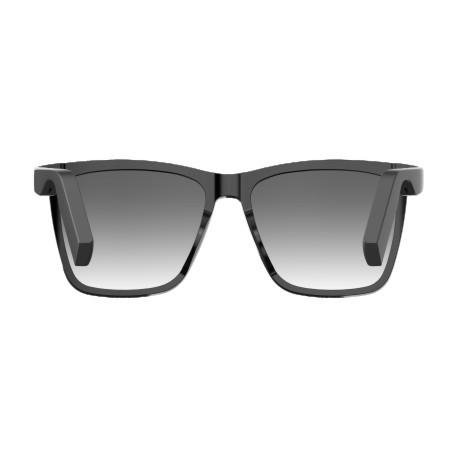
- Audio Sunglasses: Combining UV protection with music playback and call functionality, these devices have achieved mainstream adoption among younger demographics.
- Smart Audio Glasses: Transparent lens options for indoor use with all-day comfort for extended wear during work and commutes.
- Sports and Fitness Eyewear: Specialized products incorporating performance tracking, heart rate monitoring, and workout guidance features.
- Professional Solutions: Enterprise-focused devices with enhanced durability, extended battery life, and specialized software integrations.
Competitive Landscape and Market Players
The Korean smart glasses ecosystem comprises three primary player categories, each offering distinct partnership opportunities for international B2B buyers.
Major Technology Corporations
Samsung Electronics remains the dominant force, leveraging its display manufacturing expertise, semiconductor capabilities, and global brand recognition. The company's Galaxy Smart Glasses lineup continues evolving, with recent iterations emphasizing AR capabilities and ecosystem integration with Samsung's broader product portfolio. SK Hynix contributes memory components essential for smart glasses processing, while LG Innotek supplies camera modules and optical components.
Domestic Startups and Specialized Firms
Korea's startup ecosystem has produced several innovative smart glasses developers targeting niche applications. Companies like Vuzz, Lettoc, and Third Wave have attracted venture capital investment and developed proprietary technologies in areas including lightweight optics, low-power processors, and specialized software platforms. These firms often seek manufacturing partnerships to scale production while maintaining design differentiation.
International Brands with Korean Operations
Major international brands including Ray-Ban (Meta collaboration), Bose, and Amazon (Echo Frames) maintain presence in Korean retail channels. These products compete directly with domestic offerings and often source manufacturing through Chinese OEM partners, demonstrating the viability of the China-to-Korea supply chain model.
Regional Analysis: Smart Glasses Adoption Across Korea
Smart glasses adoption patterns vary significantly across Korean regions, creating distinct market opportunities for different product categories.
| Region | Primary Use Cases | Growth Potential | Key Demographics |
|---|---|---|---|
| Seoul Metropolitan Area | Professional productivity, navigation, social media integration | Very High | Young professionals, tech enthusiasts |
| Busan and Coastal Cities | Outdoor sports, marine activities, tourism | High | Active lifestyle consumers, water sports participants |
| Daegu and Central Regions | Manufacturing assistance, healthcare applications | Moderate | Industrial workers, healthcare professionals |
| Gangwon Province | Skiing, winter sports, outdoor recreation | High | Sports enthusiasts, outdoor adventurers |
Strategic Insights for B2B Buyers
For international B2B buyers evaluating smart glasses procurement strategies, the Korean market offers several actionable insights that should inform manufacturing partner selection and product development priorities.
Design Aesthetics Matter Enormously
Korean consumers and enterprise buyers evaluate smart glasses primarily through aesthetic lenses. Products must balance technological functionality with fashion-forward design that integrates seamlessly into daily life. Manufacturing partners must demonstrate capability in producing devices with premium materials, refined finishing, and weight optimization. The success of products like fashion music sunglasses in Asian markets validates this design-first approach.
Audio Functionality as Entry Point
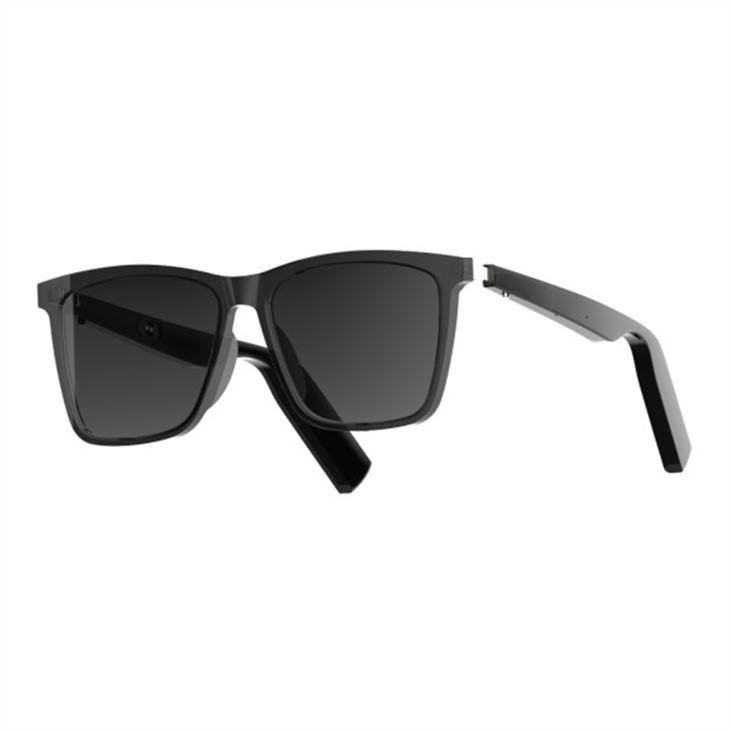
Audio-enabled eyewear represents the fastest-growing category in Korea, serving as an accessible entry point for consumers new to smart glasses technology. Products combining quality sound reproduction, reliable Bluetooth connectivity, comfortable fit for extended wear, and stylish appearance have achieved the broadest market traction. B2B buyers should prioritize these specifications when selecting manufacturing partners.
Privacy and Social Acceptance Considerations
Korean society demonstrates heightened awareness of privacy implications associated with camera-equipped eyewear. Products featuring visible recording indicators, explicit privacy controls, and socially acceptable form factors have achieved better market reception than those perceived as invasive. Manufacturing specifications should incorporate privacy-respecting design elements.
Manufacturing Considerations and OEM Partnership Models
Chinese OEM/ODM manufacturers serve as critical supply chain partners for both Korean brands seeking cost-competitive production and international buyers targeting the Korean market. Understanding optimal partnership structures maximizes value creation for all parties.
Customization Capabilities
Successful market entry in Korea requires products that reflect localized design preferences, regulatory compliance, and feature priorities. OEM partners must demonstrate flexibility in accommodating customization requests including frame styling variations, lens technology options, acoustic tuning, and software localization. The ability to produce small-batch customizations without significant cost penalties provides competitive advantage.
Quality Standards and Certification
Korean market entry requires compliance with KC (Korea Certification) safety requirements, electromagnetic compatibility standards, and specific regulations governing wireless devices. Manufacturing partners should demonstrate familiarity with Korean regulatory requirements and maintain quality management systems that ensure consistent compliance. Products like anti-ultraviolet sunglasses UV400 demonstrate the importance of certified protection features.
Supply Chain Resilience
Recent global supply chain disruptions have reinforced the importance of manufacturing partners with diversified component sourcing, production flexibility, and inventory buffer capabilities. Korean buyers increasingly prioritize supplier relationships that balance cost competitiveness with supply security, preferring partners who can demonstrate resilience through documented contingency planning.
Future Outlook and Emerging Opportunities
The Korean smart glasses market trajectory points toward continued expansion driven by technological advancement and evolving use cases. Several emerging trends present opportunities for B2B buyers prepared to capitalize on market evolution.
AR Integration Acceleration
While current market traction centers on audio and notification features, augmented reality capabilities are rapidly maturing. Korean technology companies including Samsung and Naver continue investing in AR platform development, suggesting AR-enabled smart glasses will achieve mainstream viability within the forecast period. Manufacturing partners should develop capabilities accommodating waveguide optics, spatial computing, and advanced sensor integration.
Healthcare and Wellness Applications
An aging population and heightened health consciousness drive Korean interest in smart glasses applications for wellness monitoring, medication reminders, vision assistance, and cognitive health support. Products incorporating UV protection, blue light filtering, and potential health tracking sensors align with Korean consumer priorities.
Cross-Border E-commerce Channels
Korean consumers increasingly purchase smart glasses through cross-border e-commerce platforms, creating opportunities for manufacturers to bypass traditional distribution channels. Quality-conscious Korean buyers actively research products and compare specifications, rewarding manufacturers who provide detailed product information and transparent pricing.
Conclusion
South Korea's position as Asia's premier technology hub creates compelling opportunities for B2B buyers in the smart glasses market. The combination of advanced telecommunications infrastructure, design-conscious consumer preferences, enterprise digital transformation momentum, and established trade relationships with Chinese manufacturing centers positions Korea as an essential market for smart eyewear strategies.
Success in this market requires manufacturing partners capable of delivering products that balance technological innovation with aesthetic refinement, comply with Korean regulatory requirements, and accommodate the customization demands of discerning buyers. Companies prepared to invest in understanding Korean market dynamics and developing corresponding manufacturing capabilities will capture disproportionate value as the market matures.
Ready to explore smart glasses manufacturing solutions tailored for Korean market requirements? Our team specializes in OEM/ODM partnerships delivering products that meet Korean quality standards and design expectations. Contact us today to discuss your product development roadmap and discover how our manufacturing expertise can support your Korean market entry strategy.
