
Posted At: Oct 09, 2026 - 198 Views

The wearable technology market has experienced remarkable growth over the past decade, with camera glasses emerging as one of the most promising segments. Snap Inc.'s Spectacles line brought mainstream attention to POV recording eyewear, but for businesses seeking OEM smart glasses manufacturing solutions, understanding the full landscape of options has never been more critical. This guide explores everything B2B buyers need to know about sourcing Snap Spectacles-style camera glasses from China.
Understanding the Snap Spectacles Legacy
Snap Spectacles first launched in 2016, introducing the world to first-person capture sunglasses. The distinctive design featured a camera module positioned at the corners of the frames, capable of recording 10-second video clips with a simple tap. While the original product faced commercial challenges, the subsequent Spectacles 3 and Spectacles 4 iterations refined the technology considerably.
For B2B buyers evaluating market opportunities, Snap Spectacles demonstrated several key market validations:
- The demand for unobtrusive, stylish camera glasses exists beyond traditional security applications
- Social sharing capabilities drive consumer adoption in the smart eyewear category
- Design and form factor matter as much as technical specifications
- Privacy-conscious features (LED indicators, limited recording duration) address regulatory concerns
These insights have shaped the competitive landscape, with numerous manufacturers now offering Multifunctional Smart Glasses that combine camera capabilities with additional features like audio playback and hands-free calling.
Key Features of Quality Camera Glasses
When evaluating Snap Spectacles-style alternatives for bulk procurement, B2B buyers should prioritize specific technical and design elements that determine market success.
Camera Module Specifications
The heart of any camera glasses product lies in its imaging capabilities. Modern CMOS sensors in smart glasses typically offer:
- 1080p HD video recording at 30fps for smooth, shareable content
- Wide-angle lenses (typically 120-130 degrees) for immersive first-person perspectives
- Photo capture capabilities ranging from 5MP to 12MP still images
- Low-light performance improvements over previous generations
- Compact sensor modules that integrate seamlessly into frame designs
Battery Life and Power Management
Camera glasses face unique power challenges due to their compact form factor. Quality Fashion Bluetooth Call Glasses solutions now incorporate:
- Lithium-polymer batteries ranging from 120mAh to 350mAh capacity
- Optimized power consumption modes when recording is inactive
- Charging cases that extend total operational time significantly
- USB-C or magnetic charging interfaces for user convenience
A professional camera glasses product should deliver at least 60-90 minutes of continuous recording, with standby times exceeding 24 hours for occasional use patterns.
Storage and Connectivity
Modern smart glasses handle video storage through multiple approaches:
- Internal flash storage (8GB-32GB) for standalone operation
- Bluetooth connectivity for wireless file transfer to smartphones
- Wi-Fi direct capabilities for faster uploads to cloud services
- Companion mobile applications for iOS and Android devices
The chosen connectivity approach impacts both manufacturing costs and end-user experience, making it an important specification for B2B buyers to define clearly.
Design Considerations for Market Success
Snap Spectacles achieved significant attention partly through distinctive design language. B2B buyers seeking alternatives should understand how aesthetics influence market performance.
Frame Materials and Construction
Premium camera glasses typically utilize:
- TR-90 nylon frames for lightweight durability (typically under 50 grams total weight)
- Aluminum alloy accents for premium feel and structural reinforcement
- High-grade acetate for luxury positioning in fashion-forward models
- Rubber-coated touch controls for intuitive operation
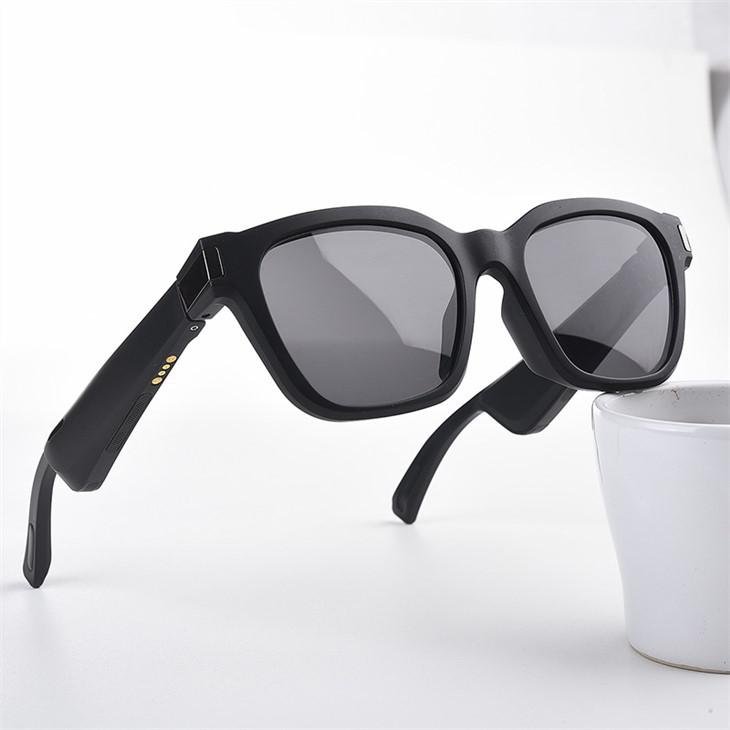
Weight distribution proves critical for camera glasses specifically. The additional mass of camera modules and batteries requires careful engineering to prevent slippage during movement. Look for manufacturers with proven experience in Smart Music Glasses for Sports that demonstrate expertise in active-use design.
Lens Options and UV Protection
Beyond the camera technology, camera glasses must function as legitimate eyewear:
- Polarized lenses for outdoor and driving applications
- Interchangeable lens systems for versatility
- UV400 protection ratings for proper eye safety
- Anti-scratch and anti-fog coatings for durability
- Blue-light filtering for indoor computer use variants
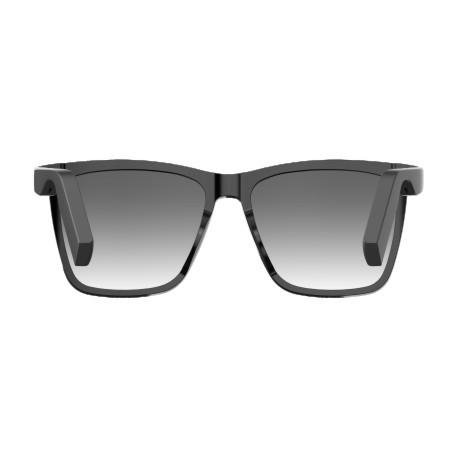
Manufacturers offering Polarized Smart Driving Glasses demonstrate the capability to integrate camera technology with optical-grade lenses, a key differentiator for premium positioning.
Manufacturing Process and Quality Standards
For B2B buyers, understanding the manufacturing process helps in evaluating potential partners and ensuring consistent quality across large orders.
Component Assembly
Quality camera glasses require precise assembly of multiple subsystems:
- Optical components (lenses, camera module, light guides)
- Electronic systems (PCB, sensors, connectivity modules, battery)
- Mechanical components (hinges, frames, buttons, seals)
- Software integration (firmware, companion apps, cloud services)
Experienced manufacturers maintain strict quality control protocols including:
- IPC standards for electronic assembly
- Water resistance testing (IP ratings where applicable)
- Drop testing for durability verification
- Camera calibration and image quality testing
- Bluetooth and Wi-Fi certification testing
Regulatory Compliance
Camera glasses face unique regulatory considerations that vary by target market:
| Region | Key Requirements | Certification |
|---|---|---|
| North America | FCC compliance, CPSC safety, state-specific recording laws | FCC ID, CE marking |
| European Union | GDPR compliance, CE marking, WEEE directive | CE, RoHS, REACH |
| Asia-Pacific | CCC certification (China), TELEC (Japan), KC (Korea) | Varies by country |
| Australia | RCM compliance, ACMA standards | RCM marking |
Professional OEM manufacturers guide clients through compliance requirements, handling certification testing as part of their service offerings.
Cost Analysis and Pricing Considerations
Understanding the cost structure of camera glasses manufacturing enables B2B buyers to evaluate quotes accurately and identify potential quality concerns.
Component Cost Breakdown
Typical material costs for quality camera glasses include:
- Camera module: $8-25 depending on sensor quality and features
- PCB and electronics: $10-30 for multi-layer boards with connectivity
- Battery: $3-8 for lithium-polymer cells
- Frame materials: $5-20 depending on material selection
- Lenses: $3-15 for optical-grade polycarbonate or glass
- Assembly and testing: $8-15 for professional manufacturing
These figures suggest a production cost range of approximately $37-113 per unit, with significant variation based on specifications and order volume.
Volume Pricing Tiers
OEM manufacturing typically follows established volume tiers:
- Prototype (1-50 units): Premium pricing, extended lead times
- Small batch (50-500 units): 15-25% premium over mass production
- Standard orders (500-2000 units): Base pricing tier
- Large orders (2000-10,000 units): 10-20% reduction potential
- High volume (10,000+ units): Maximum economies of scale
Lead times typically range from 45-60 days for initial production runs, with subsequent orders potentially reduced to 30-45 days with established component suppliers.
Competitive Positioning: Snap Spectacles Alternatives
For B2B buyers, understanding how alternative products compare to Snap Spectacles helps in specification decisions and market positioning.
Feature Comparison
Modern camera glasses from established manufacturers offer competitive specifications:
- Similar or improved camera resolution compared to Spectacles 4
- Enhanced audio capabilities with built-in speakers and microphones
- More versatile lens options including prescription compatibility
- Competitive pricing enabling stronger retail margins
- Faster technology refresh cycles than Snap's annual releases
Market Advantages for B2B Buyers
Sourcing camera glasses through OEM partnerships provides several strategic advantages:
- Customization flexibility: Modify designs, colors, and specifications for brand differentiation
- Supply chain control: Avoid dependency on single consumer-focused brand
- Margin opportunities: Competitive manufacturing costs enable healthy retail margins
- Speed to market: Established manufacturing processes reduce development timelines
- IP considerations: Work with manufacturers holding relevant patents and certifications
Selecting the Right Manufacturing Partner
The success of any camera glasses project depends heavily on choosing appropriate manufacturing partners. Key evaluation criteria include:
Experience and Capabilities
Prioritize manufacturers demonstrating:
- Minimum 5 years experience in smart glasses production
- Established quality management systems (ISO 9001 or equivalent)
- In-house R&D capabilities for customization projects
- Transparent communication and project management processes
- References from similar projects in the wearables space
Technical Support and After-Sales Service
Professional OEM partnerships extend beyond initial production:
- Comprehensive warranty terms (typically 12-24 months)
- Spare parts availability for maintenance support
- Software update capabilities for firmware improvements
- Responsive technical support for end-user issues
- Documentation and certification support for target markets
Future Trends in Camera Glasses Technology
B2B buyers should consider emerging technologies that will influence product roadmaps and competitive positioning.
Emerging Features
The next generation of camera glasses likely includes:
- AI integration: On-device processing for scene recognition and automatic highlights
- Extended reality capabilities: Hybrid products combining camera capture with AR overlays
- Improved connectivity: 5G integration for real-time streaming applications
- Advanced sensors: Depth perception, thermal imaging, and environmental sensing
- Health monitoring: Integration of biometric sensors for fitness applications
Market Growth Projections
Industry analysts project continued growth in the smart glasses market, with camera-enabled variants representing a significant share of expansion. Key drivers include social media integration, professional documentation applications, and consumer demand for hands-free content creation.
Getting Started with Your Camera Glasses Project
For B2B buyers ready to explore OEM manufacturing opportunities, the initial steps involve defining project parameters clearly:
- Target price points and margin requirements
- Key feature priorities (video quality, battery life, design aesthetics)
- Volume forecasts and production timelines
- Target geographic markets and associated certification requirements
- Brand positioning and differentiation requirements
Professional manufacturing partners offer comprehensive support from concept development through mass production, including industrial design consultation, component sourcing optimization, and compliance certification assistance.
The camera glasses market presents substantial opportunities for brands and distributors positioned to deliver quality products at competitive price points. By understanding the technical landscape, manufacturing processes, and partnership considerations outlined in this guide, B2B buyers can approach supplier selection with confidence and clarity.
Ready to explore camera glasses manufacturing options for your brand? Our team of smart glasses specialists provides comprehensive OEM/ODM services tailored to your specific requirements. Contact our manufacturing team today to discuss your project specifications, request samples, or schedule a virtual consultation to review potential collaboration opportunities.
