
Posted At: Jun 18, 2026 - 1,709 Views

The global smart glasses market continues its upward trajectory, with manufacturers and brands seeking every possible advantage in cost management without sacrificing product quality. For businesses sourcing Bluetooth office glasses or consumer-facing smart eyewear, understanding the intricate mechanics of supply chain efficiency has become essential to remaining competitive in an increasingly crowded marketplace.
Supply chain cost optimization in the smart glasses industry extends far beyond simple price negotiations with manufacturers. It encompasses everything from component standardization and bulk purchasing agreements to advanced logistics management and quality control integration. The most successful B2B procurement strategies recognize that true cost efficiency emerges from holistic supply chain design rather than isolated cost-cutting measures.
Understanding the Smart Glasses Manufacturing Cost Structure
Smart glasses represent a complex convergence of traditional eyewear manufacturing and cutting-edge electronics. This dual nature creates unique cost challenges that differ significantly from either conventional sunglasses or consumer electronics alone. The manufacturing cost structure typically breaks down into several interconnected categories that smart procurement professionals must evaluate comprehensively.
Component costs form the foundation of smart glasses pricing. These include optical lenses with various coatings, frame materials ranging from polycarbonate to premium titanium alloys, electronic modules containing processors, memory, and connectivity chips, battery systems, speakers, microphones, and various sensors depending on product functionality. Each category presents opportunities for cost optimization through strategic sourcing decisions.
Labor costs in China remain competitive compared to Western manufacturing destinations, but the specialized nature of smart glasses assembly requires skilled technicians trained in both traditional optics and electronics. The learning curve investment pays dividends through improved production quality and reduced defect rates, ultimately contributing to lower total cost of ownership for B2B buyers.
Component Sourcing Strategies That Drive Efficiency
Experienced OEM/ODM manufacturers leverage established relationships with component suppliers to secure favorable pricing through volume commitments and long-term partnership agreements. These relationships prove particularly valuable when sourcing specialized components like micro displays, optical waveguides for augmented reality applications, and miniaturized audio drivers that meet demanding quality specifications.
The strategic consolidation of component suppliers offers significant advantages. Rather than managing dozens of separate vendor relationships, working with manufacturers who have optimized their supplier networks reduces coordination complexity and enables better pricing through aggregated purchasing power. This approach proves especially effective for fashion music glasses where style and functionality must balance perfectly.
Quality component suppliers also contribute to cost efficiency through consistency. When components arrive meeting exact specifications consistently, production lines operate smoothly without costly reworks or delays. The hidden costs of supplier inconsistency often exceed the visible price differences between suppliers, making quality reliability a critical factor in true supply chain cost management.
Manufacturing Process Optimization
Modern smart glasses factories employ advanced manufacturing principles that dramatically improve production efficiency. Lean manufacturing techniques reduce waste in all its forms, from excess inventory holding costs to inefficient motion patterns on assembly lines. These improvements translate directly into lower per-unit costs for B2B buyers without any compromise in product quality.
Automation investments continue reshaping smart glasses manufacturing economics. While initial capital requirements remain substantial, automated processes for tasks like lens mounting, electronic testing, and quality inspection deliver consistent results while reducing labor costs over time. The most efficient manufacturers strategically balance automation with human expertise, deploying machines for high-precision repetitive tasks while maintaining skilled workers for assembly operations requiring dexterity and judgment.
Production line flexibility has emerged as a crucial efficiency driver. Manufacturers capable of producing multiple product variants on shared equipment reduce changeover costs and enable smaller batch orders economically. This flexibility benefits B2B buyers seeking to test market demand with initial orders before committing to larger volume production runs.

Quality Control Systems and Their Cost Impact
Comprehensive quality control might seem counter to cost optimization, but inspection and testing systems actually contribute significantly to overall efficiency gains. Preventing defective products from reaching customers avoids costly returns, warranty claims, and reputational damage that would far exceed the investment in prevention.
Automated optical inspection systems can detect frame imperfections and assembly defects with precision exceeding human capabilities. Similarly, electronic testing equipment verifies all smart functions operate correctly before products leave the factory. These investments in quality infrastructure represent strategic cost management rather than mere expense.
Traceability systems track components through every production stage, enabling rapid identification of any quality issues that do occur. When problems arise, manufacturers can pinpoint exactly which production batches contain potentially affected units, minimizing recall scope and associated costs. This capability provides invaluable risk mitigation for B2B brands.
Inventory Management and Logistics Optimization
Effective inventory management dramatically influences total supply chain costs. Just-in-time inventory systems reduce warehousing expenses while maintaining production continuity when properly implemented with reliable component suppliers. The key lies in achieving the right balance between inventory carrying costs and production interruption risks.
Strategic warehouse positioning reduces shipping times and costs to end markets. Manufacturers with established logistics networks can offer B2B buyers more favorable freight terms while ensuring faster delivery schedules. This efficiency proves particularly valuable for businesses serving time-sensitive markets or managing seasonal demand fluctuations.
Packaging optimization presents often-overlooked cost reduction opportunities. Efficient packaging designs reduce material costs while improving product protection during transit. Consolidated shipping arrangements combine multiple orders efficiently, spreading transportation costs across larger volumes.
Technology Integration Benefits for Cost Efficiency
The evolution of smart glasses technology has introduced new efficiency opportunities through standardization. As the industry matures, common platform components emerge, enabling manufacturers to spread development costs across multiple product generations. B2B buyers benefit from proven technology roadmaps while avoiding the full burden of custom development expenses.
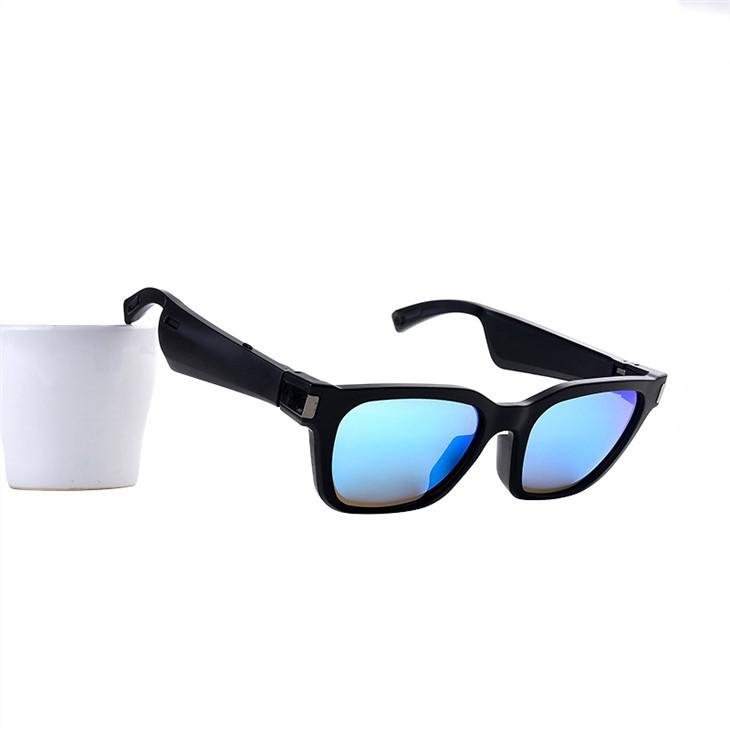
Bluetooth connectivity standardization exemplifies this efficiency gain. Factory-tested Bluetooth modules from established manufacturers like those integrated into UV400 Bluetooth music glasses deliver reliable wireless performance without requiring expensive custom RF development. This approach combines cost efficiency with proven functionality.
Software optimization continues delivering efficiency improvements as manufacturers refine firmware and companion applications. Well-tested software reduces support costs and customer returns while improving user satisfaction. B2B buyers should evaluate not only hardware specifications but also software maturity when assessing total cost of ownership.
Economies of Scale in Smart Glasses Production
Volume production unlocks significant efficiency gains through spreading fixed costs across larger quantities. Tooling and setup costs amortize more favorably, while component pricing typically improves with larger order volumes. Understanding these dynamics helps B2B buyers make informed decisions about order quantities and timing.
| Order Volume | Typical Unit Cost Reduction | Lead Time Impact |
|---|---|---|
| 100-500 units | Baseline pricing | Standard lead times |
| 500-2,000 units | 10-15% reduction | Similar scheduling |
| 2,000-5,000 units | 20-25% reduction | Potential efficiency gains |
| 5,000+ units | 30%+ reduction | Optimized production runs |
However, strategic B2B buyers recognize that volume decisions involve tradeoffs. Excessive inventory ties up working capital and risks obsolescence, particularly in rapidly evolving smart technology markets. The optimal approach balances unit cost advantages against inventory carrying costs and market demand uncertainty.
Partner Selection Criteria for Cost Optimization
Choosing the right manufacturing partner represents perhaps the most consequential decision affecting supply chain costs. Beyond unit pricing, B2B buyers should evaluate manufacturing capability, quality systems, communication efficiency, and long-term partnership potential. The lowest-priced option often proves more expensive over time through quality issues and service limitations.
Manufacturing facilities with integrated capabilities often deliver superior cost efficiency compared to those outsourcing individual processes. Vertically integrated operations reduce transfer costs and quality risks while enabling tighter production scheduling. Facilities producing stereo Bluetooth music glasses benefit from streamlined processes that minimize handling and transit between operations.
Communication efficiency directly impacts operational costs. Manufacturers with dedicated B2B account management, clear escalation procedures, and responsive support reduce the hidden costs of miscommunication and delays. These soft factors significantly influence total partnership value beyond hard pricing.
Design for Manufacturability Considerations
Product design decisions made early in development cascade through the entire supply chain, influencing manufacturing costs throughout the product lifecycle. B2B buyers working with experienced manufacturers benefit from design for manufacturability (DFM) consultations that identify cost reduction opportunities before production begins.
Component standardization where functionally appropriate reduces part numbers and simplifies inventory management. Shared components across product lines enable volume purchasing benefits while simplifying spare parts management. These optimizations compound over time, delivering ongoing efficiency improvements.
Assembly complexity directly affects labor costs and quality consistency. Designs minimizing tight tolerances, specialized tools, or complex joining operations typically achieve lower production costs without sacrificing functionality. The most efficient smart glasses balance sophisticated features with manufacturable designs.
Long-Term Partnership Benefits
Sustainable cost optimization emerges from long-term manufacturing partnerships rather than transactional purchasing relationships. Partners invested in mutual success continuously seek improvement opportunities, share market intelligence, and provide priority support during challenging periods. These relationship benefits often exceed transactional price advantages.
Joint product development initiatives enable manufacturers to apply accumulated expertise benefiting all stakeholders. Knowledge sharing about component advances, process improvements, and market trends creates value beyond individual transactions. Partners comfortable sharing confidential information can collaborate on innovations that would be impossible in arm's-length supplier relationships.
Volume commitment programs reward partnership loyalty with preferential pricing, priority production scheduling, and enhanced service levels. Manufacturers can offer these benefits because long-term relationships reduce customer acquisition costs and enable more accurate demand forecasting. B2B buyers committing to partnership volumes capture these advantages.
Market-Specific Cost Optimization Opportunities
Different market segments present unique cost optimization pathways. Consumer markets emphasize value optimization and feature-to-price ratios, driving efficiency in mainstream product lines. Commercial applications often tolerate higher per-unit costs in exchange for reliability and support, creating opportunities for premium positioning.
Regulatory compliance requirements vary across markets, influencing cost structures. Working with manufacturers experienced in target market certifications avoids costly compliance surprises. Knowledge of regional requirements enables efficient certification processes that keep products moving to market without expensive delays.
Seasonal demand patterns present both challenges and opportunities. Manufacturers supporting brands through seasonal fluctuations can offer more favorable terms during production shoulder seasons while maintaining quality and delivery commitments during peak periods. Strategic timing of orders captures these advantages.
Risk Management and Cost Efficiency
Effective risk management contributes to overall cost efficiency by reducing unexpected expenses. Supplier diversification strategies, while potentially offering lower unit pricing from concentrated sources, provide insurance against supply disruptions that could cost far more than pricing differences.
Currency hedging strategies protect against exchange rate volatility that could otherwise erode cost efficiency gains. Manufacturers with international experience help B2B buyers navigate these considerations appropriately for their specific circumstances.
Quality warranty provisions and clear responsibility frameworks reduce the cost uncertainty that can plague supply chain relationships. Well-structured agreements protect both parties while enabling efficient resolution when issues arise.
Measuring True Supply Chain Cost Efficiency
Sophisticated B2B buyers evaluate total cost of ownership rather than unit price alone. This comprehensive view encompasses landed costs including all fees to delivery at destination, quality-related costs spanning returns and reputation impact, operational costs including communication and management overhead, and opportunity costs related to speed-to-market and flexibility.
Total cost analysis often reveals that seemingly higher-priced options deliver superior value when all factors are considered. The transparency that results from comprehensive cost analysis strengthens partnership negotiations by focusing attention on value creation rather than arbitrary price targets.
Continuous improvement metrics track cost efficiency gains over time, validating partnership value and identifying additional optimization opportunities. Regular business reviews examining cost trends, quality performance, and service levels ensure partnerships evolve productively.
Ready to optimize your smart glasses supply chain? Explore our range of fashion Bluetooth call glasses and other innovative smart eyewear solutions. Our manufacturing experts will help you design cost-effective products without compromising on quality, supporting your success in competitive markets worldwide.
