
Posted At: Sep 04, 2026 - 16 Views

The Japanese market represents one of the most lucrative opportunities for smart glasses brands and distributors. With consumers known for embracing innovative technology and a robust retail infrastructure, Japan continues to demand high-quality electronic products that meet stringent safety standards. If you are sourcing smart glasses from China manufacturers for distribution in Japan, obtaining PSE certification is not optional—it is a legal requirement that determines whether your products can legally enter the market.
PSE stands for Product Safety Electrical Appliance and Material, and it forms the cornerstone of Japan's electrical product safety system under the DENAN (Electrical Appliance and Material Safety Law). For smart glasses that incorporate batteries, wireless communication modules, and electronic components, navigating the PSE certification process is critical for market success.
Understanding PSE Certification for Smart Glasses
Japan's PSE framework categorizes electrical products into two distinct groups: Specified Products (Category A) and Non-Specified Products (Category B). Smart glasses typically fall under the non-specified category, meaning they must comply with technical requirements outlined in the DENAN law while bearing the PSE diamond mark upon certification.
The certification validates that your smart glasses meet fundamental safety requirements including electrical shock prevention, fire hazard mitigation, and proper grounding where applicable. Given that smart glasses are worn devices that come into close contact with users and often feature rechargeable lithium batteries, the testing and documentation requirements are particularly thorough.
For B2B buyers working with China-based OEM or ODM manufacturers, understanding that the manufacturer must actively participate in the certification process is essential. The factory must provide technical documentation, facilitate product testing through accredited Japanese laboratories, and maintain quality systems that support ongoing compliance.
Key Technical Requirements for Smart Glasses PSE Compliance
When pursuing PSE certification for smart glasses, several technical aspects require careful attention during the design and manufacturing phases. The requirements primarily focus on electrical safety, battery safety, and electromagnetic compatibility.
Battery Safety Standards
Smart glasses universally incorporate lithium-ion or lithium-polymer batteries, which trigger specific regulatory attention under PSE requirements. The batteries must comply with JIS C 62133 standards, which address safety requirements for portable sealed secondary cells. Testing includes evaluation of mechanical abuse scenarios, electrical stress conditions, and thermal vulnerability assessments.
For brands working with manufacturing partners, verifying that the OEM factory has established battery sourcing protocols from certified suppliers becomes a foundational quality control measure. Battery cells must carry appropriate markings and documentation traceable through the supply chain.
Electrical Circuit Safety
The electronic circuitry within smart glasses undergoes rigorous evaluation to ensure that under normal operating conditions and foreseeable misuse scenarios, users remain protected from electrical hazards. This includes insulation resistance testing, dielectric strength verification, and assessment of protective grounding systems where circuit designs incorporate external conductive parts.
Charging circuitry receives particular scrutiny since smart glasses typically feature USB-C or magnetic charging systems. The charging mechanism must incorporate over-current protection, over-voltage protection, and thermal cut-off mechanisms that prevent hazardous charging scenarios.
Electromagnetic Compatibility
While PSE primarily addresses product safety rather than radio frequency performance, smart glasses with Bluetooth connectivity must also demonstrate compliance with Japan's radio law requirements (Radio Act). This typically involves separate certification through the Ministry of Internal Affairs and Communications, but the electromagnetic characteristics of the device remain relevant during PSE testing environments.
The PSE Certification Process for Smart Glasses
Navigating the certification journey requires systematic planning and coordination between brands, manufacturers, testing laboratories, and certification bodies. For companies sourcing from China, establishing clear communication channels with your manufacturing partner prevents delays and reduces the risk of certification failures.
Step 1: Product Classification and Standard Identification
Before initiating formal testing, determine the precise regulatory classification for your specific smart glasses product. Products with identical form factors may have different classification outcomes depending on their feature sets. Smart glasses with audio playback functionality, calling capabilities, or display elements each carry specific standard requirements that must be identified and addressed.
Step 2: Technical Documentation Preparation
Your China manufacturing partner must compile comprehensive technical documentation including circuit diagrams, component specifications, battery datasheets, instruction manuals, andBill of Materials. Documentation must be translated into Japanese or accompanied by Japanese-language explanations for regulatory review. Factory quality management system descriptions, including ISO 9001 certifications, strengthen the application package.
Step 3: Sample Submission and Laboratory Testing
Physical product samples must be submitted to accredited testing laboratories authorized to issue PSE certification. Testing typically occurs in phases: preliminary evaluation using documentation review, followed by physical testing of samples for electrical safety, battery performance, and mechanical durability. For China-based manufacturers, coordinating sample shipments and ensuring testing facility access requires advance planning.
Step 4: Factory Inspection
For certain product categories and certification pathways, factory inspections form part of the PSE certification requirements. Inspectors evaluate manufacturing conditions, quality control procedures, and documentation systems. Establishing robust manufacturing protocols before certification audit demonstrates professional operational standards and reduces findings that could delay certification timelines.
Step 5: Certification Issuance and Marking
Upon successful completion of testing and any required inspections, the PSE certification is issued, and the manufacturer receives authorization to apply the PSE diamond mark to product packaging, user manuals, and product labels. The marking must meet specific size, placement, and durability requirements prescribed by regulatory guidelines.
Timeline and Cost Considerations
For B2B buyers planning product launches in Japan, realistic timeline expectations prevent costly market entry delays. The complete PSE certification process for smart glasses typically spans 3 to 6 months, though products requiring significant design modifications to achieve compliance may extend this timeline considerably.
Cost components include laboratory testing fees, certification application fees, translation and documentation expenses, and potential factory audit costs. Working with manufacturers who have prior PSE certification experience significantly reduces both timeline and cost by preventing testing failures and documentation gaps.
Strategic Advantages of PSE Certification for Your Business
Securing PSE certification delivers benefits beyond regulatory compliance. The certification signals to Japanese retailers and consumers that your smart glasses meet world-class safety standards. Japan's retail environment particularly values documented safety compliance, and many electronics retailers require PSE certification documentation before accepting new product lines.
For brands building long-term presence in Japan, PSE certification establishes credibility with distribution partners, simplifies customs clearance processes, and reduces the risk of product recalls or market withdrawal orders. The investment in proper certification during initial market entry creates operational stability that supports sustainable business growth.
Consider how modern smart glasses designs integrate multiple functionalities. Products like Fashion Bluetooth Call Glasses combine eyewear functionality with wireless calling capabilities, requiring thorough evaluation of both electrical safety and wireless transmission characteristics under PSE frameworks.
Partnering with China Manufacturers for PSE Compliance
Selecting the right manufacturing partner dramatically influences your PSE certification experience. When evaluating China-based smart glasses manufacturers, assess their track record with Japanese market certifications, understanding that familiarity with PSE requirements correlates strongly with smoother certification processes.
Experienced manufacturers maintain documentation systems aligned with Japanese regulatory expectations, possess relationships with accredited testing laboratories, and employ engineering teams capable of designing products with compliance built-in rather than retrofitted. This proactive compliance engineering reduces development iterations and testing failures that extend timelines and inflate costs.
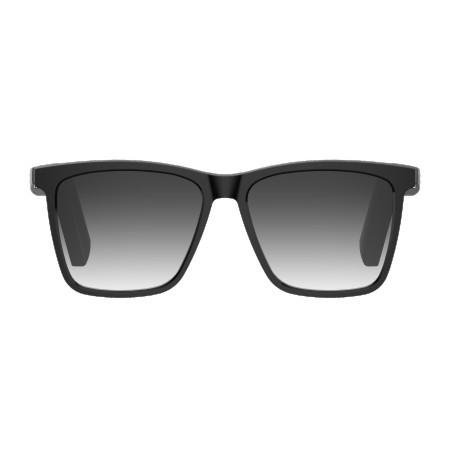
Modern smart glasses production involves sophisticated assembly processes combining precision optics, electronic circuitry, and battery systems. Manufacturers specializing in products like Bluetooth 5.0 Smart Glasses demonstrate the technical capability required for PSE compliance, where wireless connectivity, audio reproduction, and compact battery systems must coexist safely within the eyewear form factor.
Quality Control Systems Supporting Ongoing Compliance
PSE certification represents a single point-in-time achievement, but maintaining compliance requires ongoing quality systems. For continuous production destined for Japan, establishing incoming inspection protocols for critical components, in-process quality checks during assembly, and finished product testing procedures ensures that every shipment maintains the safety characteristics verified during initial certification.
Document control systems must track component substitutions, manufacturing process modifications, and engineering changes that could affect certified product characteristics. Any significant change typically requires re-evaluation or notification to certification authorities, making change management a critical operational capability.
Market-Specific Considerations for Japan
The Japanese market presents unique characteristics that influence smart glasses product design and certification strategy. Consumer expectations for product quality exceed typical international standards, and retail packaging often requires Japanese-language labeling that includes safety information, operating instructions, and manufacturer contact details.
Warranty expectations in Japan typically exceed those in other markets, and product liability considerations make comprehensive safety documentation particularly important. Working with manufacturing partners who understand Japanese market expectations helps brands develop products positioned for success rather than facing adaptation challenges post-certification.
Certification Maintenance and Renewal Requirements
PSE certification does not expire automatically, but maintaining certification requires ongoing compliance with updated standards and regulations. Japan periodically revises technical requirements, and manufacturers must monitor regulatory updates to ensure continued compliance throughout the product lifecycle.
When certification standards are revised, affected products may require re-testing or documentation updates to demonstrate continued compliance. Brands working with manufacturing partners who actively monitor regulatory developments can address updates proactively rather than scrambling to respond to changed requirements.
Taking the Next Step Toward Japan Market Entry
For B2B buyers, distributors, and brands targeting Japan, the PSE certification journey begins with selecting a manufacturing partner who combines technical expertise with certification experience. Understanding your product requirements, establishing clear timelines, and allocating appropriate resources for compliance activities creates the foundation for successful market entry.
The rewards of entering Japan with properly certified smart glasses extend beyond immediate sales opportunities. Establishing your brand as a trusted supplier in one of the world's most demanding markets creates reference credibility that supports expansion into additional territories and retail channels.
Ready to explore smart glasses manufacturing solutions optimized for Japanese market requirements? Our team understands PSE certification complexities and manufactures products designed for international compliance. Browse our product catalog to discover smart glasses designs that meet global safety standards, or contact our engineering team to discuss your specific certification requirements and product development timeline.
