
Posted At: Jun 02, 2026 - 49 Views

The landscape of physical therapy and rehabilitation is undergoing a dramatic transformation. Healthcare providers worldwide are discovering that smart glasses offer unprecedented capabilities for guiding patients through recovery exercises, monitoring progress in real-time, and delivering personalized treatment protocols. For B2B buyers, distributors, and brands seeking to enter this growing market, understanding the intersection of wearable technology and rehabilitation has never been more critical.
The Growing Demand for Technology-Enhanced Rehabilitation
Physical therapy traditionally relied on in-person sessions, paper-based exercise sheets, and the therapist's direct observation. While these methods remain foundational, they present limitations in today's fast-paced healthcare environment. Patients often struggle with exercise compliance once they leave the clinic. Therapists cannot continuously monitor form, repetition counts, or physiological responses during home sessions. This gap between clinical oversight and independent practice has created significant opportunities for technological intervention.
Smart glasses bridge this divide by bringing digital guidance directly into the patient's field of vision. Whether performing shoulder mobility exercises after rotator cuff surgery or practicing balance routines following a stroke, patients can receive real-time feedback without constantly checking a phone or mirror. The hands-free nature of eyewear technology proves particularly valuable for rehabilitation, where patients may have limited mobility or strength in their arms and hands.
Market analysts project substantial growth in healthcare wearables over the coming years, with rehabilitation applications representing a significant segment. Facilities that invest in smart rehabilitation technology now position themselves ahead of competitors still relying solely on traditional methods. The question is no longer whether technology will transform physical therapy, but how quickly your organization can adopt these innovations.
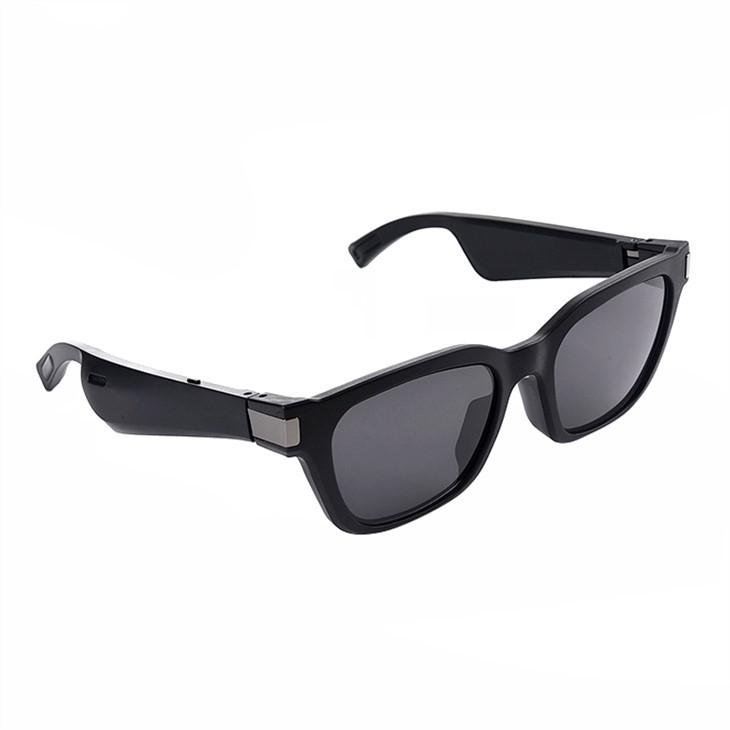
Key Features of Smart Glasses for Rehabilitation
Not all smart glasses are created equal when it comes to therapeutic applications. Rehabilitation-focused eyewear must incorporate specific features that address the unique challenges of physical therapy settings. Understanding these capabilities helps B2B buyers evaluate potential OEM partners and product offerings more effectively.
Visual Guidance and Overlay Systems
The most fundamental feature for rehabilitation applications involves displaying exercise instructions directly within the patient's visual field. High-resolution displays allow therapists to program specific movements, target angles, and pacing cues that appear as the patient performs each exercise. This visual overlay eliminates the need for patients to look away from their bodies to check instruction cards or screens, maintaining focus on movement quality throughout each session.
Advanced systems incorporate augmented reality elements that highlight proper body positioning, indicate range-of-motion boundaries, and provide immediate feedback when movements deviate from prescribed patterns. Some rehabilitation programs use color-coding systems where green indicates correct form, yellow signals minor deviations, and red alerts significant errors requiring adjustment.
Biometric Monitoring Integration
Modern smart glasses increasingly incorporate sensors capable of tracking vital signs and movement metrics. Heart rate monitoring provides therapists with physiological data during exercise sessions, helping them calibrate intensity appropriately for each patient's condition and recovery stage. Accelerometers and gyroscopes within the eyewear track head movement, which can correlate with overall body positioning and balance during standing exercises.
For patients recovering from neurological conditions, eye-tracking capabilities built into certain smart glasses models offer valuable insights into cognitive engagement and attention patterns during rehabilitation activities. Therapists can assess whether patients maintain focus on relevant visual cues and adjust protocols accordingly.
Audio Guidance and Communication
Voice guidance complements visual overlays by providing verbal instructions, counting repetitions, and offering encouragement throughout exercise routines. Speakers built into smart glasses deliver clear audio without isolating patients from their environment, which proves essential for safety during balance training and gait exercises. The combination of audio and visual channels creates multiple reinforcing pathways for learning and executing movement patterns.
Two-way communication capabilities enable remote therapist oversight. Patients wearing connected smart glasses can receive real-time corrections from clinicians located elsewhere, effectively extending professional supervision beyond the physical clinic space. This feature proves particularly valuable for rural healthcare facilities with limited access to specialized rehabilitation professionals.
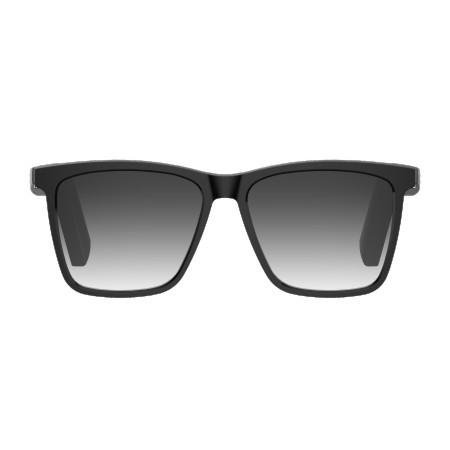
Applications Across Different Rehabilitation Specialties
Smart glasses demonstrate versatility across numerous rehabilitation specialties, each presenting distinct opportunities for technology deployment. Understanding these applications helps B2B buyers identify the most promising market segments for their business models.
Orthopedic Rehabilitation
Post-surgical orthopedic patients represent a large population benefiting from smart glass-guided rehabilitation. Following joint replacement, ligament reconstruction, or fracture recovery, patients must follow carefully structured exercise protocols to restore strength and mobility. Smart glasses ensure patients understand each exercise before attempting it, watch proper form demonstrated in the display, and receive immediate feedback on their performance.
For knee and hip replacement patients, smart glasses can guide weight-bearing progressions, showing exactly how much pressure to place through affected limbs during different recovery phases. Shoulders require particular attention to range-of-motion limits that evolve as healing progresses; visual cues help patients respect these boundaries while still challenging tissues appropriately.
Neurological Recovery
Stroke survivors and patients with other neurological conditions face unique rehabilitation challenges requiring intensive repetition and task-specific practice. Smart glasses provide the consistent cueing necessary for neuroplasticity-based recovery approaches. Patients performing gait training can receive step-by-step guidance for foot placement and weight shifting, while those working on arm function practice reaching and grasping movements with real-time feedback.
Cognitive rehabilitation also benefits from smart glass applications. Patients working on memory, attention, or executive function through computer-based cognitive training can have these programs displayed directly in their visual field, creating a more immersive and focused learning environment than traditional screen-based approaches.
Sports Physical Therapy
Athletes recovering from injuries require sport-specific rehabilitation protocols that prepare them for the demands of their particular activities. Smart glasses can simulate sport-relevant scenarios during recovery exercises, helping athletes maintain mental engagement with their sport while physical healing progresses. Runners might see simulated trail conditions during balance training; tennis players could visualize court positioning while working on mobility exercises.
Geriatric Rehabilitation
Older adults often face multiple health challenges that complicate rehabilitation efforts. Smart glasses designed for this population must balance advanced features with simplicity of use. Larger display text, clear audio instructions, and intuitive controls become essential design considerations. Falls prevention programs particularly benefit from smart glass guidance, as these patients need to maintain visual attention on their environment while learning new movement strategies.
Technical Considerations for OEM/ODM Manufacturing
B2B buyers seeking to enter the smart glasses rehabilitation market must understand key technical specifications that differentiate products suitable for healthcare applications. Manufacturing partners in China offer varying capabilities across several critical areas.
Display Technology Options
Smart glasses for rehabilitation typically employ one of several display technologies. Waveguide-based augmented reality systems project images through transparent lenses, allowing patients to see both digital content and their physical environment simultaneously. This approach suits rehabilitation applications where environmental awareness remains important for safety. Other systems use full occlusion displays that replace the visual field with digital content, appropriate for immersive training scenarios where external distractions should be minimized.
Resolution quality directly impacts readability of exercise instructions and feedback displays. For patients with visual impairments common in older rehabilitation populations, higher resolution displays ensure text and graphics remain clear and legible throughout the field of view.
Power and Battery Life
Rehabilitation sessions often extend for extended periods, requiring smart glasses capable of operating throughout typical treatment durations. Battery life specifications must account for active display use, audio playback, and sensor data collection, all of which consume power continuously. Thermal management becomes relevant during longer sessions, as components generating heat during extended operation can cause discomfort when positioned near the face.
Durability and Hygiene
Healthcare environments demand equipment that withstands repeated cleaning and disinfection. Smart glasses intended for clinical use should feature surfaces that tolerate healthcare-grade disinfectants without degradation. Some manufacturers offer removable, washable padding components that allow thorough cleaning between patients. Drop and impact resistance ensures equipment survives the inevitable bumps and handling that occur in busy therapy settings.
Software Platform Compatibility
Hardware considerations extend to software ecosystem compatibility. Rehabilitation applications may require integration with electronic health record systems, telehealth platforms, and clinic management software. B2B buyers should confirm that smart glass platforms support necessary API connections and communication protocols for seamless data flow within healthcare IT infrastructures.
Market Opportunities and Business Considerations
The convergence of aging populations, increasing sports injury rates, and growing recognition of rehabilitation's importance in recovery outcomes creates substantial market opportunity. Healthcare facilities facing pressure to improve patient outcomes while managing costs find smart rehabilitation technology increasingly attractive. The ability to extend professional oversight into patients' homes through connected devices addresses both quality and efficiency objectives.
B2B buyers evaluating market entry should consider several factors when selecting products and manufacturing partners. Regulatory compliance varies by target market, with FDA clearance in the United States, CE marking in Europe, and equivalent approvals in other regions representing potential requirements for medical device classification. Products marketed specifically for rehabilitation may face stricter regulatory pathways than general consumer eyewear.
Partnership structures with Chinese manufacturers range from straightforward product sourcing to collaborative development arrangements. Companies new to the smart glasses market may benefit from working with established OEM partners offering proven designs, while established brands might prefer ODM arrangements that customize solutions to specific market requirements. Understanding your organization's capabilities and objectives helps identify the most appropriate partnership model.
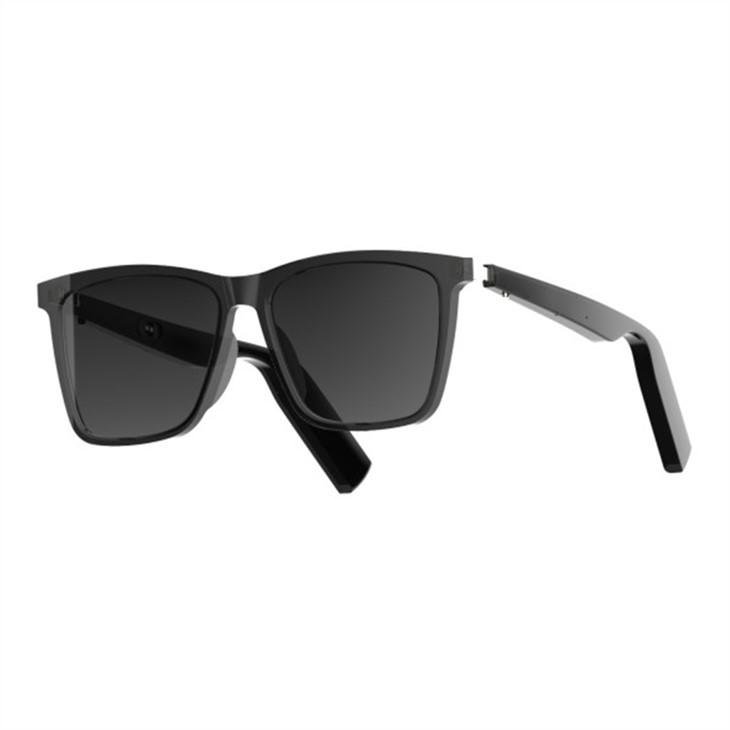
Implementing Smart Glasses in Rehabilitation Settings
Successful deployment of smart glasses technology requires attention to implementation factors beyond initial product selection. Healthcare organizations integrating this technology should consider workflow integration, staff training, and patient onboarding processes.
Staff Training and Acceptance
Physical therapists and rehabilitation professionals must feel confident using new technology to guide patient care effectively. Training programs should address both technical operation of smart glasses and pedagogical approaches for incorporating technology into exercise instruction. Staff members who understand the rationale behind smart rehabilitation approaches become advocates for adoption among colleagues.
Change management considerations prove equally important. Some therapists may initially resist technology perceived as replacing human interaction or requiring additional effort. Demonstrating how smart glasses enhance rather than replace therapeutic relationships helps build acceptance across rehabilitation teams.
Patient Factors and Accessibility
Patient populations vary considerably in their comfort with and ability to use technology. Rehabilitation programs implementing smart glasses should assess patient technology literacy during intake processes and provide appropriate support for those less familiar with wearable devices. Some patients may require additional time to adapt to wearing smart glasses while performing exercises; building this accommodation into treatment planning prevents frustration and ensures positive rehabilitation experiences.
Accessibility considerations extend to patients with hearing or vision impairments. While smart glasses can provide visual exercise cues for those with hearing challenges, audio descriptions become important for patients with visual limitations. Testing products with representative patient populations helps identify potential accessibility barriers before full-scale deployment.
The Future of Smart Rehabilitation Technology
Emerging developments promise continued evolution in smart glasses capabilities for rehabilitation applications. Artificial intelligence and machine learning advances enable more sophisticated movement analysis, potentially allowing real-time adaptation of exercise programs based on detected performance patterns. Haptic feedback integration may add tactile cues to existing visual and audio guidance, creating additional sensory channels for rehabilitation communication.
Social rehabilitation applications emerge as connectivity improves. Group therapy sessions conducted through smart glasses could enable patients to exercise together despite physical distance, addressing isolation and motivation challenges common in rehabilitation populations. Virtual reality elements may enhance engagement further, transforming routine exercises into immersive experiences that maintain patient interest over extended recovery periods.
B2B buyers considering market entry should monitor these developments while focusing on current-generation products that deliver proven value today. Building relationships with manufacturing partners capable of incorporating emerging technologies positions organizations for competitive advantage as the rehabilitation technology market continues maturing.
Partner with Leading Smart Glasses Manufacturers
The opportunity to transform rehabilitation through smart glasses technology is available now. Whether you represent a healthcare organization seeking to enhance patient outcomes, a distributor exploring product opportunities, or a brand developing rehabilitation-focused offerings, working with an experienced smart glasses manufacturer accelerates your path to market.
Our team specializes in OEM and ODM manufacturing for smart glasses applications across diverse markets, including healthcare and rehabilitation. We offer flexible partnership structures, proven product platforms, and customization capabilities designed to meet your specific requirements. Our manufacturing facilities maintain quality standards appropriate for healthcare applications, and our engineering teams work closely with clients to develop solutions tailored to their target markets.
Ready to explore how smart glasses can support your rehabilitation technology objectives? Contact our business development team to discuss your requirements, request product samples, or schedule a consultation with our technical experts. Together, we can bring innovative rehabilitation solutions to healthcare providers and patients who need them.
