
Posted At: Apr 07, 2026 - 2,264 Views

Navigating payment terms when sourcing smart glasses from China manufacturers can significantly impact your business cash flow, supplier relationships, and overall profitability. Whether you are a distributor establishing your first OEM partnership or a brand scaling up production with an ODM manufacturer, understanding the nuances between cash payments and credit arrangements empowers you to negotiate terms that align with your operational needs.
The smart glasses market continues expanding rapidly, with applications spanning consumer entertainment, professional utilities, sports, and industrial contexts. As demand grows, so does the complexity of supply chain financing. This guide breaks down everything B2B buyers need to know about payment structures in the smart glasses manufacturing sector.
Understanding Payment Terms in Smart Glasses Manufacturing
Payment terms in the manufacturing industry typically involve a combination of upfront deposits and balance payments tied to production milestones. For smart glasses specifically, the production process involves multiple stages including component sourcing, PCB assembly, optical integration, firmware development, quality testing, and final packaging.
Most China-based smart glasses manufacturers structure payments around these production phases. A typical arrangement might include a 30% deposit upon order confirmation, with the remaining 70% paid before shipment or upon presentation of shipping documents. However, the specific terms vary based on order volume, relationship history, and buyer creditworthiness.
Cash Payments: Advantages and Considerations
Cash payments, often referred to as prepayment or advance payments, involve transferring the full or substantial portion of the order value before production begins. This approach is common for first-time orders, new supplier relationships, or purchases of customized smart glasses designs.
Benefits of Cash Payments:
- Stronger negotiating position: Manufacturers often offer discounts ranging from 3% to 8% for full prepayment, recognizing the reduced financial risk and administrative burden.
- Priority production scheduling: Cash-in-advance orders typically receive faster production slots, crucial during peak seasons when manufacturing capacity runs tight.
- Simpler administrative process: Eliminates ongoing invoice tracking and reduces accounting complexity for both parties.
- Reduced credit risk for suppliers: Particularly relevant for smaller manufacturers or new factories entering the smart glasses market.
Consider the Music Call Sunglasses line as an example. When ordering these products, many international distributors opt for cash deposits because the unique combination of audio technology and sunglass functionality requires specialized manufacturing expertise that smaller factories may not offer without payment security.
Credit Arrangements: Trade Credit and Open Account Terms
Credit-based payments allow buyers to receive goods first and pay later, typically within 30, 60, or 90 days. This arrangement is standard for established business relationships where both parties have demonstrated reliability.
Types of Credit Terms in Smart Glasses Manufacturing:
- Open Account (OA): The manufacturer ships goods and invoices the buyer, who pays within the agreed period. Risk falls primarily on the seller.
- Documentary Collections: Banks facilitate document exchange against payment or acceptance of drafts.
- Letter of Credit (LC): A bank guarantees payment upon presentation of specified documents, reducing risk for both parties.
- Running Account: Ongoing credit arrangements covering multiple shipments, common in long-term partnerships.
Letter of Credit: The Gold Standard for Large Orders
For substantial smart glasses orders exceeding $50,000, letters of credit represent the most secure payment method. LC transactions involve the buyer's bank guaranteeing payment to the manufacturer upon fulfillment of specified conditions, typically including presentation of shipping documents, inspection certificates, and quality guarantees.
Advantages of Letters of Credit:
- Mitigates counterparty risk for both buyers and manufacturers
- Provides documented evidence of transaction terms
- Enables financing opportunities through bank confirmation
- Creates clear dispute resolution mechanisms
However, LCs involve higher transaction costs, typically ranging from 0.5% to 1.5% of the order value, plus bank fees. These costs are justified for high-value orders or transactions involving unfamiliar suppliers.
Comparing Payment Terms: A Framework for Decision-Making
| Payment Method | Typical Terms | Best For | Risk Level (Buyer) | Cost Impact |
|---|---|---|---|---|
| Full Cash in Advance | 100% before production | First orders, custom designs | Low | 3-8% discount potential |
| 30/70 Split | 30% deposit, 70% before shipment | Standard orders | Medium-Low | Minimal |
| Open Account | Net 30-90 days | Established relationships | Medium | May include financing markup |
| Letter of Credit | At sight or deferred | Large orders, new suppliers | Low | 0.5-1.5% bank fees |
Risk Management Strategies for B2B Buyers
Payment risk in smart glasses sourcing extends beyond simple credit concerns. Product quality issues, shipping delays, and specification mismatches can transform a straightforward transaction into a costly dispute. Implementing robust risk management practices protects your investment regardless of which payment structure you choose.
Essential Risk Mitigation Approaches:
- Third-party inspections: Engage independent quality control services to verify product specifications before shipment. For smart glasses, inspection should cover optical clarity, audio quality, battery performance, and connectivity functionality.
- Escrow services: Some transactions benefit from escrow arrangements where funds are released only upon confirmed delivery and inspection acceptance.
- Trade credit insurance: Protects against buyer default or supplier insolvency, particularly valuable for ongoing supply relationships.
- Clear contract language: Ensure payment terms, quality standards, acceptable tolerance levels, and dispute resolution procedures are explicitly documented.
When sourcing products like Polarized Smart Driving Glasses, remember that the polarized lens functionality combined with smart features requires precise manufacturing specifications. Payment arrangements should account for the complexity of integrating optical and electronic components.
Negotiating Payment Terms with Smart Glasses Manufacturers
Negotiation dynamics depend heavily on your order volume, relationship history, and the manufacturer's current capacity utilization. Understanding the manufacturer's perspective helps you propose terms that create mutual value.
Manufacturers prefer cash payments because smart glasses production requires significant upfront investment in components, particularly for models featuring advanced displays, directional audio systems, or specialized optics. By offering favorable payment terms, you gain leverage to negotiate better pricing, faster lead times, or enhanced warranty coverage.
Negotiation Tactics That Work:
- Volume commitments: Promising annual order volumes justifies better payment flexibility and pricing tiers.
- Long-term contracts: Multi-year agreements demonstrate commitment and reduce the manufacturer's sales acquisition costs.
- Early order placement: Booking production slots months in advance reduces manufacturer risk and often qualifies for preferential terms.
- Flexible shipping coordination: Allowing the manufacturer to optimize production scheduling in exchange for payment accommodations creates mutual benefits.
Impact of Order Size on Payment Options
The scale of your smart glasses order fundamentally shapes available payment structures. Understanding how order size affects negotiating power helps you plan procurement strategies effectively.
Small Orders (Under $10,000):
Manufacturers typically require full or substantial prepayment for small orders due to the disproportionate administrative costs relative to transaction value. Consider consolidating smaller orders or working with trading companies that aggregate purchases from multiple buyers.
Medium Orders ($10,000-$50,000):
Standard 30/70 arrangements become feasible. Buyers can often negotiate improvements based on relationship history or volume commitments. This range represents the sweet spot for many B2B distributors establishing new product lines.
Large Orders (Over $50,000):
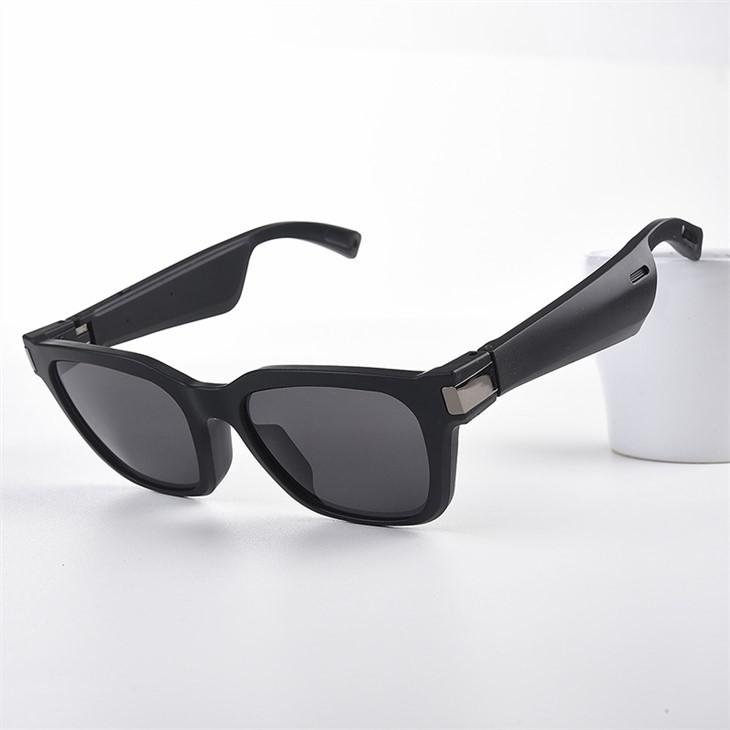
Significant negotiating leverage exists at this scale. Manufacturers may offer payment terms extending to 60 or 90 days, especially for repeat orders. Letters of credit become cost-effective and provide security for both parties. Consider exploring Smart Fashion Music Sunglasses for large-scale production runs where design differentiation adds value.
Currency Considerations and Exchange Rate Management
Most smart glasses manufacturing occurs in Chinese yuan (CNY), while international buyers typically operate in USD, EUR, or other currencies. Exchange rate fluctuations can significantly impact actual payment costs, making currency management an essential component of payment term planning.
Currency Risk Management Strategies:
- Forward contracts: Lock in exchange rates for future payment dates, eliminating volatility risk.
- Natural hedging: Match currency inflows and outflows when possible, reducing exposure.
- Payment timing: Coordinate payments to align with favorable exchange rate periods, particularly when using credit terms that provide payment date flexibility.
- Multi-currency accounts: Maintain balances in multiple currencies to take advantage of rate fluctuations.
Industry Trends Shaping Payment Practices
The smart glasses manufacturing sector continues evolving, with payment practices adapting to market conditions, technology advancements, and competitive dynamics. Staying informed about industry trends helps you anticipate changes and adjust strategies accordingly.
Emerging Trends in Manufacturing Payments:
- Digital trade platforms: Online marketplaces increasingly offer integrated payment services, streamlining transactions for smaller buyers.
- Supply chain financing: Third-party financiers provide reverse factoring programs, enabling manufacturers to receive early payment while buyers extend payment terms.
- Blockchain documentation: Distributed ledger technology creates immutable records of payment milestones and quality checkpoints.
- Dynamic discounting: Some suppliers offer tiered pricing based on early payment, similar to consumer retail models.
Building Long-Term Payment Relationships
Consistent payment behavior builds trust and unlocks increasingly favorable terms over time. Manufacturers track buyer payment histories, and positive records open doors to better credit availability, priority production allocation, and enhanced service levels.
Start relationships with modest orders using conservative payment terms. Demonstrate reliability through consistent on-time payments. As trust builds, propose incremental improvements to payment structures. Most manufacturers reserve their best terms for proven partners with track records spanning multiple successful transactions.
When sourcing products like Travel Music Glasses or Open Music Hands-free Call Smart Glasses, investing in relationship-building pays dividends through better pricing, flexible quantities, and access to new product developments.
Making the Right Choice for Your Business
Selecting between cash and credit payment terms requires balancing multiple factors specific to your business situation. Cash payments offer cost savings and relationship-building advantages but tie up working capital. Credit arrangements preserve cash flow flexibility but may include financing costs and require established trust.
Consider your current financial position, existing supplier relationships, order volume projections, and risk tolerance when evaluating options. Many B2B buyers use hybrid approaches, offering cash payments for initial orders to establish relationships while negotiating credit terms for ongoing supply arrangements.
The smart glasses market rewards buyers who approach payment terms strategically. Understanding the true cost of credit, the value of supplier trust, and the risks inherent in international manufacturing positions you to negotiate arrangements that support sustainable business growth.
Ready to explore smart glasses manufacturing partnerships with flexible payment options? Our team specializes in helping B2B buyers navigate OEM/ODM arrangements for smart glasses products. Contact us today to discuss your requirements and discover payment structures that align with your business objectives.
