
Posted At: Sep 21, 2026 - 37 Views

When sourcing smart glasses from manufacturers in China, quality control represents the difference between building a successful brand and facing costly product recalls. Professional Bluetooth call glasses and audio-enabled eyewear require meticulous inspection protocols that address both traditional eyewear standards and cutting-edge electronics integration.
B2B buyers who understand these inspection frameworks position themselves to negotiate confidently, specify requirements clearly, and establish partnerships that deliver consistent results. The factories that dominate the smart glasses market share common quality control philosophies rooted in systematic verification at every production stage.
Why Inspection Standards Matter for Smart Glasses Manufacturing
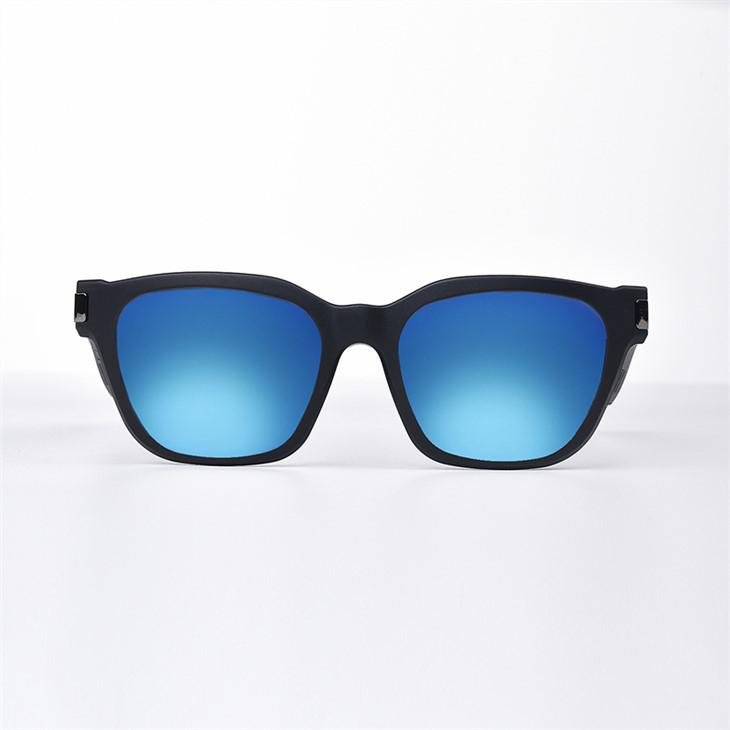
Smart glasses occupy a unique manufacturing space where optical precision meets consumer electronics complexity. A single pair of audio sunglasses contains mechanical hinges, electronic circuits, batteries, speakers, microphones, and lens systems—all functioning together in a device users trust for daily activities.
Traditional eyewear inspection focuses heavily on frame alignment, hinge tension, and lens clarity. Smart glasses demand expanded protocols that verify Bluetooth connectivity, audio quality, battery performance, touch responsiveness, and water resistance ratings. Manufacturers who apply only conventional eyewear standards inevitably miss critical electronic failure modes.
For brand owners and distributors, understanding these inspection layers helps evaluate potential manufacturing partners effectively. A factory's quality control documentation often reveals more about their capabilities than factory tours or price quotes.
Incoming Materials Inspection: The Foundation of Quality
Professional smart glasses OEMs establish strict incoming materials inspection programs before production batches commence. This initial checkpoint catches component defects early, preventing compounding errors through subsequent manufacturing stages.
Electronic Components Verification
Printed circuit boards, Bluetooth modules, speakers, microphones, and batteries undergo electrical testing upon arrival. Suppliers must provide batch certificates confirming specifications, but factories double-check critical parameters including:
- Bluetooth module transmission range and power consumption
- Speaker frequency response and maximum decibel levels
- Microphone sensitivity and signal-to-noise ratios
- Battery capacity matching rated specifications
- Charging circuit compatibility with USB-C or proprietary connectors
Frame and Component Physical Inspection
Plastic or metal frames arrive in bulk quantities requiring dimensional verification. Quality teams sample frames against technical drawings, checking hinge bore alignment, temple arm length symmetry, and bridge width tolerances. Minor frame inconsistencies compound during electronics integration, leading to fitting problems or stress on delicate components.
In-Process Quality Control During Assembly
Smart glasses assembly combines multiple specialized processes requiring checkpoints at each transition. Professional manufacturers document production flow with designated inspection stations preventing defect propagation.
Hinge and Mechanical Assembly Verification
Frame assembly establishes the mechanical foundation for all electronic integration. Technicians verify hinge spring tension using calibrated torque wrenches, ensuring temples open and close with appropriate resistance. Over-torqued hinges cause frame stress; under-torqued hinges result in loose-fitting glasses that fall off easily.
Lens insertion requires checking for proper seating without pressure points that could crack lenses during use. Polarized lenses demand precise alignment for maximum glare reduction, verified through polarized light testing.
Electronics Integration Inspection
Once technicians mount circuit boards and wire speakers, inspection shifts to electrical verification. Workers test each unit for:
- Proper solder joint formation under magnification
- Secure connections between battery terminals and PCB
- Speaker driver installation with correct polarity
- Microphone placement optimizing voice capture patterns
- Touch sensor calibration responding to finger proximity
Factories use custom jigs holding frames stationary while automated test equipment evaluates electronic performance. This fixture-based approach ensures consistent positioning across operators and production shifts.
Functional Testing Protocols for Smart Glasses
Completed smart glasses require comprehensive functional testing simulating real-world usage conditions. These protocols verify that integrated systems perform reliably over extended periods.
Connectivity and Audio Testing
Bluetooth pairing tests confirm devices discover and connect to smartphones reliably. Testers evaluate connection stability at varying distances, checking for audio dropouts or synchronization delays. Pairing reconnection speed matters for user experience—customers expect glasses to reconnect instantly after initial setup.
Audio quality testing employs reference recordings played through speakers, with technicians evaluating frequency balance, bass response, and maximum volume without distortion. For call functionality, testers record voice samples through the microphones, assessing clarity and background noise suppression effectiveness.
Durability and Environmental Testing
Professional OEMs subject samples to accelerated aging and stress testing:
| Test Type | Standard Duration | Acceptance Criteria |
|---|---|---|
| Thermal Cycling | 24 hours (-20°C to 50°C) | No condensation, electronic function normal |
| Drop Test | 1 meter onto concrete | No cracks, hinges functional, electronics operational |
| Button Lifecycle | 10,000 presses | Response consistent, no physical damage |
| Salt Spray | 48 hours 5% NaCl | No corrosion on metal components |
| UV Exposure | 200 hours artificial sunlight | Frame color change under 3 Delta E |
These accelerated tests predict field performance over years of normal use, identifying design weaknesses before mass production approval.
Final Inspection and Packaging Verification
Before shipping, every unit undergoes final inspection confirming cosmetics, functionality, and packaging accuracy. This checkpoint represents the last opportunity to catch defects before reaching end customers.
Visual and Cosmetic Examination
Inspectors examine frames under standardized lighting for surface defects including scratches, flow lines, sink marks, and gate witness marks.Lens clarity receives particular attention—scratches, bubbles, or coating inconsistencies that might pass unnoticed on regular glasses become unacceptable when customers pay premium prices for smart functionality.
Logo placement, model numbers, and regulatory markings must match specifications exactly. Branding errors create legal exposure and erode customer trust when users receive different products than advertised.
Packaging Integrity Testing
Smart glasses require protective packaging preventing damage during distribution. Inspection verifies:
- Foam or molded insert fitting frames securely
- Polybag sealing protecting against dust and moisture
- Carton structural integrity with appropriate crush resistance
- User manuals, charging cables, and accessories included
- Barcode labels matching product SKUs for inventory tracking
Certification and Compliance Documentation
International markets require documented compliance with regional regulations. Professional smart glasses OEMs maintain comprehensive certification packages supporting buyer market entry.
Required Certifications for Global Markets
Smart glasses containing lithium batteries and wireless transmitters face strict regulatory requirements worldwide. Manufacturing partners should demonstrate capability obtaining:
- CE marking for European Union market access
- FCC certification for United States radio frequency compliance
- RoHS testing confirming restricted hazardous substances limits
- IP ratings verifying water and dust resistance claims
- REACH compliance for European chemical regulations
Factories maintaining in-house testing equipment accelerate certification timelines, while partnerships with accredited laboratories ensure third-party validation meets regulatory expectations.
Quality Documentation and Traceability Systems
Advanced smart glasses OEMs implement production tracking systems enabling complete traceability from raw materials to finished goods. Each unit receives serial numbers linking to inspection records throughout manufacturing.
When buyers report field failures, manufacturers query traceability databases identifying whether defects stem from specific component batches, production shifts, or manufacturing processes. This diagnostic capability accelerates root cause analysis and enables targeted corrective actions protecting brand reputation.
Quality documentation packages typically include certificate of conformance, inspection reports, test results, and material certificates. Professional factories provide these documents automatically with shipments, while less capable manufacturers require buyer requests or lack systematic documentation entirely.
Evaluating OEM Quality Control Capabilities
B2B buyers assessing manufacturing partners should request quality control documentation demonstrating their inspection standards. Effective evaluation includes reviewing:
- Written inspection protocols for each product category
- Equipment calibration records for testing apparatus
- Defect rate trending data from recent production runs
- Customer complaint resolution metrics and timelines
- Staff training certifications for quality personnel
Factories confident in their quality systems welcome detailed questions and provide comprehensive answers promptly. Reluctance to share documentation suggests either disorganized processes or quality systems hiding deficiencies.
Building Quality Partnerships for Long-Term Success
Selecting an OEM partner based solely on quoted prices ignores the total cost of quality failures. Product returns, customer complaints, brand damage, and re-shipment expenses frequently exceed initial manufacturing savings.
Buyers who invest time understanding prospective partners' quality control frameworks establish relationships delivering consistent products supporting brand growth. Communication channels for quality feedback, clear specification documentation, and mutual commitment to continuous improvement distinguish exceptional manufacturing partnerships from transactional supplier relationships.
Start your quality-focused manufacturing evaluation by exploring our comprehensive product range featuring professional Bluetooth office glasses and premium stereo music sunglasses engineered to meet rigorous international standards.
Connect with our engineering team to discuss your quality requirements, certification needs, and production specifications. We provide detailed inspection documentation, sample testing results, and factory tour arrangements for qualified B2B partners committed to quality-driven smart glasses procurement.
