
Posted At: Aug 10, 2026 - 1,310 Views

Planning a smart glasses product launch requires more than just creative design concepts and marketing strategies. For B2B buyers, distributors, and brands sourcing from Chinese manufacturers, understanding the manufacturing lead time cycle can make or break your go-to-market strategy. Whether you are launching a new product line or expanding existing offerings, the timeline from initial inquiry to finished goods delivery involves multiple stages, each with its own duration and dependencies.
Working with an experienced smart glasses manufacturer means gaining visibility into every phase of production. This transparency allows you to set realistic expectations for your stakeholders, align your marketing campaigns with actual inventory availability, and build stronger relationships with your supply chain partners. Let's walk through exactly what you can expect when manufacturing smart glasses in China.
Understanding the Smart Glasses Manufacturing Process
Smart glasses represent a unique intersection of fashion accessories and consumer electronics. Unlike traditional eyewear or simple electronic devices, smart glasses require specialized expertise in multiple domains: precision optics, wireless connectivity, battery integration, audio engineering, and of course, stylish frame design. This complexity directly influences production timelines.
When you approach a manufacturer, the process typically begins with understanding your specific requirements. Are you looking for standard Bluetooth smart glasses with basic functionality, or do you need a fully customized OEM/ODM solution with advanced features like AR display integration, biometric sensors, or proprietary software?
The answers to these questions significantly impact your lead time. A manufacturer producing proven reference designs with minimal customization will naturally move faster than one engineering a completely new product from scratch. Understanding this distinction early helps you choose the right manufacturing partner and sets appropriate timelines from day one.
Factors That Influence Manufacturing Lead Time
Several key variables determine how long your smart glasses production will take. Experienced buyers factor these into their planning from the start.
Product Complexity and Customization Level
The most significant factor is how much customization your product requires. Standard products based on existing molds and designs can enter production quickly. However, if you need custom tooling for unique frame shapes, specialized lens integrations, or proprietary electronic configurations, expect additional time for:
- Custom tooling fabrication (typically 15-30 days for plastic components)
- Metal injection molding or CNC machining for premium materials
- Custom PCB design and certification testing
- Lens tooling for prescription or specialized optical solutions
Component Availability and Sourcing
Smart glasses contain numerous electronic components that may face supply chain constraints. Key components like Bluetooth modules, micro speakers, rechargeable batteries, and optical sensors have varying lead times depending on global availability. Manufacturers with established supplier relationships can often secure components faster, while new procurement may require additional lead time.
For products requiring specialized parts, some manufacturers maintain component inventory for common specifications. This practice can significantly reduce wait times compared to sourcing unfamiliar components from scratch.
Quality Certification Requirements
If your products require certifications for specific markets, build this into your timeline. Common certifications include:
- CE marking for European markets
- FCC certification for US market entry
- RoHS compliance for environmental standards
- BQE or other region-specific requirements
Certification processes typically require 4-8 weeks depending on test laboratory availability and whether any redesigns become necessary after initial testing. Planning for certification early prevents last-minute delays that could derail your launch schedule.
Typical Timeline Breakdown by Production Phase
While every project carries unique elements, understanding typical durations for each phase helps you build accurate project timelines.
Design Consultation and Technical Validation (1-2 Weeks)
The initial phase involves detailed discussions about your product requirements. Manufacturers review your specifications, assess technical feasibility, and provide feedback on potential challenges or alternatives. This phase establishes clear communication protocols, quality standards, and mutual expectations.
Reputable manufacturers will often request samples of competitor products or reference designs to better understand your target market. They may provide CAD drawings, 3D renderings, or material specifications during this period to ensure alignment before committing resources.
Prototype Development (2-4 Weeks)
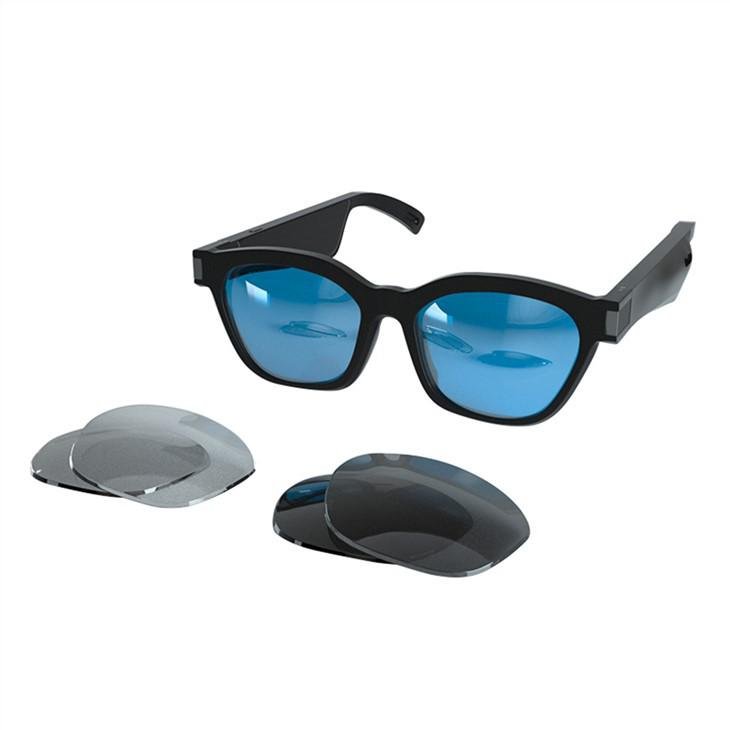
Once designs are finalized, prototype production begins. For smart glasses, this typically involves creating initial samples using rapid prototyping methods or existing component libraries. The goal is validating form factor, fit, and basic functionality before investing in production tooling.
Prototypes allow you to test comfort, weight distribution, and aesthetic appeal with actual physical samples rather than digital representations. This phase often reveals adjustments needed before mass production begins, which is far preferable to discovering issues after expensive tooling is created.
Sample Production and Refinement (2-4 Weeks)
After prototype approval, manufacturers create pre-production samples using actual production methods and materials. These samples represent what the final product will look like and perform like. This phase allows for final refinements and gives you confidence before committing to mass production.
During sample production, expect to evaluate:
- Actual finished appearance including color matching and surface finishes
- Functional testing of all electronic features
- Battery life and charging performance
- Audio quality from integrated speakers
- Bluetooth connectivity range and stability
- Comfort during extended wear
Production Tooling (If Required) (2-6 Weeks)
For products requiring custom tooling, this phase overlaps with sample refinement. Tooling lead time varies significantly based on component complexity. Simple plastic parts might require only 2-3 weeks, while complex multi-cavity tools for precision components could take 6 weeks or longer.
Some manufacturers offer tooling amortization options where costs are spread across unit pricing, making custom tooling more economical for moderate production volumes. Discuss these options during initial pricing negotiations.
Mass Production (2-6 Weeks)
With approved samples and ready tooling, mass production begins. The duration depends primarily on your order quantity and the manufacturer's production capacity. Standard production runs typically complete within 2-4 weeks for quantities under 5,000 units.
Production phases include:
- Component procurement and incoming inspection
- PCB assembly and testing
- Frame production (injection molding, assembly)
- Lens integration (if applicable)
- Final assembly including electronic components
- Quality testing and inspection
- Packaging and labeling
Manufacturers with dedicated production lines for smart glasses often achieve faster throughput than those treating them as occasional projects. Ask about production capacity and current scheduling when evaluating partners.
Quality Assurance and Testing (1-2 Weeks)
Quality assurance occurs throughout production, but final testing and inspection typically requires dedicated time. This includes functional testing of every unit, appearance inspection for cosmetic defects, and sampling according to AQL standards.
For certified products, representative samples undergo official testing during this phase. Any failures require root cause analysis and corrective action, potentially extending timelines. Building buffer time for quality issues protects your overall schedule from unexpected setbacks.
Shipping and Logistics (1-4 Weeks)
Finally, completed goods need transport to your destination. Shipping options range from economical sea freight (3-4 weeks to major ports) to faster air freight (1-2 weeks). Express courier services offer fastest delivery but at premium costs.
Work with your manufacturer to ensure proper documentation for customs clearance. Well-prepared paperwork prevents port delays that could add weeks to your delivery timeline. Some manufacturers offer freight forwarding services that simplify this process considerably.
Comparing Smart Glasses Product Categories
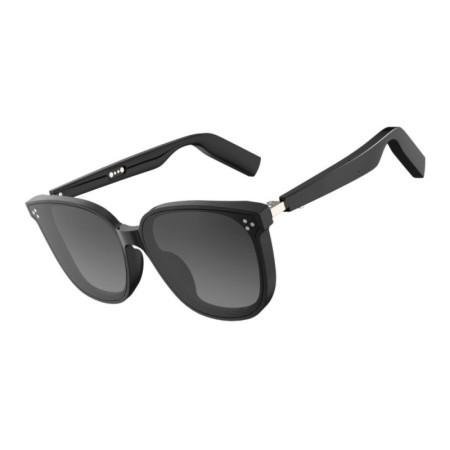
Different smart glasses categories carry different manufacturing complexities and therefore different lead times. Here's how common categories compare:
| Product Type | Typical Lead Time | Complexity Level | Best For |
|---|---|---|---|
| Basic Bluetooth Audio Glasses | 4-8 weeks | Low-Medium | Quick market entry, proven designs |
| Music Sunglasses with Speakers | 5-10 weeks | Medium | Active lifestyle consumers |
| Bluetooth Calling Glasses | 6-12 weeks | Medium-High | Professional and business users |
| Custom OEM/ODM Solutions | 10-20 weeks | High | Brands seeking unique positioning |
Strategies for Managing Lead Time Effectively
Experienced buyers employ several strategies to manage manufacturing timelines and minimize delays.
Start Communication Early
The earlier you engage manufacturers in your planning process, the better. Early engagement allows for feasibility assessment before you commit to designs that may be difficult or expensive to manufacture. Manufacturers can suggest alternatives that achieve your goals more efficiently.
Maintain Flexibility in Specifications
Rigid specifications sometimes extend timelines unnecessarily. Being open to alternative components, slightly modified designs, or different materials can significantly reduce lead time. Balance your must-have requirements with nice-to-have features that could be deferred to future product iterations.
Build Buffer Time Into Your Planning
Always add contingency time for unexpected delays. A reasonable guideline is adding 20-25% buffer to your calculated timeline. This accounts for component shortages, quality issues requiring rework, certification complications, or shipping delays that occasionally occur.
Maintain Active Project Communication
Regular check-ins with your manufacturer throughout production help identify potential issues before they become delays. Weekly status updates, photos of production progress, and prompt responses to questions keep projects on track. Establishing clear escalation procedures for addressing problems quickly proves invaluable.
Why Manufacturing Lead Time Varies Between Suppliers
Not all manufacturers offer the same lead times even for similar products. Several factors explain this variation:
Production Capacity: Manufacturers with dedicated smart glasses production lines and equipment can move faster than those sharing resources with other product categories. Ask about production volume commitments and current capacity utilization.
Component Partnerships: Established manufacturers maintain relationships with component suppliers, often securing better lead times and pricing. Newer manufacturers may face longer procurement times as they establish their supply chains.
Quality Systems: Manufacturers with robust quality management systems may appear slower initially but typically deliver more consistent results with fewer reworks. The time invested in quality prevention pays dividends throughout production.
Engineering Capabilities: Manufacturers with in-house engineering teams can resolve technical issues faster than those relying on external engineering support. This capability becomes particularly valuable during prototyping and troubleshooting phases.
Planning Your Smart Glasses Launch
When planning a product launch, work backward from your target availability date. Subtract shipping time, final inspection duration, production time, sample approval time, and prototype time. This calculation reveals when you need to initiate contact with manufacturers.
For brands planning major retail launches or trade show debuts, building additional lead time into your planning becomes essential. Major events create production bottlenecks as manufacturers juggle multiple client deadlines. Securing your production slot months in advance ensures you won't be squeezed out of capacity during peak periods.
Seasonal considerations also matter. Production facilities often face capacity constraints during certain periods, particularly before major Chinese holidays or during peak shipping seasons. Understanding these patterns helps you avoid scheduling conflicts that could delay your launch.
Partnering with the Right Manufacturer
Your manufacturing partner significantly influences your actual lead time experience. Beyond production capabilities, consider their communication practices, transparency, and willingness to accommodate your specific needs. Partners who view your success as their success become valuable long-term assets in your product development journey.
At Smart Glasses Factory, we specialize in bringing smart glasses concepts to market efficiently. Our integrated production capabilities, established component partnerships, and experienced engineering teams enable us to deliver consistent timelines without sacrificing quality. We work closely with B2B clients to understand their market requirements and translate them into manufacturable products that launch on schedule.
Whether you are entering the smart glasses market with proven reference designs or developing a completely new product category, understanding lead time expectations helps you plan effectively. We invite you to discuss your project requirements with our team and discover how our manufacturing expertise can accelerate your time to market.
Ready to start your smart glasses project? Explore our product capabilities or contact our team to discuss your specific manufacturing requirements. Let us help you bring your vision to market efficiently and successfully.
