
Posted At: May 15, 2026 - 2,588 Views

The smart glasses market continues to expand rapidly, with businesses across North America seeking reliable supply chains for this innovative technology. If you're a distributor, brand owner, or procurement professional looking to import smart glasses from China, understanding the regulatory landscape in the United States is essential for smooth customs clearance and market success.
Importing smart glasses into the USA involves navigating multiple federal agencies, documentation requirements, and compliance standards. This guide breaks down everything you need to know about bringing smart eyewear products to the American market.
Understanding Smart Glasses Classification
Before diving into specific regulations, it's crucial to understand how smart glasses are classified for import purposes. Smart glasses typically fall under Harmonized Tariff Schedule (HTS) codes related to electronic eyewear, which may include classifications in the 9004 or 8517 categories depending on their primary function.
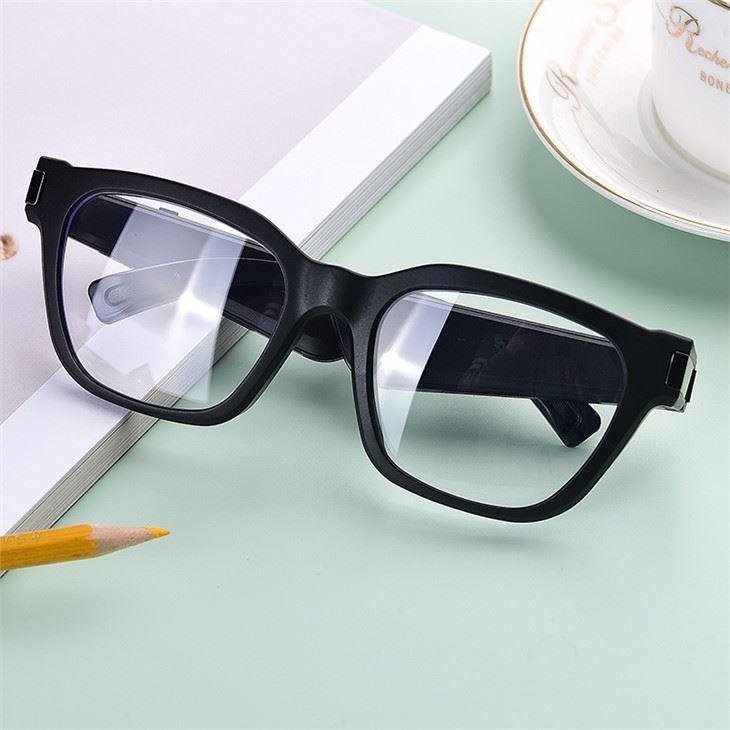
For products with significant audio capabilities, such as audio gaming glasses or Bluetooth-enabled eyewear, customs authorities may evaluate both the optical and electronic components to determine the appropriate classification. Working with an experienced customs broker can help ensure your products are classified correctly, potentially saving your business significant duties and avoiding costly reclassification issues.
FDA Regulations for Smart Eyewear
The Food and Drug Administration (FDA) plays a critical role in regulating smart glasses that incorporate certain electronic features. Understanding when FDA oversight applies is vital for compliant importation.
When FDA Regulation Applies
The FDA regulates smart glasses when they are marketed for medical purposes or incorporate features that could be considered medical devices. This includes products with:
- Health monitoring sensors (heart rate, blood oxygen)
- Prescription lens integration with electronic displays
- Therapeutic or diagnostic capabilities
- Radiation-emitting components for medical imaging
If your smart glasses are intended purely for consumer entertainment, communication, or general optical use without medical claims, FDA registration may not be required. However, even non-medical smart glasses should comply with FDA safety standards for non-prescription eyewear regarding lens quality and impact resistance.
FDA Registration Process
For smart glasses that do fall under FDA jurisdiction, manufacturers must:
- Register their facility with the FDA
- List their products with the agency
- Comply with Quality System Regulation (QSR) requirements
- Maintain proper records and adverse event reporting systems
Your Chinese manufacturing partner should be able to provide documentation supporting FDA compliance, including test reports and certification of their quality management systems.
FCC Requirements for Wireless Smart Glasses
The Federal Communications Commission (FCC) oversight is perhaps the most critical regulatory consideration for most smart glasses imported into the USA. Any product capable of emitting radio frequency (RF) energy must comply with FCC regulations.
FCC Certification Categories
Smart glasses containing Bluetooth modules, Wi-Fi chips, or other wireless transmitters fall into specific FCC certification categories:
Verification: Most Bluetooth-enabled smart glasses qualify for FCC Verification, where the manufacturer self-certifies compliance based on testing at accredited laboratories. This is the most common pathway for consumer smart eyewear.
Declaration of Conformity (DoC): Products that cannot be verified may require DoC, involving testing by an FCC-recognized testing laboratory and certification by the responsible party.
FCC Certification: Certain higher-power or more complex wireless devices may require formal FCC Certification through the TCB (Telecommunications Certification Body) process.
Technical Requirements
All FCC-regulated devices must meet specific emission limits and testing requirements. For smart glasses, this typically includes:
- Testing for RF radiation exposure compliance
- Verification of unintended emission limits
- Confirmation of antenna performance specifications
- Documentation of testing procedures and results
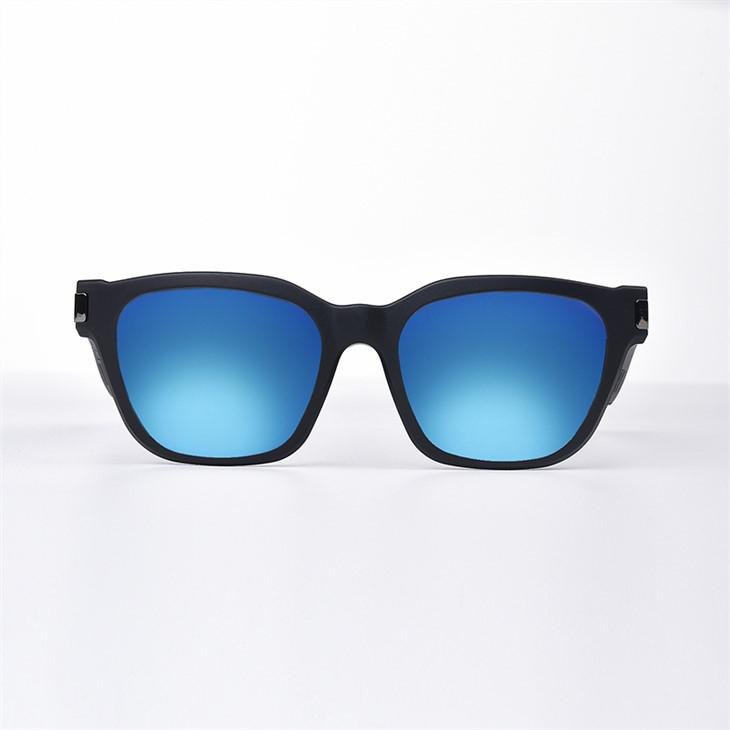
When evaluating wireless Bluetooth sunglasses or similar products, ensure your Chinese manufacturer provides FCC test reports and includes proper FCC labeling on the product and packaging.
Customs and Tariff Considerations
Importing smart glasses into the USA requires careful attention to customs procedures, tariff rates, and duty optimization strategies.
Import Duties and HTS Codes
Smart glasses typically enter the USA under various HTS codes depending on their features and primary function. General categories include:
| Product Type | Approximate HTS Range | General Duty Rate |
|---|---|---|
| Non-electronic sunglasses | 9004.10 - 9004.90 | 2-7.5% |
| Electronic eyeglasses (audio) | 8517.62 or 9004.90 | 0-3.9% |
| Bluetooth-enabled eyewear | 8517.62 | 0% (many China products) |
| AR display glasses | 8528.59 or 9004.90 | Varies |
Note that duty rates can change based on trade agreements, Section 301 tariffs, and product-specific determinations. Working with a licensed customs broker who understands electronics classification is essential for accurate duty calculation.
Section 301 Tariffs and Trade Implications
Many smart glasses imported from China may be subject to Section 301 tariffs imposed by the U.S. Trade Representative. These additional duties have significantly impacted the cost structure for importing electronics from Chinese manufacturers.
Current considerations include:
- Tariff rates ranging from 7.5% to 25% depending on product category
- Potential exclusion processes for certain products
- Country of origin marking requirements
- First Sale Rule opportunities for duty reduction
Understanding the tariff landscape helps you accurately price your products and explore legitimate duty reduction strategies when working with Android fashion Bluetooth smart glasses manufacturers.
Documentation Requirements
Proper documentation is the backbone of successful smart glasses importation. Missing or incorrect paperwork can result in customs delays, penalties, or shipment holds.
Essential Import Documents
Your import shipment should include:
- Commercial Invoice: Detailed invoice showing transaction value, terms of sale, and product descriptions
- Packing List: Comprehensive inventory of shipment contents with weights and dimensions
- Bill of Lading/Airway Bill: Transportation document proving shipment ownership and routing
- FCC Declaration: Statement confirming FCC compliance with test report references
- Certificate of Origin: Document establishing country of manufacture for duty calculation
- Product Test Reports: Third-party laboratory results for FCC, safety, and performance testing
FDA Documentation
If your smart glasses require FDA clearance or registration, prepare to provide:
- FDA establishment registration numbers
- 510(k) premarket notification or PMA approval (if applicable)
- Quality System documentation
- Labeling review documentation
Product Safety and Compliance Standards
Beyond FCC and FDA requirements, smart glasses must meet general product safety standards for sale in the United States.
CPSC Requirements
The Consumer Product Safety Commission (CPSC) oversees general consumer product safety. While smart glasses aren't specifically regulated, they must comply with:
- Lead content limits under the Consumer Product Safety Improvement Act
- Phthalate restrictions for plastic components
- General safety requirements for foreseeable use and misuse
- Tracking label requirements for children's products
California Prop 65
If selling in California, be aware of Proposition 65 requirements regarding chemical exposure warnings. Products containing certain chemicals must carry clear warnings or be reformulated to avoid this requirement.
UL/ETL Certification
While not always mandatory, product safety certifications from Underwriters Laboratories (UL) or Intertek (ETL) can enhance marketability and demonstrate commitment to safety. Many retail buyers specifically request UL/ETL marks for electronic products.
Working with Chinese Manufacturers
Sourcing smart glasses from China offers significant advantages in cost, manufacturing capacity, and technological expertise. However, successful partnerships require proper vetting and quality assurance.
Verifying Manufacturer Capabilities
Before committing to a manufacturer, evaluate:
- Experience producing FCC-compliant wireless products
- Quality control processes and certifications (ISO 9001, etc.)
- Testing capabilities and laboratory access
- References from other U.S. importers
- Communication capabilities and English language proficiency
Pre-Shipment Inspection
Arrange for third-party inspection of your smart glasses before shipment leaves China. This verification should confirm:
- Product matches specifications and samples
- FCC labels are correctly applied
- Packaging meets import requirements
- Documentation package is complete
- Random sampling for functional testing
Sample Ordering Process
Order samples from potential manufacturers to personally verify quality before placing bulk orders. This investment helps avoid costly mistakes when importing full containers. Many polarized Bluetooth sunglasses suppliers offer sample programs specifically designed for international B2B buyers.
Retail and Distribution Compliance
Getting your smart glasses through customs is only part of the equation. Ongoing compliance is essential for sustained market success.
Labeling Requirements
Product labels must include:
- FCC ID number (for wireless products)
- Manufacturer name and address
- Model number and manufacturing date
- Proper English warnings and instructions
- Country of origin marking
Amazon and Major Retailer Standards
If you plan to sell through major retailers or online marketplaces, additional requirements may apply. Amazon, for example, requires sellers to demonstrate FCC compliance and may request test reports during onboarding. Major retail chains often have their own vendor compliance programs including insurance requirements andEDI capabilities.
Building Your Smart Glasses Import Strategy
Success in importing smart glasses to the USA requires a comprehensive approach combining regulatory knowledge, supply chain expertise, and quality assurance. By understanding the requirements outlined in this guide, you can confidently navigate the complexities of bringing innovative eyewear products to the American market.
The key is partnering with manufacturers who understand U.S. compliance requirements and can provide the documentation and quality control needed for successful importation. Whether you're starting with smart glasses for call and music functionality or exploring more advanced AR-enabled products, proper regulatory preparation will smooth your path to market success.
Get Started with Your Smart Glasses Import
Ready to source smart glasses for your business? Our team at Smart Glasses Factory specializes in OEM and ODM manufacturing for global brands and distributors. We understand U.S. import requirements and provide comprehensive compliance documentation to streamline your customs process.
Contact our export team today to discuss your product requirements, request samples, or learn more about our manufacturing capabilities. We support businesses throughout the import journey with quality products, technical documentation, and reliable delivery schedules.
