Posted At: Apr 10, 2026 - 2,809 Views

The global smart glasses market continues its explosive growth trajectory, with industry analysts projecting significant expansion through the coming decade. For B2B buyers, distributors, and brands seeking to capitalize on this momentum, understanding how to import smart glasses from China has become an essential strategic competency. China remains the undisputed manufacturing powerhouse for consumer electronics, and smart eyewear is no exception. This guide provides a detailed, actionable roadmap for navigating the procurement process from initial supplier identification through final delivery.
Why Source Smart Glasses from China
China's manufacturing ecosystem offers unparalleled advantages for smart glasses procurement. The Pearl River Delta region, particularly Shenzhen, hosts a dense concentration of electronics manufacturers with decades of experience in miniaturized computing, wireless audio, and optical technologies. These facilities possess specialized tooling, skilled workforce pools, and established supply chains that would take years and enormous capital to replicate elsewhere.
B2B buyers benefit from cost structures that simply cannot be matched in Western manufacturing environments. Labor costs, component sourcing, and production scalability combine to create compelling unit economics. Beyond cost considerations, Chinese manufacturers have invested heavily in research and development, building proprietary capabilities in areas like bone conduction audio, UV-reactive lenses, and integrated Bluetooth connectivity.
Step 1: Define Your Product Requirements
Before engaging any manufacturer, you must establish crystal-clear specifications for your smart glasses. This foundational work determines everything that follows. Consider the following dimensions as you develop your product roadmap:
- Primary Function: Audio playback, hands-free calling, AR overlay, fitness tracking, or hybrid functionality
- Target Market: Consumer retail, enterprise deployments, professional sports, or specialized industries
- Technical Specifications: Battery life requirements, connectivity standards, water resistance ratings, weight constraints
- Design Language: Frame materials, lens options, colorways, and brandable surfaces
- Compliance Requirements: Regional certifications, safety standards, and regulatory considerations
- Volume Projections: Initial order quantities and anticipated growth trajectories
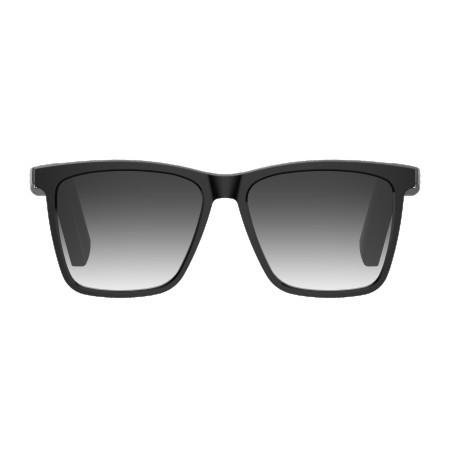
Companies entering the market often benefit from starting with proven reference designs before investing in custom tooling. The Smart Audio Glasses Wireless Bluetooth platform represents an excellent foundation, offering mature Bluetooth connectivity and audio delivery systems that have undergone extensive real-world testing.
Step 2: Identify and Vet Potential Manufacturers
Supplier selection carries enormous weight in determining your ultimate success. A manufacturer that excels at communication and transparency during the sales process typically maintains those qualities throughout production. Conversely, red flags during initial interactions often predict future problems.
Evaluating Manufacturing Capabilities
Request comprehensive capability documentation from prospective partners. Look for evidence of SMT production lines for PCB assembly, injection molding facilities for frame production, cleanroom environments for optical assembly, and testing equipment for quality verification. Manufacturers should demonstrate experience with your specific product category, not merely general electronics assembly.
Request samples before committing to significant orders. Evaluate build quality, functional performance, and finish details. Test products under stress conditions that simulate real-world use. The sample evaluation phase often reveals issues that would otherwise emerge only after shipping thousands of units.
Assessing Business Reliability
Verify business licenses, export permits, and certifications. Request financial references or conduct due diligence through third-party verification services. Established manufacturers typically maintain ISO 9001 quality management certifications and demonstrate systematic approaches to production documentation and traceability.
Step 3: Navigate OEM and ODM Manufacturing Options
Understanding the distinction between OEM and ODM arrangements fundamentally shapes your manufacturing strategy. Each model offers distinct advantages depending on your brand positioning, design capabilities, and time-to-market requirements.
Original Design Manufacturing (ODM)
ODM arrangements leverage a manufacturer's existing product platforms and intellectual property. You select from catalog designs, customize branding and minor features, and proceed directly to production. This path minimizes development timelines and upfront investments while accepting limitations on customization.
The Multifunctional Smart Glasses collection exemplifies the ODM approach, offering comprehensive feature sets on proven platforms that require only brand identity application to reach market readiness.
Original Equipment Manufacturing (OEM)
OEM arrangements involve full custom development based on your specifications. You control industrial design, component selection, firmware development, and production processes. This path offers maximum differentiation and brand control but requires substantial engineering expertise, project management resources, and capital investment.
OEM engagements typically follow a structured development timeline:
| Phase | Duration | Key Deliverables |
|---|---|---|
| Concept Development | 4-6 weeks | Technical specifications, design sketches, feasibility assessment |
| Prototyping | 6-8 weeks | Functional prototypes, design validation, component qualification |
| Pre-Production | 4-6 weeks | Pilot production run, process optimization, documentation |
| Mass Production | 8-12 weeks | Full-scale manufacturing, quality validation, packaging development |
Step 4: Negotiate Terms and Establish Contracts
Commercial terms require careful negotiation and explicit documentation. Verbal agreements and informal understandings create significant risk in international manufacturing relationships. Your contract should comprehensively address production volumes, pricing structures, payment schedules, intellectual property ownership, quality standards, delivery timelines, and dispute resolution mechanisms.
Payment Terms
Standard arrangements involve a deposit (typically 30-50% of total order value) upon order confirmation, with the balance due prior to shipment. Consider structuring payments against production milestones to maintain leverage throughout manufacturing. Letter of credit arrangements offer additional security for significant orders, though they increase transaction complexity and costs.
Intellectual Property Protection
Specify ownership of tooling, molds, and manufacturing documentation. Require contractual provisions prohibiting unauthorized use of your designs for other customers. Consider filing Chinese trademarks and patents before engaging manufacturers, as these provide legal mechanisms for enforcement within the jurisdiction.
Step 5: Implement Quality Control Systems
Quality cannot be inspected into finished products; it must be built into every production stage. However, systematic inspection protocols catch defects before products reach your customers and incentivize manufacturers to maintain consistent standards.
Inspection Protocols
Establish detailed inspection criteria covering aesthetic standards, functional performance, packaging requirements, and compliance verification. Consider three-stage inspection: incoming component verification, in-process monitoring during assembly, and final random sampling before shipment.
Many B2B buyers engage third-party inspection services operating within China. These firms deploy trained auditors who verify compliance against your specifications and provide objective reporting. This investment typically costs 0.5-1% of order value but substantially reduces the risk of receiving defective merchandise.
Defect Tolerance Standards
Define acceptable quality levels (AQL) for different defect categories. Critical defects affecting safety or core functionality warrant zero tolerance. Minor cosmetic variations might permit sampling-based verification. Clear standards prevent disputes and establish shared expectations.
Step 6: Manage Logistics and Import Customs
Production completion initiates the logistics phase, which requires coordinated execution across multiple parties and jurisdictions. Effective logistics management significantly impacts total cost and delivery reliability.
Shipping Options
Air freight offers speed but commands premium pricing. Sea freight provides economical transportation for volume shipments, though transit times extend to several weeks. Evaluate the trade-off between carrying costs for inventory versus expedited shipping expenses based on your sales velocity and market demands.
Customs and Import Documentation
Import procedures vary by destination country. Prepare documentation including commercial invoices, packing lists, bills of lading, certificates of origin, and product compliance certifications. Engage customs brokers experienced with electronics imports to navigate tariff classifications, duty rates, and regulatory requirements efficiently.
Step 7: Establish Ongoing Partnership Management
Initial order success establishes the foundation for sustained partnership value. Maintain regular communication with manufacturing partners, share market feedback, and collaborate on continuous improvement initiatives. Long-term relationships unlock preferential pricing, priority production allocation, and collaborative development opportunities.
Visit facilities periodically to reinforce relationships and observe operations firsthand. Face-to-face interaction builds mutual understanding that communication technology cannot fully replicate. Manufacturers hosting regular customer visits typically demonstrate higher operational standards and commitment to partnership success.
Ready to Begin Your Smart Glasses Import Journey
The path from concept to delivered product involves numerous decisions, each influencing outcomes and requiring specialized knowledge. Building internal capabilities to manage this process effectively creates sustainable competitive advantage, though engaging experienced partners accelerates market entry and reduces execution risk.
Whether you seek ready-made products for immediate distribution or require custom development tailored to unique market requirements, establishing relationships with capable manufacturing partners opens significant growth opportunities. The Chinese smart glasses manufacturing ecosystem offers unmatched combination of capability, capacity, and cost efficiency for brands prepared to navigate the procurement process intelligently.
Connect with our team to discuss your specific requirements and discover how we can support your smart glasses import objectives. We provide comprehensive manufacturing services for B2B buyers, from initial consultation through production and logistics, serving as your dedicated partner throughout the entire supply chain journey.