
Posted At: Jul 28, 2026 - 1,427 Views

The landscape of surgical practice is undergoing a profound transformation. What once required surgeons to physically stand beside patients during complex procedures can now be accomplished through innovative wearable technology that bridges geographical boundaries. Smart glasses for surgeons represent a breakthrough in medical device innovation, combining advanced optics, real-time data streaming, and seamless connectivity to revolutionize how medical professionals collaborate, learn, and deliver care.
For distributors, brands, and B2B buyers exploring opportunities in the medical technology sector, smart glasses present a compelling market opportunity with applications ranging from intraoperative guidance to remote telemedicine consultations. Understanding the specific requirements and capabilities of these devices is essential for making informed decisions about OEM partnerships and product development.
Understanding Smart Glasses in Surgical Environments
Medical-grade smart glasses differ significantly from consumer audio sunglasses or basic augmented reality devices. When selecting or manufacturing smart glasses for surgical applications, several critical factors come into play that determine their effectiveness in high-stakes medical environments.
Sterility remains paramount in operating rooms. Smart glasses designed for surgeons must integrate seamlessly with surgical protocols, allowing hands-free access to patient data, imaging studies, and remote consultation capabilities without compromising the sterile field. This requirement drives specific design considerations that distinguish medical smart glasses from their consumer counterparts.
The devices must deliver crystal-clear visual information through prescription-compatible optics, offer noise-canceling audio for clear communication in noisy operating environments, and provide sufficient battery life to sustain through lengthy procedures. Additionally, medical-grade smart glasses require compliance with healthcare data protection regulations and seamless integration with existing hospital information systems.
Telemedicine Applications Transforming Surgical Practice
The convergence of smart glass technology and telemedicine has opened new frontiers in surgical care delivery. These applications extend beyond simple video calling to encompass sophisticated use cases that directly impact patient outcomes and surgical efficiency.
Remote Expert Consultation
Perhaps the most impactful application involves real-time remote consultation. When a surgeon encounters an unexpected anatomical variation or complex pathology during a procedure, immediate access to specialist expertise can be life-saving. Smart glasses enable the operating surgeon to share their precise viewpoint with remote experts, who can then provide guidance, annotate visual information, or suggest alternative approaches—all without leaving their own location.
This capability proves particularly valuable in rural hospitals, military medical facilities, and developing regions where specialist availability is limited. A general surgeon performing a complicated procedure can connect with a world-renowned specialist, receiving real-time visual guidance that enhances decision-making without the delays associated with patient transfers or scheduling conflicts.
Intraoperative Imaging Overlay
Advanced smart glasses systems can display medical imaging directly within the surgeon's field of view. CT scans, MRI images, and preoperative planning data can be superimposed onto the operative field, creating an augmented reality experience that enhances spatial understanding and surgical precision.
For complex procedures such as neurosurgery, orthopedic interventions, and oncological resections, this capability allows surgeons to visualize critical structures beneath the surface, plan their approach more accurately, and navigate around sensitive anatomy with greater confidence.
Documentation and Training
Smart glasses automatically capture first-person video footage of surgical procedures, creating invaluable educational resources for training purposes and quality documentation for medical records. Surgical trainees can observe procedures from the attending surgeon's perspective, gaining insights that were previously impossible to replicate without physical presence at the operating table.
This documentation capability also supports medical research, allowing detailed review of surgical techniques, complication management, and outcomes analysis. Remote proctoring arrangements become feasible, where experienced surgeons observe and guide trainees through procedures while documenting their involvement for credentialing purposes.
Key Features for Medical-Grade Smart Glasses
When evaluating smart glasses for surgical applications, certain features become non-negotiable requirements. Manufacturers and OEM partners must prioritize these specifications to ensure products meet the rigorous demands of medical environments.
| Feature | Requirement | Importance |
|---|---|---|
| Display Resolution | HD minimum, 1080p preferred | Critical for imaging detail |
| Field of View | 40+ degrees diagonal | Comfortable extended use |
| Battery Life | 6+ hours continuous | Lengthy procedures |
| Audio Quality | Noise-canceling, medical-grade | Clear communication |
| Connectivity | WiFi 6, 5G, Bluetooth 5.0 | Stable telemedicine links |
| Hygiene Design | Antimicrobial, wipeable surfaces | Infection control |
| Prescription Compatibility | Optional inserts or frames | Surgeon convenience |
The Smart Technology Too Glasses represent an example of how audio and visual integration can serve professional applications. While designed for broader markets, the underlying technology platform demonstrates capabilities applicable to medical implementations, including hands-free communication and extended wear comfort.
Real-Time Collaboration Capabilities
Modern smart glasses systems extend beyond simple video transmission to enable sophisticated collaborative workflows. Multiple stakeholders can simultaneously view the surgical field, communicate directly with the operating surgeon, and share relevant information in real-time.
Picture-in-picture functionality allows surgeons to view remote consultants while maintaining awareness of the operative field. Screen annotation tools enable experts to draw directly on the shared video feed, highlighting structures of interest or suggesting incision lines. These collaborative features transform telemedicine from a passive observation exercise into active, engaged consultation that directly impacts surgical decision-making.
The Smart Glasses HD Stereo showcase how high-definition audio and video integration creates immersive communication experiences—technology that forms the foundation for sophisticated surgical telemedicine platforms.
Integration with Hospital Systems
Successful deployment of smart glasses in surgical environments requires seamless integration with existing hospital infrastructure. This includes connection to picture archiving and communication systems for medical imaging access, electronic health records for patient information display, and institutional telemedicine platforms for secure communication with remote specialists.
OEM manufacturers must consider API compatibility, encryption requirements, and interoperability standards when developing medical smart glass products. Hospital IT departments require assurance that new devices integrate safely with existing systems without creating security vulnerabilities or workflow disruptions.
Manufacturing Considerations for OEM Partners
B2B buyers exploring smart glasses manufacturing partnerships must evaluate several factors specific to medical device production. The transition from consumer electronics to medical-grade manufacturing involves regulatory, quality, and design considerations that impact product viability and market success.
Quality management systems form the foundation of medical device manufacturing. ISO 13485 certification demonstrates a manufacturer's commitment to consistent quality and regulatory compliance. Production facilities must implement robust documentation practices, component traceability systems, and rigorous testing protocols that meet healthcare industry standards.
Regulatory pathway planning should begin early in product development. Smart glasses intended for surgical applications may require FDA clearance or CE marking depending on target markets. Understanding these requirements influences design decisions, material selections, and manufacturing processes from the earliest stages of development.
Supply chain considerations for medical-grade components differ significantly from consumer electronics. Display modules, batteries, and audio components must meet stricter quality specifications and demonstrate consistent performance over extended operational lifetimes. Establishing relationships with certified medical component suppliers ensures sustainable production quality.
Market Opportunity and Growth Drivers
The market for smart glasses in healthcare continues expanding driven by several converging factors. Telemedicine adoption accelerated dramatically, creating infrastructure and familiarity that supports smart glass deployment. Surgical skill shortages in rural and underserved areas create demand for remote consultation solutions. Medical education reform emphasizes simulation and remote learning opportunities that smart glasses uniquely provide.
Healthcare systems worldwide face pressure to improve outcomes while managing costs. Smart glasses offer a mechanism to extend specialist expertise across geographical boundaries, reduce unnecessary patient transfers, and accelerate surgical training. These economic and operational benefits drive institutional adoption despite initial capital investment requirements.
Future Directions in Surgical Smart Glasses
Emerging technologies promise to enhance smart glass capabilities further. Artificial intelligence integration will enable real-time image analysis, providing automated alerts for critical structures or potential complications. Haptic feedback systems may supplement visual and audio information, providing intuitive guidance without requiring surgeons to look away from the operative field.
Advancements in display technology, including waveguides and retinal projection systems, will improve visual clarity while reducing device weight and bulk. Battery technology improvements will extend operational times and reduce charging interruptions. These developments will expand the practical applications of smart glasses in surgical practice.
Partnering for Success in Medical Smart Glasses
Successful entry into the medical smart glasses market requires careful partner selection and product development strategy. Manufacturing partners must demonstrate not only technical capability but also understanding of medical device requirements, regulatory navigation experience, and commitment to quality systems that ensure patient safety.
The TSW Bluetooth Audio Glasses illustrate how established manufacturing capabilities can serve diverse market segments, from consumer applications to specialized professional uses. This manufacturing expertise provides a foundation for developing customized medical implementations that meet stringent healthcare requirements.
Product development timelines for medical devices typically exceed consumer electronics cycles due to regulatory requirements and validation processes. Building adequate development time into market entry planning prevents costly delays and ensures thorough validation of safety and performance claims.
Making the Right Manufacturing Partnership
For B2B buyers, distributors, and brands evaluating smart glasses opportunities in the medical sector, the manufacturing partnership decision carries significant implications for product success. Technical capabilities, quality systems, regulatory expertise, and production capacity must align with market requirements and growth ambitions.
Thorough due diligence including facility audits, quality system assessments, and reference customer verification provides insight into manufacturing partner capabilities. Pilot production runs validate process capability before committing to full-scale production, identifying potential issues while correction costs remain manageable.
Smart glasses represent a convergence of multiple technology domains—optics, electronics, software, and user interface design. Manufacturing partners must demonstrate competency across these domains or establish effective integration capabilities that ensure all components work together seamlessly in the final product.
Taking the Next Step
The opportunity in medical smart glasses is substantial for companies positioned to capture it. Surgeons increasingly recognize the value of real-time remote consultation, enhanced visualization, and collaborative capabilities that smart glasses provide. Healthcare institutions seek solutions that extend specialist expertise and improve surgical outcomes while managing costs effectively.
Whether you represent a medical device company entering the smart glasses market, a distributor seeking differentiated product offerings, or a brand exploring healthcare applications for existing technology platforms, establishing manufacturing partnerships now positions your business for growth in this expanding market segment.
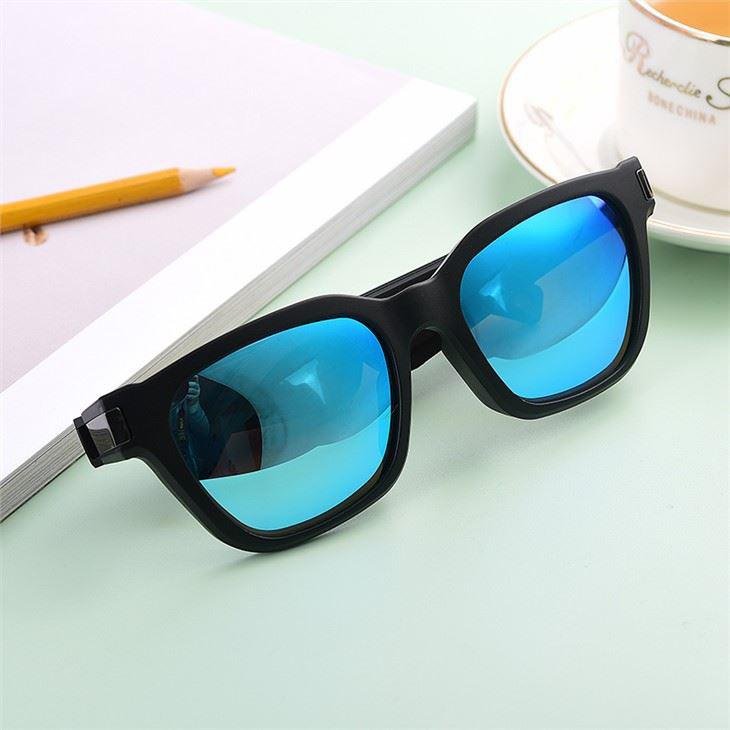
Our manufacturing team specializes in smart glasses development across diverse application areas, including specialized implementations for professional and medical use cases. We invite B2B partners to discuss your specific requirements, explore customization possibilities, and discover how our engineering expertise and production capabilities can support your market objectives.
Connect with our sales engineering team today to review technical specifications, discuss OEM and ODM possibilities, and receive customized proposals for your smart glasses manufacturing needs. Let us help you bring innovative medical technology products to market efficiently and reliably.
