
Posted At: Nov 04, 2026 - 12 Views

The photography industry is experiencing a seismic shift. Content creators, adventure seekers, and professionals alike are moving away from bulky camera setups toward streamlined, wearable solutions that capture life as it happens. At the heart of this transformation are smart glasses for photography—wearable devices that record immersive point-of-view footage without the friction of traditional gear.
For B2B buyers, distributors, and brands exploring smart glasses OEM manufacturing opportunities, the POV camera glasses market represents a compelling growth vector. Understanding the technology, consumer demands, and manufacturing landscape can help your business position itself at the forefront of this expanding category.
Why POV Shots Are Transforming Visual Storytelling
Point-of-view photography has existed for decades, but the democratization of wearable camera technology has accelerated its adoption dramatically. Today's audiences crave authenticity—raw, first-person perspectives that static camera angles simply cannot replicate. Whether documenting extreme sports, capturing travel experiences, or creating vlog content, POV shots deliver an unmatched sense of immediacy and immersion.
Smart glasses eliminate the awkwardness of holding a camera at arm's length or mounting bulky devices on helmets. They allow creators to record exactly what they see, hands-free, while maintaining full situational awareness. This fundamental advantage is driving demand across multiple verticals, from action sports enthusiasts to journalists, wildlife photographers, and everyday social media users.
The market data tells a clear story. Wearable camera shipments continue climbing year-over-year, with POV devices representing an increasingly significant share. Manufacturers who act now to establish production capabilities for smart glasses with integrated cameras will capture early-mover advantage in a market poised for substantial growth.
Core Features That Define Premium Photography Smart Glasses
Not all smart glasses are created equal, especially when photography capabilities enter the equation. B2B buyers evaluating OEM partners should understand which features drive consumer adoption and differentiate premium products from commodity offerings.
Camera Quality and Field of View
The heart of any photography-focused smart glasses product is its camera system. Resolution has become increasingly competitive, with 1080p becoming the baseline and 4K capabilities emerging as premium differentiators. However, resolution alone doesn't determine image quality. Sensor size, lens quality, and image processing algorithms collectively determine whether footage looks professional or amateurish.
Field of view represents another critical specification. A wider angle captures more of the surrounding environment, creating more immersive POV footage. However, excessive wide-angle distortion can make footage unwatchable. The optimal balance typically falls between 90 and 120 degrees, depending on the target use case and consumer preferences.
Low-light performance deserves particular attention. Many POV shots occur in challenging lighting conditions—indoor venues, overcast days, golden hour shoots. Smart glasses with larger apertures and advanced noise reduction algorithms outperform competitors in these scenarios, earning positive reviews and driving repeat purchases.
Battery Life and Storage Capacity
Photography demands power. High-resolution video recording drains batteries quickly, making endurance a pivotal purchase consideration. Consumers expect at least 60-90 minutes of continuous recording on a single charge, though premium products now offer extended battery configurations or swappable power cells.
Storage presents similar challenges. One hour of 1080p footage can consume 5-10GB of space, depending on compression settings. Built-in storage options ranging from 32GB to 128GB provide varying recording durations, while expandable storage through memory cards offers flexibility for power users who need extended recording sessions without interruption.
Comfort and Wearability
Photography professionals and enthusiasts often wear recording glasses for extended periods. Weight distribution, frame materials, and nose pad design significantly impact user comfort. Premium manufacturers invest heavily in ergonomic engineering to ensure devices remain comfortable during multi-hour shoots.
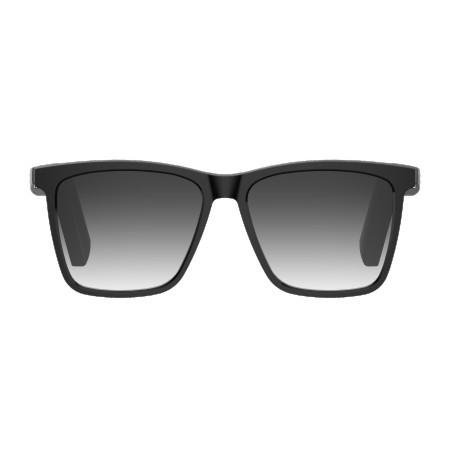
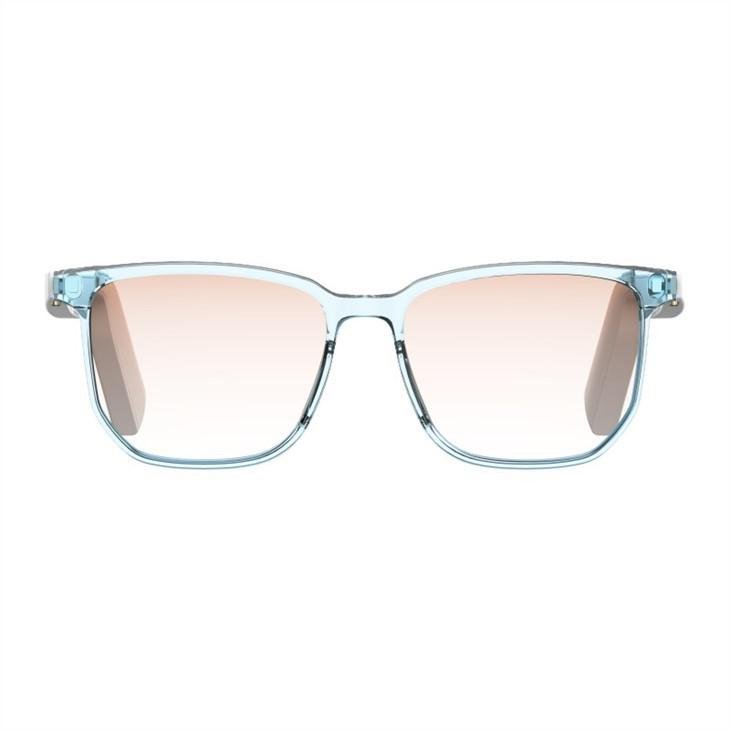
Frame aesthetics matter equally. Unlike action cameras with their distinctly tech-forward appearance, smart glasses must function as fashionable eyewear first and recording devices second. Consumers reject bulky, obvious camera glasses in favor of designs that resemble conventional sunglasses or everyday frames. Achieving this balance requires sophisticated industrial design and miniaturization expertise—areas where experienced OEM manufacturers excel.
Audio Integration
High-quality audio elevates POV content significantly. Directional microphones capture environmental sounds naturally, while voice recording capabilities enable narration and commentary without additional equipment. Some advanced models incorporate noise cancellation algorithms that filter wind noise, crowd sounds, or mechanical interference—critical for outdoor and action-oriented use cases.
The convergence of photography and audio capabilities in a single wearable device represents a significant value proposition. Content creators no longer need separate recording solutions for video and audio, streamlining their production workflow considerably.
Target Markets and Consumer Segments
Understanding the diverse applications of photography smart glasses helps B2B buyers identify their optimal market positioning and product specifications.
Action Sports and Adventure Content
Surfing, mountain biking, skiing, climbing—these activities demand first-person perspectives that traditional cameras struggle to capture safely. POV smart glasses have become essential equipment for action sports athletes and content creators who need to document their experiences without compromising performance or safety. This segment prioritizes durability, stabilization technology, and wide-angle capture capabilities.
Travel and Lifestyle Vlogging
Travel content creators require lightweight, portable solutions that don't attract unwanted attention while capturing authentic moments. Smart glasses for photography provide the discretion and convenience these users demand. They record continuously while allowing full engagement with the surrounding environment—no more choosing between experiencing a moment and capturing it.
Professional Applications
Beyond consumer entertainment, professional industries increasingly adopt POV recording technology. Journalists use camera glasses for immersive reporting. Law enforcement personnel document interactions for accountability and evidence. Inspection technicians capture hands-free footage of hard-to-reach spaces. Each professional application brings unique requirements around resolution, durability, and data security that manufacturers must address.
Gaming and Esports
The gaming community represents an emerging market for photography smart glasses, particularly devices that capture both real-world POV and screen content simultaneously. Streamers increasingly use dual-purpose devices that record their reactions and surroundings while maintaining connectivity with gaming systems.
OEM Manufacturing: Your Pathway to Market Leadership
For brands and distributors seeking to enter the smart glasses for photography market, OEM manufacturing partnerships offer compelling advantages over developing proprietary production capabilities. China's electronics manufacturing ecosystem provides unmatched access to specialized components, skilled labor, and established supply chains—all critical factors for competitive pricing and production quality.
Working with an experienced smart glasses manufacturer enables rapid product development with significantly reduced capital expenditure. Established OEM partners bring proven industrial designs, tested camera modules, and refined firmware that would take years and substantial investment to develop independently.
Customization Capabilities
Successful market entry requires differentiation. OEM manufacturing doesn't mean identical products flooding the market. Leading manufacturers offer extensive customization options including frame styles, lens technologies, camera specifications, branding elements, and packaging solutions. This flexibility allows brands to create distinctive products tailored to specific audience segments without sacrificing manufacturing efficiency.
Frame customization deserves particular attention. Photography smart glasses must balance technical requirements—integrated cameras, batteries, storage—with fashion-forward aesthetics. Manufacturers with experience producing both traditional eyewear and electronics understand how to achieve this balance, offering multiple frame profiles, materials, and color options that appeal to diverse consumer preferences.
Quality Assurance and Certification
International markets demand rigorous quality standards and regulatory compliance. Reputable OEM manufacturers maintain comprehensive testing protocols and hold relevant certifications for their products. For photography smart glasses, this includes electromagnetic compatibility testing, battery safety certification, and optical performance validation.
Working with certified manufacturers accelerates market entry by eliminating compliance-related delays and reduces risk of costly product recalls or legal issues in destination markets.
Making an Informed Manufacturing Partnership Decision
Evaluating potential OEM partners requires systematic assessment across multiple dimensions. Use this comparison framework when evaluating manufacturers for your photography smart glasses line:
| Evaluation Criteria | Essential Requirements | Premium Requirements |
|---|---|---|
| Camera Module Quality | 1080p minimum, 60° FOV | 4K capability, 120° FOV, stabilization |
| Battery Performance | 60+ minutes recording | 90+ minutes, swappable options |
| Frame Options | 3+ style variations | 10+ styles, custom molding |
| Lens Technologies | UV protection, polarization | Smart tint, prescription compatible |
| MOQ Flexibility | 500+ units per order | 100-300 units, rapid scaling |
| Certifications | CE, FCC compliance | Global certifications, IP ratings |
| Support Services | Basic warranty, documentation | Custom firmware, app development |
This framework helps distinguish manufacturers positioned to support genuine market entry from those offering superficial capabilities that won't sustain competitive positioning.
The Manufacturing Process: From Concept to Production
Understanding the production timeline and key milestones helps B2B buyers plan effective market entry strategies. A typical OEM engagement follows several phases:
Initial consultation establishes product specifications, target pricing, and volume projections. During this phase, manufacturers evaluate feasibility and identify potential challenges with proposed specifications. Open communication here prevents costly surprises during production.
Design and prototyping typically span 4-8 weeks, depending on customization complexity. Engineers develop detailed technical drawings, source specialized components, and produce initial samples for evaluation. This iteration phase often reveals opportunities for optimization that improve both product quality and manufacturing efficiency.
Testing and certification requires 4-6 weeks for standard compliance testing, though complex international certification requirements can extend this phase. Thorough testing prevents field failures that damage brand reputation and drive warranty claims.
Production scale-up involves tooling adjustments, assembly line configuration, and quality control protocol implementation. Experienced manufacturers manage this transition smoothly, maintaining quality while increasing output to meet order volumes.
Total timeline from initial specification to first shipment typically ranges from 4-6 months for moderately customized products, with additional time required for extensive custom development or complex certification requirements.
Positioning Your Brand for Market Success
The photography smart glasses market is maturing rapidly, but significant opportunities remain for brands that approach the category strategically. Success requires more than simply placing an order with a manufacturer—brands must develop coherent strategies addressing market positioning, distribution channels, and consumer value propositions.
Content creator partnerships drive awareness within the primary target demographic. Identifying micro-influencers and professional photographers who authentically use your products generates more compelling marketing content than traditional advertising approaches.
Retail channel development determines market reach. Specialty electronics retailers, outdoor recreation stores, photography equipment shops, and fashion retailers each serve distinct consumer segments with different expectations. Developing channel-specific product variants and marketing approaches maximizes market coverage.
Product line architecture should balance breadth and focus. A flagship photography-focused model establishes category authority, while complementary products—like audio-enabled smart glasses or lifestyle-focused designs—expand addressable market without diluting core brand positioning.
Customer support infrastructure deserves investment proportional to product complexity. Photography smart glasses require firmware updates, component replacement services, and technical troubleshooting capabilities that basic eyewear products don't demand. Building this infrastructure early prevents reputation damage from support failures.
Looking Ahead: Emerging Technologies and Opportunities
The photography smart glasses category continues evolving rapidly. Several emerging technologies will reshape competitive dynamics and create new opportunities for forward-thinking brands.
Artificial intelligence integration enables automatic content curation, scene recognition, and intelligent editing suggestions. Future smart glasses may automatically identify and preserve significant moments while discarding redundant footage, dramatically reducing post-production workload for content creators.
Augmented reality overlay capabilities will blur boundaries between photography and mixed-reality experiences. Smart glasses capable of overlaying information, navigation prompts, or creative effects onto captured footage create new creative possibilities that traditional cameras cannot match.
Cloud connectivity enables real-time streaming and automatic backup of recorded content. As connectivity infrastructure improves globally, seamless cloud integration becomes increasingly expected rather than premium functionality.
Energy harvesting technologies—including solar charging and kinetic energy recovery—may eventually eliminate battery life concerns that currently constrain recording duration. Early exploration of these technologies positions brands for competitive advantage as they mature toward commercial viability.
The convergence of improved camera technology, sophisticated audio systems, and intelligent software creates compelling product opportunities. Brands that establish manufacturing partnerships now position themselves to capitalize on these trends as they mature from emerging technologies to mainstream consumer expectations.
Partnering for Success in Smart Glasses Photography
The smart glasses for photography market represents a significant opportunity for B2B buyers, distributors, and brands willing to invest strategically. Hands-free POV recording addresses genuine consumer needs across diverse segments, from adventure athletes to professional journalists to everyday content creators.
Success in this market requires more than identifying capable OEM manufacturers—it demands systematic evaluation of partnership capabilities, thoughtful product positioning, and sustained investment in brand development. The comparison framework provided here offers a starting point for systematic partner evaluation, but comprehensive due diligence remains essential.
As camera technology continues improving while device sizes shrink, smart glasses will capture increasingly sophisticated photography capabilities in form factors that feel natural and unobtrusive. The brands positioned at this intersection of fashion and technology will define the category's growth trajectory.
Ready to explore manufacturing partnerships for photography-focused smart glasses? Our team specializes in connecting B2B partners with production capabilities matched to their specific requirements. Share your product specifications and market objectives, and we'll identify the optimal manufacturing pathway for your brand.
