
Posted At: Sep 18, 2026 - 128 Views

The global demand for seamless language acquisition has reached unprecedented levels, driven by international business expansion, travel resurgence, and cross-cultural communication needs. Smart glasses for language learning with built-in translation technology are emerging as a transformative force in the educational technology sector, offering hands-free, real-time translation capabilities that traditional devices simply cannot match. For B2B buyers, distributors, and brands exploring smart glasses OEM and ODM manufacturing opportunities in China, this market represents a compelling venture into the future of personalized education technology.
Unlike smartphones or tablets that require users to pause their activities to type or read translations, smart glasses deliver instant visual and auditory translation directly within the user's field of vision. This fundamental shift in how translation is consumed creates natural, immersive learning environments where users absorb foreign languages during real conversations, travel experiences, and professional interactions. The technology bridges the gap between passive vocabulary memorization and active language practice, addressing one of the most persistent challenges in traditional language education.
Understanding Real-Time Translation Technology in Smart Glasses
Modern smart glasses for language learning rely on sophisticated integration of multiple technologies working in concert. Speech recognition systems powered by advanced neural networks capture and interpret spoken language with remarkable accuracy, even in challenging acoustic environments. Machine translation engines, increasingly leveraging large language models, convert source text into target languages while preserving context, nuance, and idiomatic expressions that mechanical translators historically struggled to deliver.
The augmented reality component of these devices displays translated text as overlay within the user's natural field of view, ensuring that foreign language signs, menus, conversations, and instructions become immediately comprehensible. Audio output through bone-conduction speakers or directional speakers allows users to hear translations privately without isolating themselves from their surroundings. This multimodal approach to translation creates comprehensive understanding that single-mode translation devices cannot achieve.
Consider the practical advantages for language learners: a student studying Mandarin can engage in conversation with a native speaker while receiving real-time subtitles, hearing phonetic pronunciations, and seeing character translations simultaneously. The learning process becomes contextual rather than isolated, embedding new vocabulary and grammatical structures within meaningful communicative situations that enhance long-term retention and practical application.
Market Dynamics and B2B Opportunities
The intersection of education technology and wearable devices has created fertile ground for innovative product development. Global language learning app revenues continue climbing, yet user retention and completion rates reveal persistent limitations in current digital learning approaches. Smart glasses address these shortcomings by transforming passive screen time into active, embodied learning experiences that align with how humans naturally acquire languages through immersion.
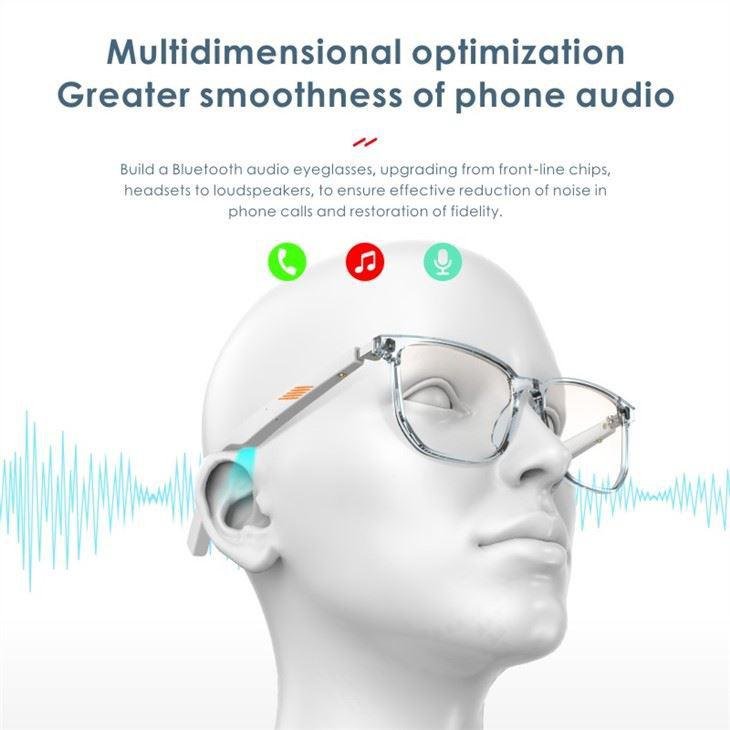
For businesses evaluating smart glasses manufacturing partnerships, several factors make this segment particularly attractive. Educational institutions worldwide are actively seeking technology solutions that support multilingual education initiatives and serve increasingly diverse student populations. Tourism boards and hospitality companies recognize translation-enabled wearables as competitive differentiators that enhance visitor experiences. Corporate training programs increasingly require employees to develop foreign language competencies for international assignments and cross-border collaboration.
Hardware Requirements for Translation-Ready Smart Glasses
Successful smart glasses for language learning require careful hardware engineering that balances performance with wearability. The device must incorporate high-quality microphones with noise cancellation to accurately capture speech in varied environments, from quiet study rooms to bustling airport terminals. Processing demands for real-time translation necessitate capable system-on-chip architectures that can handle continuous speech recognition and translation workflows without excessive battery drain.
Display technology represents a critical consideration for OEM manufacturers. Waveguide-based augmented reality displays offer transparent, hands-free visual output but require precise optical engineering and typically command premium positioning. Microdisplay solutions using tiny projectors provide alternative approaches with their own tradeoffs in brightness, field of view, and power consumption. Battery capacity must support extended learning sessions while maintaining a lightweight, comfortable form factor that users will actually wear consistently.
Connectivity options including WiFi, Bluetooth, and increasingly cellular capabilities enable smart glasses to leverage cloud-based translation services for the most accurate results while supporting offline functionality for basic translation in connectivity-limited situations. The Smart Casual Sunglasses line demonstrates how manufacturers can achieve stylish form factors that appeal to younger learners who might otherwise resist wearing obviously "techy" devices.
Software Architecture and Translation Integration
The translation capabilities of language learning smart glasses depend fundamentally on software architecture decisions made during product development. On-device translation engines provide privacy advantages and offline functionality but face hardware limitations in processing power and storage capacity. Cloud-connected approaches deliver superior translation quality by leveraging powerful server infrastructure but introduce latency, connectivity dependency, and potential privacy concerns that education technology buyers carefully evaluate.
Most successful implementations adopt hybrid approaches, utilizing on-device processing for initial speech recognition and preliminary translation while reserving cloud services for complex grammatical analysis, idiom handling, and context-aware refinement. This architecture balances user experience considerations with practical business requirements around data handling and regulatory compliance across different markets.
Integration with popular language learning platforms and educational content management systems extends the utility of smart glasses beyond real-time conversation translation. Learners benefit from vocabulary practice, pronunciation coaching, and structured lessons delivered through their wearable devices. Corporate training programs can deploy custom content aligned with specific industry terminology and communication scenarios relevant to their workforce development goals.
Design Considerations for Educational Deployment
Smart glasses intended for educational environments require design philosophies that prioritize accessibility, durability, and extended comfort. Younger learners especially benefit from lightweight constructions that minimize fatigue during study sessions lasting multiple hours. Adjustable fit systems accommodate diverse head sizes and wearing preferences, while hypoallergenic materials ensure the devices remain comfortable for users with sensitive skin or contact lens wearers.
Educational institutions evaluating bulk deployments pay close attention to device management capabilities that streamline software updates, content distribution, and usage monitoring across entire device fleets. School IT administrators require integration with existing mobile device management systems and robust security protocols that protect student data in compliance with educational privacy regulations like FERPA and GDPR.
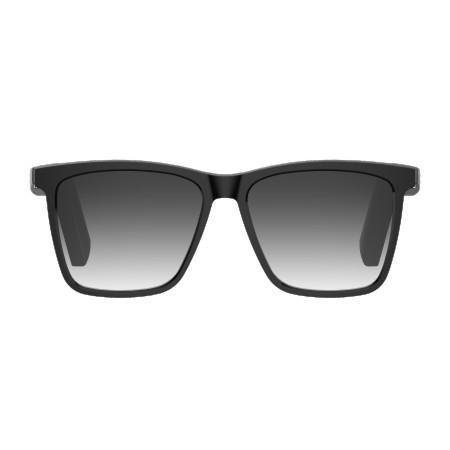
The Bluetooth Glasses Sunglasses series exemplifies how versatile product design can serve both casual fashion preferences and serious learning applications. By maintaining mainstream consumer aesthetics, these devices reduce the social stigma some learners experience when wearing visibly technological wearables in public settings.
Target Use Cases Driving Market Demand
Study abroad programs represent a primary market segment for translation-enabled smart glasses. Students navigating unfamiliar cities, attending foreign-language university courses, and building relationships with host families benefit enormously from real-time translation support that accelerates cultural and linguistic acclimation. The hands-free nature of smart glasses proves particularly valuable in these dynamic, mobile contexts where smartphone use would be impractical or unsafe.
Business professionals engaging in international negotiations, conferences, and partnerships require reliable translation support that maintains conversational flow without awkward interruptions for manual translation. Executive training programs increasingly incorporate language competency development, and translation smart glasses provide on-demand assistance that builds confidence while reducing communication barriers during high-stakes interactions.
Healthcare providers serving multilingual patient populations benefit from translation-enabled eyewear that supports accurate communication during consultations, diagnoses, and treatment discussions. The ability to verify patient understanding through real-time translation and captioning reduces medical errors attributable to language barriers and improves overall care quality for diverse communities.
Manufacturing Excellence for Language Learning Smart Glasses
Successful entry into this market segment requires manufacturing partners who understand both the technical complexities and market expectations for educational technology products. Quality control processes must ensure consistent audio capture accuracy across production units, as variations in microphone performance directly impact translation reliability. Optical alignment precision determines whether augmented reality displays function correctly or cause user discomfort and visual fatigue.
Battery performance testing under realistic usage conditions reveals whether devices can support meaningful learning sessions or fall short of user expectations with inadequate endurance. Software quality assurance must verify seamless integration between hardware components and translation services, identifying edge cases and error conditions before products reach end users.
Future Trajectory and Innovation Opportunities
The rapid advancement of artificial intelligence promises continued improvement in translation accuracy, contextual understanding, and natural language processing capabilities. Future smart glasses will likely incorporate more sophisticated AI assistants that proactively identify learning opportunities, provide vocabulary expansions based on detected conversations, and adapt difficulty levels to match learner progression. These capabilities will drive repeat purchases and subscription revenue streams that strengthen unit economics for brands and retailers.
Emerging display technologies including holographic elements and advanced waveguide solutions will improve visual translation experiences while reducing device weight and cost. Processor efficiency gains will extend battery life and enable more sophisticated on-device processing, reducing dependence on continuous cloud connectivity. These hardware advances will complement ongoing software improvements to deliver increasingly capable and affordable language learning wearables.
Strategic Recommendations for Market Entry
Brands and distributors considering smart glasses for language learning applications should begin with clear definition of target use cases and customer segments. Focusing on specific applications whether academic, professional, or consumer travel markets enables targeted product development that addresses genuine user needs rather than attempting broad functionality that satisfies no one completely.
Partnership selection for OEM manufacturing should prioritize demonstrated experience with both consumer electronics production and augmented reality systems integration. Requesting reference products, visiting manufacturing facilities, and evaluating quality management certifications helps identify partners capable of delivering products that meet market expectations for reliability and user experience.
Market timing considerations suggest that early entry into the translation smart glasses segment offers competitive advantages as the category transitions from early adopter novelty to mainstream educational technology acceptance. Establishing brand recognition, distribution relationships, and manufacturing partnerships before market saturation provides sustainable positioning for long-term success.
Partner with Expert Smart Glasses Manufacturers
The convergence of language learning technology, augmented reality, and wearable computing has created compelling opportunities for businesses prepared to serve this emerging market. Smart glasses for language learning represent a product category where thoughtful engineering translates directly into meaningful user outcomes, creating the foundation for strong brand differentiation and customer loyalty.
Our manufacturing facilities specialize in producing high-quality smart glasses designed for educational technology applications, with extensive experience in translation-enabled product development. We offer comprehensive OEM and ODM services that support your brand's unique requirements from concept through mass production. Our team understands the specific performance, reliability, and aesthetic standards that educational technology buyers and end users expect from premium language learning devices.
Contact our sales team today to discuss your smart glasses manufacturing requirements and discover how we can help you bring compelling language learning products to market efficiently and profitably. We welcome the opportunity to understand your vision and demonstrate our capabilities in producing world-class smart glasses for the global education technology market.
