
Posted At: Apr 08, 2026 - 1,653 Views

The fitness industry has witnessed a dramatic shift toward home-based workouts over the past several years, and this transformation has created unprecedented opportunities for innovative technology manufacturers. Smart glasses for indoor workout sessions have emerged as a game-changing category, offering fitness enthusiasts a seamless way to stay motivated, receive audio guidance, and track performance metrics without the clutter of traditional workout devices.
For B2B buyers, distributors, and brands seeking to enter or expand their presence in the smart fitness wearables market, understanding the dynamics of smart glasses for home gym applications has become essential. The convergence of audio technology, fitness tracking, and hands-free convenience positions these devices as the next frontier in fitness innovation.
The Rise of Smart Fitness Eyewear in Home Workouts
Traditional workout routines typically require multiple devices: smartphones for workout apps, wireless earbuds for audio instruction, fitness trackers for metrics, and traditional eyeglasses for those who need vision correction. This device fragmentation creates friction during workouts, leading many fitness enthusiasts to seek integrated solutions that simplify their exercise experience.
Smart glasses designed specifically for indoor workouts address this pain point by consolidating essential workout technologies into a single, comfortable wearable. These devices enable users to listen to music, receive voice prompts from virtual trainers, and monitor their performance metrics without ever touching another device. The hands-free nature of smart eyewear proves particularly valuable during exercises that require continuous movement, such as cardio routines, strength training circuits, and yoga flows.
Market research indicates that the global smart glasses market continues to expand across multiple verticals, with fitness applications representing one of the fastest-growing segments. B2B buyers who position themselves early in this market stand to capture significant market share as consumer awareness and demand continue to accelerate.
Essential Features for Home Gym Smart Glasses
When evaluating smart glasses for indoor workout applications, several key features distinguish premium products from substandard offerings. Understanding these specifications helps B2B buyers identify manufacturing partners capable of delivering products that meet consumer expectations.
Audio Performance and Comfort
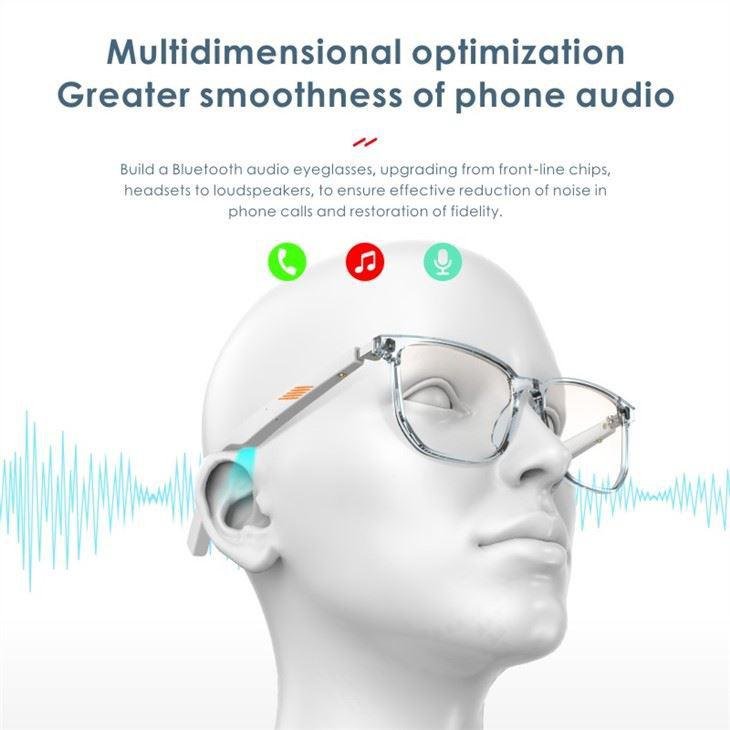
Open-ear audio technology has become the preferred approach for workout-focused smart glasses. Unlike traditional headphones that isolate users from their environment, directional audio systems deliver sound directly to the wearer while maintaining awareness of surrounding sounds—an important safety consideration for home gym environments. The audio quality must be clear across the frequency spectrum, with adequate bass response for motivational workout playlists and sufficient vocal clarity for instruction audio.
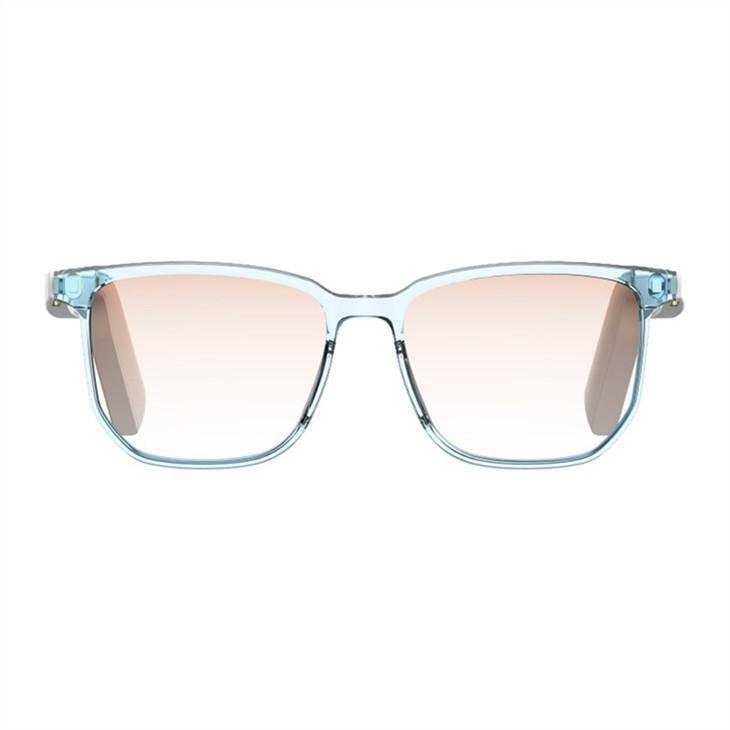
Comfort during extended wear represents another critical consideration. Quality smart glasses for home workouts feature lightweight frames, balanced weight distribution, and flexible temple arms that accommodate various head shapes. The Multifunctional Smart Glasses exemplify this balance between audio performance and all-day wearing comfort, making them suitable for both intensive workout sessions and casual home activities.
Durability and Sweat Resistance
Indoor workouts generate significant perspiration, making water and sweat resistance essential for any smart eyewear targeting this market. IPX4 or higher ratings ensure that the electronic components remain protected during even the most intense training sessions. Premium manufacturing processes incorporate sealed battery compartments, protected charging contacts, and moisture-resistant speaker drivers to maintain reliable performance despite exposure to sweat.
Connectivity and Battery Life
Seamless Bluetooth connectivity with smartphones, tablets, and smart fitness equipment enables smart glasses to serve as the central hub for workout content delivery. Users should be able to pair their eyewear once and automatically reconnect each subsequent workout session. Battery life of 6-8 hours accommodates most home workout schedules, with rapid charging capabilities ensuring the devices spend minimal time away from active use.
OEM/ODM Manufacturing Opportunities for B2B Buyers
The growing demand for smart glasses for indoor workouts creates substantial opportunities for B2B buyers, distributors, and brands to develop proprietary products through OEM (Original Equipment Manufacturing) and ODM (Original Design Manufacturing) partnerships. These manufacturing arrangements enable companies to bring high-quality smart fitness eyewear to market without investing in dedicated manufacturing infrastructure.
Customization Options for Brand Differentiation
Successful brands in the smart glasses market differentiate themselves through thoughtful product customization. Reputable manufacturers offer extensive options for frame styles, colors, finishes, and branding elements that help B2B clients establish unique market positions. Whether targeting the premium fitness segment with metallic finishes or the mass market with sporty polymer frames, customization capabilities directly impact brand success.
Technical Expertise and Quality Assurance
Manufacturing smart glasses requires specialized expertise spanning multiple disciplines, including miniaturized electronics, audio engineering, optics, and industrial design. Established manufacturers maintain rigorous quality assurance protocols throughout the production process, from component sourcing through final assembly and testing. B2B buyers should evaluate potential partners based on their technical capabilities, certifications, and track record with similar products.
The Bluetooth Audio Sunglasses with Polarized Lenses represent the kind of product that demonstrates manufacturing expertise across multiple technology domains. These glasses combine advanced audio systems with quality optics, illustrating the technical complexity that professional manufacturing partners must handle.
Cost-Effective Production Scalability
Working with experienced manufacturers enables B2B buyers to achieve favorable unit economics through optimized production processes, bulk component sourcing, and efficient assembly operations. Scalability remains particularly important for brands experiencing rapid growth or preparing for seasonal demand fluctuations. Manufacturing partners capable of scaling production volumes while maintaining consistent quality provide essential flexibility for market dynamics.
Market Applications and Use Cases
Smart glasses for indoor workouts serve diverse applications across the home fitness ecosystem. Understanding these use cases helps B2B buyers identify target markets and product positioning strategies.
Streaming Workout Integration
The proliferation of streaming workout platforms has created demand for devices that enhance the viewing experience. Smart glasses enable users to follow along with video workouts while receiving audio commentary and coaching cues through their eyewear. This integrated experience proves far more engaging than watching workouts on a television screen while wearing separate earbuds.
Virtual Training Sessions
Personal trainers increasingly conduct sessions through video conferencing platforms, and smart glasses enable trainers to provide real-time feedback without requiring clients to hold phones or wear bulky headsets. This hands-free communication capability proves especially valuable during exercise demonstrations and form corrections.
Gaming and Immersive Fitness
The gamification of fitness continues to gain momentum, with interactive workout games and virtual reality experiences becoming mainstream. While true AR glasses remain in earlier developmental stages for consumers, audio-only smart glasses serve as accessible entry points into gamified fitness experiences, providing the audio cues and prompts that drive engagement in these applications.
Competitive Landscape and Business Advantages
The smart fitness eyewear market currently features a mix of established technology companies, emerging startups, and private label manufacturers. For B2B buyers, this competitive environment creates both challenges and opportunities.
Established brands benefit from consumer awareness but often compete primarily on marketing spend rather than product differentiation. Emerging brands that partner with quality manufacturers can achieve comparable or superior product quality while focusing resources on targeted market segments and customer relationships.
| Feature Category | Entry-Level Products | Mid-Market Products | Premium Products |
|---|---|---|---|
| Audio Quality | Basic mono sound | Stereo with moderate bass | High-fidelity directional audio |
| Battery Life | 3-4 hours | 5-6 hours | 8-10 hours |
| Frame Materials | Generic polymers | Reinforced composites | Premium alloys, titanium |
| Water Resistance | IPX3 or none | IPX4 | IPX5 or higher |
| Customization | Limited options | Multiple colors/finishes | Full customization available |
This comparison illustrates the tiered market structure and the importance of clearly defining target positioning when selecting manufacturing partners and specifying product requirements.
Supply Chain Considerations for B2B Buyers
Effective supply chain management significantly impacts the success of smart glasses ventures. B2B buyers should evaluate potential manufacturing partners across several dimensions that affect operational efficiency and time-to-market.
Component Sourcing and Lead Times
Smart glasses require specialized components including micro speakers, Bluetooth modules, batteries, touch sensors, and optical elements. Manufacturers with established supplier relationships can secure components more reliably and often achieve better pricing through consolidated purchasing. Understanding component availability and lead times helps B2B buyers plan product launches and manage inventory effectively.
Quality Control Standards
Product quality directly affects brand reputation and customer satisfaction. Leading manufacturers implement multi-stage quality control processes including incoming component inspection, in-process quality monitoring, and final product testing. B2B buyers should require documentation of quality control procedures and request sample products for thorough evaluation before committing to production orders.
Future Trends in Smart Fitness Eyewear
Several emerging trends will shape the smart glasses for indoor workouts market in coming years. B2B buyers who anticipate these developments can position their brands for long-term success.
Integration with fitness tracking biometrics represents a significant advancement opportunity. As sensor technology continues miniaturizing, future smart glasses may incorporate heart rate monitoring, blood oxygen sensing, and even EEG capabilities for measuring workout intensity and recovery status. Manufacturers investing in these capabilities today will be well-positioned for next-generation product development.
Artificial intelligence and voice assistant integration will deepen, enabling more natural interactions during workouts. Users will increasingly rely on voice commands to control music, receive exercise suggestions, and log performance data without interrupting their training flow.
Sustainability considerations are also gaining importance, with both consumers and regulatory bodies demanding more environmentally responsible electronics. Manufacturers exploring recycled materials, modular designs that extend product lifespan, and responsible end-of-life recycling programs will align with emerging market expectations.
Making Strategic Manufacturing Partnerships
Success in the smart glasses for indoor workouts market depends heavily on selecting the right manufacturing partner. B2B buyers should approach this decision with the same rigor applied to any strategic business relationship.
Begin by clearly defining product requirements, target price points, and volume expectations. These parameters guide conversations with potential manufacturers and enable meaningful comparisons between proposals. Request detailed capability assessments covering design support, prototyping services, production capacity, and quality certifications.
Schedule facility visits when possible to observe manufacturing operations directly. First-hand observation of production lines, testing procedures, and workforce capabilities provides insights that documentation alone cannot convey. Pay attention to organization, cleanliness, and employee engagement as indicators of operational excellence.
Start with small pilot orders before committing to large production runs. This approach validates that the manufacturer can deliver consistent quality at scale while minimizing risk exposure during the relationship establishment phase. Successful pilot programs build confidence and establish working patterns that benefit both parties as business volumes grow.
Conclusion: Capturing Market Opportunity
The market for smart glasses designed for indoor workouts presents compelling opportunities for B2B buyers, distributors, and brands willing to invest in quality products and strategic partnerships. Home fitness continues evolving toward more integrated, technology-enhanced experiences, and smart eyewear sits at the intersection of convenience, performance, and style.
Success requires careful attention to product features that matter most to fitness enthusiasts, partnerships with manufacturers capable of delivering consistent quality, and positioning strategies that differentiate brands in an increasingly competitive marketplace. Companies that execute thoughtfully across these dimensions stand to capture significant value in this growing market segment.
Ready to explore smart glasses manufacturing opportunities for your brand? Our team of experienced professionals supports B2B clients throughout the product development and production process. Browse our product portfolio to discover what's possible, or reach out directly to discuss your specific requirements and discover how we can help bring your smart fitness eyewear vision to market.
