
Posted At: Aug 05, 2026 - 26 Views

The dental industry is undergoing a significant transformation driven by technological innovation. Among the most promising developments are smart glasses specifically designed for dental procedures, a niche that combines augmented reality, hands-free computing, and specialized dental applications into a single powerful tool. For B2B buyers, distributors, and brands seeking to enter this market, understanding the landscape of dental smart glasses manufacturing has become essential for making informed sourcing decisions.
The Rise of Wearable Technology in Dental Practices
Dental professionals face unique challenges that make wearable technology particularly valuable. Long procedures requiring both hands, the need to reference patient data without breaking sterility, and the demand for enhanced visualization during complex interventions all point toward smart glasses as an ideal solution. Unlike traditional computing approaches that interrupt workflow, smart glasses integrate seamlessly into the dental environment.
The global dental equipment market continues to expand, with practices increasingly seeking technology investments that improve patient outcomes and operational efficiency. Smart glasses address both priorities by enabling real-time information access, remote consultation capabilities, and enhanced procedural guidance. This market growth creates substantial opportunities for brands and distributors looking to offer differentiated products through OEM partnerships.
Key Applications of Smart Glasses in Dentistry
Real-Time Procedural Guidance and Visualization
Perhaps the most impactful application involves augmented reality overlays during dental procedures. Practitioners can view anatomical structures highlighted through AR visualization, receive step-by-step guidance for complex interventions, and access patient-specific information without looking away from the treatment area. This capability proves especially valuable during surgical extractions, implant placement, and endodontic procedures where precision matters tremendously.
The Smart Glasses HD Stereo series demonstrates how high-definition stereo displays can enhance depth perception during dental work, allowing practitioners to better judge distances and alignments critical for successful outcomes.
Hands-Free Access to Patient Records
Maintaining protocol during procedures requires accessing radiographs, treatment histories, and medication records without compromising sterility. Smart glasses solve this challenge by displaying information directly in the practitioner's field of vision. Voice commands enable navigation through records, while eye-tracking technology allows intuitive control without physical interaction.
Teledentistry and Remote Consultation
The integration of high-quality cameras with smart glasses enables unprecedented teledentistry capabilities. General practitioners can share their exact viewpoint with specialists in real-time, receiving guidance during challenging cases without the specialist physically present. This application proved particularly valuable during periods of restricted movement and continues to expand access to specialized care in underserved regions.
Documentation and Training Support
Smart glasses automatically capture point-of-view video footage, creating objective records of procedures for quality assurance, training purposes, and legal documentation. Dental students benefit from observing attending practitioners' perspectives, accelerating skill development and enabling remote learning opportunities that were previously impossible.
Technical Requirements for Dental Smart Glasses
Developing smart glasses for dental environments demands attention to specific technical parameters that differ from consumer or industrial applications. Understanding these requirements enables B2B buyers to communicate effectively with manufacturers and evaluate potential partners.
Display Technology Considerations
Dental smart glasses require high-resolution displays capable of presenting detailed imagery such as radiographs and treatment plans. Optical see-through augmented reality provides the best user experience, overlaying digital information onto the real-world view without obstructing the practitioner's sightlines. Display brightness must compensate for the high ambient lighting common in dental operatories.
Camera and Audio Specifications
The integrated camera system must capture images sufficient for accurate teledentistry consultations and documentation. This typically means at least 12 megapixel still capture capability and 1080p minimum video recording. Noise-canceling microphones ensure clear voice communication during consultations, while bone-conduction or directional speakers allow the practitioner to hear instructions without isolating them from environmental sounds.
Power and Battery Life
Dental procedures vary significantly in duration, requiring battery systems that support extended use without interruption. Smart glasses intended for dental applications should provide minimum six to eight hours of continuous operation, with hot-swappable batteries or efficient charging systems that minimize downtime between patients.
Comfort and Ergonomics
Dental professionals wear protective equipment for extended periods, meaning smart glasses must integrate comfortably with existing safety gear. Lightweight designs, balanced weight distribution, and adjustable fit systems prevent fatigue during long procedures. The glasses should feel natural enough that practitioners forget they're wearing them.
OEM/ODM Manufacturing Pathways for Dental Smart Glasses
For brands and distributors entering the dental smart glasses market, China-based OEM and ODM manufacturing partnerships offer compelling advantages in cost efficiency, technical capability, and production scalability. However, navigating these partnerships effectively requires understanding the manufacturing landscape and establishing proper specifications.
Customization Options for Dental Applications
OEM manufacturing allows complete customization of smart glasses for dental branding, while ODM partnerships can modify existing platforms for dental-specific requirements. Key customization areas include specialized software integration for dental practice management systems, modification of the optical system for dental lighting conditions, and integration of dental-specific sensors and interfaces.
Regulatory Compliance Considerations
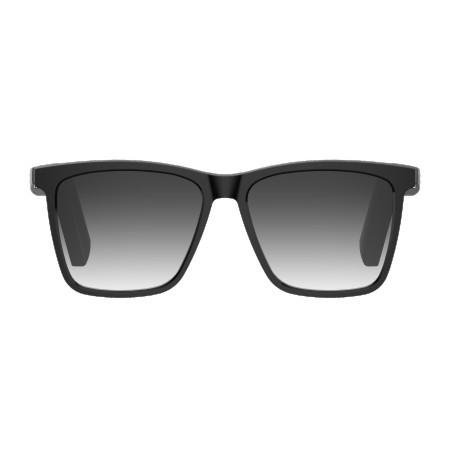
Dental smart glasses may require medical device classification depending on their intended claims and functionality. Working with manufacturers experienced in medical device production ensures appropriate quality management systems, documentation practices, and facility certifications. The Anti-blue Light Smart Call Glasses demonstrate how manufacturers balance specialized optical features with consumer-friendly design suitable for medical-adjacent applications.
Production Volume and Scalability
China's manufacturing infrastructure supports both small-batch production for market testing and high-volume production for established products. B2B buyers should evaluate manufacturers' capacity to scale production as market demand grows, including component sourcing stability, assembly line flexibility, and quality control processes that maintain consistency across production runs.
Market Opportunities and Industry Trends
The dental smart glasses market benefits from several converging trends that suggest continued growth. An aging global population increases demand for dental services, while practitioner shortages drive adoption of efficiency-enhancing technology. Patients increasingly expect practices to offer modern, technology-forward experiences that differentiate their care.
| Application Area | Adoption Timeline | Market Priority |
|---|---|---|
| Teledentistry Integration | Immediate | High |
| AR Procedural Guidance | 2-3 Years | High |
| AI-Assisted Diagnostics | 3-5 Years | Medium |
| Complete Practice Integration | 5+ Years | Medium |
The table above illustrates the expected development timeline for various dental smart glasses applications, helping B2B buyers prioritize product features and positioning strategies for different market segments.
Evaluating Smart Glasses Manufacturing Partners
Selecting the right manufacturing partner requires systematic evaluation across multiple dimensions. Technical capability forms the foundation, but quality processes, communication practices, and long-term partnership potential matter equally for successful market entry.
Manufacturing Facility Assessment
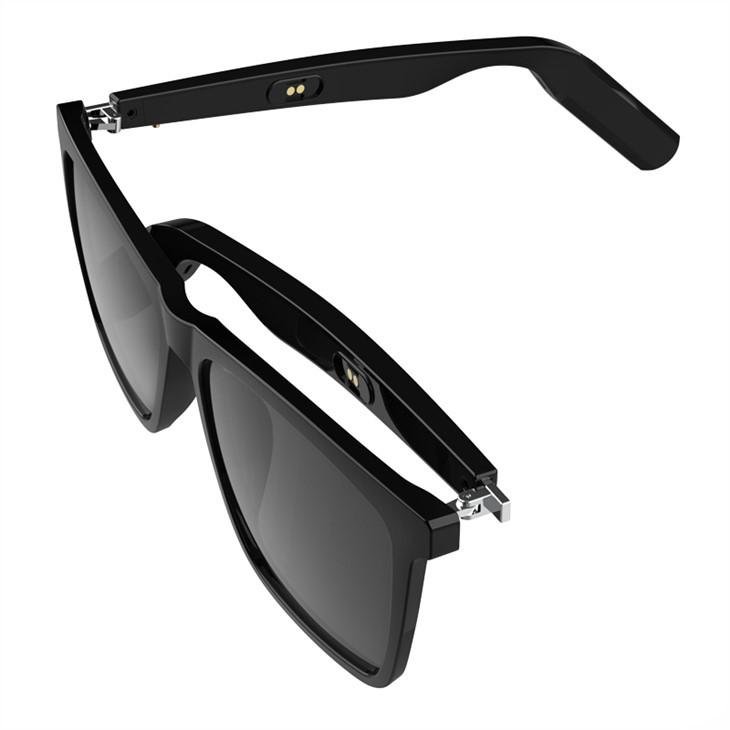
Visit potential partners when possible, evaluating cleanroom facilities, assembly processes, and testing capabilities firsthand. Manufacturers producing Smart Bluetooth Audio Glasses and similar products demonstrate experience with the audio-visual integration challenges that dental applications require.
Quality Management Systems
Look for ISO 13485 certification for medical device manufacturing, or ISO 9001 as a minimum standard for general electronics. Request documentation of defect rates, return processing procedures, and continuous improvement practices that indicate mature quality culture.
Software Development Capabilities
Dental smart glasses require software ecosystem development beyond hardware manufacturing. Partners should demonstrate experience with firmware development, mobile application integration, and dental practice management software compatibility. Cloud infrastructure for data management and teledentistry functionality adds additional software requirements.
Investment Considerations for B2B Buyers
Market entry through OEM/ODM partnerships requires significant upfront investment in product development, regulatory approval, and initial inventory. However, the recurring revenue potential from consumables, software subscriptions, and replacement parts creates compelling long-term economics for brands that successfully establish market presence.
Distributors benefit from established manufacturing partnerships that reduce complexity and capital requirements compared to vertical integration. The key advantage lies in focusing resources on market development and customer relationships while relying on manufacturing partners for technical execution.
Future Directions in Dental Smart Glasses Technology
The trajectory of smart glasses technology suggests continued capability expansion that will further enhance dental applications. Improvements in display technology will enable more sophisticated AR overlays with greater visual fidelity. Artificial intelligence integration will provide real-time image analysis, automatically identifying potential issues and suggesting treatment approaches based on accumulated clinical data.
Miniaturization will reduce the form factor of dental smart glasses, making them feel increasingly like standard eyewear rather than computing devices. This evolution will improve practitioner adoption rates by removing the novelty barrier that currently requires deliberate workflow integration.
Partner with Expert Smart Glasses Manufacturers
Whether you're a distributor seeking to expand your product portfolio, a brand developing next-generation dental technology, or an investor evaluating market opportunities, smart glasses represent a compelling segment within the broader dental technology growth trajectory. The combination of practical clinical benefits, improving technology economics, and expanding application scenarios creates favorable conditions for market entry.
Our manufacturing facilities specialize in smart glasses production for specialized applications including dental, medical, and professional use cases. We offer comprehensive OEM/ODM services encompassing hardware development, firmware integration, and regulatory compliance support. Our team works closely with B2B partners to translate product requirements into manufacturable solutions that meet quality standards and market timelines.
Request a consultation to discuss your dental smart glasses project requirements. We'll provide detailed capability presentations, prototype development timelines, and production cost estimates tailored to your specific market objectives and volume requirements.
