
Posted At: Apr 07, 2026 - 2,678 Views

The workplace landscape has fundamentally shifted. After years of remote and hybrid arrangements, organizations worldwide are welcoming employees back to the office. Yet the expectations have changed dramatically. Workers no longer accept clunky, impractical technology that disrupts their workflow. They demand seamless integration of personal devices that enhance rather than hinder their professional lives. This evolution presents an unprecedented opportunity for B2B buyers, distributors, and brands to differentiate their offerings through smart glasses designed specifically for the modern office environment.
Smart glasses have emerged as a category with genuine potential for workplace adoption. Unlike the consumer-focused devices that dominated headlines in recent years, today's enterprise-ready smart glasses prioritize discretion, functionality, and professional aesthetics. For companies sourcing products from Chinese manufacturers, understanding this market segment becomes essential for staying competitive in an increasingly technology-driven procurement landscape.
The Modern Office Environment Demands New Solutions
Walking into today's office reveals a transformed environment. Open floor plans encourage collaboration while flexible seating arrangements demand portable technology. Video conferencing remains ubiquitous, with employees toggling between physical meetings and virtual presentations throughout their day. The traditional headset has served its purpose, but workers report fatigue from prolonged use, hygiene concerns with shared devices, and limitations when they need to remain aware of their physical surroundings.
Smart glasses address these pain points directly. By integrating audio capabilities directly into frames that look remarkably similar to conventional prescription eyewear or premium sunglasses, these devices free up ears and hands for more natural interaction. An employee can join a video call, receive audio instructions, or listen to training materials while maintaining eye contact with colleagues and full awareness of their environment. This subtle shift in how technology integrates with human behavior represents a meaningful advancement in workplace productivity tools.
For B2B procurement teams evaluating smart glasses for organizational deployment, several factors distinguish enterprise-ready products from novelty items flooding the consumer market.
Key Features Enterprise Buyers Should Prioritize
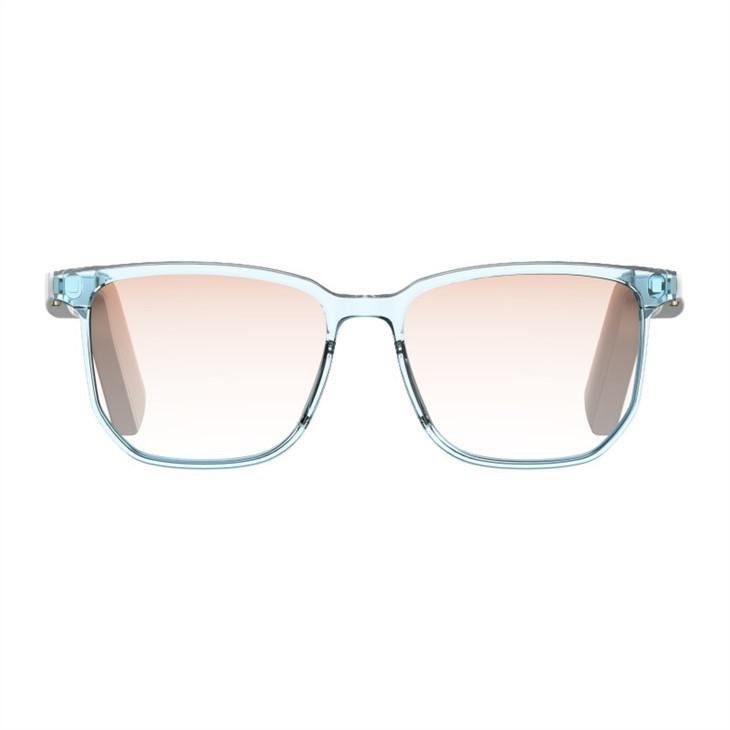
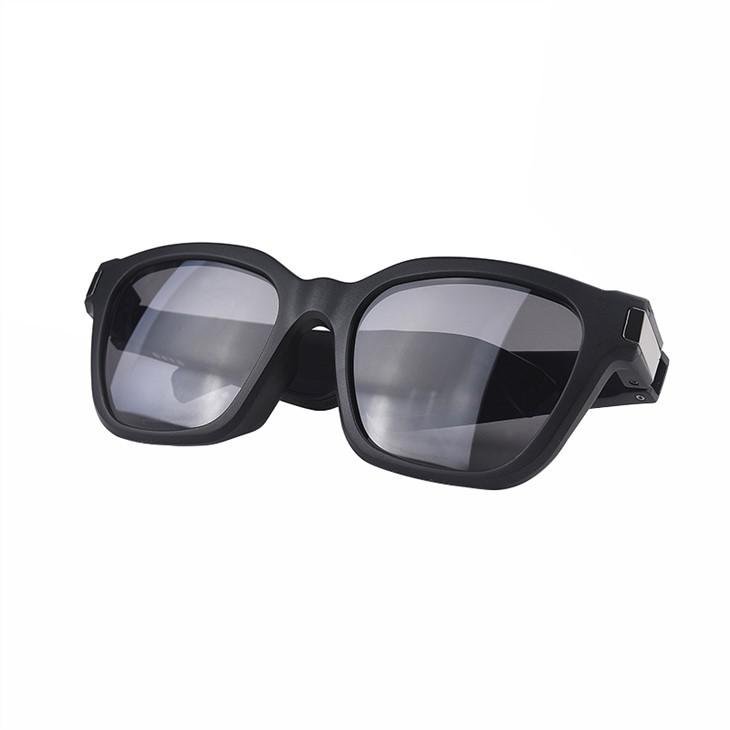
Sound quality ranks among the most critical considerations. Office environments present acoustic challenges including ambient noise from HVAC systems, conversations, and general workplace activity. The Voice Call Smart Glasses exemplify how directional audio technology can deliver clear voice transmission while minimizing background interference. Procurement specialists should request demonstration units to evaluate performance in conditions simulating their actual workplace environments.
Battery longevity directly impacts usability throughout a standard workday. Employees cannot afford devices that exhaust their charge during afternoon meetings or critical client calls. Look for products offering at minimum eight hours of continuous audio playback with moderate call usage. Charging infrastructure matters too—USB-C compatibility simplifies integration with existing workplace charging stations and reduces cable clutter at individual workstations.
Comfort and weight distribution determine whether employees will consistently use the devices. Frames weighing over 50 grams become noticeable during extended wear. Premium manufacturers utilize titanium components and balanced weight distribution to create glasses that feel natural throughout an eight-hour shift. Professional aesthetics matter equally—these devices represent the company in client meetings and collaborative sessions, so design should communicate competence and sophistication rather than novelty.
Connectivity compatibility ensures seamless integration with existing infrastructure. Bluetooth 5.0 or higher provides reliable pairing with laptops, tablets, and smartphones across major operating systems. Support for multiple device pairing allows employees to switch between their work laptop and personal phone without repeated synchronization procedures.
Transforming Workplace Communication
The video call has become the dominant communication medium in modern offices. Yet traditional setups require employees to position themselves before screens, limiting natural movement and eye contact during conversations. Smart glasses equipped with heads-up display capabilities allow workers to participate in video calls while maintaining posture and engagement with physical colleagues present in their immediate environment.
Consider the logistics coordinator managing multiple warehouse locations who must participate in daily video standups while simultaneously observing operations on their factory floor. Rather than choosing between virtual attendance and physical presence, smart glasses enable them to receive live updates through audio while keeping eyes on actual operations. This hybrid capability translates directly into operational efficiency and faster decision-making cycles.
Training and onboarding represent another high-value application. New employees absorbing extensive information during their first weeks benefit from having instructional audio playing directly through their glasses while their hands remain free to take notes, handle equipment, or navigate unfamiliar environments. Organizations implementing smart glasses as part of their onboarding technology stack report improved information retention and faster time-to-productivity for new hires.
Health and Wellness Considerations for All-Day Wear
Extended screen time has become a significant health concern in modern offices. Blue light exposure from monitors contributes to eye strain, headaches, and disrupted sleep patterns. Forward-thinking organizations now factor wellness features into their technology procurement decisions. Smart glasses with blue light filtering capabilities address this concern while maintaining the audio and communication features that define the product category.
The Office Anti-blue Glasses demonstrate how manufacturers integrate protective features without compromising industrial design. Employees can wear these devices throughout their workday knowing they receive protection alongside functionality. For organizations promoting employee wellbeing initiatives, smart glasses with built-in blue light filtering become natural ambassadors for corporate wellness programs.
Physical comfort during extended wear ties directly to employee adoption rates. Pressure points around the temples and nose bridge cause discomfort that accumulates throughout the day. Quality manufacturers address this through ergonomic design and material selection. Adjustable temple arms and nose pads allow customization to individual facial structures, reducing fatigue and increasing consistent usage across diverse workforces.
OEM and ODM Manufacturing Advantages
B2B buyers seeking to deploy smart glasses across their organizations face a critical strategic decision: white-label procurement from existing product lines or custom development through OEM partnerships. Each approach offers distinct advantages depending on organizational requirements, volume expectations, and timeline constraints.
White-label products provide faster time-to-market and lower initial investment thresholds. Buyers select from existing designs, often with options for logo customization and packaging modifications. This approach suits organizations piloting smart glasses programs with limited deployment scales or testing specific product categories before committing to larger investments.
OEM partnerships unlock deeper customization possibilities. Organizations can specify exact frame dimensions, button configurations, audio specifications, and software requirements. Chinese manufacturers with established engineering capabilities can produce devices matching precise corporate standards while leveraging their supply chain advantages for component procurement. The result often includes better pricing at scale combined with products that genuinely reflect brand values and user requirements.
Quality assurance protocols vary significantly across manufacturers. Reputable partners provide comprehensive testing documentation, certification compliance verification, and production transparency including facility audits. B2B buyers should demand references from similar enterprise clients, sample units for thorough evaluation, and clear communication channels for addressing production concerns before finalizing agreements.
Deployment Considerations for Enterprise Buyers
Scaling smart glasses deployment across an organization involves logistical challenges beyond typical technology procurement. Device management requires mobile device management (MDM) integration capabilities or dedicated software solutions for configuration, updates, and security monitoring. IT departments need visibility into fleet status including battery levels, connectivity health, and software version consistency.
Charging infrastructure planning often receives insufficient attention during procurement phases. Individual charging cases work adequately for small deployments but become unwieldy with hundreds of devices. Organizational buyers should evaluate bulk charging solutions that simplify logistics while protecting devices during storage. Workspace charging stations positioned strategically throughout facilities encourage consistent device usage by eliminating battery anxiety.
Employee training and change management strategies significantly influence adoption success. Simply providing devices without context results in low utilization rates and disappointing ROI. Effective organizations develop clear usage guidelines, highlight specific applications where smart glasses provide obvious advantages, and create feedback channels for employees to report issues and suggest improvements.
Market Trends Shaping Workplace Smart Glasses
The smart glasses market continues maturing with particular momentum in audio-focused devices that prioritize communication over display technology. This shift reflects practical workplace requirements where audio input and output deliver immediate value without the complexity and cost associated with augmented reality displays.
| Feature Category | Current Standard | Emerging Requirements |
|---|---|---|
| Battery Life | 6-8 hours | 10-12 hours with fast charging |
| Weight | 45-55 grams | Under 40 grams |
| Water Resistance | IPX4 splash resistant | IPX5 for active environments |
| Connectivity | Bluetooth 5.0 | Multi-device simultaneous pairing |
| Audio | Spatial audio | AI noise cancellation |
Manufacturing capacity in China continues expanding to meet growing global demand. Established facilities now produce components in-house including speaker drivers, PCBs, and injection-molded frames, reducing dependency on external suppliers and improving quality consistency. B2B buyers benefit from this consolidation through better pricing, more responsive production schedules, and enhanced ability to implement design modifications based on market feedback.
Building Your Smart Glasses Procurement Strategy
Organizations entering the smart glasses market for workplace applications should approach procurement systematically. Start with clearly defined use cases that justify investment and provide measurable success criteria. Pilot programs with limited deployments allow organizations to validate assumptions and build internal expertise before scaling. Partner selection requires evaluating manufacturing capabilities alongside communication responsiveness and willingness to accommodate reasonable customization requests.
Budget allocation should account for not just unit costs but total cost of ownership including accessories, replacement parts, management software, and employee training investments. The most economical device becomes expensive if it requires frequent replacement or generates excessive support requests due to reliability issues.
Timeline planning for enterprise deployments typically spans 3-6 months from initial vendor contact through initial rollout, with ongoing deployment continuing based on organizational adoption patterns. Building relationships with manufacturing partners early enables smoother scaling when additional units become necessary and creates priority access during supply constraints that periodically affect the electronics industry.
Partnering for Workplace Innovation
The return-to-office transition represents more than a temporary adjustment—it signals a fundamental reconsideration of how technology should serve workplace needs. Employees have experienced the convenience of wireless audio and hands-free communication during remote work periods and now expect similar capabilities in physical office environments. Smart glasses deliver exactly this capability while adding dimensions of functionality that traditional devices cannot match.
Manufacturers specializing in smart glasses OEM and ODM services understand the specific requirements driving enterprise adoption. From regulatory compliance across different markets to customization capabilities that align with corporate branding, experienced partners provide guidance that extends beyond simple transaction processing. Their expertise in navigating the intersection of consumer electronics technology and workplace requirements proves invaluable for organizations building smart glasses programs.
The organizations that position themselves now to address this emerging demand will establish competitive advantages in serving an evolving marketplace. Whether serving internal workforce needs or supplying products to enterprise clients, smart glasses represent a category with substantial growth potential and genuine utility for modern workplace environments.
Ready to explore smart glasses manufacturing partnerships for your organization? Our team connects B2B buyers with established factories capable of producing enterprise-quality devices at scales ranging from initial pilot quantities through full-market deployment. Request a consultation to discuss your specific requirements and discover how we can support your smart glasses initiative.
