
Posted At: Oct 19, 2026 - 370 Views

When sourcing smart glasses from China for the North American market, ETL certification isn't optional—it's essential. Distributors and brands that skip this critical step face product recalls, legal liability, and damaged reputations. Working with an ETL-certified smart glasses manufacturer eliminates these risks while accelerating your time to market.
Understanding the certification landscape helps you make informed sourcing decisions and communicate effectively with your manufacturing partner. This guide breaks down everything B2B buyers need to know about ETL certification for smart glasses and why product safety certification matters for your business.
What Exactly is ETL Certification?
ETL Certification, administered by Intertek Testing Services, is one of the most widely recognized product safety marks in North America. The ETL Listed mark indicates that a product has been tested against applicable safety standards and found to meet or exceed those requirements.
Unlike some certifications that require factory inspections, ETL certification focuses primarily on product testing. Manufacturers submit samples to accredited laboratories where technicians evaluate performance across multiple safety parameters. Passing these tests grants authorization to display the ETL mark on compliant products.
For smart glasses specifically, ETL certification verifies that the device meets electrical safety standards for battery charging systems, electromagnetic compatibility requirements, and optical safety thresholds. These specifications protect end-users from potential hazards while ensuring reliable performance.
Why B2B Buyers Should Prioritize ETL Certification
Retailers and distributors increasingly demand proof of safety certification before placing orders. Without ETL documentation, your product may be blocked from major retail channels, rejected by e-commerce platforms, or seized at customs. The certification also provides legal protection—if a safety issue arises, your ETL mark demonstrates that you followed industry-recognized safety protocols.
Consider the financial implications. A single product recall can cost hundreds of thousands of dollars in shipping, replacement, and administrative expenses—not to mention the customer trust you lose. ETL certification significantly reduces recall risk by ensuring your smart glasses meet established safety thresholds before they reach consumers.
Key Safety Standards for Smart Glasses
Smart glasses combine multiple technologies—wireless connectivity, rechargeable batteries, speakers, microphones, and sometimes displays. Each component introduces potential safety concerns that ETL testing addresses comprehensively.
Electrical Safety Requirements
The battery charging system represents the highest-risk component in smart glasses. ETL testing verifies that charging circuits prevent overcharging, short circuits, and thermal runaway. Your manufacturer should implement protection mechanisms that comply with UL 62368-1, the standard for audio/video and information technology equipment safety.
Testing also examines insulation resistance, dielectric strength, and ground continuity. These parameters ensure that electrical components cannot shock users under normal operation or fault conditions. For smart glasses with conductive frames touching the skin, these tests are particularly important.
Electromagnetic Compatibility (EMC)
Smart glasses emit electromagnetic energy through Bluetooth antennas and wireless charging coils. ETL certification confirms that emissions stay within FCC limits, preventing interference with other electronic devices. Equally important, the testing verifies that smart glasses remain immune to external electromagnetic interference that could cause malfunction.
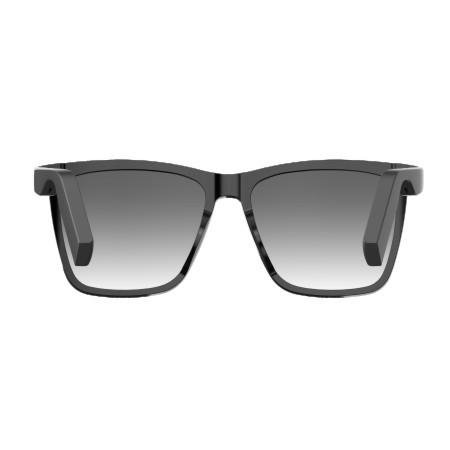
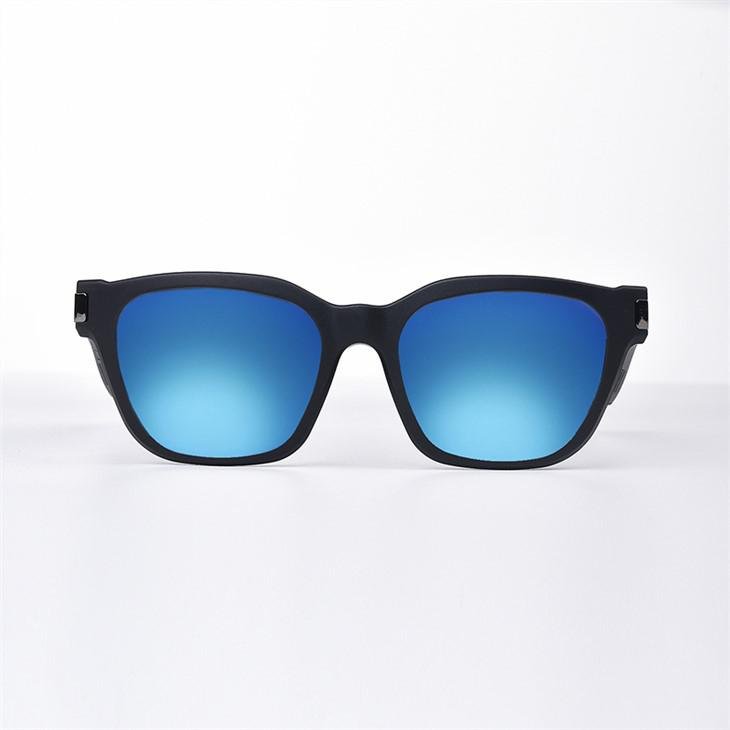
For B2B buyers, EMC compliance means your product won't disrupt customer's existing electronics—a scenario that generates negative reviews and returns. The Bluetooth-enabled smart sunglasses in your catalog must pass these emission and immunity tests to carry the ETL mark.
Optical and Display Safety
AR-enabled smart glasses and devices with embedded displays undergo additional optical safety testing. This evaluation ensures that light emissions don't damage users' eyes and that display brightness remains within safe limits. For any smart glasses model incorporating display technology, optical testing is mandatory for ETL certification.
The ETL Certification Process for Smart Glasses
Understanding the certification timeline helps you plan product launches and manage inventory. The process typically spans 6-12 weeks depending on product complexity and test results.
Step 1: Application and Documentation
Your manufacturing partner submits certification applications along with technical documentation. This includes circuit diagrams, battery specifications, component datasheets, and proposed test samples. Complete documentation prevents delays caused by missing information requests.
Step 2: Sample Submission and Testing
Representative samples reach an accredited ETL laboratory where technicians begin comprehensive testing. Multiple samples may be required to test different configurations or to accommodate destructive testing procedures. Reputable manufacturers maintain sample inventory specifically for certification testing.
Step 3: Factory Assessment
While not always mandatory for ETL listing, factory assessments verify that production processes consistently manufacture products matching the tested samples. This step protects against quality drift over time—a critical consideration for long-term supply relationships.
Step 4: Certification and Follow-Up Service
Products passing all tests receive ETL Listed status and authorization to use the ETL mark. Intertek conducts periodic follow-up inspections to ensure ongoing compliance. Your manufacturing partner should budget for these recurring assessments as part of the certification maintenance.
Comparing Certification Standards: ETL vs. CE vs. FCC
B2B buyers sourcing globally encounter multiple certification schemes. Understanding the distinctions helps you prioritize requirements for your target markets.
| Certification | Region | Primary Focus | Requirement Type |
|---|---|---|---|
| ETL Listed | North America | Product Safety | Mandatory for sale |
| CE Mark | European Union | Safety, Health, Environment | Mandatory for sale |
| FCC Part 15 | United States | EMC Emissions | Mandatory for sale |
| RoHS | EU/Global | Hazardous Substances | Market-dependent |
For North American market entry, you need both ETL certification and FCC compliance. These address different concerns—ETL covers electrical safety while FCC addresses electromagnetic emissions. Smart glasses entering the US market require both marks before retailers will consider stocking them.
Working with an ETL-Certified Smart Glasses Factory
Your manufacturing partner's certification experience directly impacts your product's compliance timeline and market success. When evaluating factories, ask specific questions about their certification track record.
How many smart glasses models have they certified? What was their first-pass success rate? Do they handle documentation preparation internally or require external consultants? These details reveal operational competency and help you assess potential collaboration friction.
A factory with established ETL experience understands common testing pitfalls and knows how to design products that pass on the first attempt. This expertise translates to faster timelines and lower development costs—benefits that flow directly to your bottom line.
Documentation management represents another critical capability. ETL certification requires maintaining technical files, test reports, and compliance records. Your manufacturer should offer organized documentation packages that simplify your own regulatory compliance efforts and support retail buyer requirements.
Beyond ETL: Additional Safety Considerations
While ETL certification addresses core electrical and electromagnetic safety, comprehensive product compliance may require additional testing. Battery safety certification under UN38.3 becomes relevant for air shipping. California Proposition 65 compliance matters if selling through major US retailers. IP ratings for water and dust resistance may be required depending on your product's intended use case.
Professional smart glasses manufacturers maintain compliance roadmaps that account for these layered requirements. During product development, they integrate compliance planning alongside technical design—ensuring the final product satisfies all applicable requirements without expensive redesigns or delayed timelines.
Making Certification Part of Your Sourcing Strategy
Savvy B2B buyers treat certification not as a checkbox but as a strategic advantage. Products carrying recognized safety marks sell faster, command premium positioning, and generate fewer customer complaints. The certification investment pays dividends throughout the product lifecycle.
When negotiating with manufacturers, request certification cost estimates upfront and clarify whether testing fees, documentation preparation, and follow-up inspections are included. Transparency here prevents surprise expenses and demonstrates that your potential partner understands compliance as a core business function rather than an afterthought.
Ready to Source ETL-Certified Smart Glasses?
Our factory maintains comprehensive ETL certification across multiple smart glasses product lines, giving you access to market-ready designs that satisfy North American safety requirements. We handle the entire certification process, from initial testing through documentation delivery, so you can focus on building your brand.
Whether you need open-ear audio smart glasses for fitness applications or premium Bluetooth calling eyewear for professional markets, our team provides the certification support that protects your business and accelerates your market entry.
Contact our sales team to discuss your certification requirements and receive a customized manufacturing proposal tailored to your product specifications and compliance timeline.
