
Posted At: Aug 07, 2026 - 17 Views

The global population is aging at an unprecedented rate. By 2050, the World Health Organization estimates that nearly 22% of the world's population will be over 60 years old. This demographic shift creates massive demand for innovative healthcare solutions, particularly in elder care monitoring. Smart glasses have emerged as a powerful tool in this space, offering discreet, continuous health monitoring that traditional devices simply cannot match.
For B2B buyers, distributors, and brands seeking manufacturing partners, understanding the potential of smart glasses for elder care represents a significant business opportunity. These devices combine advanced sensor technology with wearable convenience, creating products that elderly users can comfortably wear throughout their daily lives while providing caregivers and family members with peace of mind.
Why Smart Glasses Are Ideal for Elder Care Monitoring
Unlike smartphones or smartwatch-based monitoring systems that require active user engagement, smart glasses operate passively in the background. Elderly users often forget to wear or charge separate monitoring devices. Smart glasses integrate seamlessly into daily routines because people naturally wear glasses throughout the day.
The glasses form factor also addresses several common challenges in elder care technology adoption. Many elderly individuals resist wearing medical alert pendants or carrying emergency devices due to stigma or forgetfulness. Fashionable smart eyewear removes this psychological barrier while delivering sophisticated health monitoring capabilities.
Modern smart glasses designed for elder care monitoring incorporate multiple sensor arrays that capture valuable health data without requiring the user to perform any actions. The device continuously monitors vital signs, movement patterns, and environmental conditions, transmitting alerts when intervention may be needed.
Key Monitoring Features in Elder Care Smart Glasses
Vital Signs Tracking
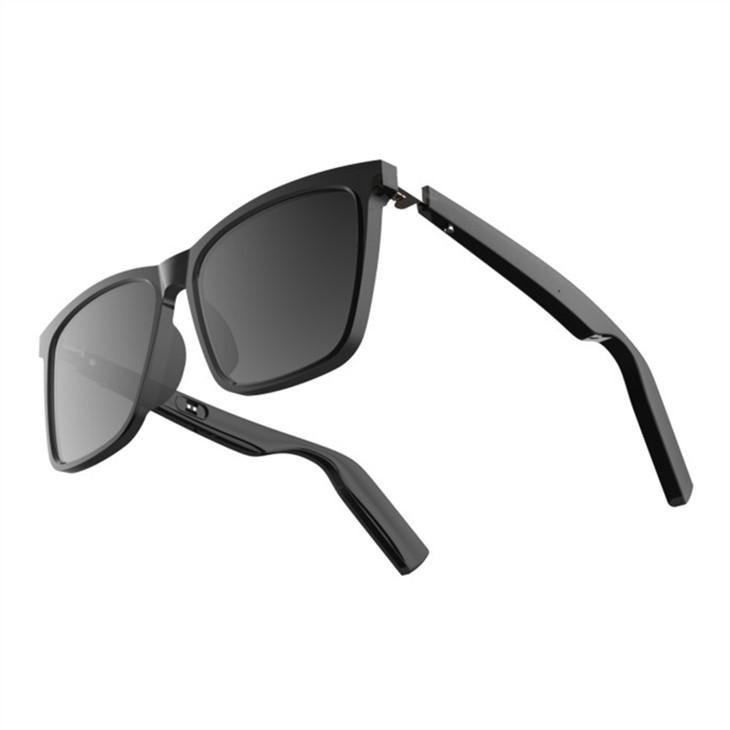
Advanced biometric sensors embedded in the frame temple measure heart rate, blood oxygen saturation, and body temperature continuously. These measurements occur through optical sensors that detect blood flow changes in the temporal artery. The data streams to connected smartphones or directly to healthcare provider systems, enabling remote monitoring of elderly patients living independently.
Fall Detection and Prevention
Falls represent the leading cause of injury-related deaths among elderly populations worldwide. Smart glasses equipped with accelerometer and gyroscope arrays can detect the characteristic motion signatures of a fall in real-time. When a fall is identified, the system automatically contacts designated emergency contacts or healthcare providers within seconds.
Beyond reactive fall detection, these devices also analyze gait patterns over time. Subtle changes in walking mechanics often predict increased fall risk before accidents occur. Caregivers receive alerts about these emerging risk factors, enabling proactive interventions such as physical therapy referrals or home safety modifications.
Medication Reminders and Adherence Tracking
Medication non-compliance causes thousands of preventable hospitalizations annually among elderly patients. Smart glasses for elder care can display gentle visual or audio reminders when it's time to take medications. The glasses can also log when medications are removed from a dispensing system, creating an adherence record that healthcare providers can review during consultations.
Environmental Awareness
Some smart glasses models include sensors that monitor environmental conditions relevant to elderly safety. UV exposure tracking helps protect users with photosensitive conditions or those taking medications that increase sun sensitivity. Temperature monitoring can alert caregivers if an elderly person has been in extreme heat or cold for extended periods, conditions that pose particular risks to older adults.
Connectivity and Data Integration
Modern elder care smart glasses leverage Bluetooth connectivity to sync with smartphones, enabling data transmission to cloud-based healthcare platforms. This connectivity allows family members to monitor their elderly loved ones through dedicated mobile applications while healthcare providers can access aggregated health data through professional portals.
Integration capabilities vary significantly between manufacturers. B2B buyers should evaluate whether potential manufacturing partners offer compatibility with major telehealth platforms, electronic health record systems, and senior living community management software. Products that offer open API access provide maximum flexibility for custom integration projects.
Market Opportunities for B2B Buyers
The elder care technology market is experiencing rapid growth, driven by several converging factors. The shrinking ratio of caregivers to elderly individuals means technology must fill gaps in care provision. Simultaneously, elderly consumers themselves demonstrate increasing comfort with technology adoption when solutions address genuine pain points.
Market segmentation reveals distinct opportunities across multiple channels. Healthcare systems and insurance providers increasingly cover remote patient monitoring technologies, creating institutional sales opportunities. Senior living communities seek technology solutions that improve resident safety while reducing staff workload. Direct-to-consumer channels through medical supply distributors and pharmacies offer additional growth vectors.
The global smart glasses market for healthcare applications is projected to grow substantially over the coming decade. B2B buyers positioning themselves early in this market segment can establish competitive advantages through manufacturing partnerships that deliver quality products at scale.
Manufacturing Considerations for OEM Partnerships
Sourcing smart glasses for elder care applications from Chinese manufacturers offers significant advantages in cost efficiency, technical capability, and production scalability. However, successful OEM partnerships require careful evaluation of several factors.
Regulatory Compliance
Medical and health monitoring devices face stringent regulatory requirements in most markets. B2B buyers must ensure manufacturing partners understand requirements for their target markets, whether FDA clearance in the United States, CE marking for European distribution, or equivalent certifications in Asia-Pacific regions. Experienced manufacturers maintain quality management systems certified to ISO 13485 standards for medical device production.
Sensor Accuracy and Calibration
Health monitoring functionality depends entirely on sensor accuracy. Manufacturing partners must demonstrate rigorous calibration processes that ensure vital sign measurements meet acceptable clinical standards. Look for manufacturers who invest in sensor technology partnerships with established biomedical component suppliers.
Battery Life and Power Management
Elderly users will not consistently charge monitoring devices that require frequent attention. Manufacturing partners should demonstrate expertise in power-efficient hardware design that delivers at least 16-24 hours of continuous monitoring between charges. This balance requires careful optimization of sensor sampling rates, data processing algorithms, and wireless transmission protocols.
Durability and User Experience
Products for elderly users must withstand daily use while remaining extremely easy to operate. Manufacturing quality controls should address frame durability, lens scratch resistance, and water resistance ratings appropriate for daily wear. User interface design should minimize complex interactions, relying instead on automatic monitoring with notification escalation only when necessary.
Customization Options for Brand Differentiation
Successful market positioning requires products that stand apart from generic offerings. Chinese smart glasses manufacturers increasingly offer comprehensive customization services that enable B2B buyers to develop distinctive products.
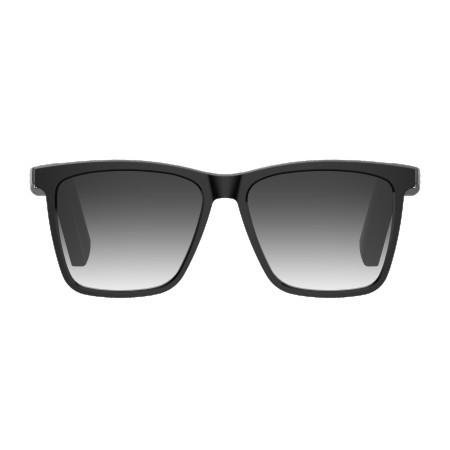
Frame styling options range from contemporary designs appealing to active seniors to more traditional silhouettes that encourage adoption among conservative user populations. Lens technologies can address specific needs, including blue light filtering for digital device users, progressive lens compatibility for presbyopia correction, or specialized tints for light-sensitive individuals.
Software customization extends brand differentiation into the user experience itself. Branded applications with custom interfaces strengthen consumer recognition while enabling feature sets tailored to specific use cases. Some manufacturers provide white-label software platforms that accepting partners can configure with their own branding and selected functionality.
Cost Structure and Pricing Considerations
Understanding the cost drivers for smart glasses manufacturing helps B2B buyers negotiate effectively and set appropriate retail pricing. Component costs represent the largest portion of product cost, with sensors, displays, processors, and batteries comprising 40-60% of total material expenses depending on feature complexity.
| Cost Component | Typical Percentage | Notes |
|---|---|---|
| Sensors & Components | 35-45% | Varies with monitoring complexity |
| Frame Materials | 10-15% | TR90, titanium, premium plastics |
| Assembly & Testing | 15-20% | Includes calibration and QC |
| Packaging & Logistics | 5-10% | Export-ready packaging |
| Certification & Compliance | 5-10% | Market-specific requirements |
Manufacturing volumes significantly impact per-unit pricing. B2B buyers entering this market should plan minimum order quantities that balance inventory risk against unit economics. Established manufacturers typically offer favorable pricing tiers at 1,000, 5,000, and 10,000+ unit volumes.
Quality Assurance and Testing Protocols
Products intended for elder care applications require rigorous quality assurance programs that go beyond standard consumer electronics testing. Manufacturing partners should demonstrate comprehensive testing protocols covering multiple domains.
Biometric accuracy validation requires comparison against medical-grade reference devices across diverse user populations. Sensor performance can vary based on skin tone, age-related physiological changes, and individual health conditions. Testing protocols should include representative elderly test subjects rather than relying solely on young adult cohorts.
Environmental testing addresses real-world usage conditions including temperature extremes, humidity variations, and physical stress from daily handling. Given that elderly users may have reduced grip strength or visual acuity, products must endure less careful handling than typical consumer electronics without degradation.
Software validation encompasses not only feature functionality but also edge cases and failure modes. What happens when connectivity is lost? How does the system behave when battery levels become critically low? Elder care applications demand exceptional reliability because lives may depend on consistent operation.
Building Your Elder Care Smart Glasses Product Line
The opportunity in elder care smart glasses extends beyond single product offerings. Successful B2B players often develop tiered product families addressing different market segments and price points.
Entry-level products might focus on essential fall detection and emergency notification, appealing to cost-conscious consumers or healthcare systems with limited budgets. Mid-tier offerings add vital sign monitoring and medication reminders for comprehensive daily health tracking. Premium tiers can incorporate advanced features like cognitive health assessments through speech analysis or predictive analytics using machine learning algorithms.
This tiered approach enables B2B buyers to address multiple distribution channels simultaneously. Consumer retail channels can emphasize lifestyle integration and ease of use. Healthcare system procurement processes often prioritize clinical validation and regulatory clearance documentation. Senior living communities seek solutions that integrate with existing operational systems while reducing liability exposure.
Partner with an Experienced Smart Glasses Manufacturer
Bringing elder care smart glasses to market requires manufacturing expertise that spans hardware engineering, biomedical sensor integration, regulatory affairs, and supply chain management. Selecting the right production partner dramatically influences product success and business profitability.
Look for manufacturers with demonstrated experience producing smart glasses across multiple application areas. Diverse product portfolios indicate manufacturing flexibility and design adaptability. Ask about specific elder care or medical device production experience, as these applications present unique challenges that general consumer electronics manufacturers may not fully understand.
Communication capabilities matter enormously in cross-border manufacturing relationships. Your manufacturing partner should provide dedicated account management with clear escalation paths for addressing production issues. Regular progress reporting, transparent cost accounting, and responsive problem resolution distinguish excellent manufacturing partners from merely adequate ones.
If you're ready to explore smart glasses manufacturing for elder care applications, our engineering team welcomes the opportunity to discuss your requirements. We provide comprehensive OEM and ODM services including product design customization, regulatory submission support, and scalable production capabilities. Share your specifications and timeline, and we'll respond with a detailed manufacturing proposal tailored to your market objectives.
