
Posted At: Aug 21, 2026 - 63 Views

The smartphone revolutionized how we interact with technology. For over a decade, these pocket-sized devices served as our primary gateway to digital information, social connections, and entertainment. Yet as we move deeper into the 2020s, a new category of wearable technology is stepping into the spotlight. Smart glasses are positioned to become the next dominant computing platform, fundamentally changing how businesses and consumers engage with the world around them.
Industry analysts project the smart glasses market will exceed $50 billion by 2030, driven by advances in display technology, battery efficiency, and artificial intelligence integration. For B2B buyers, distributors, and brands seeking competitive advantage, understanding this shift represents a critical strategic imperative.
Why Smart Glasses Are Replacing Traditional Interfaces
The limitations of smartphones are becoming increasingly apparent. Users must interrupt their activities to retrieve, unlock, and interact with a separate device. This friction creates opportunities for a more seamless experience. Smart glasses eliminate this barrier by presenting information directly within the user's field of vision.
Consider the practical applications across various industries. Warehouse workers can receive real-time inventory data without looking away from their tasks. Field technicians can access schematic diagrams while keeping both hands free for actual work. Healthcare professionals can view patient vitals during examinations without checking separate monitors.
The transition mirrors historical patterns in computing. Mainframes gave way to personal computers, which then ceded ground to laptops, followed by tablets and smartphones. Each shift brought computing closer to the user. Smart glasses represent the next logical step, placing digital information directly into our visual space.
Market Drivers Accelerating Adoption
Several converging factors are propelling smart glasses from niche product to mainstream platform status.
Display Technology Maturity: MicroLED and waveguide technologies have achieved brightness levels and form factors suitable for outdoor use. The latest generations of optical displays deliver crisp visuals while maintaining transparency, allowing users to see both digital content and their physical surroundings simultaneously.
Processing Power Advances: Mobile processors designed specifically for wearables now balance computational capability with energy efficiency. Edge AI processing enables features like real-time translation, object recognition, and voice commands without requiring constant cloud connectivity.
Consumer Familiarity: After years of exposure through products like Bluetooth audio glasses, consumers have grown accustomed to wearing technology on their faces. This comfort level reduces adoption barriers significantly.
Enterprise Demand: Large organizations across manufacturing, logistics, healthcare, and field services have piloted smart glasses programs with measurable productivity gains. These successful deployments are creating ripple effects throughout supply chains as competitors seek similar advantages.
The OEM/ODM Manufacturing Landscape
China has emerged as the global manufacturing hub for consumer electronics, and smart glasses are no exception. Partnering with experienced Bluetooth audio glasses manufacturers offers numerous advantages for brands entering this market.
Established Supply Chains: Component suppliers for displays, batteries, sensors, and optical elements are concentrated in Guangdong and surrounding provinces. This concentration enables rapid prototyping and efficient mass production.
Engineering Talent: Thousands of engineers specialize in acoustic engineering, optical design, and embedded systems development within the smart glasses manufacturing sector. Their expertise spans everything from miniature speaker integration to bone conduction technology.
Cost Efficiency: Manufacturing scale, labor expertise, and supplier relationships combine to deliver competitive pricing without sacrificing quality. B2B buyers can achieve favorable unit economics even at moderate production volumes.
Speed to Market: Turnkey manufacturing services enable brands to move from concept to commercial product within months rather than years. This agility proves invaluable in rapidly evolving markets.
Key Features B2B Buyers Should Prioritize
When evaluating smart glasses manufacturing partners, certain features warrant particular attention based on market demand and application requirements.
Audio Quality: Whether through open-ear speaker designs or bone conduction systems, audio remains central to most smart glasses experiences. Our smart audio glasses manufacturing capabilities demonstrate the sophisticated acoustic engineering modern products require.
Battery Life: Users expect all-day operation without frequent charging. Manufacturing processes that optimize power consumption while maintaining feature richness create products that earn daily use rather than gathering dust.
Comfort and Weight: Smart glasses must function as everyday wearables. Manufacturing expertise that minimizes weight distribution and ensures comfortable fit across diverse face shapes determines whether users keep the device on throughout their activities.
Durability: Consumer and enterprise environments subject smart glasses to conditions far more demanding than typical office settings. Water resistance, dust protection, and impact tolerance require careful design and manufacturing attention.
Product Categories Driving Market Growth
The smart glasses market spans several distinct product categories, each with unique appeal and manufacturing considerations.
Audio Glasses: Perhaps the most accessible entry point, audio glasses deliver music, calls, and voice assistant functionality through open-ear designs. Our Bluetooth call glasses exemplify how combining premium audio with everyday eyewear creates compelling products. The category has achieved significant traction among fitness enthusiasts, commuters, and professionals seeking alternatives to earbuds.
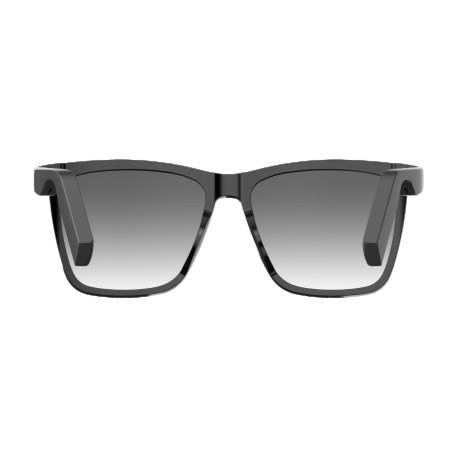
Smart Sunglasses: Combining sun protection with technology, smart sunglasses serve outdoor enthusiasts, drivers, and anyone spending significant time in bright conditions. The category includes outdoor music sunglasses for active users and polarized lens options with integrated audio systems.
Sports and Fitness Eyewear: Specialized products for running, cycling, and water sports incorporate features like GPS tracking, performance metrics, and hands-free communication. These demanding applications require ruggedized manufacturing and extended battery life.
Professional and Enterprise Wearables: Higher price points support advanced features including heads-up displays, camera systems, and specialized software integration. This segment offers attractive margins for brands targeting business customers.
Navigating Manufacturing Partnerships
Establishing successful OEM/ODM relationships requires attention to several operational considerations.
Minimum Order Quantities: Manufacturing partners typically require MOQs that align with their production economics. Understanding these requirements helps brands plan inventory and cash flow appropriately as they scale.
Customization Capabilities: Beyond branding and color options, true product differentiation may require deeper customization of features, packaging, or software experiences. Evaluating a manufacturer's flexibility early in discussions prevents constraints later.
Quality Assurance: Robust quality management systems protect brand reputation. Inquire about testing protocols, certifications, and failure rate track records when evaluating manufacturing partners.
Intellectual Property Protection: Reputable manufacturers understand that product designs represent valuable intellectual property. Clear contractual terms regarding confidentiality, ownership, and non-disclosure provide essential protection.
The Competitive Landscape for B2B Buyers
Brands entering the smart glasses market face both opportunity and urgency. First-mover advantages remain available in many segments, while established consumer electronics companies are investing heavily in wearable technology.
The window for establishing market position varies by category. Audio glasses have achieved relative market maturity, with established players competing on price and features. Smart sunglasses with advanced displays remain earlier in their growth trajectories, offering greater differentiation opportunities.
Geographic considerations also influence competitive dynamics. Markets in North America, Europe, and Asia-Pacific each present distinct regulatory environments, consumer preferences, and distribution channel requirements. Successful brands often develop region-specific strategies while leveraging common manufacturing platforms.
Future Outlook and Strategic Positioning
The trajectory toward smart glasses as a primary computing platform appears increasingly inevitable. Technology continues advancing on multiple fronts simultaneously: displays grow sharper and more efficient, AI capabilities expand, and form factors become more comfortable and fashionable.
For B2B buyers, distributors, and brands, the strategic question is no longer whether to participate in this market but how quickly and through which approach. Whether targeting mainstream consumers with accessible audio glasses or pursuing premium segments with advanced AR capabilities, manufacturing partnerships will prove essential to success.
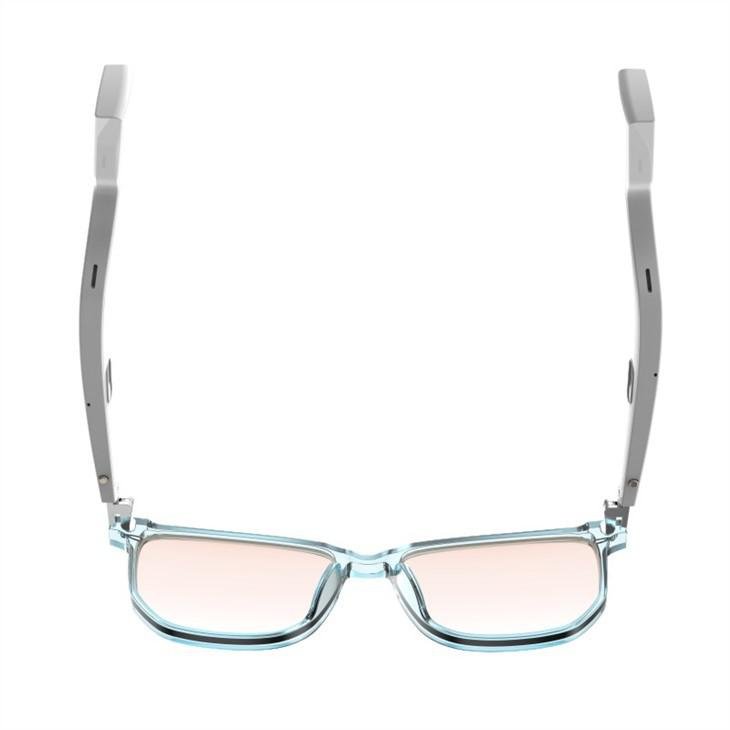
The post-smartphone era is emerging, and smart glasses stand at its forefront. Early positioning in this market offers meaningful advantages as adoption accelerates. Manufacturers with proven capabilities, flexible partnerships, and demonstrated quality standards will serve as essential partners for brands seeking to capture value in this transformation.
Our team at Smart Glasses Factory brings extensive experience developing and manufacturing smart eyewear for brands worldwide. From initial concept through mass production, we provide comprehensive OEM/ODM services tailored to your specific requirements. Whether you seek to customize existing product platforms or develop entirely new smart glasses solutions, our engineering teams collaborate closely with your brand to deliver products that meet your quality standards and market timelines.
Ready to explore smart glasses manufacturing for your brand? Connect with our business development team to discuss your project requirements, volume expectations, and customization needs. We're prepared to help you bring compelling smart glasses products to market.
