
Posted At: Sep 28, 2026 - 51 Views

The global smart eyewear market continues to expand as consumers seek seamless technology integration without compromising their well-being. Among the most significant advancements driving this growth is open-ear audio technology—a design approach that delivers sound directly to the ear canal without creating a seal or blocking ambient noise. For B2B buyers, distributors, and brands exploring smart glasses OEM opportunities, understanding this technology has become essential for making informed product decisions.
Traditional audio devices have long dominated the market, but their design philosophy prioritizes immersion over safety. Closed-back earbuds and over-ear headphones create isolation that, while effective for music enjoyment, introduces genuine health concerns. Open-ear audio technology flips this paradigm, offering a compelling alternative that aligns perfectly with the growing consumer demand for safer, more health-conscious wearable solutions.
What Is Open-Ear Audio Technology?
Open-ear audio, sometimes referred to as bone conduction or directional sound technology, transmits sound waves through the air without covering or inserting anything into the ear canal. Instead, these systems use carefully positioned speakers that project audio toward the ear while allowing external sounds to pass through naturally.
The fundamental principle behind open-ear design involves directional acoustic transmission. Sound drivers are positioned to create a focused beam that reaches the listener's ears while minimizing sound leakage to the surrounding environment. This approach achieves several objectives simultaneously: delivering clear audio, preserving situational awareness, and eliminating the discomfort associated with traditional in-ear devices.
Modern open-ear audio systems in smart glasses often combine multiple technologies. Some implementations use traditional air conduction through strategically placed speakers, while others incorporate bone conduction elements. The choice depends on specific use cases, form factor requirements, and audio quality targets. Regardless of the underlying mechanism, the shared characteristic is maintaining an unobstructed ear canal.
Why Safe Listening Design Matters for Your Product Line
Hearing damage represents one of the most common yet preventable health issues globally. The World Health Organization estimates that over 1.5 billion people worldwide experience some degree of hearing loss, with prolonged exposure to excessive volume being a leading contributing factor. Smart glasses equipped with open-ear audio technology directly address this concern through their fundamental design philosophy.
When users wear sealed earbuds at high volumes for extended periods, they inadvertently cause permanent damage to hair cells in the inner ear. Open-ear designs mitigate this risk by eliminating the occlusion effect—the phenomenon where blocked ears perceive artificially boosted bass frequencies, encouraging users to increase volume. With open-ear smart glasses, external sounds mix naturally with audio content, creating a safer listening environment that rarely exceeds safe volume thresholds.
Beyond hearing protection, open-ear technology supports cognitive well-being. Research consistently demonstrates that complete auditory isolation, while sometimes desirable, can reduce environmental awareness to dangerous levels. Pedestrians wearing sealed earbuds face significantly higher risks in traffic scenarios. Cyclists and runners encounter similar hazards. Smart glasses with open-ear audio allow users to enjoy music, podcasts, or navigation instructions while remaining fully aware of their surroundings.
Key Advantages for B2B Product Development
For companies sourcing smart glasses through OEM or ODM partnerships, open-ear audio technology offers distinct commercial advantages that extend beyond user safety.
Versatile Market Positioning
Products featuring open-ear audio appeal to diverse demographic groups. Fitness enthusiasts appreciate the ability to track workout audio without losing awareness of traffic or fellow athletes. Commuters value the convenience of navigation prompts without missing train announcements. Professionals benefit from hands-free calls that don't create the isolation associated with traditional headsets. This versatility enables brands to position open-ear smart glasses across multiple market segments without developing separate product lines.
Extended Wear Comfort
Comfort drives consumer adoption more than almost any other factor in wearable technology. Ear fatigue from prolonged sealed earbud use represents a significant complaint that open-ear designs effectively eliminate. The absence of pressure against ear canals means users can comfortably wear their smart glasses throughout entire workdays, travel journeys, or outdoor activities without experiencing discomfort.
Reduced Regulatory and Liability Concerns
As governments worldwide implement stricter regulations around audio device safety, particularly for products marketed to younger users, open-ear technology provides a proactive compliance strategy. Brands offering safer listening solutions reduce their exposure to potential liability issues while demonstrating commitment to user well-being—a powerful differentiator in an increasingly conscious marketplace.
Product Showcase: Open-Ear Smart Glasses Solutions
Manufacturers offering open-ear audio smart glasses have developed diverse designs to meet varying market demands. Here are prominent examples that showcase the technology's practical applications.
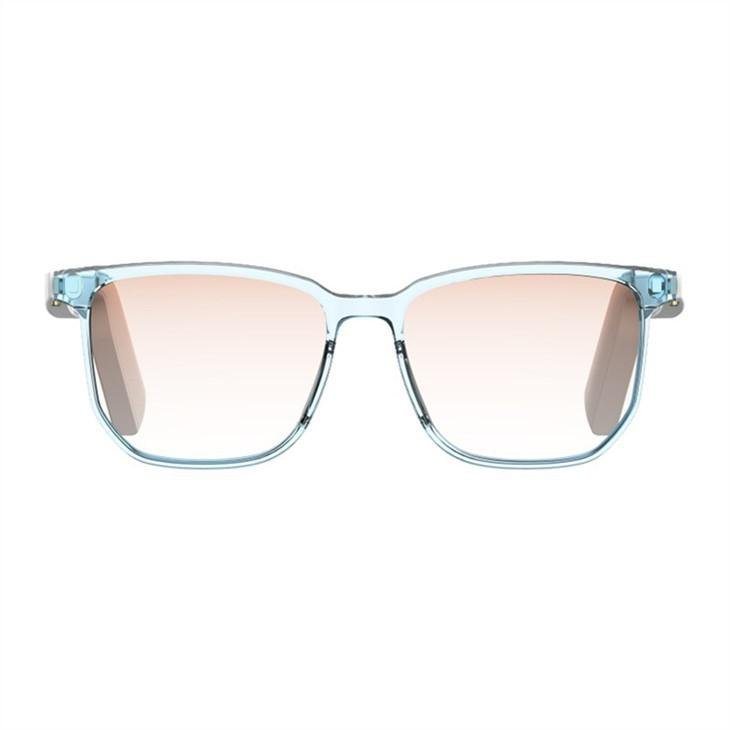
The Open Music Hands-free Call Smart Glasses exemplify practical open-ear implementation. These glasses combine directional audio speakers with built-in microphone arrays for clear voice communication. The design prioritizes everyday usability, featuring comfortable temple positioning and extended battery life. For brands targeting professionals or commuters, this product represents an accessible entry point into the open-ear smart glasses market.
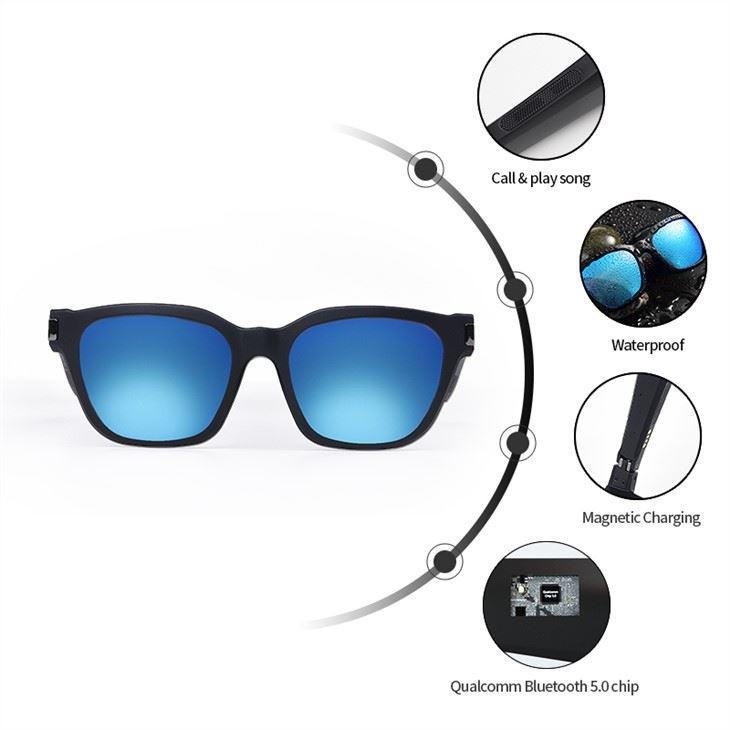
The Wireless Bluetooth Sunglasses demonstrate how open-ear audio integrates seamlessly with polarized lens technology. These glasses deliver music and calls while providing UV protection—ideal for outdoor enthusiasts who refuse to compromise between safety and entertainment. The combination of directional audio with premium optics creates a compelling dual-purpose device that justifies premium pricing.
Technical Specifications That Influence Buyer Decisions
When evaluating open-ear smart glasses for OEM procurement, certain technical parameters deserve careful attention. These specifications directly impact user experience, manufacturing costs, and market positioning.
| Feature | Budget Range | Mid-Tier | Premium |
|---|---|---|---|
| Driver Size | 10-12mm | 14-16mm | 18-20mm |
| Frequency Response | 200Hz-10kHz | 100Hz-15kHz | 20Hz-20kHz |
| Maximum SPL | 85dB | 90dB | 95dB |
| Sound Leakage | Moderate | Low | Minimal |
| Beamforming | Basic | Advanced | Adaptive AI |
| Bluetooth Version | 4.2 | 5.0-5.2 | 5.3+ |
Driver size and frequency response determine audio quality characteristics. Larger drivers generally produce richer bass response, while broader frequency coverage ensures accurate sound reproduction across music genres and voice frequencies. Sound leakage remains a critical consideration for products intended for public use—nobody wants their private conversations broadcast to nearby colleagues or fellow commuters.
Beamforming technology represents the technical frontier in open-ear audio. Advanced implementations use multiple speakers in phased array configurations to direct sound precisely toward the intended listener while minimizing dispersion. Some cutting-edge solutions incorporate AI algorithms that adapt beam direction based on head position, ensuring consistent audio delivery even during movement.
Manufacturing Considerations for Custom Open-Ear Products
B2B buyers exploring custom smart glasses development must consider several factors that influence production feasibility, cost structure, and time-to-market timelines.
Component integration complexity increases significantly with open-ear audio systems. The speaker positioning requires precise acoustic engineering to achieve optimal sound delivery without creating feedback loops or resonance issues. Frame geometry must accommodate speaker housings while maintaining the comfort and aesthetics consumers expect from modern eyewear. These requirements demand experienced engineering teams and sophisticated testing equipment.
Quality assurance protocols for open-ear audio products extend beyond standard smart glasses testing. Acoustic testing chambers, anechoic environments, and specialized measurement equipment ensure that directional audio performance meets design specifications. Production facilities must implement statistical process control to maintain consistency across manufacturing batches—a critical factor for brands building reputation on reliable product quality.
Supply chain considerations also influence open-ear product development. Directional speakers and beamforming components may require specialized suppliers beyond typical smart glasses component sources. Establishing relationships with qualified acoustic component manufacturers early in the development process prevents production delays and ensures stable pricing for volume manufacturing.
Market Trends Driving Open-Ear Technology Adoption
The smart wearables market demonstrates clear momentum toward open-ear audio solutions. Consumer awareness of hearing health has increased substantially, accelerated by pandemic-era remote work that exposed millions to prolonged headphone use. Post-pandemic behavior patterns show continued preference for safer audio alternatives that support active lifestyles.
Enterprise applications present significant growth opportunities for open-ear smart glasses. Logistics workers, warehouse operators, and field service technicians benefit from hands-free communication that maintains environmental awareness. Industrial safety regulations increasingly favor technologies that don't isolate workers from workplace hazards. Open-ear smart glasses position brands to capture this expanding B2B market segment.
Fitness technology integration represents another growth vector. Smart glasses manufacturers are incorporating fitness tracking sensors, GPS modules, and workout-specific features alongside open-ear audio systems. The combination addresses a substantial market of athletes seeking alternatives to traditional earbuds during training sessions.
Partnering With the Right OEM Manufacturer
Success in the open-ear smart glasses market depends heavily on manufacturing partner selection. The technical complexity of directional audio systems requires suppliers with demonstrated expertise in acoustic engineering, not merely assembly capabilities.
Evaluate potential partners based on their experience with audio-integrated wearables specifically. General-purpose electronics manufacturers may lack the specialized knowledge required to optimize open-ear audio performance. Request acoustic testing documentation, prototype evaluation processes, and quality metrics from previous audio-enabled product launches.
Intellectual property considerations also warrant attention. Ensure that manufacturing partners can provide documentation regarding audio technology licensing, component sourcing certifications, and compliance with relevant standards such as Bluetooth SIG qualification and regional safety regulations. Transparency in these areas prevents costly complications during product launch and international distribution.
Ready to explore open-ear audio smart glasses for your product line? Our engineering team specializes in custom OEM development for brands entering the smart eyewear market. Contact us today to discuss your specifications and discover how open-ear technology can differentiate your brand in the competitive wearables landscape.
