
Posted At: Apr 15, 2026 - 142 Views

The smart glasses industry continues to evolve at a remarkable pace, with materials innovation playing a pivotal role in shaping product differentiation. Among the various frame materials available, aluminum has emerged as a standout choice for manufacturers and brands seeking to deliver premium, modern smart eyewear. This article explores the advantages of aluminum smart glasses, their manufacturing processes, and why B2B buyers should consider aluminum as a primary material option for their smart glasses OEM partnerships in China.
Why Aluminum Dominates Premium Smart Glasses Design
Aluminum brings a unique combination of properties that make it exceptionally well-suited for smart glasses construction. The material offers an impressive strength-to-weight ratio, meaning manufacturers can create durable frames without excessive bulk. For smart glasses that need to accommodate electronics, batteries, and optical components, this weight efficiency proves invaluable.
Beyond structural benefits, aluminum provides exceptional corrosion resistance. Smart glasses face daily exposure to sweat, skin oils, environmental moisture, and temperature fluctuations. Aluminum naturally forms a protective oxide layer that prevents rust and degradation, ensuring longer product lifespans and reduced warranty claims for brands.
The thermal conductivity of aluminum also advantages smart glasses functionality. Electronic components generate heat during operation, and aluminum frames help dissipate this thermal energy more effectively than plastics or other metals. This characteristic supports longer continuous use periods and protects sensitive internal electronics from heat damage.
Manufacturing Processes for Aluminum Smart Glasses Frames
Chinese smart glasses manufacturers employ several sophisticated techniques to shape aluminum into precision eyewear components. CNC machining represents the most common method, where computer-controlled equipment carves frame components from solid aluminum billets. This process achieves tolerances measured in microns, ensuring perfect alignment for optical components and hinges.
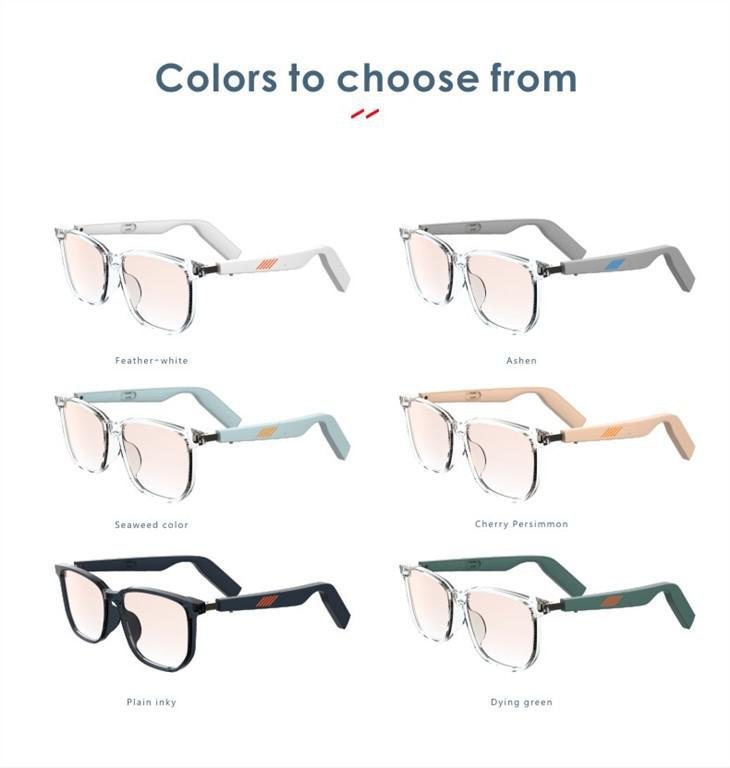
Anodizing treatment follows frame machining, creating a hardened oxide surface that accepts dyes in various colors while providing additional corrosion protection. B2B buyers can specify custom anodized finishes ranging from classic silver and black to vibrant hues that align with brand identities. The anodizing process also allows for laser engraving of serial numbers, brand logos, and regulatory markings directly into the aluminum surface.
Precision die-casting offers another manufacturing pathway, particularly for high-volume orders. This method injects molten aluminum into steel molds, producing thousands of identical frame components efficiently. Die-cast aluminum frames undergo post-processing including trimming, polishing, and anodizing to achieve final specifications.
Design Flexibility: Creating Distinctive Aluminum Smart Glasses
One of aluminum's most compelling attributes for smart glasses design lies in its remarkable formability. Designers can create sleek, minimalist silhouettes that appeal to contemporary consumers while maintaining the structural integrity required for smart components. The material bends gracefully under controlled pressure, enabling curved temples that comfortably wrap around users' heads.
Aluminum frames accommodate various smart glasses form factors, from traditional eyeglass silhouettes to wraparound sport designs. Manufacturers can machine complex geometries including integrated charging contacts, speaker recesses, and wire channels within the frame structure. This design freedom allows brands to differentiate their offerings in a crowded market.
The material pairs excellently with other premium components. Glass or polycarbonate lenses mount securely to aluminum frames using precision-engineered mounts. Premium hinges, often constructed from stainless steel or titanium, attach seamlessly to aluminum temples. These material combinations create luxurious feel and superior durability that justifies premium pricing.
Comparing Frame Materials for Smart Glasses Production
When selecting materials for smart glasses manufacturing, B2B buyers must weigh multiple factors including cost, weight, durability, and consumer perception. The following comparison highlights aluminum against common alternatives:
| Material | Weight | Durability | Premium Feel | Cost Index | Manufacturing Complexity |
|---|---|---|---|---|---|
| Aluminum | Low-Medium | Excellent | High | Medium | Medium |
| Titanium | Very Low | Outstanding | Premium+ | High | High |
| Stainless Steel | High | Excellent | High | Medium-High | Medium |
| Acetate Plastic | Medium | Good | Medium-High | Low | Low |
| TR-90 Nylon | Low | Good | Medium | Low | Low |
Aluminum strikes an optimal balance for brands targeting the upper-mid market segment. It delivers premium perception without the extreme costs associated with titanium, while offering superior durability compared to plastics. For smart glasses specifically, aluminum's electromagnetic transparency presents an additional advantage, as it does not interfere with wireless signals the way some metals might.
Integrating Electronics in Aluminum Smart Glasses
Smart glasses require careful electronic integration that influences material selection decisions. Aluminum frames provide excellent grounding properties, helping manage electromagnetic interference from internal components. The material accepts conductive coatings if specific shielding requirements arise, offering flexibility for various electronic configurations.
Battery compartments fit naturally within aluminum frame geometry. Manufacturers typically position lithium-polymer batteries within temple arms, where aluminum surrounds provide physical protection while conducting heat away from the power source. The frame's hollow sections accommodate wiring runs connecting batteries to displays, speakers, sensors, and touch controls.
Charging interfaces integrate seamlessly with aluminum construction. Some manufacturers embed inductive charging coils within the frame, enabling wireless charging without exposed ports. Others install USB-C or proprietary connectors directly into machined aluminum surfaces, creating weather-resistant connection points that maintain the frame's sleek appearance.
Supply Chain Considerations for Aluminum Smart Glasses OEM
B2B buyers partnering with Chinese manufacturers benefit from established aluminum supply chains. High-grade aluminum alloys specifically formulated for precision manufacturing ensure consistent quality across production runs. Leading manufacturers source materials from certified suppliers, maintaining traceability from raw aluminum through finished frames.
Quality control protocols for aluminum smart glasses encompass multiple stages. Incoming material inspection verifies alloy composition and structural integrity. In-process monitoring during machining ensures dimensions remain within specified tolerances. Post-production testing includes hinge cycle testing, frame flexibility assessments, and finish adhesion verification.
Production timelines for aluminum smart glasses typically run longer than plastic alternatives due to machining requirements. B2B buyers should anticipate 8-12 weeks from design finalization to first article delivery, with subsequent production runs requiring 4-6 weeks depending on order volume. This extended timeline rewards careful pre-production planning with superior product quality.
Market Positioning: Premium Segments Favor Aluminum
Consumer research consistently indicates that material quality significantly influences purchase decisions for smart eyewear. Aluminum frames command premium positioning in the market, supporting higher retail price points and healthy margins for distributors and retailers. Brands can justify premium pricing based on material authenticity and manufacturing sophistication.
The professional and enterprise segment demonstrates particular affinity for aluminum smart glasses. Business users appreciate the sophisticated appearance that aluminum provides, finding these devices appropriate for professional settings where plastic alternatives might seem underdressed. Corporate buyers often specify aluminum construction in procurement requirements for company-issued smart eyewear.
Fashion-conscious consumers also gravitate toward aluminum frames. The material's ability to accept precise machining creates sharp, defined edges that plastic frames cannot replicate. Brands targeting fashion-conscious demographics consistently report stronger sales with aluminum-framed models compared to equivalent plastic versions.
Partnering with Chinese Smart Glasses Manufacturers
China's smart glasses manufacturing sector has matured significantly, with facilities now capable of producing world-class aluminum smart eyewear. When evaluating potential OEM partners, B2B buyers should assess manufacturing capabilities including CNC equipment specifications, anodizing facility capacity, and quality management system certifications such as ISO 9001.
Design collaboration represents another important consideration. Leading manufacturers employ engineering teams that work alongside brand designers to optimize designs for production. This collaborative approach identifies potential manufacturing challenges early, reducing costly design revisions during production. Manufacturers familiar with aluminum processing can suggest design modifications that improve durability or reduce costs without compromising aesthetics.
Intellectual property protection deserves careful attention when partnering internationally. Reputable manufacturers implement strict confidentiality protocols, compartmentalizing access to design files and maintaining secure facility environments. B2B buyers should verify that prospective partners sign comprehensive non-disclosure agreements and demonstrate documented practices for protecting client intellectual property.
Customization Options for Aluminum Smart Glasses
Aluminum construction supports extensive customization possibilities for brands seeking unique market positioning. Beyond standard color anodizing, manufacturers offer specialized finishes including brushed aluminum, mirror polishing, and matte textures. These finish variations create distinct visual identities without requiring expensive tooling changes.
Laser engraving capabilities allow brands to add serial numbers, model designations, or decorative patterns directly into aluminum surfaces. This permanent marking proves particularly valuable for limited edition releases or enterprise deployments requiring asset tracking. The engraving process accepts various font styles and graphic formats, providing creative flexibility.
Modular design approaches work well with aluminum construction, enabling interchangeable components such as temples, nose pads, and lens frames. Brands can develop accessory ecosystems where users customize fit and function while maintaining consistent branding across the product line. This modularity also simplifies repairs, potentially extending product lifespan and reducing environmental impact.
Future Trends in Aluminum Smart Glasses Manufacturing
Emerging manufacturing techniques continue expanding possibilities for aluminum smart glasses. Advanced CNC machining now achieves surface finishes that approach polished metal quality directly from the machine, reducing secondary processing requirements. Multi-axis machining centers create increasingly complex geometries previously impossible with conventional equipment.
Sustainability initiatives influence aluminum smart glasses production increasingly. Aluminum's infinite recyclability aligns perfectly with circular economy principles. Leading manufacturers implement recycling programs for production scrap, and some facilities utilize recycled aluminum feedstock alongside virgin material. Brands emphasizing sustainability in their positioning can highlight these environmental attributes.
Material innovations also emerge, with aluminum alloys specifically developed for eyewear applications offering improved strength and fatigue resistance. These specialized alloys withstand the repeated flexing that smart glasses experience during daily use, potentially enabling thinner, lighter frames without sacrificing durability. B2B buyers should discuss material options with manufacturing partners to access the latest developments.
Making the Right Material Choice for Your Smart Glasses Line
Selecting frame material represents one of the most consequential decisions in smart glasses product development. Aluminum offers a compelling combination of premium aesthetics, structural integrity, and manufacturing maturity that suits diverse market requirements. The material's proven track record across consumer electronics and traditional eyewear industries provides confidence for new smart glasses ventures.
B2B buyers should evaluate their specific requirements when considering aluminum versus alternatives. Target retail price point, desired product positioning, volume projections, and timeline constraints all influence the optimal material selection. Consulting with experienced manufacturers early in the planning process helps clarify these trade-offs and identifies the most suitable approach for each brand's circumstances.
The smart glasses market continues presenting substantial growth opportunities for brands that execute effectively. Aluminum construction provides a foundation for premium products that satisfy demanding consumers while supporting healthy margins throughout the distribution channel. Partners with established manufacturing capabilities can accelerate time-to-market while ensuring quality standards that protect brand reputation.
Ready to explore aluminum smart glasses manufacturing for your brand? Our engineering team welcomes discussions about your product requirements, volume projections, and timeline expectations. We provide detailed quotations based on complete specifications, and our prototyping services enable hands-on evaluation before committing to production orders.
