
Posted At: Oct 27, 2026 - 97 Views

The question on every tech investor and B2B buyer's mind is clear: can smart glasses replace smartphones within the next decade? The wearable technology market has evolved rapidly, and manufacturers are pushing boundaries that once seemed impossible. Understanding this shift matters significantly for businesses looking to enter the smart glasses market or expand their product portfolios with cutting-edge technology.
The Evolution of Smart Glasses Technology
Smart glasses have transformed from clunky prototypes into sleek, functional devices that millions of consumers now use daily. The journey from early conceptual designs to today's sophisticated models represents one of the most remarkable technological advancements in recent memory. Manufacturing capabilities in China have played a crucial role in making these devices accessible to global markets.
Today's smart glasses incorporate advanced features that were science fiction just fifteen years ago. Display technology has become sophisticated enough to overlay digital information onto the physical world seamlessly. Battery efficiency has improved dramatically while processing power continues to shrink in physical size. These improvements have created the foundation for devices that genuinely challenge traditional smartphone interfaces.
The market has responded with increasing demand across multiple sectors. Healthcare professionals use smart glasses for hands-free patient data access. Logistics companies have integrated these devices into warehouse operations. Security teams rely on facial recognition capabilities built directly into eyewear. Each application demonstrates that the technology has matured beyond novelty status.
Current Capabilities: Where Smart Glasses Stand Today
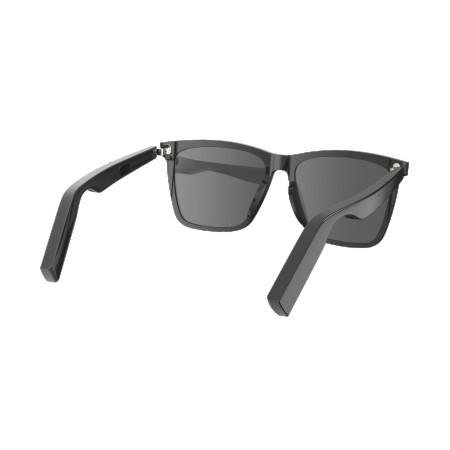
Modern smart glasses like the Android Fashion Bluetooth Smart Glasses demonstrate how far manufacturing has come in creating stylish yet functional devices. These glasses combine fashion aesthetics with practical technology that consumers actually want to wear publicly. The stigma of wearing obvious tech has largely disappeared in premium product categories.
Current-generation smart glasses excel in several key areas. Voice command systems have become remarkably accurate, enabling truly hands-free operation. Audio capabilities rival traditional earbuds, with open-ear designs delivering clear sound without blocking environmental awareness. Touch controls on temples have refined to provide intuitive interaction without drawing attention. These features collectively reduce the friction that previously made smartphone interfaces feel more practical.
Communication and Productivity Features
The communication capabilities of modern smart glasses have expanded significantly beyond simple audio playback. Devices now support full phone call functionality through bone conduction or directional speakers, meaning users can take calls without isolating themselves from their surroundings. Messaging applications have developed voice-to-text functionality that allows composing messages through natural speech patterns.
For business professionals, the productivity implications are substantial. Imagine receiving navigation instructions while keeping both hands on a steering wheel or following a recipe while your hands are covered in flour. Smart glasses eliminate the constant need to look down at a phone screen, maintaining focus on the task at hand while staying connected to digital information streams.
The Bluetooth Office Glasses represent another important category for professional users. These devices combine computer screen protection with smart functionality, making them ideal for the significant portion of the workday spent in front of monitors. The market for workplace-focused smart eyewear continues to grow as companies recognize the importance of protecting employee eye health while maintaining productivity.
Where Smartphones Still Dominate
Despite impressive advancements, smartphones retain significant advantages that keep them irreplaceable for many use cases. Display size remains the most obvious limitation. No matter how sophisticated augmented reality becomes, a screen measuring several inches on the diagonal will always provide more viewing area than glasses-based projections. For watching videos, reading detailed documents, or browsing image-heavy content, phones maintain their superior utility.
Input methods also favor traditional smartphones in certain scenarios. While voice commands work well for many tasks, typing remains faster and more precise for longer text entries. The tactile feedback of physical keyboards and touchscreens provides accuracy that gesture controls cannot fully replicate. Gaming, which represents a massive smartphone usage category, requires input precision that glasses-based interfaces struggle to match.
Camera technology in smartphones continues to advance at a pace that smart glasses manufacturers struggle to match. While glasses can capture POV footage effectively, the sophisticated multi-lens systems in flagship smartphones produce superior photographs in most conditions. Content creators who rely on high-quality imagery still prefer traditional camera hardware for serious work.
Battery Life and Processing Power
Power constraints present another fundamental limitation. Smartphones can house significantly larger batteries given their larger form factor. A device worn on your face all day must balance weight, comfort, and battery capacity in ways that pocket-sized devices never need to consider. Current smart glasses typically offer between four and eight hours of active use, compared to the twelve-plus hours that modern smartphones routinely achieve.
Processing capabilities also differ substantially. Phones can accommodate more powerful processors without the same thermal and size constraints that eyewear faces. While cloud computing and edge processing are helping narrow this gap, there remain computational tasks where smartphones simply perform better than their wearable counterparts.
The Manufacturing Perspective: Why China Leads Smart Glasses Production
Understanding the production landscape matters for B2B buyers evaluating smart glasses for their portfolios. China has established itself as the dominant force in smart glasses manufacturing, with facilities that combine experience, scale, and technical expertise that simply cannot be replicated elsewhere quickly. The supply chain infrastructure supporting this industry has matured over decades of electronics manufacturing.
OEM and ODM manufacturing options in China provide flexibility for businesses of all sizes. Whether you need a few thousand units for a niche market test or hundreds of thousands for global distribution, Chinese manufacturers can scale production accordingly. Quality control standards at established facilities rival any in the world, addressing concerns that some buyers might have about manufacturing location.
The component ecosystem in China deserves particular attention. Display manufacturers, optical companies, battery suppliers, and chip fabricators have all invested heavily in smart glasses-specific production capabilities. This vertical integration allows manufacturers to source components locally, reducing costs and lead times while maintaining quality standards.
Market Projections and Industry Trends
Industry analysts project continued explosive growth in the smart glasses market. Consumer adoption is accelerating as prices decline and functionality improves. Enterprise adoption, which often leads consumer trends in professional hardware, has already demonstrated strong ROI in industries ranging from healthcare to field service. The business case for smart glasses deployment continues strengthening as use cases multiply.
| Year | Global Smart Glasses Market Value (USD) | Year-over-Year Growth |
|---|---|---|
| 2024 | $8.5 Billion | 27% |
| 2025 | $11.2 Billion | 32% |
| 2026 | $15.8 Billion | 41% |
| 2027 | $21.3 Billion | 35% |
These projections suggest that smart glasses will capture an increasingly significant share of the wearable technology market. For B2B buyers, the question shifts from whether smart glasses will become mainstream to how quickly your business needs to establish position in this growing category.
The Convergence Hypothesis: Coexistence Rather Than Replacement
The most likely near-term scenario is not replacement but convergence. Smartphones will continue serving as the primary personal computing device for most users, while smart glasses supplement and enhance that experience. The relationship between these device categories may resemble how tablets and laptops coexist rather than how one replaced the other.
Integration between devices is already improving. Notifications from phones can flow seamlessly to glasses. Calls can transfer between devices based on context. Data synchronization means that users can switch between interfaces without friction. This ecosystem approach benefits consumers while creating opportunities for manufacturers who can serve multiple product categories.
Certain use cases will inevitably shift from phones to glasses as the technology matures. Navigation, audio consumption, quick information lookups, and communication represent categories where glasses already provide superior experiences. As display technology continues improving, additional use cases will migrate toward the wearable format.
Strategic Considerations for B2B Buyers
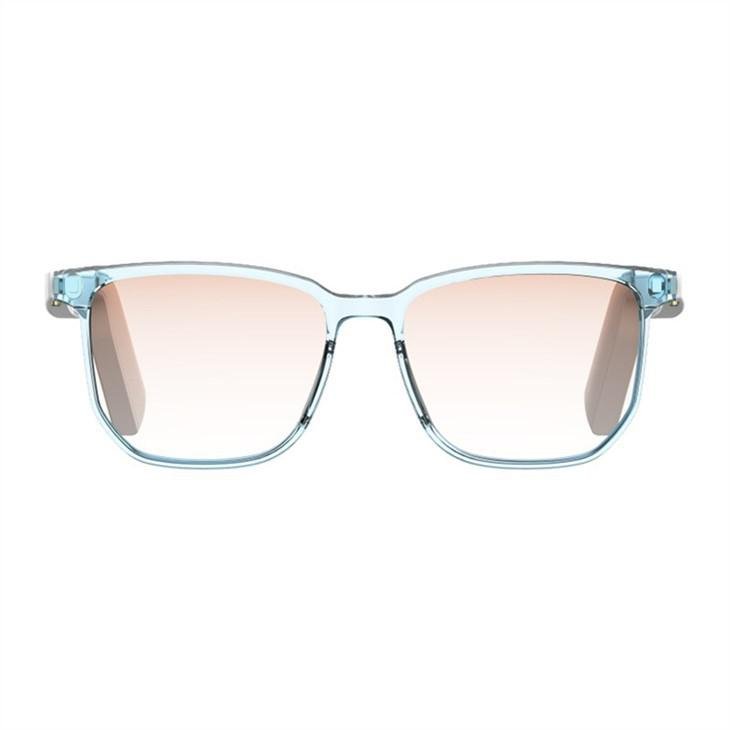
For distributors, brands, and businesses evaluating smart glasses for their offerings, several strategic considerations merit attention. Product positioning matters significantly. Understanding whether your target market wants fashion-forward designs like the Smart Fashion Music Sunglasses or functional tools for specific industries will shape manufacturing partnerships and marketing approaches.
Volume projections should drive manufacturing strategy. Lower volume requirements may favor ODM models where products are customized rather than created from scratch. Higher volumes open opportunities for more distinctive products with custom tooling and unique features. Both approaches have merit depending on competitive positioning and market timing.
Regulatory compliance varies by target market and product category. Blue light filtering capabilities, like those found in Office Anti-blue Glasses, may provide marketing advantages in markets where eye health concerns drive purchasing decisions. Understanding the specific priorities of your target customers helps inform product development priorities.
The Path Forward: When Might Full Replacement Occur?
If the question is whether smart glasses will eventually replace smartphones entirely, honest analysis suggests a timeline measured in decades rather than years. The technological hurdles remaining include creating truly unnoticeable displays, achieving multi-day battery life, and developing input methods that match touchscreen precision. Each represents a significant engineering challenge that cannot be solved through incremental improvement alone.
However, the trajectory is clear. Each generation of smart glasses closes the gap with traditional smartphones in meaningful ways. Fashion concerns have largely been addressed. Core functionality has matured. Manufacturing costs have declined to levels supporting mass market adoption. The remaining barriers are solvable, and the companies working on these challenges are investing billions of dollars in finding solutions.
The transition, when it comes, will likely follow patterns we have seen before. Early adopters will embrace the technology first. Enterprise users will find compelling professional applications. As the technology proves its value in these segments, mainstream consumer adoption will follow. The companies positioned to capture value in this transition will be those who establish manufacturing capabilities and market presence today.
Making the Right Manufacturing Partnership
Whether smart glasses ultimately replace smartphones or carve out their own distinct market category, the opportunity for B2B buyers is substantial. Working with experienced manufacturers who understand both the technical and business requirements of this market becomes essential for success. The complexity of smart glasses production demands partners with demonstrated expertise rather than general-purpose electronics manufacturers.
Quality assurance processes deserve particular scrutiny when evaluating potential partners. Smart glasses combine multiple technologies including optics, electronics, batteries, and audio systems. Each component category has its own quality requirements and failure modes. Manufacturing partners must have robust testing protocols that address the unique challenges of eyewear electronics.
Looking for manufacturers who offer flexible engagement models makes sense for businesses at different stages of market entry. Whether you need comprehensive OEM services covering design through delivery or ODM options leveraging existing platforms, finding a partner whose capabilities match your specific requirements accelerates time to market while reducing development risk.
The smart glasses market is maturing rapidly, and the window for establishing competitive position is narrowing. Businesses that delay entry waiting for perfect clarity on whether glasses will replace phones may find themselves at a disadvantage as early movers capture market share and establish brand recognition. The technology is ready now, and manufacturing partners exist to help you bring products to market efficiently.
If your business is ready to explore smart glasses manufacturing opportunities, connecting with experienced partners who can guide your product development journey represents the logical next step. The technology has arrived, the market is growing, and the opportunity for businesses positioned to serve this demand is significant.
