
Posted At: Oct 05, 2026 - 9 Views

The demand for lightweight AR glasses has skyrocketed as enterprises and consumers alike seek hands-free computing experiences. Yet behind every sleek pair of AR glasses lies a complex web of engineering decisions that determine whether the device succeeds or fails in the market. For brands and distributors sourcing smart glasses with wireless connectivity, understanding these challenges helps make informed decisions about product development and manufacturing partnerships.
Manufacturers face an unforgiving paradox: users expect powerful computing capabilities comparable to smartphones, yet they want these features packed into a frame that feels as light as ordinary eyeglasses. Balancing these competing requirements has become the central challenge of AR glasses development today.
The Weight Problem: Why Every Gram Counts
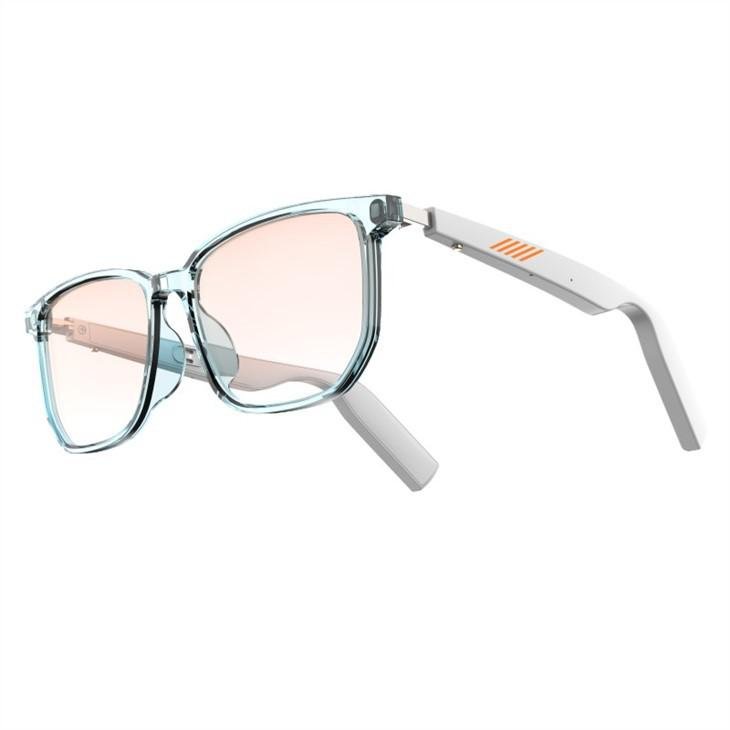
Traditional AR headsets like early enterprise models tipped the scales at 500 grams or more, causing user fatigue within minutes of wear. Modern lightweight designs aim for under 50 grams total weight, but achieving this without sacrificing functionality requires rethinking every component from the ground up.
Weight distribution plays a critical role in user comfort. When the center of mass sits too far forward, the glasses slide down the nose constantly. When it shifts backward, they lift away from the face. The ideal solution positions mass close to the temple area while maintaining a balanced front-to-back distribution.
OEM manufacturers employ several strategies to reduce weight:
- Replacing traditional plastics with carbon fiber composites and magnesium alloys
- Integrating multiple circuit components into single silicon packages
- Using titanium hinges and memory wire for durability without bulk
- Selecting micro-display technologies that weigh a fraction of traditional screens
Thermal Management: The Invisible Engineering Battle
Heat dissipation represents one of the most overlooked yet critical challenges in AR glasses design. Processors, displays, and batteries all generate heat during operation. In traditional electronics, fans and large heatsinks handle thermal management. In lightweight AR glasses, these solutions simply won't fit.
When heat accumulates near the temples or forehead, users experience discomfort within minutes. Prolonged thermal buildup can also damage sensitive optical components and reduce battery efficiency. The engineering solution must manage heat silently and efficiently without adding significant weight or bulk.
Modern approaches include graphite thermal spreaders that distribute heat across larger surface areas, phase-change materials that absorb thermal peaks, and strategic component placement that routes heat away from the face. Some manufacturers have developed passive cooling systems using aluminum-nickel alloy heat pipes that weigh less than two grams yet effectively manage processor thermal loads.
Display Integration: Optical Engineering at Scale
The optical system determines both the quality of the AR experience and contributes significantly to weight. Waveguide-based displays, which guide light from micro-displays to the eye using microscopic gratings, have become the industry standard for transparent AR overlays. However, traditional waveguide assemblies add considerable weight and expense.
New manufacturing techniques are changing this equation. Injection-molded plastic waveguides reduce weight by 60% compared to glass versions while maintaining optical clarity. Multi-layer waveguide stacking enables full-color displays without proportional weight increases.
MicroLED technology is emerging as a game-changer for lightweight designs. These displays offer higher brightness than OLED alternatives while consuming less power and generating less heat. The reduced power requirements translate directly into smaller, lighter batteries.
Power and Battery Engineering
Battery technology remains the heaviest single component in most wireless electronic devices. For AR glasses targeting all-day wear, manufacturers must balance capacity against weight while maintaining reasonable charge times.
Current lightweight designs typically incorporate custom-shaped lithium-polymer batteries that conform to frame geometry. These curved battery packs often sit within the temples, utilizing space that would otherwise remain empty. Despite their small form factor, advances in energy density now enable 8-12 hours of mixed use on a single charge.
Power management integrated circuits optimized for wearable applications help extend battery life by dynamically adjusting processor speeds and display brightness based on content. Some manufacturers have implemented always-on contextual awareness modes that consume mere milliwatts while maintaining core sensor functionality.
Material Selection: Strength Without Weight
The frame material directly impacts both comfort and durability. Consumers expect AR glasses to survive daily wear, accidental drops, and exposure to sweat and cosmetics. Manufacturers must select materials that withstand these rigors while remaining lightweight.
| Material | Weight | Durability | Cost | Common Use |
|---|---|---|---|---|
| TR-90 Nylon | Very Light | Good | Low | Entry-level frames |
| Carbon Fiber | Light | Excellent | High | Premium designs |
| Titanium | Light | Excellent | High | Hinges, structural parts |
| Magnesium Alloy | Very Light | Good | Medium | Internal frames |
| Beta Titanium | Light | Very Good | Medium | Flexible temples |
Hybrid construction approaches combine different materials strategically. For example, a carbon fiber front section provides rigidity and style, titanium hinges ensure lasting durability, and TR-90 temple pieces offer flexibility and comfort. This multi-material approach optimizes each area without compromising overall weight targets.
Ergonomics and Extended Wear Comfort
Lightweight AR glasses must accommodate extended wearing periods across diverse head shapes and sizes. Nose pad engineering receives particular attention, as pressure points here cause immediate discomfort. Silicone nose pads with internal support structures distribute pressure evenly while preventing slippage during movement.
Temple pressure presents another common complaint. OEM manufacturers address this through adjustable temple hinges with multiple click-stop positions, allowing users to customize fit without tools. Memory wire cores in temples enable the frames to maintain their adjusted shape while retaining enough flexibility to prevent breakage.
Some manufacturers now offer interchangeable nose pieces and temple tips as standard accessories, allowing end users to customize fit based on their specific physiology. This approach shifts some ergonomic refinement to the consumer level while simplifying the manufacturer's inventory requirements.
Manufacturing Precision for Lightweight Assembly
Creating lightweight AR glasses requires manufacturing precision far exceeding traditional eyewear production. Tolerances of 0.05mm or better ensure proper optical alignment and component fitment. Such tight specifications demand CNC machining, laser cutting, and injection molding equipment capable of consistent high-precision output.
Assembly processes must account for thermal expansion differences between materials. A magnesium frame and plastic temple piece will expand at different rates when heated. Manufacturers address this through flexible connector designs and adhesive systems that accommodate differential expansion without stress concentration.
Quality control becomes paramount when tolerances are this tight. Automated optical inspection systems verify component dimensions and alignment before assembly proceeds. Finished products undergo stress testing simulating years of use in compressed timeframes.
Future Directions in Lightweight AR Engineering
The engineering challenges driving current development will shape the next generation of AR glasses. Photonic integrated circuits promise to reduce display system weight by an order of magnitude by integrating multiple optical components onto single chips. Solid-state battery technology could deliver double the energy density of current lithium-polymer solutions within the next few years.
Advances in metamaterials and meta-lenses may eventually replace traditional curved optics with flat, ultra-thin optical elements weighing mere milligrams. These emerging technologies remain in development but show tremendous promise for the 2025-2027 product cycle.
Software optimization continues to contribute to the lightweight cause as well. Machine learning models optimized for edge deployment now perform complex tasks like object recognition and speech processing on processors consuming under 100 milliwatts. This efficiency gain directly translates to reduced battery size requirements.
Partnering with the Right OEM Manufacturer
Brands entering the lightweight AR glasses market benefit tremendously from partnering with manufacturers who have navigated these engineering challenges successfully. The difference between a prototype that works in a lab and a product that survives mass production often depends on manufacturing expertise accumulated through years of iteration.
When evaluating OEM partners, examine their track record with lightweight electronics assembly, their thermal management testing capabilities, and their quality assurance processes. Request detailed specifications for completed projects similar to your target product.
The engineering challenges in lightweight AR glasses design are significant, but not insurmountable. With proper partnership and realistic specifications, brands can bring compelling AR products to market that balance performance, comfort, and manufacturability. The key lies in understanding these constraints early in the development process rather than discovering them during production.
Ready to discuss your lightweight AR glasses project with our engineering team? We provide comprehensive OEM and ODM services for brands seeking to enter the smart eyewear market with innovative, comfortable, and market-ready products.
