
Posted At: Aug 14, 2026 - 1,153 Views

The wearable technology landscape is undergoing a fundamental transformation. Smart glasses are no longer just about notifications and fitness tracking—they are evolving into intelligent companions powered by Large Language Models. For B2B buyers, distributors, and brands seeking smart glasses OEM/ODM manufacturing solutions, understanding LLM integration has become essential for staying competitive in 2025 and beyond.
What is LLM Integration in Smart Glasses?
LLM integration refers to embedding sophisticated artificial intelligence models directly into smart eyewear devices. These models enable natural language processing, voice commands, real-time translation, contextual assistance, and conversational interfaces—all accessible through your glasses. Unlike traditional voice assistants that rely on cloud connectivity for every query, modern LLM-integrated glasses can perform many tasks on-device, reducing latency and enhancing privacy.
The technology combines advances in edge computing, miniaturized processors, directional audio systems, and energy-efficient neural processing units (NPUs) to deliver AI capabilities that were previously impossible in a wearable form factor. When you partner with an experienced smart glasses factory, you gain access to manufacturing expertise that accommodates these complex integration requirements.
Why LLM-Powered Smart Glasses Matter for Your Business
The global market for AI-integrated wearables is experiencing explosive growth. Industry analysts project that the smart glasses segment will grow at a compound annual growth rate exceeding 25% through 2030, with LLM-enabled devices capturing an increasingly larger share of that market.
For your business, this represents a strategic opportunity. Consumers and enterprise users are actively seeking devices that simplify their daily workflows without requiring them to constantly check smartphones. LLM-powered glasses deliver hands-free AI assistance for tasks like:
- Real-time language translation during international meetings
- Instant access to research summaries and document analysis
- Navigation assistance without interrupting current activities
- Voice-controlled smart home and IoT device management
- Personalized shopping assistance and product information retrieval
The demand is clear. Brands that can deliver these capabilities through well-designed, comfortable smart glasses will capture significant market share. Your ability to source from manufacturers who understand LLM integration becomes a critical competitive advantage.
Technical Foundations of LLM Smart Glasses
Understanding the technical architecture helps you evaluate potential manufacturing partners and specify requirements accurately. The core components include specialized hardware designed for AI workloads combined with optimized software stacks.
Processing Capabilities
Modern LLM-integrated glasses require powerful yet energy-efficient processors. Leading manufacturers utilize chips that balance computational performance with thermal constraints—crucial for a device worn on the face. These processors enable:
- On-device inference for reduced latency and offline functionality
- Whisper-level speech recognition even in noisy environments
- Fast token generation for responsive AI conversations
- Low power consumption extending battery life to full-day usage
Audio Architecture
Directional audio technology forms the acoustic foundation for LLM interactions. Premium smart glasses utilize bone conduction or open-ear speaker designs that deliver clear sound while maintaining awareness of surroundings. The integration of multiple microphones with advanced noise cancellation ensures your AI assistant understands commands accurately in various environments.
Our directional audio smart glasses demonstrate how manufacturers achieve this balance—providing rich sound quality while keeping users connected to their physical environment.
Connectivity and Synergy
While on-device processing handles many tasks, LLM glasses typically maintain Bluetooth connectivity for seamless smartphone pairing. This hybrid approach enables access to larger model instances when needed while providing offline capabilities for essential functions. Wi-Fi connectivity allows direct cloud access for complex queries requiring larger model capacities.
Applications Driving Market Adoption
LLM-powered smart glasses serve diverse market segments, each with distinct requirements that influence design and manufacturing decisions.
Professional and Enterprise Users
Knowledge workers represent a substantial market for AI eyewear. Imagine attending a multinational meeting where real-time translation appears through your glasses, with the ability to ask follow-up questions directly. Field technicians can access repair manuals, receive step-by-step guidance, and document issues hands-free. Enterprise customers appreciate devices that boost productivity without disrupting workflow.
Healthcare and Accessibility
LLM integration creates meaningful opportunities for users with visual impairments or other accessibility needs. AI-powered description of surroundings, text reading, and voice-guided navigation enhance independence. Healthcare professionals can use these devices for hands-free access to patient information, clinical decision support, and documentation during examinations.
Retail and Hospitality
Customer-facing businesses are exploring LLM glasses for employee training, product information delivery, and enhanced service experiences. Staff can access inventory systems, customer preferences, and detailed product knowledge without looking away from the customer.
Outdoor and Fitness Enthusiasts
Active users benefit from AI assistance during workouts, outdoor adventures, and recreational activities. Whether cycling, running, or fishing, hands-free access to music, navigation, and performance tracking through wireless music sunglasses suitable for fishing and similar outdoor-focused designs creates compelling value propositions.
Manufacturing Considerations for LLM Smart Glasses
Bringing LLM-integrated smart glasses to market requires careful consideration of design, component selection, and production processes. Working with an established smart glasses manufacturer experienced in AI integration accelerates your time-to-market while ensuring quality.
Thermal Management
AI processing generates heat, and glasses worn close to the face demand exceptional thermal management. Manufacturing partners must implement heat dissipation solutions that maintain user comfort while protecting sensitive components. This includes strategic component placement, thermal interface materials, and often custom-designed heat spreaders.
Battery Life and Weight Balance
Users expect all-day battery life, typically 8-12 hours, while maintaining a lightweight, comfortable form factor. Achieving this balance requires high-density batteries, power-efficient processors, and intelligent power management systems. Manufacturing expertise in space optimization becomes critical when fitting these components into eyewear-sized packages.
Audio Quality Optimization
The audio subsystem significantly impacts user experience. Manufacturing processes must ensure consistent speaker performance, proper microphone placement, and reliable sealing against sweat and environmental factors. Our experience producing high-tech music smart glasses demonstrates the attention to acoustic engineering required for premium devices.
Durability and Quality Standards
Smart glasses face demanding usage conditions including sweat exposure, temperature variations, and physical handling. Robust manufacturing processes, quality testing protocols, and appropriate IP ratings ensure products perform reliably over their expected lifespan.
Market Landscape and Competitive Positioning
The smart glasses market is entering an inflection point. Major technology companies are investing heavily in AI-integrated eyewear, validating market demand and creating infrastructure that supports smaller brands. However, opportunities remain for differentiated products targeting specific niches.
| Market Segment | Projected Growth (2025-2030) | Key Drivers |
|---|---|---|
| Enterprise/Professional | 28% CAGR | Productivity, hands-free operations |
| Healthcare/Accessibility | 32% CAGR | Aging population, independence tools |
| Consumer Lifestyle | 22% CAGR | Fitness, entertainment, convenience |
| Retail/Hospitality | 25% CAGR | Service enhancement, training efficiency |
These projections indicate strong growth across all segments, suggesting that multiple market entry strategies can succeed. Your competitive positioning should focus on specific applications, price points, or design aesthetics that appeal to your target customers.
Partnering for Success in LLM Smart Glasses Manufacturing
Success in this market requires manufacturing partners who understand both traditional eyewear production and advanced AI integration. The ideal partner brings experience across optical design, electronics integration, audio engineering, and software optimization.
When evaluating potential partners, consider their track record with AI-enabled devices, quality management systems, prototyping capabilities, and scalability for volume production. The ability to support iterative development is crucial as LLM technology continues advancing rapidly.
Our manufacturing facility combines decades of eyewear production expertise with deep experience in smart device development. We offer comprehensive smart glasses OEM/ODM services including industrial design, hardware integration, firmware development, and production services—all under one roof.
Future Outlook for LLM in Wearables
The trajectory of LLM integration in smart glasses points toward increasingly capable, contextually aware devices. Advances in model efficiency will enable more sophisticated AI capabilities in smaller, lighter form factors. Multimodal models combining voice, visual, and sensor inputs will create richer user experiences.
Privacy-preserving AI techniques will address legitimate concerns about continuous audio processing, enabling broader adoption in sensitive environments. Battery technology improvements will extend usage time while reducing device weight.
For B2B buyers, distributors, and brands, now is the time to establish position in this growing market. Early movers who deliver quality LLM-integrated products will build brand recognition and customer loyalty before the market becomes saturated.
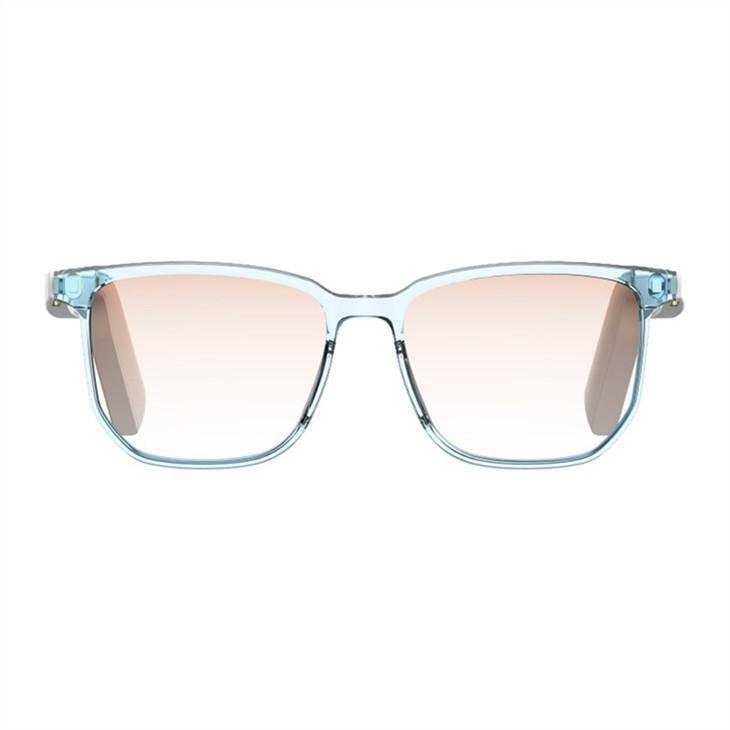
The convergence of Large Language Models and smart glasses represents a defining trend in wearable technology. Your customers are ready for AI-powered eyewear that simplifies their lives. Partner with manufacturers who understand both the technology and the market to bring compelling products to market faster.
Contact our team today to discuss your LLM smart glasses requirements. We help brands and distributors transform AI capabilities into market-ready products through collaborative design, efficient manufacturing, and rigorous quality assurance.
