
Posted At: May 20, 2026 - 2,474 Views

The smart glasses market continues to expand at a remarkable pace, driven by advances in AR technology, consumer demand for hands-free connectivity, and enterprise adoption across industries. For businesses looking to launch their own smart glasses product line—whether under a private label, house brand, or white-label arrangement—selecting the right supplier represents one of the most consequential decisions you will make. A dependable manufacturing partner can accelerate your go-to-market timeline, ensure consistent product quality, and provide the technical expertise needed to bring complex wearables to life.
Yet navigating the landscape of smart glasses manufacturers, particularly those based in China where the majority of global electronics manufacturing converges, presents unique challenges. Distributors and brands must evaluate dozens of potential partners, each claiming superior capabilities while the actual differences in quality, transparency, and operational excellence remain opaque until you dig deeper.
This guide breaks down everything you need to know about choosing a smart glasses supplier, from understanding your own product requirements to verifying supplier credentials and negotiating terms that protect your business interests.
Defining Your Smart Glasses Requirements
Before you begin searching for manufacturers, you need a clear picture of what you want to build. Smart glasses encompasses a broad category of products, and the specific features you require will significantly narrow your supplier options.
Consider the primary use cases for your product line. Are you targeting consumers who want fashionable audio sunglasses for outdoor activities, or enterprise clients requiring ruggedized AR-enabled devices? Perhaps your focus is on sports enthusiasts who need built-in music capabilities and UV protection during cycling or running. The technology stack, design complexity, and volume requirements differ substantially across these segments.
Make a list of essential specifications that must be non-negotiable for your first production run. This includes display technology (if applicable), battery life, connectivity standards, water resistance ratings, and any regulatory compliance requirements for your target markets. Understanding these parameters early helps you identify suppliers with relevant experience rather than wasting time on manufacturers whose core capabilities do not align with your vision.
Core Evaluation Criteria for Smart Glasses Manufacturers
Manufacturing Experience and Specialization
When evaluating potential partners, their history in the smart wearables space matters enormously. A factory that has spent five years perfecting audio sunglasses will likely deliver better results for that product category than a general electronics manufacturer attempting smart glasses for the first time. Ask prospective suppliers about their specific product portfolio, the number of years they have focused on smart glasses, and the volumes they have produced for existing clients.
Request samples of products they currently manufacture, paying close attention to build quality, finish, and the responsiveness of integrated software. When possible, source samples through retail channels to evaluate how the product performs in real-world conditions rather than relying solely on samples provided by the manufacturer themselves.
Quality Management Systems and Certifications
Reliable smart glasses suppliers maintain robust quality management systems that span the entire production process. Look for manufacturers with ISO 9001 certification, which demonstrates adherence to internationally recognized quality standards. Beyond general certifications, verify whether the supplier holds specific compliance marks relevant to your target markets, such as CE marking for European distribution, FCC certification for the United States, or RoHS compliance indicating the absence of hazardous substances.
Quality control should extend beyond final inspection. Ask about their incoming materials inspection process, in-line quality checks during assembly, and their approach to aging and stress testing. A manufacturer confident in their processes will readily share documentation about their quality protocols and invite you to audit their facilities.
Design and Engineering Capabilities
For brands developing custom smart glasses products, the supplier's design and engineering capabilities become a decisive factor. Evaluate whether the manufacturer employs in-house industrial designers, hardware engineers, and firmware developers. Strong engineering teams can help optimize your product design for manufacturability, suggest cost-saving modifications, and troubleshoot technical challenges that arise during development.
Review their prototyping services and timeline expectations. The ability to move quickly from concept to functional prototype allows you to validate design decisions and iterate before committing to mass production tooling. Suppliers who maintain in-house prototyping facilities typically offer faster turnaround times and greater design flexibility compared to those who outsource this critical phase.
Assessing Production Capacity and Flexibility
Your chosen supplier must be capable of meeting your current order volumes while having the scalability to grow alongside your business. Discuss minimum order quantities (MOQs) upfront, as these vary significantly across manufacturers. Some suppliers specialize in high-volume production runs of 5,000 units or more, while others accommodate smaller batches for brands in early-stage development.
Visit or request detailed information about their production lines, including the degree of automation, workforce size, and typical production capacity per month. Understanding their current utilization rates helps you assess whether they can accommodate your orders without creating bottlenecks or forcing extended lead times.
Flexibility also matters when your requirements change over time. A supplier capable of producing multiple product variants—perhaps different frame colors, lens options, or feature configurations—provides valuable optionality as market demands evolve. This adaptability becomes particularly important for distributors managing diverse customer portfolios across different regions.
Supply Chain Transparency and Component Sourcing
The smart glasses industry depends on a complex web of component suppliers, and the quality of your finished product is only as good as the parts that go into it. Inquire about where the manufacturer sources critical components such as displays, processors, batteries, speakers, and optical elements. Established manufacturers cultivate relationships with reputable component suppliers and can provide documentation about the provenance of key materials.
Beware of suppliers who cannot articulate their component sourcing strategy or who make vague claims about component quality without supporting evidence. Material substitutions made to reduce costs represent one of the most common ways product quality suffers, and transparent manufacturers proactively communicate any supply chain changes that might affect your order.
Communication Practices and Project Management
For B2B buyers working with manufacturers overseas, clear and consistent communication forms the foundation of a successful partnership. Evaluate how responsive the supplier is during the inquiry phase, as this often predicts their communication quality throughout production. Delayed responses, vague answers, or difficulty scheduling calls should raise concerns about their organizational efficiency.
Establish clear protocols for status updates, issue escalation, and decision-making authority on both sides. Determine who your primary point of contact will be and whether that person has the technical knowledge to address your questions without constant escalation. A dedicated account manager or project coordinator experienced in handling international clients adds significant value to the relationship.
Request examples of their documentation practices, including production progress reports, inspection results, and shipping notifications. Suppliers who leverage modern manufacturing execution systems can provide real-time visibility into order status, reducing uncertainty and enabling proactive problem-solving.
Understanding Pricing Structures and Cost Dynamics
Pricing for smart glasses OEM manufacturing involves multiple components, including tooling amortization, unit costs based on bill of materials, labor, overhead allocation, and margin structure. Request detailed quotations that break down these cost elements rather than accepting a single price figure without explanation. This transparency helps you identify opportunities for cost optimization and prevents surprises during production.
Compare quotations from multiple suppliers using consistent specifications to ensure you are making an apples-to-apples comparison. Be cautious of quotes that appear significantly lower than the market average, as this may indicate corner-cutting on materials, quality processes, or labor standards that could compromise your product and brand reputation.
Discuss payment terms that balance risk mitigation with cash flow management. Common arrangements include a deposit percentage upon order confirmation, with the balance due upon shipment or following inspection at destination. Understand their policy for handling scope changes, retooling costs, and quality-related disputes.
Intellectual Property Protection
Protecting your design intellectual property requires explicit contractual safeguards with your manufacturing partner. Ensure agreements include confidentiality clauses, non-disclosure provisions, and explicit restrictions on using your designs for other clients or third parties. For brands with distinctive industrial designs, consider registering intellectual property protections in China, where enforcement mechanisms have strengthened in recent years.
Discuss how component specifications and firmware are handled. Some manufacturers retain rights to certain reference designs or component sourcing relationships. Clarify ownership of tooling, custom firmware development, and any improvements made during the production process to avoid disputes when your product line evolves.
Red Flags and Warning Signs
Several indicators should prompt additional scrutiny during supplier evaluation. Be wary of manufacturers who are reluctant to provide references from existing clients, those who cannot accommodate factory visits, or those who pressure you to make quick decisions without allowing adequate due diligence time.
Verify business licenses, export documentation, and company registration information through independent channels. A legitimate manufacturer should have no objection to demonstrating their legal standing and operational history. Inconsistent information between their marketing materials and actual factory capabilities warrants further investigation.
Poor communication responsiveness during early conversations often predicts operational challenges later in the relationship. While occasional delays happen, patterns of unresponsiveness or frequent miscommunications suggest organizational dysfunction that will amplify under the pressures of production deadlines.
Building a Long-Term Partnership
The most successful B2B relationships with smart glasses manufacturers evolve beyond transactional exchanges into strategic partnerships. As your product line matures and volumes grow, manufacturers who view you as a valued long-term client rather than a one-time order typically offer preferential pricing, priority production scheduling, and proactive collaboration on new product development.
Invest in building genuine relationships with your supplier contacts. Understanding their business challenges, celebrating their milestones, and maintaining professional respect creates goodwill that pays dividends during difficult conversations or unexpected production issues.
Consider visiting your manufacturing partner in person when circumstances permit. Face-to-face relationship building strengthens trust and provides insights into company culture and workforce quality that cannot be captured through remote communications. Many businesses find that annual or semi-annual visits significantly enhance partnership quality and operational alignment.
Getting Started with Your Smart Glasses Manufacturing Journey
Armed with this evaluation framework, you are better positioned to identify smart glasses suppliers who match your quality standards, production requirements, and business values. Start by shortlisting three to five candidates who appear to meet your core criteria, then engage each with detailed technical inquiries and sample requests to refine your selection.
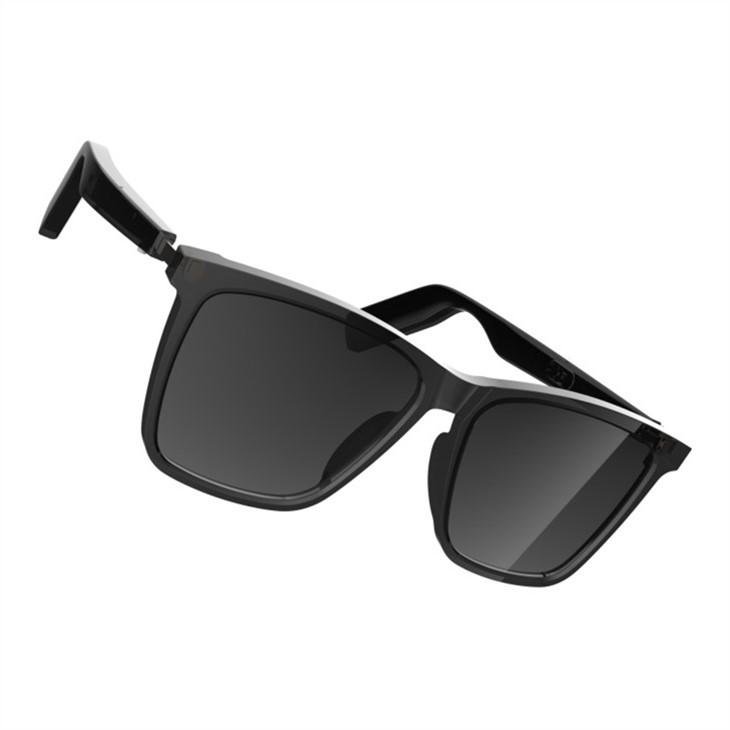
As you move forward, consider exploring our range of best Bluetooth smart glasses to understand current market offerings and quality benchmarks. Our team specializes in connecting B2B buyers with manufacturing partners who have proven track records in producing innovative smart eyewear across diverse price points and feature categories.
Ready to discuss your smart glasses manufacturing requirements? Explore our product capabilities and connect with our sourcing specialists who can guide you through the supplier selection process tailored to your specific product vision and business objectives.
Frequently Asked Questions
| Question | Key Consideration |
|---|---|
| What is a reasonable lead time for smart glasses production? | Typical timelines range from 60 to 120 days depending on product complexity, component availability, and order volume. Custom tooling adds 4-8 weeks to initial production runs. |
| How much should I budget for smart glasses tooling? | Tooling costs vary widely based on design complexity, ranging from $15,000 to $80,000 or more for complex multi-material injection molds with custom hinges and electronics integration. |
| What inspection standards should I require? | AQL standards of 2.5 to 4.0 are common for consumer electronics, with tighter sampling plans for critical functionality tests including battery performance, water resistance, and audio quality. |
| Can small brands access quality OEM manufacturing? | Yes, many manufacturers accommodate MOQs starting at 500-1,000 units for brands in early growth stages, with decreasing per-unit costs at higher volume thresholds. |
Selecting the right smart glasses supplier requires methodical evaluation, clear communication, and realistic assessment of your product requirements against manufacturer capabilities. By investing appropriate time in the selection process, you establish the foundation for successful product launches and sustainable business growth in the dynamic smart wearables market.
