
Posted At: Jun 26, 2026 - 2,195 Views

The ancient Roman Forum, once bustling with senators and merchants, now stands as weathered columns and fragmented foundations. Visitors peer at the remnants and strain to imagine what life looked like two millennia ago. But what if your eyewear could reconstruct those vanished structures in brilliant detail, right before your eyes? Augmented reality smart glasses are making this possible, and the implications for cultural institutions, tour operators, and technology manufacturers are profound.
The Evolution of Historical Site Interpretation
Traditional museum plaques and audio guides served their purpose for decades, but they demand visitors split attention between explanation and experience. Augmented reality eliminates this division by merging digital information with physical surroundings. When a visitor wearing AR glasses gazes at the Arch of Constantine, the technology overlays a translucent reconstruction showing how the monument appeared in 315 AD, complete with vibrant colors and accompanying citizens going about their daily routines.
This seamless integration of past and present addresses a fundamental challenge in heritage interpretation: how do you convey the dynamism of ancient life when only stone foundations remain? AR smart glasses answer by making the invisible visible, the silent speak, and the static come alive.
Technical Requirements for Heritage AR Applications
Deploying augmented reality effectively at historical sites demands hardware capable of handling complex spatial computing while remaining comfortable enough for extended wear. Several technical specifications prove essential for success in these environments.
Display Technology Considerations
Optical waveguide displays have emerged as the preferred solution for outdoor historical sites. Unlike virtual reality headsets that occlude surroundings entirely, AR glasses preserve natural vision while overlaying digital content. This transparency proves critical for safety at uneven archaeological sites and for maintaining the emotional connection between visitors and authentic locations.
Waveguide technology must balance field of view against device weight and battery consumption. Historical site applications typically prioritize wider fields of view to display contextual information without constant head movement, yet the hardware must remain light enough for multi-hour touring sessions.
Processing Power and Connectivity
Real-time AR rendering at historical sites requires substantial computing capability, either embedded within the glasses or streamed from companion devices. On-device processing offers reliability in areas with spotty connectivity, which commonly affects remote archaeological locations. Manufacturers must evaluate whether target deployment sites have robust network infrastructure or whether offline-capable solutions better serve the use case.
Environmental Durability
Outdoor heritage sites present challenging conditions for electronic devices. Heat, humidity, dust, and sudden weather changes all threaten equipment longevity. B2B procurement teams should specify industrial-grade components rated for extended operation in variable climates, particularly for installations in Mediterranean, tropical, or desert regions where many significant historical sites operate year-round.
Market Opportunities for Manufacturers
The global heritage tourism sector generates hundreds of billions of dollars annually, yet technology adoption remains nascent. This gap represents substantial opportunity for smart glasses manufacturers willing to develop specialized products for cultural applications.

UNESCO World Heritage Sites alone attract over 1 billion visitors yearly. If even a fraction of these locations implemented AR smart glass programs, demand would surge dramatically. Museums across Europe, Asia, and North America are actively piloting similar technologies, creating a growing reference market that demonstrates viability to skeptical institutional buyers.
Customization Pathways for B2B Buyers
Manufacturers serving this market must offer flexible customization options reflecting the diverse needs of heritage institutions. One-size-fits-all approaches fail when confronting the unique requirements of a medieval fortress versus an underwater archaeological site.
Branding and Aesthetics
Cultural institutions increasingly seek devices that complement rather than clash with their environments. This translates to demand for customizable frame styles, colors, and finishings that harmonize with specific architectural contexts. Some clients prefer sleek, futuristic designs that emphasize technological sophistication, while others require more traditional eyewear aesthetics that avoid visual jarring at heritage properties.
Feature Tailoring
Not every heritage application requires identical functionality. A site focused on architectural history might prioritize detailed 3D model overlays and measurement capabilities. An archaeological dig site might emphasize guided annotation systems allowing researchers to mark and share observations. Educational institutions might demand multilingual content delivery with accessibility features for visitors with disabilities.
Modular hardware architectures enabling feature activation based on client requirements provide flexibility without the cost burden of unique physical designs for each deployment.
Case Study: Implementing AR Glasses at Heritage Properties
Consider the implementation challenges facing a European castle complex receiving 500,000 annual visitors. Initial planning must address content development, which often represents the largest investment. Historical accuracy requires collaboration with archaeologists and historians, a time-intensive process producing specialized 3D assets, animations, and contextual narratives.
Hardware selection follows content requirements. Will visitors carry personal devices or use institution-provided eyewear? Shared devices demand robust hygiene protocols and charging infrastructure. Personal devices require secure mounting stations and distribution logistics. Each approach carries distinct capital and operational costs affecting project economics.
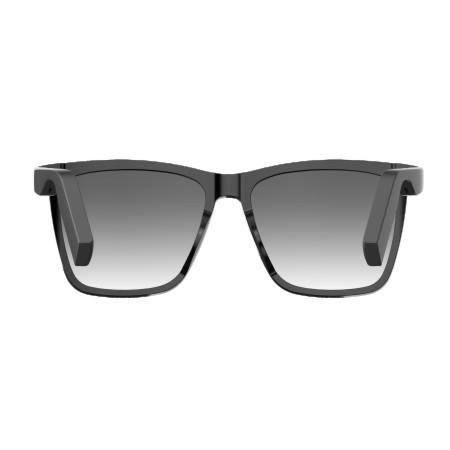
Training staff represents another critical implementation factor. Heritage site employees typically lack technical backgrounds, so intuitive operation and accessible support systems prove essential. Devices requiring constant technical intervention quickly accumulate operational costs that undermine project sustainability.
Comparative Analysis: Heritage AR Deployment Options
| Deployment Model | Advantages | Challenges | Best Suited For |
|---|---|---|---|
| Dedicated Device Rental | Controlled environment, consistent experience, premium positioning | Inventory management, hygiene concerns, device loss | Major museums, premium heritage tours |
| Personal Device BYOD | Lower capital costs, familiar hardware, no distribution logistics | Fragmented experience, compatibility issues, engagement variability | Mobile apps, self-guided experiences |
| Integrated Venue Systems | Scalable, consistent branding, centralized management | High initial investment, technical complexity | Large-scale heritage complexes, theme parks |
Future Directions in Heritage Technology
Emerging technologies promise to expand AR capabilities at historical sites significantly. Artificial intelligence integration will enable contextual content delivery responding to visitor gaze patterns, dwell times, and expressed interests. Computer vision advances will improve object recognition, allowing automatic identification and information retrieval when visitors examine artifacts or architectural details.
5G network expansion addresses current connectivity limitations, enabling richer cloud-rendered content without local processing burdens. This development particularly benefits complex historical reconstructions requiring substantial graphical resources beyond practical device capabilities.
Ambient computing interfaces will increasingly supplement visual AR with contextual audio, haptic feedback, and environmental responses. Imagine walking through a reconstructed marketplace where the scent of ancient spices releases as you approach, accompanied by period-appropriate merchant calls synchronized to your precise location.
Strategic Considerations for B2B Partners
Manufacturers entering this space should evaluate their positioning carefully. Pure hardware suppliers face relentless margin pressure from commoditization, while full-solution providers commanding premium pricing must invest substantially in content partnerships and software development capabilities.
Vertical integration offers compelling advantages for companies with appropriate resources. Controlling the complete stack from optics and electronics through content management and deployment support enables superior user experiences and defensible market positioning. However, this approach demands capabilities spanning hardware engineering, software development, and domain-specific expertise in cultural heritage interpretation.
Conclusion
Augmented reality smart glasses represent a transformative technology for historical site interpretation, offering visitors richer understanding and deeper emotional connection to humanity's shared heritage. For manufacturers, this application domain presents meaningful differentiation from consumer entertainment markets, where margins continue compressing amid intense competition.
Success in heritage deployments requires patient partnership with cultural institutions, substantial investment in domain expertise, and products designed specifically for demanding outdoor environments. Organizations prepared to make these commitments position themselves for sustainable growth in an underserved market segment with compelling long-term fundamentals.
Partner With Industry-Leading Smart Glasses Manufacturing
Smart Glasses Factory specializes in OEM and ODM manufacturing for brands and distributors seeking high-quality augmented reality eyewear. Our vertically integrated production capabilities span optics development, electronics integration, industrial design, and volume manufacturing.
We work closely with clients deploying smart glasses across diverse applications, including cultural heritage, tourism, enterprise, and consumer markets. Our engineering teams understand the unique requirements of AR deployment in challenging environments and deliver products meeting exacting performance standards.
Ready to discuss your smart glasses project? Our manufacturing specialists are standing by to review your requirements and provide detailed proposals tailored to your specific application needs.
