
Posted At: Mar 30, 2026 - 3,435 Views

Smart glasses have evolved from futuristic concept to mainstream consumer product, creating significant opportunities for distributors, brands, and retailers entering this growing market. Understanding how to properly wear and use smart glasses is essential knowledge for anyone sourcing these products for their business. This guide walks through everything you need to know about smart glasses usage, ensuring you can confidently advise your customers and select the right products for your inventory.
Understanding Smart Glasses Anatomy
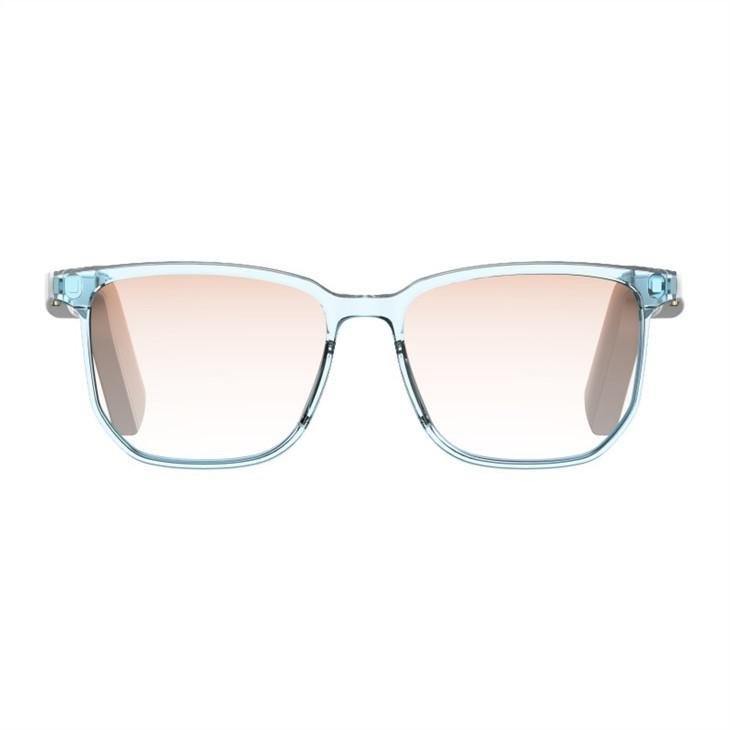
Before diving into wear techniques, your team should understand the basic components that make up smart eyewear. Most smart glasses feature a frame with integrated technology, temples containing batteries and processors, lenses that may include display capabilities or specialized coatings, and control interfaces such as touchpads or voice activation systems. Black Technology Smart Sunglasses exemplify modern smart glasses design, combining sleek aesthetics with functional technology that customers can wear throughout their day.
The frame serves as the foundation, available in various materials including lightweight aluminum, durable titanium, and flexible polymers. Temple pieces house the electronic components and house the charging ports typically located near the hinges. Some models feature interchangeable lenses, allowing users to switch between prescription lenses, tinted options, and specialized coatings depending on their activities.
Finding the Right Fit
Proper fit significantly impacts both comfort and functionality. When trying on smart glasses, start by placing the frame on your face with the nose pads resting comfortably on your nose bridge. The top of the frame should sit parallel to your eyebrows without pressing against them. Unlike regular eyewear, smart glasses contain additional weight from electronic components, so proper weight distribution becomes even more critical.
Adjust the temple arms by gently bending them to achieve a secure fit. The temples should extend straight back from the hinges and apply even pressure against the sides of your head. A proper fit prevents the glasses from sliding down during movement while avoiding excessive pressure that causes headaches. Many smart glasses feature adjustable nose pads, allowing customization for different face shapes.
Step-by-Step Wearing Instructions
Putting on smart glasses correctly extends their lifespan and ensures optimal performance. Begin with clean hands to avoid transferring oils or debris to the frame and lenses. Hold the glasses by the frame front rather than one temple to maintain proper alignment. Position the frame over your eyes and gently lower the temples behind your ears.
For Sports Sunglasses designed for active use, secure any additional features like wraparound straps or grip coatings. These specialized designs accommodate movement and sweat, making them ideal for fitness applications. During physical activity, periodically check that the glasses remain properly positioned, especially during high-impact movements.
Adjusting for Different Activities
Smart glasses usage varies based on the intended application. For driving, users need clear peripheral vision and minimal obstruction from the frame design. Bluetooth Glasses For Driving Music provide hands-free communication capabilities while maintaining road awareness through open-ear audio design.
Office and computer work requires glasses that stay comfortably positioned during extended wear. Blue light filtering becomes valuable for these environments, reducing eye strain during long screen sessions. Users should position the glasses so the frame sits slightly lower on the nose, allowing natural eye movement without looking over the top of the lenses.
Common Mistakes to Avoid
Understanding common wear issues helps your customer service team provide better support and allows you to select products less prone to these problems. Improper adjustments lead to discomfort and reduced usage time. Customers often make the mistake of keeping the default temple settings without customizing them to their specific head shape.
Another frequent issue involves placing smart glasses on the top of the head when not in use. This stretches the temples and gradually affects the fit. Encourage customers to use protective cases or eyewear stands. Additionally, failing to properly clean charging contacts leads to connectivity issues and charging failures. Regular maintenance checks should include verifying that charging ports remain free from debris.
Maintaining Your Smart Glasses
Proper maintenance extends product life and ensures consistent performance. Clean lenses regularly using microfiber cloths specifically designed for eyewear. Avoid using clothing or paper products, as these materials can scratch lens coatings. For frames, use slightly damp cloths to remove oils and dirt, taking care around electronic components.
Battery maintenance deserves special attention for smart glasses. Lithium-ion batteries used in these devices benefit from regular charging cycles rather than allowing complete discharge. Most smart glasses provide 4-8 hours of active use, though this varies based on features being utilized. When storing glasses for extended periods, partially charge the batteries to approximately 50% capacity.
Industry-Specific Applications
Different industries have distinct requirements for smart glasses usage. In logistics and warehouse operations, workers need durable frames that withstand daily wear while providing heads-up display capabilities for inventory management. Healthcare applications require glasses that can be easily disinfected without damaging electronic components.
Outdoor professionals benefit from UV protection combined with smart features. Anti-ultraviolet Sunglasses UV400 offer essential sun protection alongside technology integration, making them suitable for construction, delivery, and outdoor recreation markets.
Selecting Smart Glasses for Your Business
When sourcing smart glasses for resale or distribution, consider your target customer's primary use case. Fashion-forward consumers prioritize style and aesthetics, while professional users value functionality and durability. Budget-conscious buyers seek basic smart features at accessible price points, whereas tech enthusiasts desire advanced capabilities like AR displays and gesture controls.
Product quality directly impacts customer satisfaction and return rates. Partnering with manufacturers who prioritize quality control ensures your inventory performs consistently. Request samples before placing bulk orders, and verify that products meet relevant safety and certification standards for your markets.
Training Your Team
Your sales and customer service teams should understand smart glasses fundamentals to effectively support customers. Create internal documentation covering common questions about fit, pairing, and troubleshooting. Hands-on training sessions where staff members wear and test the products provide invaluable practical knowledge.
Develop clear return policies that account for the subjective nature of eyewear fit. Some customers may need to try multiple styles before finding their ideal match. Consider offering virtual try-on tools for e-commerce channels, helping online customers select frames that will fit their face shapes.
Market Trends and Consumer Expectations
The smart glasses market continues evolving rapidly, with consumers increasingly expecting seamless technology integration into everyday accessories. Battery life improvements, weight reduction, and more natural designs drive adoption among mainstream consumers. Understanding these trends helps you anticipate inventory needs and select products that meet evolving market demands.
| Feature | Entry-Level | Mid-Range | Premium |
|---|---|---|---|
| Battery Life | 4-6 hours | 6-10 hours | 10+ hours |
| Weight | 45-50g | 35-45g | Under 35g |
| Water Resistance | Basic splash | IPX4 rated | IPX5+ rated |
| Audio Type | Bone conduction | Open-ear speakers | Hybrid system |
Partnering with Smart Glasses Manufacturers
Successful smart glasses distribution requires strong manufacturer partnerships. Look for suppliers who offer consistent quality, responsive support, and flexible order quantities. The ability to customize branding and packaging helps differentiate your offerings in competitive markets. Music Call Sunglasses demonstrate the range of styles available from established manufacturers, covering various consumer preferences.
When evaluating potential partners, request detailed specifications, certification documentation, and warranty terms. Quality assurance processes should include functional testing of all electronic features before shipping. Reliable communication channels ensure that questions and issues receive prompt responses.
Getting Started with Your Smart Glasses Inventory
Building a smart glasses product line requires careful consideration of your target markets and customer preferences. Start with versatile styles that appeal to broad audiences, then expand into specialized categories based on actual demand. Collect customer feedback to guide future purchasing decisions and identify emerging opportunities.
Whether you're launching a new venture or expanding an established eyewear business, smart glasses represent a growing category with strong market potential. Understanding proper usage and fit ensures your customers have positive experiences that drive repeat business and positive reviews.
Ready to explore smart glasses products for your business? Our team supports B2B partners with competitive pricing, customization options, and reliable shipping for wholesale orders. UV400 Bluetooth Music Glasses and our complete product catalog await your inquiry. Let's discuss how we can help grow your smart eyewear business.
