
Posted At: Aug 26, 2026 - 13 Views

The smart glasses market continues its upward trajectory as consumer demand for connected wearable technology expands across multiple segments. For B2B buyers, distributors, and brands seeking to capitalize on this trend, entry-level smart glasses represent an accessible gateway into the market. These budget-conscious options deliver essential connected features without the premium price tag, making them particularly attractive for first-time market entrants and companies looking to test product-market fit before committing to higher-end development.
Manufacturing in China has evolved significantly to support this growing segment. Factories now offer sophisticated entry-level smart glasses that incorporate Bluetooth connectivity, basic audio functionality, and stylish designs at price points that enable healthy margins for distributors and retailers. Understanding how to navigate this landscape effectively can mean the difference between a successful product launch and a costly misstep.
Understanding the Entry-Level Smart Glasses Market
The term "entry-level" in smart glasses refers to products that prioritize accessibility and core functionality over advanced features like augmented reality overlays, advanced sensors, or complex gesture controls. These budget models typically focus on delivering reliable Bluetooth connectivity, integrated audio capabilities, and essential smart features that enhance daily activities without overwhelming users with complexity or requiring steep learning curves.
Market research indicates strong demand across several verticals. Outdoor enthusiasts seek glasses that combine sun protection with music playback during activities like hiking, cycling, or running. Commuters appreciate hands-free calling and navigation assistance. Fitness users want lightweight options that track basic metrics without bulky form factors. Each of these segments presents distinct opportunities for brands and distributors who can source appropriate products at competitive prices.
The competitive landscape for entry-level smart glasses has intensified considerably. Multiple manufacturers compete aggressively on pricing, which benefits B2B buyers who can leverage this competition to secure favorable terms. However, price competition also creates risks, as some suppliers may cut corners on quality, components, or manufacturing standards to achieve lower price points. Experienced buyers understand that the lowest price rarely represents the best value when factoring in quality control, warranty support, and long-term reliability.
Key Features in Budget Smart Glasses
When evaluating entry-level smart glasses for OEM/ODM partnerships, understanding which features deliver genuine value versus those that merely inflate specifications becomes essential. Several core capabilities consistently appear in successful budget models and deserve careful attention during the supplier selection process.
Bluetooth Connectivity and Audio Performance
The foundation of virtually all entry-level smart glasses involves Bluetooth connectivity paired with integrated speakers or bone conduction technology. Modern budget models support Bluetooth 5.0 or higher, ensuring stable connections with smartphones, tablets, and other devices within typical usage ranges. Audio quality varies considerably between products, with some budget options surprisingly matching the performance of significantly more expensive alternatives.
Open-ear audio designs have become particularly popular in this category. These glasses project sound toward the wearer without sealing the ear canal, maintaining awareness of environmental sounds while delivering acceptable audio quality for music, podcasts, and calls. This design philosophy balances entertainment with safety, especially for outdoor and active use cases.
Battery Life and Charging Solutions
Battery performance directly impacts user satisfaction and product return rates. Entry-level smart glasses typically deliver between four and eight hours of continuous audio playback, with standby times extending to several days. Charging mechanisms vary, with USB-C becoming increasingly standard despite some budget products still relying on older Micro-USB connections. B2B buyers should consider the implications of charging speed and convenience, as these factors influence customer satisfaction and reviews.
Frame Materials and Lens Technology
Durability and comfort determine whether users will actually wear their smart glasses consistently. Budget models commonly utilize TR-90 nylon, polycarbonate, or ABS plastics for frames, balancing weight reduction with structural integrity. Lens options range from basic tinted plastics to polarized varieties offering genuine UV protection. For outdoor-oriented products, scratch-resistant coatings and anti-glare treatments add meaningful value without dramatically increasing costs.
Touch Controls and Basic Smart Features
Intuitive controls distinguish quality budget products from disappointing ones. Capacitive touch surfaces on temple arms enable playback control, call management, and volume adjustment without requiring users to access their paired devices. Voice assistant integration, when present, typically operates through the connected smartphone rather than on-device processing, keeping hardware requirements and costs manageable.
Strategic Benefits for B2B Buyers
Entry-level smart glasses offer several strategic advantages for businesses entering or expanding in the wearables market. These benefits extend beyond simple cost savings to encompass risk management, market testing, and operational flexibility.
Lower initial investment requirements enable businesses to launch product lines without the substantial capital expenditures associated with premium smart glasses development. This accessibility opens opportunities for smaller distributors, regional brands, and companies testing new geographic markets or customer segments. The reduced financial barrier also allows for more aggressive inventory strategies, potentially capturing market share before larger competitors respond.
Product development timelines for entry-level smart glasses typically run shorter than premium alternatives. With established reference designs and proven componentry, manufacturers can move from specification finalization to production samples more quickly. This acceleration translates to faster time-to-market, reduced holding costs, and earlier revenue generation for B2B partners.
Consumer acceptance testing becomes more affordable with budget options. Brands uncertain about demand in specific markets or customer segments can test products with lower financial exposure. Positive reception validates assumptions and justifies investment in more sophisticated future iterations. Poor reception generates valuable learning without catastrophic financial consequences.
Product Options for Budget-Conscious Buyers
Several product categories within the entry-level segment offer particularly compelling value propositions for B2B buyers. Understanding these categories helps businesses align product selection with their target market positioning.
Audio-Focused Travel and Commuter Glasses
Products designed for travelers and commuters prioritize practical features over flashy specifications. These glasses typically combine polarized lenses, comfortable all-day wear designs, and reliable Bluetooth audio capabilities. Charging solutions often emphasize convenience, with cases that double as portable power banks extending effective battery life during long journeys.
The Audio Travel Bluetooth Sunglasses exemplify this category, offering travelers a single device that provides sun protection, entertainment, and hands-free communication without the burden of separate accessories.
Sports and Outdoor Recreation
Active lifestyle products require durability and secure fit alongside smart features. These glasses typically incorporate wraparound designs, impact-resistant materials, and water resistance ratings suitable for exercise and outdoor activities. Audio integration supports workout motivation while maintaining environmental awareness for safety.
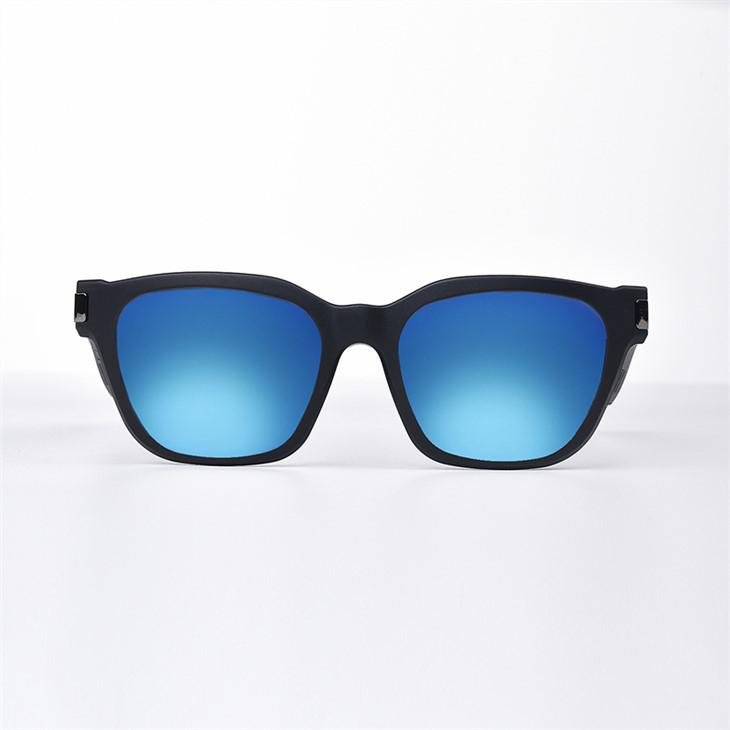
Products like the Hiking Sunglasses category demonstrate how manufacturers address outdoor enthusiasts' specific requirements, combining UV protection, comfortable fit during extended wear, and reliable Bluetooth connectivity for music and calls on the trail.
Professional and Office Applications
Workplace adoption of smart glasses creates growing demand for professional-appropriate designs. These products typically feature more conservative aesthetics, comfortable lightweight construction, and functionality optimized for productivity tasks like hands-free calls, audio notifications, and voice commands.
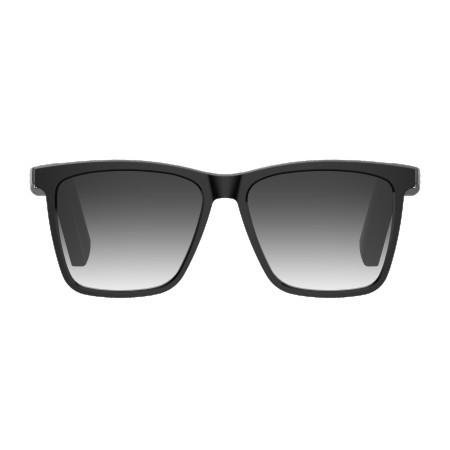
The Bluetooth Office Glasses represent this segment effectively, providing professionals with connected functionality in a frame design suitable for business environments.
Manufacturing Considerations for OEM/ODM Partnerships
Successful OEM/ODM partnerships for entry-level smart glasses require attention to several manufacturing-specific factors that may not be immediately apparent to buyers new to the smart glasses category. These considerations significantly influence product quality, production consistency, and ultimately, customer satisfaction.
Component Quality and Supply Chain Stability
Budget products face inherent cost pressures that can lead manufacturers toward component substitutions. Reputable factories maintain relationships with established component suppliers while qualifying backup sources to ensure supply continuity. B2B buyers should inquire about specific component sources, particularly for critical elements like Bluetooth modules, batteries, and speakers, where quality variations significantly impact end-user experience.
Quality control processes must adapt to budget production realities. While premium products may warrant extensive individual testing, efficient manufacturing requires statistical approaches that balance inspection thoroughness with production speed. Understanding a manufacturer's quality methodology helps buyers assess whether their standards align with acceptable defect rates for budget products.
Customization and Branding Options
OEM partnerships for entry-level products still offer meaningful differentiation opportunities. Frame colors, temple arm designs, lens options, and packaging customization enable brands to establish distinct market positions even within the budget segment. However, customization complexity affects both pricing and production timelines, requiring careful evaluation of which modifications deliver genuine market differentiation versus those serving purely aesthetic purposes.
Logo placement options typically include laser engraving, pad printing, or metal badge attachment. Each method carries distinct cost implications, durability characteristics, and minimum order requirements. Experienced manufacturers guide buyers toward options matching their quality standards and budget constraints.
Certification and Compliance
Entry-level smart glasses still require appropriate certifications for target markets. Bluetooth qualification, electromagnetic compatibility testing, and regional safety certifications represent baseline requirements. For products targeting specific applications like driving or industrial use, additional compliance testing may apply.
Factories experienced with international markets maintain certification expertise and established relationships with testing laboratories, potentially reducing both cost and timeline for compliance verification. Buyers should confirm that their manufacturing partners will provide necessary documentation and support for certifications required in their target regions.
Price Factors and Cost Optimization
Understanding pricing structures for entry-level smart glasses helps B2B buyers negotiate effectively and avoid pitfalls associated with unrealistically low quotations. Manufacturing costs break down into several components, each subject to optimization strategies with distinct trade-offs.
| Cost Component | Typical Share | Optimization Considerations |
|---|---|---|
| Electronic Components | 35-45% | Module integration, component sourcing, quality tiers |
| Frame and Housing | 20-30% | Material selection, tooling amortization, production volume |
| Lens Assembly | 10-20% | Type selection, treatment options, supplier relationships |
| Assembly and Testing | 10-15% | Automation level, quality approach, location factors |
| Packaging and Accessories | 5-10% | Design complexity, materials, fulfillment integration |
| Logistics and Overhead | 5-10% | Shipping terms, payment terms, service requirements |
Volume relationships significantly influence unit pricing. Most manufacturers offer tiered pricing structures where per-unit costs decrease as order quantities increase. However, the relationship is non-linear, with substantial reductions typically occurring at key volume thresholds. Buyers should model total costs across different volume scenarios to identify optimal order sizes balancing inventory risk against unit economics.
Component standardization versus customization creates ongoing tension in budget manufacturing. Standard components typically offer better pricing through pooled demand and established quality processes. Customization may enable differentiation but often increases costs and extends lead times. Successful budget products typically maximize standardization in less visible areas while reserving customization investments for customer-facing elements that drive purchase decisions.
Quality Assessment Strategies
Evaluating quality in entry-level smart glasses requires different approaches than assessing premium products. Cost constraints inevitably influence capability, making it essential to distinguish between quality deficiencies that harm user experience and intentional design choices that achieve appropriate cost targets.
Sample evaluation should include extended use testing beyond basic functionality verification. Wearing sample glasses through typical daily activities reveals comfort issues, control responsiveness, and real-world battery performance. Audio quality assessment should occur in environments matching target use cases, including outdoor settings with ambient noise where these products typically operate.
Supplier audits provide additional quality assurance for serious partnership commitments. Experienced buyers often include factory visits or third-party inspection requirements in partnership agreements. These audits verify manufacturing capability claims, assess quality management system implementation, and establish relationships with production personnel who will manage ongoing orders.
Warranty terms and after-sales support arrangements merit careful negotiation. Budget products typically experience higher failure rates than premium alternatives, making support infrastructure critical to maintaining customer relationships and brand reputation. Forward-thinking buyers establish clear protocols for handling defect returns, spare parts access, and troubleshooting support before finalizing manufacturing partnerships.
Market Positioning for Entry-Level Smart Glasses
Successful entry-level product lines require thoughtful market positioning that acknowledges budget constraints while establishing meaningful differentiation. Price alone rarely sustains competitive advantage, particularly in categories where multiple manufacturers compete on similar specifications.
Value-focused positioning emphasizes what entry-level products deliver rather than what they omit. Phrases like "essential smart features" or "connected everyday eyewear" frame budget products positively rather than defensively. This approach acknowledges that many consumers seek practical functionality without premium pricing, and products serving this preference deserve confident market representation.
Vertical-specific positioning often proves more effective than broad market appeals. Rather than competing against all smart glasses alternatives, targeting specific use cases like fitness, commuting, or outdoor recreation creates focused value propositions more easily communicated through marketing channels reaching those audiences.
Accessory bundling represents another positioning opportunity. Pairing smart glasses with complementary products like protective cases, cleaning supplies, or replacement lenses creates perceived value without dramatically affecting actual costs. These bundles simplify purchase decisions while increasing average transaction values.
Future Outlook for Budget Smart Glasses
The entry-level smart glasses segment continues evolving alongside broader technology trends. Component cost reductions, particularly for Bluetooth modules and batteries, gradually expand feature availability at budget price points. Manufacturing process improvements increase production efficiency and consistency, enabling better quality at lower costs.
Emerging technologies will eventually filter into budget categories. Current premium features like basic health tracking, advanced voice integration, and enhanced audio processing will likely appear in entry-level products within product development cycles of two to three years. Forward-looking brands position themselves to capitalize on these transitions by establishing manufacturing relationships now.
Market demand shows no indication of weakening. Consumer comfort with wearable technology continues growing, expanding the addressable market for smart glasses of all price points. Entry-level products serve as the primary volume driver in this growth, making effective participation in this segment strategically important for brands seeking market share.
Making Informed Sourcing Decisions
Selecting the right manufacturing partner for entry-level smart glasses requires balancing multiple factors against budget constraints. The lowest price rarely produces the best outcomes when factoring in quality, reliability, and partnership longevity. Experienced B2B buyers evaluate potential partners across dimensions including manufacturing capability, quality track record, communication responsiveness, and strategic alignment.
Thorough specification development before initiating supplier discussions prevents costly misunderstandings during production. Clear documentation of feature requirements, quality standards, packaging expectations, and compliance needs provides a foundation for accurate quotations and smooth production execution. Ambiguity in specifications inevitably surfaces as problems during manufacturing, making upfront investment in clarity essential.
Starting with manageable order quantities allows relationship building and quality validation before committing to larger volumes. Many manufacturers offer improved terms for established partnerships, rewarding buyers who demonstrate reliability through initial orders. This approach also limits exposure if quality expectations prove unachievable with a particular supplier.
Partner With Experienced Smart Glasses Manufacturers
The entry-level smart glasses market offers genuine opportunities for B2B buyers who approach it with appropriate preparation and realistic expectations. These products serve real consumer needs at accessible price points, creating sustainable market positions for brands that execute effectively.
Working with manufacturers who understand both the technical requirements and market dynamics of budget smart glasses significantly improves outcomes. Experienced partners provide valuable guidance on feature optimization, cost management, and positioning while maintaining quality standards appropriate for targeted price points.
If your business is ready to explore entry-level smart glasses manufacturing partnerships, reach out to discuss your requirements. Our team can connect you with appropriate manufacturing capabilities, provide detailed quotations, and support your product development journey from initial concept through production scaling.
