
Posted At: Jun 23, 2026 - 1,242 Views

The augmented reality smart glasses market is experiencing a transformative phase as we move through 2026. Once relegated to the realm of science fiction, AR eyewear has emerged as a critical component in enterprise operations, consumer entertainment, and industrial applications. For B2B buyers, distributors, and brands exploring smart glasses OEM/ODM manufacturing opportunities in China, understanding these market dynamics has never been more essential.
Market Overview and Growth Trajectory
The global AR smart glasses market has demonstrated remarkable resilience and growth potential. Industry analysts project compound annual growth rates exceeding 25% through the remainder of the decade, with enterprise applications leading adoption. The convergence of improved display technologies, extended battery life, and more comfortable form factors has addressed many historical barriers to mainstream adoption.
China's role in this ecosystem cannot be overstated. As the world's manufacturing hub for consumer electronics, the country has cultivated a robust supply chain for smart glasses components, from micro-OLED displays to specialized optics and wireless connectivity modules. This manufacturing expertise positions Chinese OEMs as invaluable partners for brands seeking to bring AR eyewear products to market efficiently and cost-effectively.
Key Technology Trends Shaping 2026
Display Technology Advancements
The visual experience remains paramount in AR glasses design. Waveguide optics have matured significantly, offering improved field of view while maintaining sleeker profiles. Micro-LED technology is gaining traction as an alternative to traditional LCOS or OLED displays, promising higher brightness levels and lower power consumption—critical factors for all-day wearable use.
Manufacturers are also exploring hybrid approaches that balance visual quality with device weight. The industry has largely moved away from bulky designs toward lightweight frames that resemble conventional eyeglasses, making extended wear practical for professional environments.
Processing Power and Connectivity
Modern AR smart glasses increasingly leverage cloud computing and edge processing to deliver sophisticated experiences without excessive onboard hardware. The integration of Wi-Fi calling capabilities and advanced Bluetooth connectivity enables seamless communication and data synchronization with smartphones and enterprise systems.

Artificial intelligence integration has become a differentiator in the market. On-device AI processing enables real-time object recognition, translation services, and contextual information overlay without requiring constant cloud connectivity. This capability is particularly valuable for enterprise clients prioritizing data privacy and offline functionality.
Enterprise Adoption Driving Market Growth
Enterprise applications represent the largest and most mature segment of the AR smart glasses market. Warehouse operations, field service, and manufacturing training have emerged as high-value use cases where AR glasses deliver measurable return on investment through improved efficiency and reduced error rates.
Healthcare has emerged as a particularly promising vertical. Surgical assistance, patient data access during examinations, and medical training applications are gaining regulatory clearance and commercial deployment. The ability to overlay critical information directly into a clinician's field of view eliminates the need to divert attention to separate devices.
Industrial Applications
Manufacturing environments have embraced AR glasses for quality control, assembly guidance, and remote expert support. The capacity for hands-free operation proves invaluable in scenarios where traditional documentation or tablet-based instructions create bottlenecks or safety concerns.
Remote collaboration has become a standout application, particularly as distributed workforces have become the norm. Field technicians can share their perspective with distant experts who can annotate their view in real-time, dramatically reducing resolution times for complex problems.
Consumer Market Evolution
While enterprise applications currently dominate revenue, the consumer segment presents substantial long-term opportunity. Gaming, navigation, and social media integration are driving consumer interest, though price sensitivity and use case clarity remain challenges.
Fashion and aesthetics have become important considerations as manufacturers recognize that consumer adoption depends on devices that people are comfortable wearing publicly. The industry has shifted toward designs that prioritize style alongside functionality.
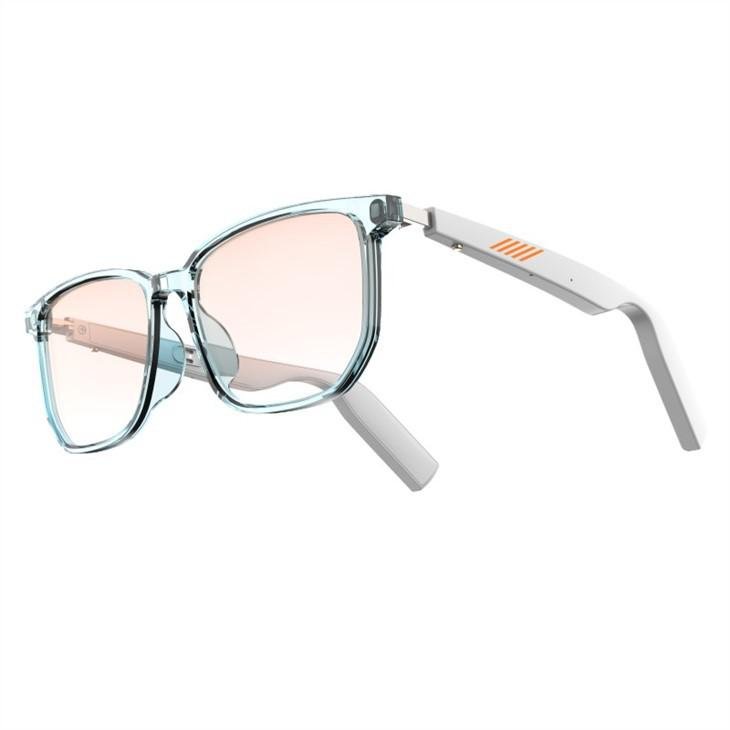
Audio integration has become standard, with bone conduction and directional speaker technologies enabling media consumption and communication without isolating users from their environment. This audio capability transforms smart glasses into all-day companions rather than specialized tools.
Regional Market Dynamics
North America and Europe continue to lead enterprise adoption, driven by early technology adoption and robust venture capital investment in enterprise software. However, Asia-Pacific represents the fastest-growing region, fueled by manufacturing expansion, government initiatives supporting AR technology, and a massive addressable consumer market.
China's domestic market presents unique characteristics. Local technology giants have entered the AR glasses space, creating competitive dynamics that drive innovation while also establishing supply chain advantages that benefit international brands working with Chinese manufacturing partners.
Manufacturing Landscape and OEM/ODM Opportunities
For B2B buyers and brands, the manufacturing landscape offers multiple engagement models. Original Design Manufacturers provide access to established product platforms that can be customized with branding, while Original Equipment Manufacturers offer full custom development for companies seeking differentiated products.
Key considerations when selecting a manufacturing partner include:
- Optical engineering capabilities and quality control processes
- Component sourcing relationships and supply chain stability
- Compliance certifications for target markets (CE, FCC, industry-specific standards)
- Prototyping and rapid iteration support
- Production capacity and scalability for volume orders
The Chinese manufacturing ecosystem has developed particular expertise in balancing cost efficiency with quality standards required by international brands. Facilities with integrated design and manufacturing capabilities can significantly accelerate time-to-market while reducing the complexity of coordinating multiple vendors.
Competitive Landscape Analysis
The AR smart glasses market features a mix of established technology companies, emerging startups, and manufacturing specialists. This diversity creates opportunities for brands to find partners aligned with their specific requirements, whether prioritizing cutting-edge features, cost optimization, or rapid deployment.
| Market Segment | Growth Rate | Key Drivers |
|---|---|---|
| Enterprise Hardware | High | ROI clarity, productivity gains |
| Enterprise Software | Very High | Application ecosystem expansion |
| Consumer Premium | Moderate | Brand adoption, feature parity |
| Consumer Budget | High | Price reduction, accessibility |
Strategic Recommendations for B2B Buyers
Organizations evaluating AR smart glasses investments should approach market entry strategically. Understanding the distinction between current-generation products optimized for specific use cases and next-generation devices promising broader capability is essential for realistic expectation setting.
For brands considering custom product development, engaging manufacturing partners early in the specification phase can identify opportunities for component standardization and cost optimization. The rapid pace of technology evolution requires flexibility in product roadmaps to incorporate advances in display, processing, and battery technology.
Supply chain resilience has become a priority following recent global disruptions. Building relationships with manufacturing partners who maintain diversified component sources and production capacity provides insurance against market volatility and demand fluctuations.
Future Outlook and Investment Considerations
The trajectory for AR smart glasses points toward increasingly integrated role in both professional and personal contexts. As display technologies continue improving while form factors shrink, the boundary between conventional eyewear and smart devices will continue blurring.
Investment in AR capabilities represents a strategic imperative for organizations seeking to maintain technological relevance. The combination of improving hardware economics, expanding application ecosystems, and growing user acceptance creates favorable conditions for market expansion.
Manufacturing partnerships will play a crucial role in capturing market opportunity. Companies that establish strong relationships with capable OEM/ODM partners position themselves to respond quickly to market developments and customer requirements.
Partner with Expert Smart Glasses Manufacturers
Navigating the AR smart glasses market requires expertise spanning technology, manufacturing, and supply chain management. Whether you are introducing a new product line, expanding existing offerings, or seeking reliable manufacturing partners, connecting with experienced professionals who understand the nuances of this dynamic market accelerates your path to success.
Ready to explore manufacturing opportunities for AR smart glasses? Our team of specialists provides comprehensive OEM/ODM services, from initial concept through volume production. We invite B2B buyers, distributors, and brands to discuss how we can support your smart glasses initiatives with quality manufacturing and technical expertise.
Explore our smart sunglasses collection to see the range of designs and capabilities available for customization. For specific enterprise requirements, our engineering team can develop tailored solutions that meet your exact specifications.